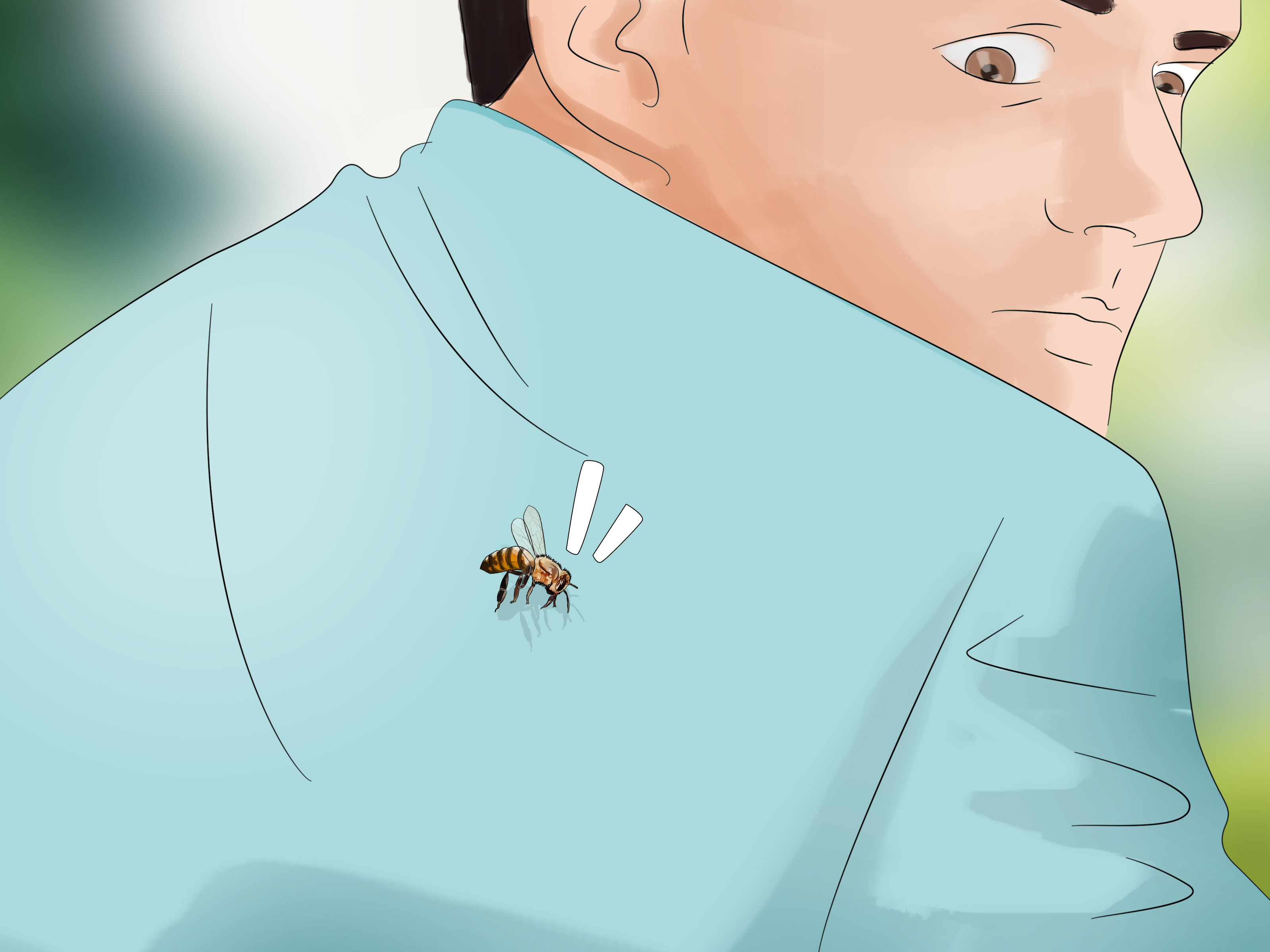
There are many outdoor problems you can solve with calm thinking: a flat tire, a rainstorm, a raccoon judging your picnic choices. A cloud of angry bees is not one of those problems. When people say “killer bees,” they usually mean Africanized honey bees, a hybrid honey bee known for defending its nest more intensely and in larger numbers than the gentler European honey bee. The good news? They are not horror-movie villains with tiny helmets and a battle plan. The bad news? If you disturb a colony, they can react quickly, chase farther than you expect, and turn a casual yard project into the fastest cardio session of your life.
This guide explains how to escape from killer bees in 11 practical steps, what not to do, how to treat stings afterward, and how to prevent bee encounters around your home, yard, trail, campsite, or worksite. The main rule is simple: do not fight bees. You will lose. They have wings, teamwork, and absolutely no respect for your weekend plans.
What Are “Killer Bees,” Really?
“Killer bee” is the dramatic nickname for Africanized honey bees. They are not more venomous than regular honey bees in a single sting, but they can be more dangerous because they may respond to a perceived threat with many more defenders. That means the risk comes from multiple stings, panic, delayed escape, or an allergic reaction. They may nest in wall voids, tree hollows, water meter boxes, overturned pots, sheds, old tires, and other cavities near people and pets.
Most bees you see on flowers are simply foraging. A single bee collecting nectar is usually not interested in you unless trapped, stepped on, squeezed, or swatted. The real danger rises when you are near a colony. Bees defend home turf, not personal honor. If several bees suddenly begin bumping into you, buzzing aggressively around your face, or gathering in larger numbers, treat it as a warning and move away immediately.
How to Escape from Killer Bees: 11 Steps
1. Recognize the warning signs fast
If a bee bumps your head, face, or body repeatedly, it may be a guard bee telling you to leave. Take that hint seriously. A visible stream of bees entering and exiting a hole in a wall, tree, ground opening, utility box, or discarded container can indicate a colony. Do not investigate, poke, spray, photograph closely, or announce, “I just want to see what’s in there.” Curiosity is wonderful in museums. Around defensive bees, curiosity needs a leash.
2. Start running immediately
If multiple bees attack, run. Do not freeze, do not bargain with the bees, and do not attempt slow-motion dignity. Move away from the colony as quickly as possible. Africanized honey bees may keep defending over a long distance, so your goal is not to get ten feet away; your goal is to create serious distance and reach shelter. Keep moving until the bees stop following.
3. Run in a straight line toward shelter
Movies love zigzags, but safety guidance for bee attacks generally favors running directly to an enclosed place. Go to a house, car, truck, shed, garage, restroom building, store, or any enclosed structure you can reach quickly. A few bees may follow you inside, but many more are outside. Shelter beats open air. Once inside, close doors and windows if you can do so without slowing your escape.
4. Protect your face and airways
As you run, pull a shirt, jacket, towel, hat, or backpack flap over your head and face if possible. Do not block your vision so badly that you crash into a fence, cactus, grill, or your neighbor’s inflatable pool flamingo. The goal is to protect your eyes, nose, mouth, ears, and neck while keeping enough visibility to escape. Bees are often drawn toward dark areas and hair, so covering your head can reduce stings in sensitive spots.
5. Do not swat, slap, or flail
Swatting feels natural, but it can make things worse. Rapid movement can agitate bees further, and crushing bees may release alarm signals that attract more defenders. Keep your arms close, cover your face, and run. Think of it as the world’s worst parade: you are not waving to the crowd.
6. Do not jump into water
This is one of the most dangerous myths. A pool, pond, creek, or lake might look like instant safety, but bees can hover and wait for you to surface. Then you are wet, out of breath, still being stung, and no closer to shelter. Water is not a magic shield. Run to an enclosed place instead.
7. Do not hide in bushes or under open structures
Dense bushes, porches, picnic tables, open sheds, and patio furniture do not provide reliable protection. Bees can fly around, under, and through many outdoor hiding spots. If the space is not enclosed, keep going. Your safest destination is a closed building or vehicle.
8. Help children, older adults, and pets escape quickly
Children, older adults, people with limited mobility, and pets may not be able to outrun bees as easily. If you are nearby and can help without trapping yourself, guide them toward shelter and tell them clearly: “Run to the car” or “Go inside now.” If someone is surrounded and you cannot safely reach them, call 911. Do not run into a swarm without protection and become a second victim. Rescue is most effective when emergency responders have the right training and equipment.
9. If bees get into your car, stay calm and stop safely
If a few bees enter your vehicle, do not turn your commute into a stunt scene. Slow down, pull over when safe, open the windows, and let the bees leave. If you are being attacked outside, getting into the car is still a good choice. Close yourself inside, drive away if safe, and deal with the few bees that followed once you are away from the colony.
10. Remove stingers after you are safe
Do not stop during the attack to pick out stingers. Escape first. Once you are indoors or far from the bees, remove visible honey bee stingers quickly by scraping them away with a fingernail, credit card edge, or similar flat object. Avoid squeezing the venom sac with tweezers or fingers. Wash sting sites with soap and water, apply a cold pack wrapped in cloth, and avoid scratching. Scratching can increase irritation and infection risk.
11. Get medical help when needed
Call 911 or seek emergency care if there are signs of an allergic reaction, including trouble breathing, wheezing, chest tightness, swelling of the lips or throat, widespread hives, dizziness, fainting, vomiting, severe nausea, or confusion. Multiple stings can also be dangerous, especially for children, older adults, and people with heart or breathing conditions. If a person has been prescribed an epinephrine auto-injector, use it as directed and call emergency services.
What Not to Do During a Killer Bee Attack
Do not stand still and hope the bees get bored. They are not deciding whether you are interesting; they are defending a colony. Do not wave your arms wildly. Do not try to kill the bees one at a time. Do not throw rocks at the nest. Do not spray random chemicals while being attacked. Do not jump into water. Do not run toward other people and spread the danger. And absolutely do not attempt to “smoke them out” or burn a colony yourself. That is not pest control; that is how local news gets a new headline.
If you discover a nest around your home, contact a licensed pest-control professional, beekeeper experienced with removals, animal control office, or local extension service for guidance. Africanized honey bees can occupy small spaces close to the ground, so inspection matters. Common nesting sites include wall gaps, irrigation boxes, roof eaves, sheds, hollow trees, barbecue grills, old furniture, tires, and yard debris.
Why Killer Bee Escapes Depend on Distance
The safest response is distance because defensive bees focus on the area around their colony. The farther you move from that colony, the more likely the attack will fade. This is why stopping after ten seconds can be a mistake. Keep running until you have reached shelter or the bees are no longer pursuing you. A person in sandals, work gloves, or garden clothes may feel ridiculous sprinting across the yard, but ridiculous and safe is better than dignified and stung.
How to Prevent Killer Bee Encounters
Inspect your property regularly
Walk around your home and look for repeated bee traffic entering holes, cracks, boxes, or cavities. A few bees on flowers are normal. A steady line of bees flying into the same opening is a warning sign. Seal gaps in exterior walls, utility openings, attic vents, sheds, and equipment covers when bees are not present. Use proper materials such as caulk, mesh, or weather-resistant barriers.
Be careful with loud equipment
Lawn mowers, string trimmers, chainsaws, tractors, leaf blowers, and power tools can disturb colonies through noise and vibration. Before mowing tall grass or trimming near walls, fences, trees, or utility boxes, scan for bee activity. If you see repeated traffic, stop and move away. Your lawn can wait. Grass has survived worse things than being slightly tall for one more day.
Keep outdoor clutter under control
Old tires, buckets, boxes, abandoned furniture, hollow logs, broken appliances, and unused planters can create nesting opportunities. Reduce clutter, cover openings, and store equipment properly. In warm regions where Africanized honey bees are established, simple yard maintenance can lower the chance of a colony setting up close to people or pets.
Teach kids the bee safety rule
Children do not need a university lecture on honey bee genetics. They need a clear rule: if bees start chasing, cover your face and run indoors or to a car. Tell them never to throw rocks at nests, spray bees, shake branches, or poke holes where insects are flying in and out. Make the safe action simple enough to remember under stress.
First Aid After Multiple Bee Stings
Once you are safe, move away from the attack area and check the whole body for stingers, especially the scalp, hairline, ears, neck, under sleeves, waistband, and ankles. Remove stingers quickly, clean the skin, and use cold compresses for swelling. Over-the-counter pain relievers or antihistamines may help some people, but follow label directions and avoid medications that are unsafe for you.
Monitor the person for several hours. Allergic symptoms can appear quickly and may worsen. Emergency warning signs include difficulty breathing, swelling away from the sting site, tight throat, hoarseness, widespread hives, vomiting, severe weakness, dizziness, or fainting. When in doubt, get medical help. Bee stings are common; severe reactions are less common, but they demand speed.
How to Escape from Killer Bees in Different Situations
If you are hiking
Stay on marked trails when possible, listen for intense buzzing near rocks, tree hollows, or abandoned structures, and keep dogs leashed. If bees attack, run down the trail toward open distance or shelter. Warn others as you move away: “Bees! Run back!” Do not stop to collect backpacks, water bottles, phones, or sunglasses. Replaceable gear is not worth extra stings.
If you are mowing or landscaping
Turn off equipment only if you can do so instantly without slowing escape. If bees are already attacking, run first. Many incidents begin when machinery vibrations disturb a hidden colony. Afterward, keep everyone away from the area and call a professional.
If bees attack your pet
Call your pet to shelter if possible. If a dog is on leash and you can pull it away while escaping, do so. Do not tie animals near known bee activity. If your pet receives multiple stings, contact a veterinarian quickly, especially if there is swelling around the face, weakness, vomiting, breathing trouble, or collapse.
Common Myths About Killer Bees
Myth: Killer bees search for humans to attack
They do not hunt people. They defend colonies. Most attacks happen when a nest is disturbed or approached too closely.
Myth: One sting from a killer bee is deadlier than one regular bee sting
The major danger is usually the number of stings, not super-powered venom. Multiple stings increase venom exposure and medical risk.
Myth: You can identify Africanized honey bees by sight
Africanized and European honey bees look very similar. Reliable identification usually requires expert analysis. Behavior and location can raise suspicion, but do not play detective next to a colony.
Myth: Water is the best escape
Water is a poor escape plan because bees can remain above the surface and sting when you come up for air. Run to enclosed shelter.
Real-World Experiences and Lessons: What Bee Encounters Teach Us
People who have experienced serious bee attacks often describe the same pattern: surprise, confusion, panic, and then the sudden realization that running is the only useful strategy. One common scenario begins with ordinary yard work. Someone starts a mower near a wall, a tree stump, or a meter box. At first, there are only a few bees. The person swats, steps closer, or keeps mowing. Then the sound changes. More bees appear, and within seconds the situation becomes overwhelming. The lesson is simple: when bees warn you, leave early. You do not need to finish one last strip of grass.
Another common experience happens on trails or rural properties. A hiker or worker notices bees around a hollow tree, rock cavity, shed, or old piece of equipment. Because the bees are not attacking yet, the person moves closer to look. That is the moment when a calm observation can become a defensive response. The better habit is to treat repeated bee traffic like a “do not enter” sign. You would not poke a rattlesnake to confirm it is annoyed. Give bees the same respect, preferably from a much greater distance.
Families in warm-weather regions often learn bee safety after finding a colony in a surprising place: inside a barbecue grill, under a playhouse, in a compost bin, or behind a loose board. These locations feel familiar, which makes them more dangerous. People lower their guard at home. A useful monthly routine is to walk the property and watch for bees entering and exiting the same opening. If you see that pattern, keep kids and pets away and call a professional. The safest bee removal is the one you do not attempt with a garden hose, flip-flops, and misplaced confidence.
Parents can also turn bee safety into a simple household drill. Children remember short instructions better than complicated ones. Try: “Cover your face. Run inside. Close the door.” That is enough. Add one more rule for older kids: never throw things at bees or spray nests. When children know exactly what to do, they are less likely to freeze, scream in place, or run toward the person they want to protect.
Outdoor workers, campers, and homeowners can learn from near misses. Keep a bandana, hat, or lightweight net in a hiking bag or work truck. Check hidden spaces before starting loud tools. Watch pets near brush and old structures. Know who in your family has a sting allergy and where their epinephrine is stored. Most importantly, remember that escaping killer bees is not about bravery. It is about speed, distance, and shelter. The hero move is not fighting the swarm. The hero move is getting everyone indoors, calling for help when needed, and living to tell the story with only a mildly embarrassing sprint involved.
Conclusion
Escaping from killer bees comes down to a few lifesaving choices: recognize danger early, run fast, protect your face, seek enclosed shelter, avoid water, and treat stings properly once you are safe. Africanized honey bees are not monsters, but they can defend colonies with intensity and numbers that make them dangerous. Respect the warning signs, prevent nests around living areas, and teach everyone in your household what to do before an emergency happens.
If you remember only one thing, remember this: do not stand there swatting like you are conducting an orchestra of doom. Cover your face, run to shelter, and keep going.