Building an indoor box turtle habitat is a little like designing a luxury studio apartment for a tiny, shelled introvert. It needs the right lighting, cozy hiding places, a snack station, a soaking area, enough room to roam, and absolutely no weird decorative gravel that looks cute online but turns into a reptile real-estate disaster by Tuesday.
Box turtles are charming, curious, and surprisingly opinionated. They are not low-effort pets, and they definitely are not “put it in a glass tank and toss in lettuce” animals. A healthy indoor box turtle enclosure must copy the important parts of the turtle’s natural environment: warm sun, cooler shade, soft soil, moisture, privacy, fresh water, and safe enrichment. When those basics are missing, problems can show up as poor appetite, dry skin, shell issues, stress, respiratory trouble, or general turtle grumpiness.
This guide explains how to create an indoor box turtle habitat that is practical, safe, and comfortable. Whether you have an eastern box turtle, three-toed box turtle, ornate box turtle, or another legally owned captive-bred box turtle, the goal is the same: build a habitat that lets your turtle behave like a turtle, not like a sad decorative rock.
Before You Build: Know Your Turtle and Check the Rules
Before buying supplies, identify the exact species or subspecies of your box turtle. Eastern box turtles often need more humidity, while ornate box turtles are adapted to slightly drier conditions. Three-toed box turtles usually appreciate a moist, forest-like setup. A “box turtle” label at a pet shop is not enough information. The habitat should be designed around the animal’s real biological needs.
You should also check local laws. In many U.S. states, native box turtles are protected, and collecting them from the wild may be illegal or harmful to local populations. Wild-caught turtles often struggle in captivity and may carry parasites or illness. The responsible route is to adopt from a rescue or obtain a captive-bred turtle from a reputable source. Your indoor habitat should be ready before the turtle arrives, not assembled while the turtle sits in a plastic tub judging your life choices.
Choose the Right Indoor Enclosure
The most common mistake in indoor box turtle care is choosing an enclosure that is too small. Box turtles are land turtles. They walk, dig, explore, hide, soak, and patrol their territory like tiny armored landlords. A standard aquarium may work temporarily for a hatchling or small juvenile, but adult box turtles need much more floor space than most glass tanks provide.
Recommended Size
For one adult box turtle, aim for an enclosure of at least 4 feet by 2 feet as a basic starting point, with larger always better. A 6-foot-long enclosure is even more useful because it allows a real temperature gradient: warm basking area on one side, cooler retreat on the other. If you have space for a custom indoor turtle table, large PVC enclosure, stock tank, or converted bookcase-style habitat, your turtle will benefit from the extra room.
Height matters too. Box turtles can climb better than people expect. Walls around 18 inches high are usually a safer choice, especially if you add logs, hides, plants, or raised features. Do not place decorations next to the enclosure wall unless you want your turtle to discover parkour.
Best Enclosure Types
Good indoor box turtle enclosure options include large PVC reptile enclosures, wooden turtle tables sealed with non-toxic waterproof coating, plastic stock tanks, oversized storage tubs, or custom-built indoor pens. Glass aquariums are less ideal for adults because they are often too small, poorly ventilated, and visually stressful. A turtle may repeatedly push against clear walls because it sees the room beyond them and assumes freedom is one determined shove away.
The enclosure should be escape-resistant, easy to clean, and able to hold deep substrate. It should also allow safe mounting for UVB lighting and heat lamps. Think function first, aesthetics second. A beautiful enclosure that cannot hold humidity or provide proper temperatures is just expensive furniture with a turtle inside.
Create a Safe Temperature Gradient
Box turtles regulate body temperature by moving between warmer and cooler areas. Indoors, you must provide that choice. A single evenly warm enclosure is not ideal because the turtle cannot cool down. A cold enclosure is equally risky because digestion, activity, and immune function depend on proper warmth.
A useful indoor setup usually includes a basking area around 85 to 90 degrees Fahrenheit and a cooler side around 70 to 75 degrees Fahrenheit. Night temperatures can safely drop somewhat for many healthy adult box turtles, depending on species, but the enclosure should not become chilly or damp. Use digital thermometers at turtle level, not vague stick-on gauges placed halfway up the wall like motivational posters.
Heating Equipment
A halogen basking bulb or reptile heat lamp can provide focused warmth. Place it over one side of the enclosure, not in the middle. This creates a warm zone and leaves the opposite side cooler. Ceramic heat emitters can help in cooler rooms, especially at night, but they should be controlled by a thermostat to prevent overheating.
Never use heat rocks. They can burn reptiles because they heat from below unnaturally. Box turtles are designed to warm from overhead sunlight, not from sitting on a suspiciously hot stone that looks like it came from a reptile villain’s lair.
Install Proper UVB Lighting
Indoor box turtles need access to UVB light. UVB helps reptiles produce vitamin D3, which supports calcium metabolism and healthy bones and shells. Without proper UVB and diet, turtles can develop serious health issues, including metabolic bone disease.
A linear T5 HO UVB fixture is often a strong choice for indoor box turtle habitats because it spreads light more evenly than a small compact bulb. The UVB should cover part of the enclosure, especially the basking area, while still allowing shaded retreats. Follow the manufacturer’s distance recommendations carefully. Mesh screens, glass, and plastic can reduce or block UVB, so placement matters.
Most UVB bulbs continue to shine visible light after their UVB output declines. That means a bulb can look fine while being biologically useless. Replace UVB bulbs according to the manufacturer’s schedule, commonly every 6 to 12 months depending on the product. Set a calendar reminder unless you enjoy playing “Was this bulb new during spring break or last Thanksgiving?”
Use Deep, Moist, Burrowable Substrate
Substrate is not decoration. For a box turtle, it is bedding, humidity control, exercise equipment, stress relief, and sometimes a full-time hobby. A good substrate should hold moisture without becoming swampy, allow burrowing, and stay safe if the turtle accidentally ingests a small amount.
Common indoor substrate mixes include organic topsoil without fertilizer, coconut coir, cypress mulch, sphagnum moss, leaf litter, and orchid bark. Many keepers use a layered or blended approach: soil and coconut fiber for moisture, leaf litter for cover, and moss in hides for extra humidity. The substrate should be deep enough for digging, ideally several inches, and deeper for species that love to burrow.
Substrates to Avoid
Avoid gravel, cedar, pine shavings, dusty sand-only setups, cat litter, artificial turf as the main bedding, and anything treated with chemicals. Cedar and pine can release irritating aromatic oils. Gravel can injure feet or cause impaction if swallowed. Reptile carpet may seem tidy, but it does not allow natural digging and can trap waste. Box turtles are not minimalist apartment pets. They want earth, leaves, and places to vanish dramatically.
Maintain the Right Humidity
Humidity is one of the biggest differences between a thriving indoor box turtle habitat and a dry, uncomfortable one. Many box turtles need moderate to high humidity, especially eastern and three-toed box turtles. Depending on species, age, and health, the enclosure may need humidity in the 60 to 80 percent range, with moist microclimates available at all times.
Use a digital hygrometer to measure humidity. Guessing by touching the substrate is not reliable. The top layer can feel dry while the lower layers hold moisture, or the entire enclosure can become too dry because the heat lamp is quietly turning the habitat into a tiny desert.
How to Raise Humidity Safely
Mist the enclosure in the morning, pour water into one corner of the substrate so moisture spreads below the surface, add damp sphagnum moss inside hides, and use leaf litter to slow evaporation. A wide shallow water dish also helps. If the room is extremely dry, a reptile-safe humidifier may be useful, but it should not create constant wet fog or poor ventilation.
The goal is moist, not moldy. If the substrate smells sour, grows visible mold, or feels soggy everywhere, improve ventilation and replace dirty bedding. A healthy enclosure should smell earthy, not like a forgotten salad in a gym locker.
Add a Shallow Water Area
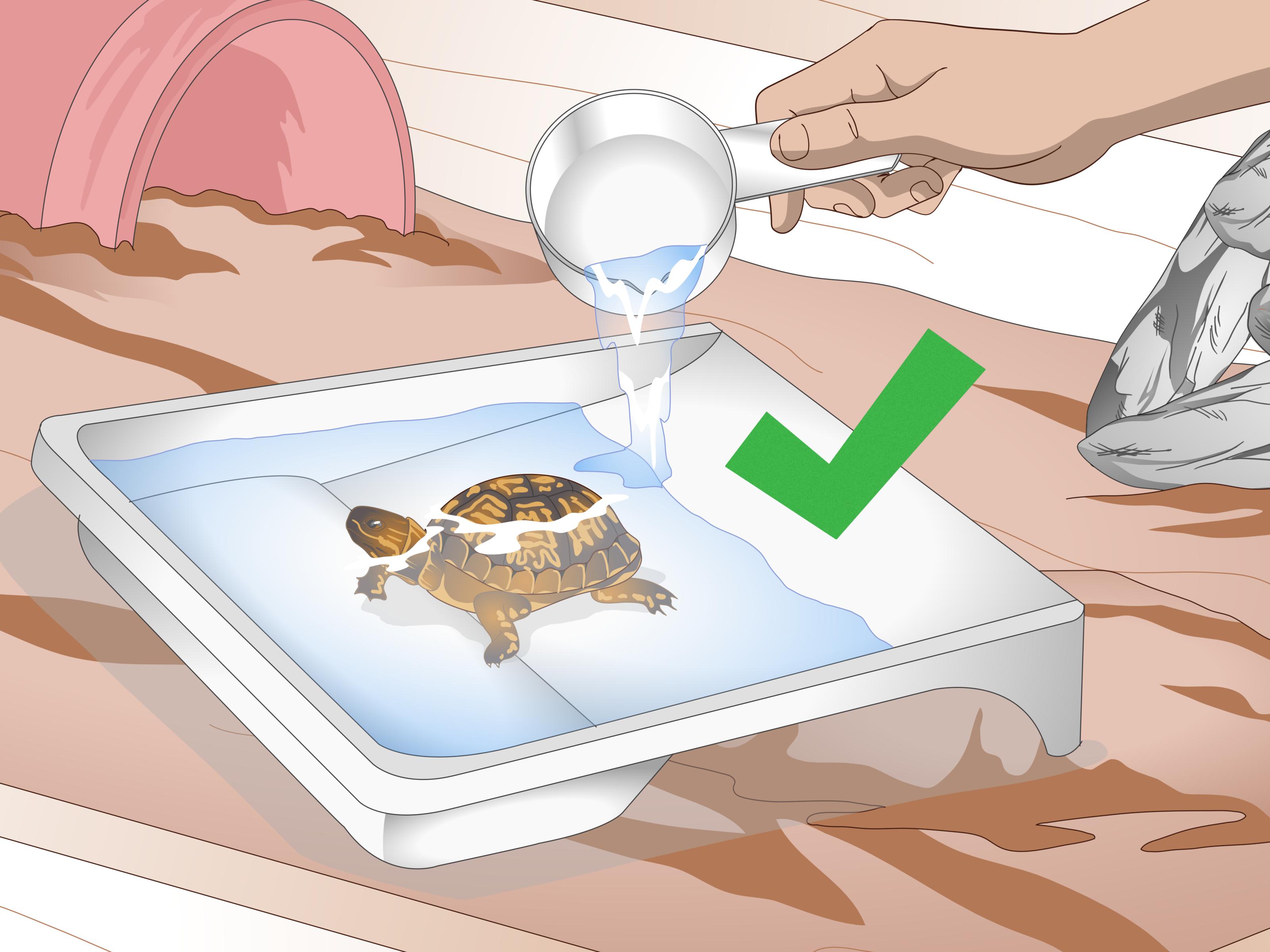
Every indoor box turtle habitat needs a shallow water dish large enough for the turtle to climb into and soak. Box turtles drink from water dishes, soak to hydrate, and often use the water as a bathroom. This is rude but biologically normal.
The dish should be shallow enough for easy entry and exit. A paint tray, plant saucer, or low reptile water pan can work well. The water should not be deep enough to create a drowning risk, especially for weak, young, or sick turtles. Clean the dish daily, and more often if your turtle treats it like a personal restroom with room service.
Provide Hides, Plants, and Enrichment
Box turtles need privacy. A habitat without hides can leave them stressed and exposed. Provide at least two hiding areas: one on the warm side and one on the cool side. Cork bark, half logs, untreated wooden hides, overturned plant pots with entrances, and commercial reptile caves can all work.
Live or artificial plants can make the enclosure feel safer, but choose carefully. Any live plants must be non-toxic and grown without pesticides or fertilizers. Pothos is often used in reptile habitats, but research every plant before adding it. Leaf litter is excellent enrichment because turtles can nose through it, hide under it, and hunt for small feeder insects.
Natural Behavior Matters
A good indoor box turtle enclosure encourages walking, digging, soaking, hiding, basking, and foraging. Add flat rocks under the basking area to create gentle warmth, but make sure they cannot shift or crush the turtle. Add logs and safe branches for visual barriers. Scatter food occasionally instead of always serving it in one dish. Your turtle’s brain may be small, but it still appreciates not living in an empty plastic box.
Set Up a Feeding Area
Box turtles are omnivores, and their diet changes with age, species, season, and individual health. Many young box turtles eat more animal protein, while adults often eat a mix of vegetables, leafy greens, fruits in moderation, and insects or other appropriate protein sources.
Because this article focuses on habitat, the main feeding tip is simple: create a clean feeding area. Use a shallow dish, flat tile, or slate slab to keep food out of the substrate. This helps reduce accidental ingestion of bedding and makes cleanup easier. Uneaten food should be removed the same day to prevent flies, mold, and smells that make your living room feel like a swamp café.
Calcium and vitamin supplementation should be based on species, diet, UVB quality, and veterinary advice. Do not guess wildly with supplements. Too little can cause problems; too much can also be harmful.
Keep the Habitat Clean
Cleaning is not glamorous, but it is one of the most important parts of indoor box turtle care. Spot-clean feces, leftover food, and dirty substrate daily. Rinse and refill the water dish every day. Replace wet or spoiled bedding as needed, and do deeper substrate changes on a schedule based on enclosure size, turtle habits, and odor.
Use reptile-safe disinfectants when cleaning hard surfaces, and rinse thoroughly if required by the product instructions. Do not clean turtle dishes in the kitchen sink if avoidable. Reptiles can carry Salmonella even when they appear healthy, so wash hands after touching the turtle, the water dish, substrate, tools, or anything inside the enclosure.
Monitor Health Through Habitat Clues
Your turtle’s behavior can tell you a lot about whether the habitat is working. A healthy box turtle should have access to warm and cool zones, soak regularly, explore, respond to food, and use hides. Some hiding and burrowing is normal, especially during adjustment periods. Constant lethargy, swollen eyes, wheezing, open-mouth breathing, refusal to eat for extended periods, shell softness, or unusual discharge should prompt a visit to a reptile veterinarian.
Keep a simple habitat log. Record temperatures, humidity, feeding, shedding, weight, and behavior. This may sound overly organized, but it helps you notice patterns before they become emergencies. Also, veterinarians love actual data more than “I think the warm side is probably fine.”
Common Indoor Box Turtle Habitat Mistakes
Using an Enclosure That Is Too Small
A cramped habitat leads to stress, poor exercise, and limited temperature choices. Bigger floor space is one of the best upgrades you can make.
Skipping UVB Lighting
A sunny window is not a substitute for UVB because glass blocks most UVB rays. Indoor turtles need proper reptile UVB lighting or safe outdoor exposure when climate and supervision allow.
Letting the Habitat Dry Out
Dry substrate and low humidity can cause discomfort, poor shedding, and health issues. Moist hides and humidity monitoring are essential.
Making the Enclosure Too Wet
Constantly soggy bedding can encourage mold and bacteria. Moisture should exist alongside ventilation and dry surface areas.
Decorating Before Planning
Pretty accessories do not matter if temperatures, UVB, substrate, and humidity are wrong. Build the environment first; decorate after the basics work.
Indoor Box Turtle Habitat Checklist
- Large floor-based enclosure with escape-resistant walls
- Warm basking zone around 85 to 90 degrees Fahrenheit
- Cool side around 70 to 75 degrees Fahrenheit
- Linear UVB lighting placed at the correct distance
- Deep, moist, burrowable substrate
- Digital thermometers and hygrometer
- Shallow soaking water dish cleaned daily
- At least two hides, including a humid hide
- Leaf litter, safe plants, logs, and visual barriers
- Clean feeding surface
- Daily spot cleaning and safe hygiene habits
- Access to an experienced reptile veterinarian
Real-World Experience: What Actually Makes an Indoor Box Turtle Habitat Work
One of the most useful lessons from experienced box turtle keepers is that the enclosure is never truly “finished.” It becomes a living system that needs observation and adjustment. You may set everything up perfectly on Sunday, only to discover by Wednesday that the basking area is two degrees too warm, the moss dries out too quickly, or your turtle has chosen to sleep under the water dish because apparently the expensive hide was not emotionally compelling.
A practical indoor habitat often improves through small changes. For example, many new keepers start with substrate that is too shallow. The enclosure looks clean, but the turtle cannot burrow properly. Once the substrate is deepened to several inches and mixed with leaf litter, the turtle begins exploring more naturally. Burrowing is not a problem to fix; it is a behavior to support.
Another common experience is humidity frustration. The hygrometer may read 45 percent even after misting. In that case, the solution is usually not to spray the surface every ten minutes. Better fixes include using a deeper substrate layer, mixing moisture into the lower bedding, covering part of the enclosure top while preserving ventilation, adding damp moss to hides, and using a larger water dish. Humidity should come from the habitat design, not from panic-misting like a nervous plant parent.
Lighting also teaches patience. A heat lamp that works in winter may make the enclosure too hot in summer. A bulb mounted above mesh may provide less UVB than expected. A basking stone may warm nicely, while the surrounding soil stays cool. This is why measuring at turtle level matters. Your thermostat on the wall tells you how comfortable the room is for humans. It does not tell you what your turtle feels two inches above the substrate under a lamp.
Many keepers also learn that box turtles appreciate clutter. Not dirty clutter, but natural cover: cork bark, leaves, plants, curved hides, and visual barriers. A wide-open enclosure may look neat to us, but to a turtle it can feel exposed. Once you add cover, the turtle may become more confident because it can move without feeling like it is crossing a football field during halftime.
Feeding routines become easier when the habitat includes a dedicated feeding tile or dish. Without it, worms, berries, greens, and bits of squash disappear into the substrate like they joined a witness protection program. A flat stone or tile keeps food cleaner and helps naturally wear the beak slightly as the turtle bites.
Finally, the best indoor habitats are built around consistency. Lights should follow a regular day-night cycle. Water should be fresh. Temperatures and humidity should be checked often. The turtle should have privacy and should not be handled constantly. A box turtle is not a puppy in a helmet. It is a long-lived reptile that thrives when its environment is stable, spacious, humid, warm, and thoughtfully arranged.
Conclusion
Creating an indoor box turtle habitat is not about buying the fanciest enclosure or copying a random photo online. It is about understanding what a box turtle needs to stay healthy: space to roam, substrate to dig, humidity to hydrate, UVB to support calcium metabolism, heat to digest food, shade to cool down, water to soak, and hides to feel secure.
When you get those fundamentals right, the habitat becomes more than a container. It becomes a miniature ecosystem where your turtle can act like itself. And that is the whole point. A good indoor box turtle enclosure does not turn a turtle into a display object; it gives a shy, ancient little creature the comfort and control it needs to live well.
Note: This article is for educational purposes only. Always confirm species-specific care, health concerns, and local ownership laws with a qualified reptile veterinarian or wildlife authority.