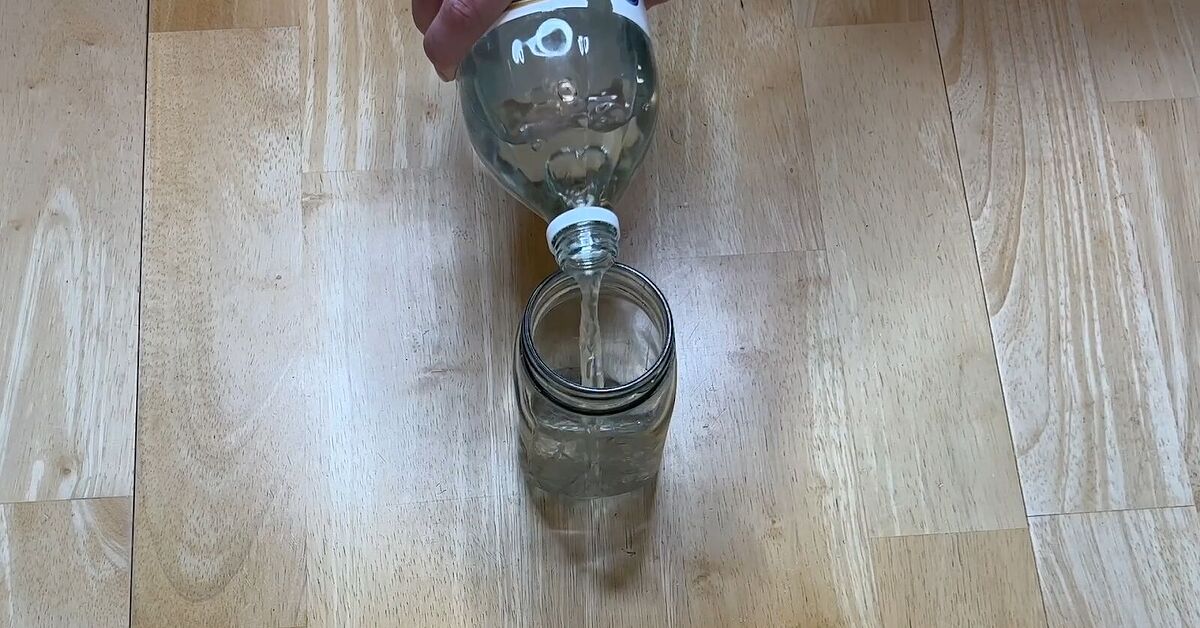
Distilled white vinegar is the quiet overachiever of the cleaning cabinet. It does not arrive in a glittery bottle, it does not promise “mountain waterfall moonbeam freshness,” and it will not make your kitchen smell like a luxury spa. What it does offer is much more practical: affordable acidity that helps dissolve mineral buildup, cut through light grease, loosen soap scum, and freshen certain washable surfaces without turning your home into a chemistry lab.
The magic comes from acetic acid, the naturally sharp compound that gives vinegar its sour smell and cleaning power. Most household distilled white vinegar contains about 5% acidity, while cleaning vinegar is often a little stronger, commonly around 6%. That small difference matters, but for most everyday home cleaning tasks, regular distilled white vinegar is the budget-friendly champion.
Still, vinegar is not a miracle potion. It is not a registered disinfectant, it should never be mixed with bleach, and it can damage natural stone, waxed wood, cast iron, some rubber parts, and electronic screens. Used wisely, though, it can help you clean smarter, spend less, and avoid buying a separate bottle for every smudge that has the audacity to exist.
This guide focuses on the three best uses for distilled white vinegar: removing hard water stains and soap scum, freshening glass and kitchen surfaces, and improving laundry freshness when used carefully. Think of it as vinegar’s greatest hits albumminus the sticky kitchen floor remix.
Why Distilled White Vinegar Works as a Cleaner
Distilled white vinegar is acidic, which makes it especially useful against alkaline messes. Hard water minerals, limescale, soap residue, and some odor-causing buildup respond well to mild acids. When vinegar sits on these deposits for a few minutes, it helps break them down so you can wipe or scrub them away more easily.
Another advantage is simplicity. Distilled white vinegar is clear, inexpensive, widely available, and less likely to stain than darker vinegars such as apple cider vinegar or balsamic vinegar. Please do not clean your bathroom with balsamic vinegar unless your goal is to season the sink.
Cleaning Vinegar vs. Distilled White Vinegar
Distilled white vinegar is usually the best choice for household cleaning because it is gentle enough for many routine tasks and does not contain coloring. Cleaning vinegar is stronger and may work faster on stubborn grime, but it should be diluted and used with more caution. If a recipe calls for distilled white vinegar, do not automatically substitute a high-acidity cleaning vinegar without checking the surface first.
Important Safety Rules Before You Start
Before using vinegar, remember the golden rule: never mix vinegar with bleach. Vinegar is an acid, and combining acidic cleaners with chlorine bleach can release dangerous chlorine gas. You should also avoid mixing vinegar with hydrogen peroxide in the same bottle, because the combination can form peracetic acid, which may irritate skin, eyes, and lungs.
Also, vinegar is a cleaner, not a guaranteed disinfectant. It may reduce some germs, but it does not replace EPA-registered disinfectants when you need to kill illness-causing pathogens. For raw meat juices, bathroom accidents, flu cleanup, or pet messes, clean first with soap and water, then use the correct disinfectant according to the label.
Use #1: Remove Hard Water Stains, Limescale, and Soap Scum
If vinegar had a favorite enemy, it would be hard water. Hard water contains minerals such as calcium and magnesium. Over time, those minerals cling to faucets, shower doors, sinks, and fixtures, creating cloudy spots, chalky buildup, and crusty rings that make your bathroom look like it lost a fight with a mineral deposit.
Distilled white vinegar helps dissolve these deposits, making it one of the best natural cleaners for hard water stains. It is especially useful on glass shower doors, chrome fixtures, stainless steel sink areas, and ceramic surfaces that can safely tolerate mild acidity.
Best Vinegar Spray for Bathroom Buildup
For everyday bathroom cleaning, mix equal parts distilled white vinegar and warm water in a spray bottle. Spray the solution on glass shower doors, faucets, sink rims, or ceramic tile. Let it sit for 5 to 15 minutes, then wipe with a microfiber cloth or scrub gently with a soft sponge. Rinse thoroughly and dry the surface to prevent new spots from forming.
For soap scum, add a small squirt of mild dish soap to the vinegar-water mixture. The vinegar helps loosen mineral residue, while the dish soap helps lift body oils and grime. This combination works well on shower glass and tubs, but it should not be used on natural stone.
How to Clean a Showerhead with Vinegar
A clogged showerhead is often caused by mineral buildup inside the spray holes. To clean it, fill a plastic bag with distilled white vinegar, place it over the showerhead, and secure it with a rubber band. Let it soak for 30 minutes to a few hours, depending on the buildup. Remove the bag, scrub the nozzles gently with an old toothbrush, then run hot water through the showerhead.
If your showerhead is made of delicate metal, has a specialty finish, or comes with manufacturer warnings, do not soak it for too long. Vinegar is helpful, but it is still acid. Even helpful things can become annoying when they overstay their welcome.
Where Not to Use Vinegar in the Bathroom
Do not use vinegar on marble, granite, limestone, travertine, slate, or other natural stone. The acid can etch the surface and dull the finish. Avoid frequent vinegar use on damaged grout, too, because acid may weaken unsealed or deteriorating grout over time. For stone and delicate surfaces, choose a pH-neutral cleaner instead.
Use #2: Clean Glass, Stainless Steel, and Everyday Kitchen Grime
Distilled white vinegar is excellent for certain kitchen cleaning jobs because it cuts through light grease, removes water spots, and leaves glass looking clear when used correctly. It is not the answer to every kitchen mess, but it is a dependable tool for the daily film that appears on surfaces as if invited by the dust committee.
How to Clean Windows and Mirrors with Vinegar
For windows and mirrors, mix one part distilled white vinegar with one part water. Spray lightly onto the glass or, better yet, onto a microfiber cloth. Wipe from top to bottom, then buff with a dry microfiber cloth. Avoid oversaturating the surface, especially around wooden frames or mirror backing.
For a streak-free finish, do not clean glass in direct sunlight. Heat makes the solution dry too quickly, leaving streaks behind. Vinegar is good, but it cannot fight the sun and win every time.
How to Use Vinegar on Stainless Steel
Stainless steel appliances often collect fingerprints, smudges, and water spots. To clean them, spray a diluted vinegar solution onto a cloth and wipe with the grain of the metal. Follow with a damp cloth, then dry immediately. This helps prevent streaks and residue.
For extra shine, some people follow with a tiny amount of mineral oil or stainless steel polish, but that step is optional. The key is using a soft cloth and avoiding abrasive pads, which can scratch the finish.
Freshen the Microwave with Steam and Vinegar
To loosen stuck-on microwave splatters, combine one cup of water with two tablespoons of distilled white vinegar in a microwave-safe bowl. Heat it until steamy, then let it sit with the door closed for a few minutes. Carefully remove the bowl and wipe the interior with a soft cloth.
The steam softens dried food, while vinegar helps reduce odors. It is one of the easiest ways to clean a microwave after soup decides to express itself all over the ceiling.
Vinegar for Cutting Board and Countertop Freshening
Vinegar can help freshen some nonporous kitchen surfaces, but it should not be treated as a full disinfectant for food safety. On laminate, sealed tile, and some solid-surface countertops, a diluted vinegar solution may help remove odors and light grime. However, always check the manufacturer’s care guide first.
Do not use vinegar on natural stone countertops such as granite or marble. Also avoid using it on waxed surfaces, unsealed wood, aluminum cookware, cast iron pans, and electronic screens. When in doubt, test a small hidden area first.
Use #3: Freshen Laundry and Fight Musty Odors Carefully
Distilled white vinegar has long been used as a laundry helper because it can reduce musty smells, help rinse away detergent residue, and make towels feel fresher. It is especially useful when clothes smell sour from being left in the washer too long. We have all done it. The washer beeped, life happened, and now the towels smell like a damp cave with trust issues.
How to Use Vinegar for Musty Towels
To freshen towels, run a wash cycle with hot water and about half a cup to one cup of distilled white vinegar, depending on the load size. Do not add detergent during this first cycle if the towels have heavy detergent buildup. Afterward, wash again with a normal amount of detergent. Dry completely before folding.
This method can help remove residues that trap odors. It is especially helpful for towels that feel stiff, smell musty, or seem less absorbent than they used to be.
Use Vinegar Occasionally, Not Constantly
Vinegar should not become an every-load laundry habit. Repeated use may affect rubber seals, hoses, and elastic fabrics over time, especially in some high-efficiency machines. For occasional odor control, it can be useful. For routine fabric softening or machine maintenance, choose products designed for your washer and follow your appliance manual.
Never Mix Vinegar with Bleach in Laundry
This rule deserves its own spotlight: do not combine vinegar and chlorine bleach. If you use bleach in a load, skip vinegar entirely. If you use vinegar, do not add bleach. Laundry should smell clean, not like an emergency evacuation drill.
Smart Vinegar Cleaning Recipes
All-Purpose Vinegar Spray for Safe Surfaces
Mix one cup distilled white vinegar with one cup water. Use it on glass, some sealed surfaces, faucets, and ceramic areas that tolerate mild acid. Spray, wait a few minutes, wipe, rinse if needed, and dry.
Soap Scum Spray
Mix one cup distilled white vinegar, one cup warm water, and one teaspoon mild dish soap. Spray on shower glass or tubs, let sit for 10 to 15 minutes, scrub gently, rinse well, and dry.
Microwave Steam Cleaner
Mix one cup water with two tablespoons distilled white vinegar in a microwave-safe bowl. Heat until steaming, let stand for several minutes, then wipe the microwave interior clean.
Laundry Freshening Rinse
Use half a cup of distilled white vinegar occasionally for towels or musty laundry. Add it during the rinse cycle if your washer manual allows it, or run a separate vinegar wash for odor-heavy towels. Avoid frequent use if your appliance manufacturer advises against it.
Surfaces You Should Never Clean with Vinegar
Vinegar is useful, but it is not universal. Avoid using it on natural stone, including marble, granite, limestone, slate, and travertine. The acid can etch or dull these surfaces. Do not use it on cast iron because it can damage seasoning and encourage rust. Avoid unsealed wood, waxed furniture, and hardwood floors unless the manufacturer specifically approves diluted vinegar cleaning.
Skip vinegar on electronic screens, phone displays, TV screens, and computer monitors. It can damage protective coatings. Avoid using vinegar inside appliances unless the manual allows it. Dishwashers, washing machines, coffee makers, and humidifiers often have rubber, plastic, or metal parts that may react poorly to frequent acid exposure.
Finally, vinegar is not the best choice for egg spills. Acid can make egg proteins coagulate, turning a simple spill into a rubbery little cleaning prank. Use cool water and dish soap instead.
Experience-Based Tips: Cleaning Smarter with Distilled White Vinegar
The smartest way to use distilled white vinegar is to treat it like a specialist, not a superhero. In real homes, the best cleaning results usually come from matching the product to the mess. Vinegar shines when the mess is mineral-based, mildly greasy, or odor-related. It struggles when the mess requires sanitizing, heavy degreasing, or surface-safe polishing. Once you understand that difference, cleaning becomes faster and less frustrating.
One of the most useful habits is keeping a labeled vinegar spray bottle under the sink. A simple half-vinegar, half-water mixture is enough for quick faucet touch-ups, cloudy shower glass, and light sink residue. Labeling matters because homemade cleaners can look alike. Nobody wants to accidentally spray vinegar where they meant to use plain water, especially on stone or wood.
Another experience-based trick is letting vinegar sit before scrubbing. Many people spray and immediately wipe, then decide vinegar does not work. But acid needs contact time to soften minerals. For hard water stains, wait at least 10 minutes before scrubbing. For stubborn faucet crust, wrap the area with a vinegar-soaked paper towel and let it rest. The paper towel keeps the vinegar against the deposit instead of letting it slide into the sink like a lazy river.
Drying surfaces after vinegar cleaning is just as important as spraying them. Hard water spots return when water droplets evaporate and leave minerals behind. After cleaning shower doors, faucets, or stainless steel, wipe the surface dry with a clean microfiber cloth. This tiny step prevents future buildup and makes the whole job feel more professional, even if you are cleaning in slippers while negotiating with a stubborn shower curtain.
For laundry, vinegar works best as an occasional reset. If towels smell musty, run a vinegar cycle, then a detergent cycle. But if every load smells bad, the real problem may be washer maintenance, excess detergent, overloaded cycles, or wet laundry sitting too long. Vinegar can help, but it cannot rescue a washer that never gets ventilated. Leave the washer door open after use, wipe the gasket, clean the detergent drawer, and run maintenance cycles according to the manual.
In the kitchen, vinegar is excellent for quick odor control in the microwave or for wiping water spots from stainless steel. However, greasy stovetops often need dish soap first. Soap breaks down oils better than vinegar alone. A smart routine is to wash greasy areas with dish soap, rinse, then use diluted vinegar only if mineral spots or odors remain. This two-step approach avoids the common mistake of asking one cleaner to do every job.
The biggest lesson is restraint. More vinegar is not always better. Stronger mixtures can increase the risk of surface damage without improving results much. Start diluted, test hidden areas, and increase strength only when the surface can handle it. Cleaning smarter is not about using the harshest option. It is about using the right method with the least drama.
Distilled white vinegar deserves a place in almost every cleaning kit because it is inexpensive, versatile, and surprisingly effective. But the true secret is knowing when to reach for itand when to leave it on the shelf. That is the difference between smart cleaning and accidentally giving your marble countertop a permanent bad haircut.
Conclusion
Distilled white vinegar is one of the most practical cleaning tools you can keep at home. It helps dissolve hard water stains, loosen soap scum, freshen glass, reduce microwave odors, and revive musty towels when used carefully. It is affordable, easy to find, and simple to mix with water for everyday cleaning tasks.
But vinegar works best when you respect its limits. It is acidic, so it can damage stone, wood finishes, cast iron, electronics, and some appliance parts. It is also not a replacement for proper disinfectants. Use it for mineral buildup, light grime, and odor controlnot for every mess on the planet.
Clean smarter by choosing the right surface, using the right dilution, giving vinegar enough time to work, and drying surfaces afterward. Your home will look fresher, your cleaning routine will feel easier, and your cabinet may finally stop looking like a crowded conference for half-used spray bottles.
Note: This article is intended for general home-cleaning guidance. Always check manufacturer care instructions before using vinegar on appliances, specialty finishes, stone, wood, or delicate materials.