A leather couch is the grown-up version of a trusty pair of jeans: it looks better with age, handles everyday life surprisingly well, and somehow becomes everyone’s favorite spot in the house. But unlike jeans, you cannot toss it into the washing machine and hope for the best. Leather is durable, yes, but it is also skintreated, finished, and beautiful skinwhich means it needs gentle cleaning, smart conditioning, and a little respect.
The good news? Learning how to clean a leather couch is not complicated. You do not need a chemistry degree, a garage full of mystery sprays, or a dramatic “before and after” soundtrack. Most leather furniture care comes down to three simple ideas: remove dust regularly, clean spills quickly, and condition the leather only when it needs moisture. Do that, and your sofa can stay soft, rich-looking, and ready for movie night, snack attacks, and the occasional pet who believes the couch was purchased specifically for them.
This guide walks through the best way to clean leather furniture, how to condition a leather couch, what products to avoid, and how to handle common stains without turning a small problem into a furniture emergency.
Before You Clean: Know What Kind of Leather You Have
Not all leather couches are created equal. Some are finished with a protective coating, while others are more natural and absorbent. Cleaning the wrong type the wrong way is like using shampoo as salad dressing: technically a liquid, absolutely not the right choice.
Finished or Protected Leather
Most household leather sofas are made with finished, protected, or pigmented leather. This type has a surface coating that helps resist spills and stains. If a drop of water sits on the surface for a moment before soaking in, you likely have protected leather. This is the easiest type to maintain and usually responds well to gentle dusting, light damp wiping, and leather-safe conditioners.
Aniline and Semi-Aniline Leather
Aniline leather is softer, more natural-looking, and more vulnerable to stains. It may darken quickly when water touches it. Semi-aniline leather has a light protective finish but still needs careful handling. These leathers are gorgeous, but they are also the divas of the furniture world. Treat them gently, avoid DIY experiments, and call a professional for major stains.
Suede, Nubuck, and Faux Leather
Suede and nubuck are not cleaned like smooth leather. They need special brushes and dry-cleaning methods. Faux leather, bonded leather, and vegan leather also require different care because they do not absorb conditioner the same way real leather does. Always check the manufacturer’s tag or care guide before applying any product.
What You Need to Clean a Leather Couch
For routine leather couch cleaning, keep your supplies simple. Leather does not enjoy being attacked by fifty products with labels promising “maximum power.” Maximum power is for pressure washers and superhero movies, not your sofa.
Basic Supplies
- Soft microfiber cloths
- Vacuum with a brush or upholstery attachment
- Distilled water
- Mild soap or a leather-safe cleaner
- Leather conditioner made for furniture
- Cotton swabs for small marks
- A dry white cloth for testing color transfer
Use white or light-colored cloths when possible. Brightly dyed rags can transfer color to leather, which is a plot twist nobody asked for.
Step-by-Step: How to Clean a Leather Couch
Step 1: Vacuum the Couch Gently
Start by removing loose dust, crumbs, pet hair, and whatever mysterious snack particles are hiding between the cushions. Use a vacuum with a soft brush attachment and work slowly along seams, cushion edges, and creases. Dirt left in the grain of leather can act like fine sandpaper over time, dulling the surface and causing wear.
Step 2: Dust With a Dry Microfiber Cloth
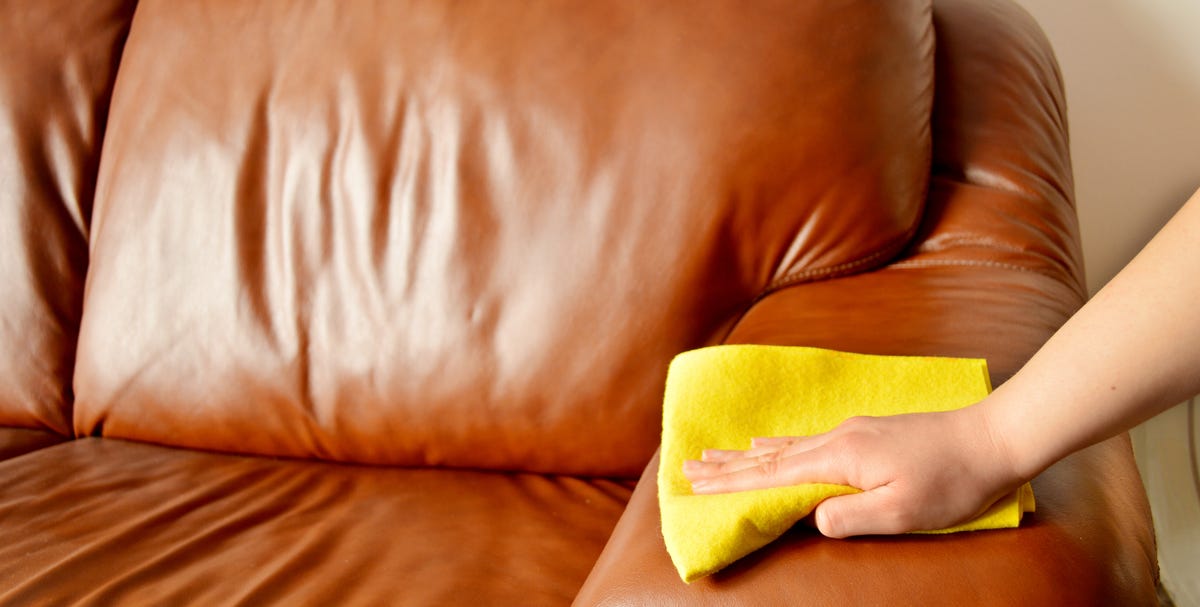
After vacuuming, wipe the entire couch with a dry microfiber cloth. This removes fine dust the vacuum may miss and gives you a chance to inspect the leather for stains, scratches, dry patches, or sticky spots.
Step 3: Test Before Cleaning
Before using water, soap, or any leather cleaner, test it in a hidden area. Choose a spot behind a cushion or near the back of the sofa. Apply a tiny amount, wait until it dries, and check for darkening, fading, stiffness, or color transfer. If anything looks suspicious, stop. Your couch has spoken.
Step 4: Wipe With a Lightly Damp Cloth
For general cleaning, dampen a microfiber cloth with distilled water and wring it out well. The cloth should be slightly damp, not dripping. Wipe the leather in small sections using gentle circular motions. Avoid soaking the surface. Too much water can leave marks, dry unevenly, or seep into seams.
Step 5: Use Mild Soap Only When Needed
If plain water is not enough, mix a small amount of mild soap with distilled water. Dip a cloth into the solution, wring it almost dry, and wipe the dirty area gently. Follow with a separate cloth dampened only with clean distilled water to remove soap residue. Then dry the area immediately with a soft towel.
Step 6: Let the Leather Air-Dry
Allow the couch to dry naturally. Do not use a hair dryer, space heater, or direct sunlight to speed things up. Heat can dry out leather and may cause cracking or stiffness. Open a window or turn on a fan nearby if you want better airflow, but keep direct heat away.
How to Condition a Leather Couch
Cleaning removes dirt. Conditioning helps restore flexibility and moisture. Think of leather conditioner as lotion for your couch, except your couch will not complain about the scent or ask whether it is “non-greasy.”
When Should You Condition Leather Furniture?
Most leather couches benefit from conditioning every six to twelve months. Homes in dry climates, rooms with strong sunlight, or furniture near heating vents may need conditioning more often. A couch that feels dry, looks dull, or shows fine surface cracks may be asking for moisture.
However, more conditioner is not always better. Over-conditioning can leave leather sticky, attract dirt, or darken the finish. Use a light hand. Leather should feel supple, not like it has been dipped in salad oil.
How to Apply Leather Conditioner
- Clean the couch first and let it dry completely.
- Test the conditioner in a hidden area.
- Apply a small amount to a soft cloth, not directly onto the couch.
- Rub it into the leather in thin, even layers.
- Let it absorb according to the product directions.
- Buff away excess with a clean, dry cloth.
Choose a leather conditioner designed for furniture upholstery. Some products made for shoes, saddles, or car interiors may be too heavy, glossy, or greasy for a living room couch.
How to Remove Common Stains From a Leather Couch
Water Spots
For a fresh water spot, blot immediately with a dry cloth. If a ring remains, lightly dampen a microfiber cloth with distilled water and wipe from the center of the mark outward, feathering the moisture into the surrounding area. Dry with a clean cloth. Avoid scrubbing, which can make the spot more noticeable.
Grease or Oil Stains
Blot the grease with a dry cloth. Do not add water right away, because oil and water are not exactly best friends. Sprinkle a small amount of cornstarch or baking soda over the stain and let it sit for several hours to absorb the oil. Gently brush or vacuum it away. If the stain remains, contact a leather cleaning professional.
Ink Marks
Ink is tricky. On finished leather, some people carefully dab a tiny amount of rubbing alcohol with a cotton swab, but this can remove color or damage the finish if used carelessly. Always test first. Dab, never rub. If the ink is large, old, or on expensive leather, call a professional before the situation becomes a modern art installation.
Food and Sticky Spills
Remove solid bits with a spoon or dull edge, then blot with a clean cloth. Wipe the area with a barely damp cloth and mild soap solution if needed. Follow with a clean damp cloth, dry thoroughly, and condition later if the leather feels dry.
Pet Messes
Blot immediately and avoid saturating the leather. Use a leather-safe cleaner made for odor control if needed. Pet urine and deep odors can penetrate seams and cushions, so professional cleaning may be necessary. Also, consider a washable throw blanket in your pet’s favorite spot. It is cheaper than therapyfor you and the sofa.
What Not to Use on Leather Furniture
The fastest way to ruin a leather couch is to treat it like a kitchen counter. Leather needs gentle products and minimal moisture. Avoid harsh household cleaners, abrasive tools, and random internet “hacks” that sound too easy to be safe.
Avoid These Products
- Bleach
- Ammonia-based cleaners
- Hydrogen peroxide
- Window cleaner
- Undiluted vinegar
- All-purpose cleaners
- Furniture polish made for wood
- Olive oil or cooking oils
- Magic erasers or abrasive pads
- Steam cleaners
Steam cleaning is especially risky for leather because heat and moisture can cause shrinking, warping, discoloration, or cracking. Save the steam for fabric that allows it, vegetables, and dramatic entrances.
Daily and Weekly Leather Couch Care
Dust Weekly
A quick weekly wipe with a microfiber cloth prevents dust from building up in the leather grain. This small habit makes deep cleaning easier and helps preserve the finish.
Vacuum Crevices Monthly
Use a soft attachment to clean seams, cushion gaps, and corners. If you have pets or children, monthly may become weekly. That is not a failure; that is simply life with snacks and fur.
Keep Leather Away From Heat and Sunlight
Direct sunlight can fade leather, and heat vents can dry it out. Place your leather couch away from sunny windows, radiators, fireplaces, and HVAC vents when possible. If the layout of your room says, “Absolutely not,” use curtains, blinds, or throws to reduce exposure.
Blot Spills Immediately
The golden rule of leather furniture cleaning is simple: blot, do not rub. Rubbing can spread stains and push liquid deeper into the leather. Blotting lifts the mess while keeping damage to a minimum.
How Often Should You Deep Clean Leather Furniture?
For most homes, a leather couch should be lightly cleaned every month and deep cleaned every six to twelve months. If the couch gets heavy use, sits in a busy family room, or hosts pets, popcorn, toddlers, or sports fans, clean it more often. A formal living room sofa that mostly holds decorative pillows and good intentions may need less frequent attention.
Conditioning should usually happen after a deeper clean, not every time you wipe the couch. Too much conditioner can be just as troublesome as too little. The goal is balanced care: clean enough to remove grime, conditioned enough to stay flexible, and left alone enough to age naturally.
Best Way to Clean White or Light-Colored Leather
White leather looks elegant, bright, and slightly fearless. It also shows denim dye, ink, pet marks, and everyday grime faster than darker leather. For light-colored leather furniture, clean small marks quickly and use white cloths only. Dark cloths may transfer dye, especially when damp.
Be careful with jeans, throw pillows, blankets, and newspapers. Dye transfer can be difficult to remove once it settles into leather. If you notice blue or gray discoloration from denim, try a leather-safe cleaner designed for dye transfer and test carefully. If the mark does not lift easily, call a professional before making it worse.
When to Call a Professional Leather Cleaner
DIY cleaning is great for dust, mild grime, and small fresh spills. Professional help is smarter for unfinished leather, suede, nubuck, large ink stains, deep grease marks, mold, pet urine, severe fading, cracking, or expensive designer furniture. Professionals have leather-specific cleaners, color repair tools, and experience with different finishes.
Calling a pro may feel dramatic, but it is often cheaper than replacing a couch or explaining to your family why the sofa now has a suspiciously shiny patch shaped like panic.
Common Mistakes That Make Leather Couches Look Worse
Using Too Much Water
Leather can tolerate light moisture, but soaking is a problem. Always wring cloths thoroughly and dry the couch after wiping.
Skipping the Patch Test
Patch testing feels boring until it saves your couch. Always test cleaners and conditioners in a hidden area first.
Scrubbing Stains Aggressively
Scrubbing can damage the finish and spread stains. Use gentle blotting and light circular motions instead.
Conditioning Dirty Leather
Conditioner should go on clean leather. Applying it over dirt can trap grime and create a cloudy or sticky surface.
Using Random Oils
Olive oil, coconut oil, and other kitchen oils may darken leather, turn rancid, or leave a greasy film. Use products made for leather furniture.
Simple Leather Couch Cleaning Schedule
Here is a practical schedule that works for most households:
- Weekly: Dust with a dry microfiber cloth.
- Monthly: Vacuum seams and wipe lightly with a damp cloth if needed.
- Every 6 to 12 months: Deep clean and condition.
- Immediately: Blot spills as soon as they happen.
- As needed: Call a professional for major stains, unfinished leather, or delicate finishes.
of Real-Life Experience: What Actually Works When Cleaning a Leather Couch
The biggest lesson from cleaning leather furniture in real homes is that prevention beats rescue every single time. A leather couch rarely goes from beautiful to tragic overnight. It usually happens slowly: a little dust in the seams, a little body oil on the favorite seat, a little sunlight on one arm, a little snack spill that “we’ll clean later.” Then one day the couch looks tired, and everyone acts shocked, as if the sofa made poor life choices.
In practice, the best leather couch care routine is boringand that is exactly why it works. A dry microfiber cloth once a week can make a surprising difference. It keeps dust from settling into the grain and makes the leather feel smoother. Vacuuming the seams is also more important than people think. Crumbs and grit hide in cushion gaps, and when people sit down, that debris can rub against the leather. It is not dramatic damage at first, but over time it contributes to dullness and wear.
Another real-world tip: keep a small leather care kit in the same room as the couch. Not a giant cleaning bucket, just a few microfiber cloths, a leather-safe cleaner, and a conditioner. When supplies are nearby, spills get handled quickly. When supplies live in a mystery cabinet three rooms away, everyone suddenly becomes an expert in ignoring stains.
For families with kids, pets, or enthusiastic snackers, throws are your friend. A washable blanket on the most-used cushion can prevent body oil, pet hair, and food crumbs from becoming permanent residents. Choose breathable fabric and remove it regularly so moisture is not trapped against the leather. Leather needs airflow, not a full-time blanket burrito.
One mistake that comes up often is using too much conditioner. People see dry leather and assume a thick coat will fix it faster. Usually, it creates a sticky surface that attracts dust. A thin layer, applied evenly and buffed well, works better. If the leather still looks dry after the first application has absorbed, apply a second light layer later. Patience wins.
It also helps to watch where people naturally sit. The “favorite spot” on a couch usually collects the most oils from hands, hair, clothing, and skin. That area may need more frequent light cleaning than the rest of the sofa. Armrests are another trouble zone because they collect hand oils and lotion. A quick wipe every week keeps them from turning darker or shinier than the surrounding leather.
Finally, respect the limits of DIY cleaning. If a stain scares you, stop. That pause can save the couch. Ink, dye transfer, pet urine, and deep grease marks often need professional care. A good rule is this: if the couch was expensive, sentimental, antique, unfinished, or already damaged, do not experiment on it like a science fair project. Clean gently, condition wisely, protect it from heat and sunlight, and your leather furniture will age gracefullylike a charming movie star, not a forgotten wallet in a hot car.
Conclusion
The best way to clean a leather couch is to keep the process gentle, consistent, and leather-specific. Start with dusting and vacuuming, wipe with a barely damp microfiber cloth, use mild soap or a leather cleaner only when needed, and condition every six to twelve months. Avoid harsh chemicals, steam, abrasive pads, and kitchen oils. Most importantly, treat spills quickly and test every product before using it across the entire sofa.
A leather couch is an investment, but it does not need fussy, complicated care. With a simple routine and a little common sense, your leather furniture can stay soft, polished, and comfortable for years. And yes, it will still collect crumbs. That is not a cleaning failure. That is just proof that people actually enjoy sitting on it.
Note: Always follow your furniture manufacturer’s care instructions first. When in doubt, test in a hidden area or contact a professional leather cleaner.