If your glass stove top currently looks like it survived a spaghetti explosion, a grilled-cheese rebellion, and one particularly ambitious pancake morning, take heart: it can shine again. The trick is not brute force. A glass or ceramic cooktop may look tough, but it scratches more easily than most people think, especially when you attack it with the wrong sponge and the confidence of a home-improvement TV host.
The good news is that learning how to clean a glass stove top without scratching it is not complicated. It just requires the right tools, a little patience, and the willingness to stop treating burnt cheese like it insulted your family. In this guide, you’ll learn how to remove grease, cooked-on spills, cloudy residue, and stubborn burnt spots safely, along with the common mistakes that can turn a sleek cooktop into a scratched-up disappointment.
Why Glass Stove Tops Scratch So Easily
Glass stove tops are designed to handle heat, but they are not fans of rough treatment. Scratches usually happen for a few common reasons: using abrasive scrubbers, dragging cookware across the surface, letting burnt-on residue build up, or using the wrong kind of cleaner. Even cookware with rough bottoms can leave marks. In other words, the stove top is not fragile, but it is absolutely judging your choices.
Another issue is friction. When food splatters dry and harden, your pan can glide right over those crusty bits and grind them into the surface. That is why gentle, regular cleaning matters. A clean cooktop is not just pretty. It is also less likely to get scratched the next time dinner gets dramatic.
What You Need to Clean a Glass Stove Top Safely
Before you begin, gather a few stove-top-friendly supplies. You do not need a cart full of specialty products, but you do need to avoid anything harsh.
Best tools and cleaners
- Microfiber cloths
- Soft sponge or non-abrasive cleaning pad
- Dish soap
- White vinegar
- Baking soda
- A cleaner made for glass or ceramic cooktops
- A cooktop scraper or razor scraper designed for glass surfaces
- Warm water
- A soft dry cloth for buffing
What not to use
- Steel wool
- Abrasive scrubbers
- Scouring powders
- Harsh oven cleaners unless your manufacturer specifically says they are safe
- Dirty sponges full of grit
- Knives, spatulas, or random metal tools from the junk drawer
When in doubt, choose the gentlest option first. Your stove top should be cleaned, not exfoliated.
How to Clean a Glass Stove Top Step by Step
Step 1: Make sure the surface is cool
For routine cleaning, always wait until the stove top is fully cool. This protects your hands, prevents cleaner from flashing off too quickly, and reduces streaking. If you are dealing with a sugary spill or melted plastic, that is one of the few times you may need to remove it while the surface is still warm, using extreme care and the right scraper. For ordinary grease and splatter, cool is the rule.
Step 2: Remove loose crumbs and debris
Use a dry microfiber cloth or a soft damp sponge to wipe away crumbs, dust, and loose residue. This step matters more than people think. If you start scrubbing while tiny bits of burnt food are still sitting there, you can drag them across the surface and create scratches.
Step 3: Apply a gentle cleaner
You have two excellent options here. The first is a commercial glass cooktop cleaner, which is great for regular care and polishing. The second is a DIY approach using white vinegar and a little dish soap, or vinegar plus baking soda for heavier messes. Spray or apply the cleaner over the soiled area and let it sit for a few minutes so it can loosen grease and stuck-on residue.
Step 4: Wipe with a non-abrasive pad
Use a soft sponge or non-abrasive cleaning pad to gently work over the surface. No aggressive scrubbing, no shoulder workout, no revenge cleaning. Let the cleaner do the hard part. Wipe in controlled motions and keep the surface damp enough that you are lifting residue rather than grinding it around.
Step 5: Tackle burnt-on messes the smart way
If you still see crusty spots, sprinkle baking soda over the area and lightly spray vinegar on top. Let it foam and loosen the mess. You can also place a warm, damp towel over the area for 10 to 15 minutes. This softens residue beautifully without turning your cooktop into a science experiment gone wrong.
Once the burnt-on mess softens, wipe again with a soft cloth or pad. If it still refuses to leave, it is time for the scraper.
Step 6: Use a scraper correctly
A dedicated glass cooktop scraper can be very effective, but technique matters. Hold the blade at a low angle and gently slide it under the residue. Do not dig. Do not jab. Do not pretend you are carving initials into a tree. Slow, shallow passes are what remove cooked-on grime while protecting the surface.
If your manufacturer allows scraping while the surface is warm, it can help with especially stubborn buildup. Just make sure the surface is warm, not hot, and protect your hands. For many people, scraping on a cool surface is easier to control and still works very well after soaking the residue first.
Step 7: Rinse and buff dry
Once the residue is gone, wipe the cooktop with a clean damp cloth to remove leftover cleaner. Then buff it dry with a fresh microfiber cloth. This final step is what takes it from “clean enough” to “why does my stove top look like it has its life together?”
How to Remove Tough Burn Marks Without Scratching
Burn marks and blackened rings can look permanent, but they are often just layers of cooked-on residue. The safest way to handle them is to soften first, then scrape only if needed.
- Let the stove top cool completely.
- Apply glass cooktop cleaner or a baking soda paste.
- Let it sit for several minutes.
- Cover with a warm damp towel if the stain is stubborn.
- Wipe gently with a non-abrasive pad.
- Use a cooktop scraper at a low angle for any remaining burnt bits.
- Buff dry with microfiber.
If a mark does not come off after careful cleaning, it may be a metal transfer mark from cookware rather than a true scratch. That is actually good news, because many of those marks can be removed with a proper cooktop cleaner.
How to Clean Daily Spills Before They Become a Nightmare
The easiest way to clean a glass stove top is to avoid letting messes become ancient history. A quick wipe after cooking makes a huge difference. Once the surface is cool, use a soft cloth with a little dish soap or cooktop cleaner and remove grease before it hardens. This takes about a minute and saves you from future scraping sessions that feel like archaeology.
Pay special attention to sugary spills like jam, syrup, candy, sweet sauces, or melted marshmallow. These can harden and damage the surface if left too long. They should be removed as soon as safely possible, often while the spill is still warm, using a proper scraper and hand protection.
Common Mistakes That Damage Glass Cooktops
Using rough scrubbers
If the scrubber feels like it could sand a deck, it does not belong on your stove top. Abrasive pads can leave fine scratches that build up over time and make the surface look dull.
Sliding pots and pans
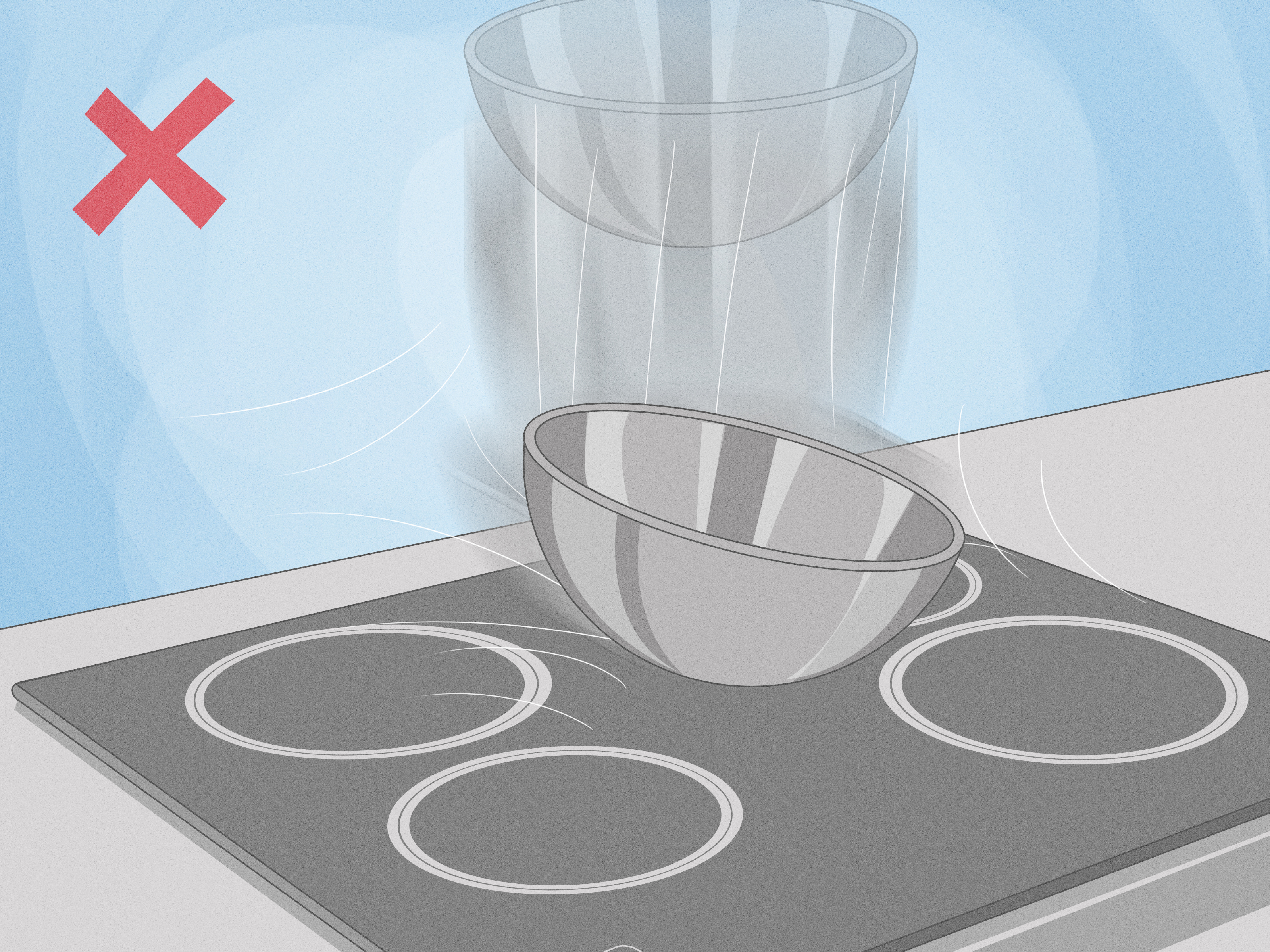
Lift cookware instead of sliding it. Even smooth-looking pans can trap grit underneath or have rough spots on the bottom. Sliding them is one of the fastest ways to leave marks.
Cleaning with a dirty sponge
A sponge that has already fought with baked-on casserole residue may be holding crumbs, grease, and mystery grit. That is basically sandpaper with better branding.
Using the wrong cleaner
Some all-purpose cleaners are fine, but many are not ideal for glass cooktops. Avoid anything harsh, heavily abrasive, or not clearly safe for ceramic or glass cooking surfaces.
Ignoring the bottoms of your pans
The cooktop is not always the villain. Dirty cookware bottoms can transfer grease, burnt food, and mineral deposits right back onto the surface. Clean the pans, too. Teamwork matters.
How to Keep Your Glass Stove Top Shiny Longer
- Wipe spills as soon as the surface is safely cool.
- Use a cooktop cleaner regularly to reduce buildup.
- Buff with a dry microfiber cloth after every deep clean.
- Lift cookware instead of dragging it.
- Check pan bottoms for rough spots, stuck-on food, or grease.
- Avoid storing heavy items above the cooktop where they can fall and crack the glass.
- Never use the stove top as extra counter space for food prep, packages, or tools.
Best Cleaning Methods for Different Levels of Mess
For light daily mess
Use dish soap, warm water, and a microfiber cloth.
For greasy splatter
Use vinegar with a few drops of dish soap, then wipe and dry.
For cloudy residue or streaks
Use a cooktop cleaner or vinegar solution, then buff with a clean dry microfiber cloth.
For burnt-on food
Use baking soda, a warm damp towel, and then a low-angle scraper if needed.
For sticky sugary spills
Remove promptly and carefully with a proper scraper while the spill is still warm enough to lift, following your stove manufacturer’s safety guidance.
Quick FAQ
Can I use Windex on a glass stove top?
Some people do, but a cleaner specifically made for glass or ceramic cooktops is a safer bet for regular care. It is designed to clean without leaving haze or harming the surface.
Can I use baking soda on a glass cooktop?
Yes. Baking soda is commonly used for stuck-on messes, especially when paired with vinegar or water. Just keep the method gentle and do not scrub with abrasive tools.
Can I use a razor blade?
Yes, but only a scraper intended for glass cooktops, used carefully at a low angle. A fresh blade and a patient hand are much safer than improvising with random metal tools.
What causes white spots or rainbow marks?
These can come from mineral deposits, cleaner residue, or metal transfer from cookware. A proper cooktop cleaner often helps remove them.
Final Thoughts
A glass stove top looks sleek, modern, and wonderfully easy to clean right up until chili boils over and hardens into a lava field. Then it becomes a test of character. Thankfully, the safest method is also the smartest one: cool the surface, soften the mess, use gentle cleaners, and bring in the scraper only when necessary.
If you remember just one thing, let it be this: the goal is not to scrub harder. The goal is to clean smarter. With the right routine, your glass stove top can stay glossy, scratch-free, and ready for its next battle with pasta sauce.
Experience and Practical Lessons From Real Kitchen Use
One of the most useful things people learn about a glass stove top is that the worst scratches usually do not happen during cooking. They happen afterward, during cleanup, when someone gets impatient. A lot of homeowners start with good intentions, then see one black burnt ring around a burner and decide the answer is “more force.” That is usually when the trouble begins. In real kitchens, the difference between a shiny stove top and a permanently dull one is often patience, not product.
For example, many people find that a stove top looks far worse than it really is right after a big dinner. There may be sauce splatters, grease dots, and one mysterious crusty patch that appears to have signed a long-term lease. In that moment, it is tempting to scrub everything at once with the nearest sponge. But the better method is to break the job into stages. First, wipe away loose debris. Second, soften the residue. Third, remove what is left gently. That sequence feels slower, but it usually gets the surface cleaner with less effort.
Another common experience is discovering that not every “scratch” is truly a scratch. Sometimes a gray mark comes from metal rubbing off the bottom of a pan. Sometimes a cloudy area is just cleaner residue that was never fully buffed away. Sometimes a black spot that looks permanent turns out to be burnt sugar that needs soaking time. This is why experienced glass cooktop owners often avoid panic. They know the ugly stage is not always the final stage.
People who keep their stove tops looking new also tend to build tiny habits rather than doing giant rescue cleans. They wipe the surface after dinner. They check the bottoms of pans. They lift cookware instead of sliding it. They use microfiber cloths instead of rough pads. None of these habits is dramatic, but together they prevent the buildup that leads to hard scraping later.
There is also a lesson in using less cleaner, not more. Overloading the surface with product can leave haze and streaks, which makes people scrub harder than necessary. In practice, a small amount of the right cleaner and a clean cloth usually works better than flooding the surface. When you finish by buffing it dry, the shine comes back faster and the stove top feels smooth instead of filmy.
Finally, people with the best results usually accept one simple truth: a glass stove top rewards consistency. It does not need harsh treatment. It needs regular, gentle care. Once that clicks, cleaning becomes easier, scratches become less likely, and the whole kitchen looks more polished. Even better, the next time something bubbles over, you will know exactly what to do instead of staring at the mess like it is a personal betrayal.