Boiling plantains may not produce the dramatic sizzle of fryingle: tender, comforting food without an oil-splattered stovetop. Boiled plantains can be savory, subtly sweet, creamy, firm, mashed, sliced, or dressed up with enough garlic to make your kitchen smell like a very successful restaurant.
The basic process is straightforward. Choose plantains at the right stage of ripeness, peel or portion them, simmer them in salted water, and cook until fork-tender. The details matter, though. A hard green plantain behaves more like a potato, while a yellow or black plantain becomes increasingly soft and sweet as its starches convert to sugars.
This guide explains how to boil plantains at every stage of ripeness, how long they take, how to peel them without wrestling the fruit across the kitchen, and how to turn the finished plantains into a satisfying side dish.
What Are Plantains?
Plantains are members of the banana family, but they are generally larger, starchier, less sweet, and covered with a thicker peel. Unlike the familiar dessert banana, plantains are usually cooked before serving. They are used extensively in Caribbean, Latin American, African, and Southeast Asian cuisines.
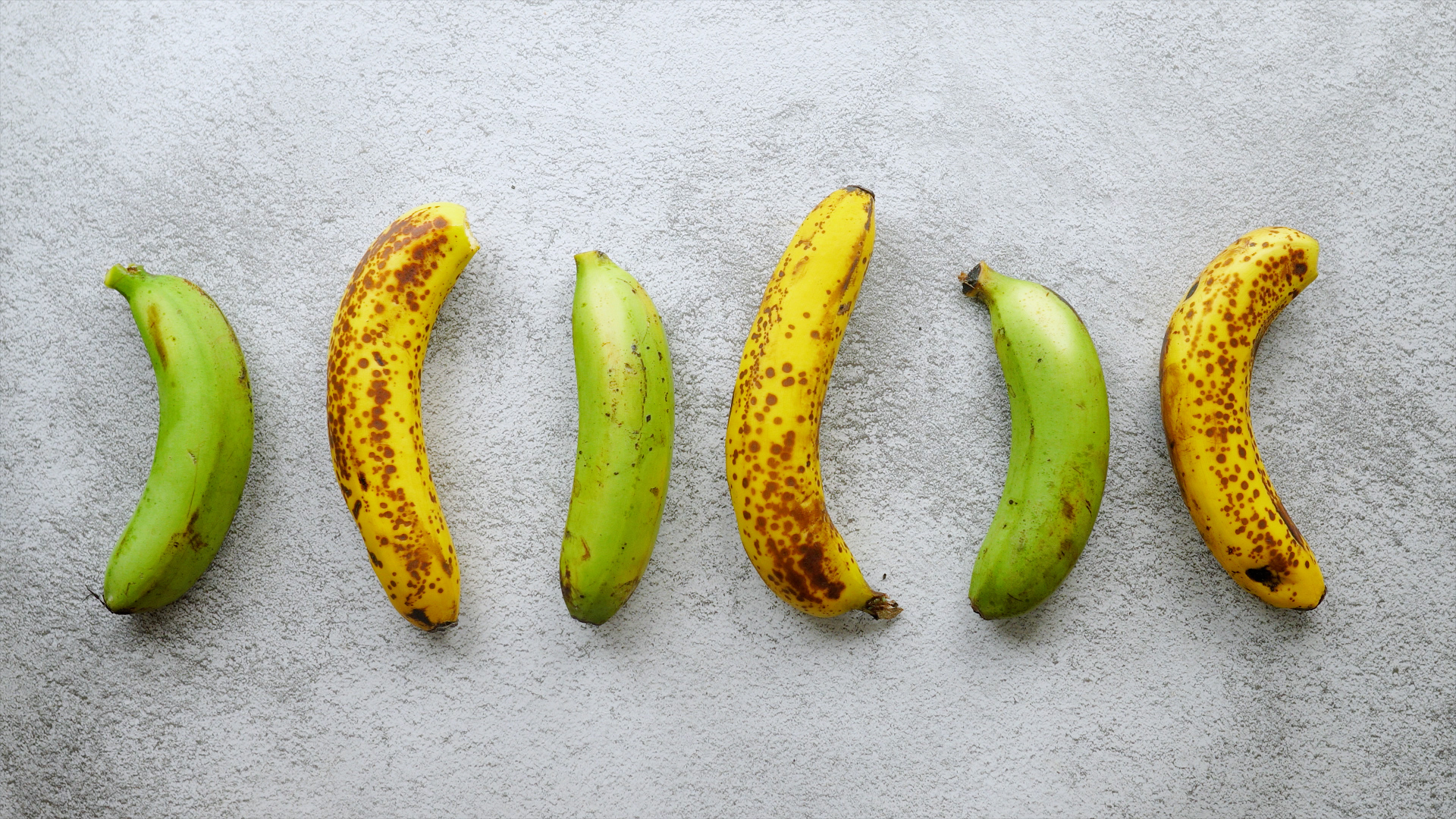
Green plantains are dense, firm, and neutral in flavor. Yellow plantains are softer and mildly sweet. Heavily spotted or nearly black plantains are very sweet, with a softer, almost custardy interior. This unusual ripening range means plantains remain useful long after an ordinary banana would have been assigned to emergency banana-bread duty.
Choosing the Right Plantains for Boiling
Green Plantains
Choose green plantains when you want a savory result. Their high starch content gives them a texture similar to boiled potatoes, taro, or other root vegetables. They hold their shape well and are excellent for mashing, adding to soups, or serving alongside beans, meat, fish, or stews.
Look for plantains with firm, green skins and no major soft spots. A few small surface marks are normal. The peel will be thick and stubborn, so do not expect it to unzip like a banana peel. Green plantains believe in making you earn dinner.
Yellow Plantains
Yellow plantains provide a balance of starchiness and sweetness. They become tender more quickly than green plantains and make a versatile side dish for both savory and lightly sweet meals.
A yellow plantain with several black spots will taste sweeter than a solid yellow one. It should feel firm but give slightly when pressed.
Black or Heavily Spotted Plantains
A plantain with a mostly black peel is not necessarily spoiled. In many cases, it has simply reached its sweetest stage. The flesh should smell pleasantly fruity and feel soft without being watery, moldy, or fermented.
Very ripe plantains are ideal when you want a dessert-like result. They can be boiled with cinnamon, mashed with butter, or served with yogurt, nuts, coconut, or a small drizzle of honey.
Ingredients and Equipment
Basic Ingredients
- 2 large plantains, green, yellow, or ripe
- Enough water to cover the plantain pieces by at least 1 inch
- 1 to 2 teaspoons salt, optional
- Butter, olive oil, lime juice, herbs, or seasonings for serving
Useful Equipment
- A large saucepan or medium stockpot
- A sharp paring knife or chef’s knife
- A sturdy cutting board
- A slotted spoon or colander
- A fork for testing tenderness
- A potato masher, if making mashed plantains
How to Boil Plantains Step by Step
Step 1: Wash the Plantains
Rinse each plantain thoroughly under plain running water before cutting it. Even though the peel is discarded, washing helps prevent dirt or bacteria on the surface from being transferred to the flesh by your knife. Do not use soap, bleach, or household cleaning products on produce.
Step 2: Trim the Ends
Place the plantain on a stable cutting board and slice approximately 1/2 inch from both ends. This exposes the flesh and makes the peel easier to remove.
Step 3: Peel the Plantains
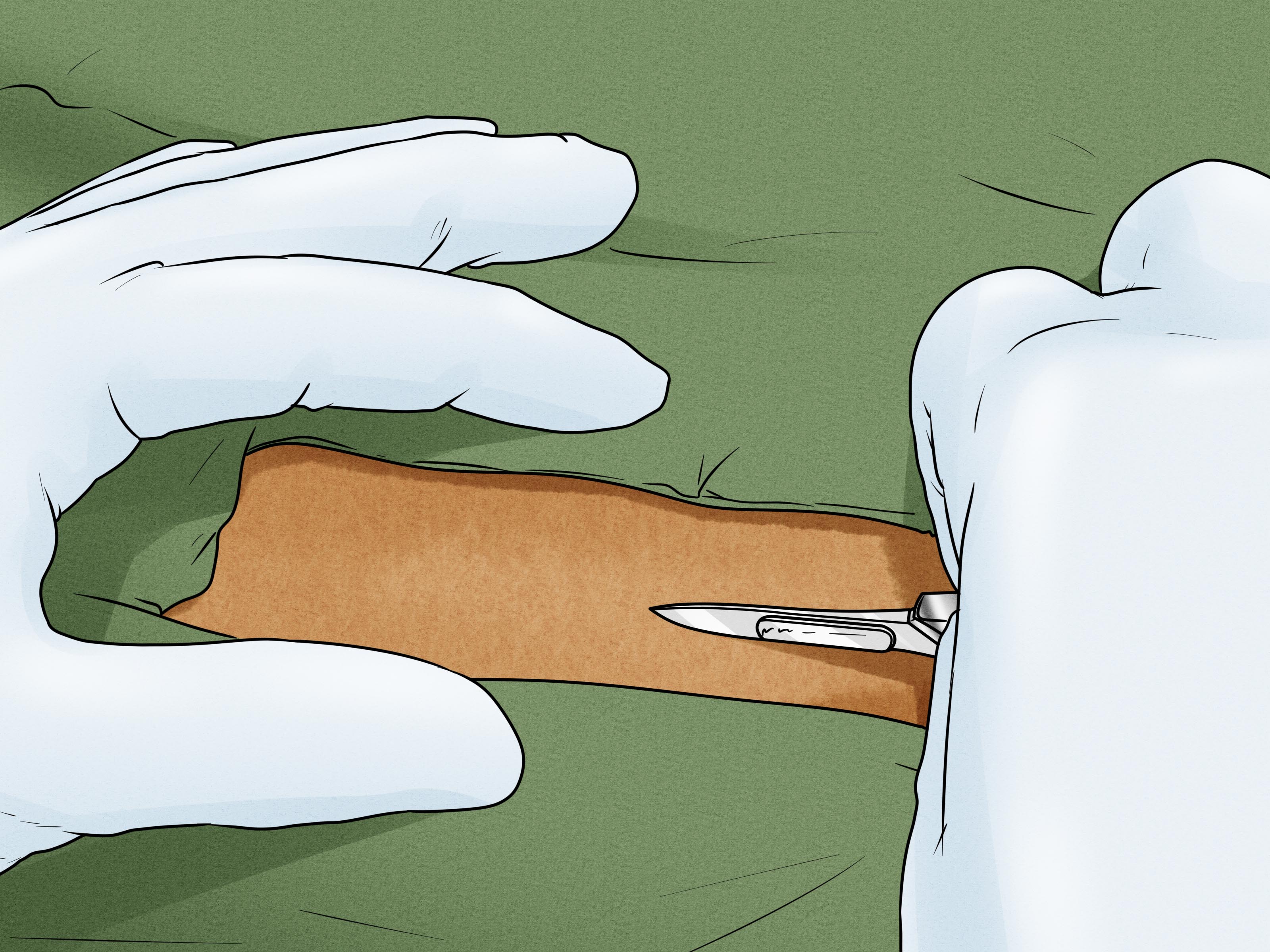
For yellow or black plantains, make one shallow lengthwise cut through the peel. Slide your fingers beneath the skin and pull it away in sections.
For green plantains, score the peel along two or three raised ridges without cutting deeply into the flesh. Use the edge of a spoon, your thumb, or the dull side of a table knife to lift the peel. Pull it away strip by strip.
Green plantains release sticky sap that may stain fabric or cling to your hands. Working under cool running water or rubbing a small amount of cooking oil on your hands can make cleanup easier. Serious Eats also recommends holding peeled green plantains in lightly salted water to reduce discoloration and remove residual sap.
Step 4: Cut into Even Pieces
Slice the peeled plantains crosswise into chunks approximately 1 1/2 to 2 inches thick. Large chunks retain their shape, while smaller pieces cook faster and are easier to mash.
Keep the pieces reasonably uniform. A pot containing tiny coins and enormous logs will produce a mixture of mush and undercooked centers, which is less “rustic cooking” and more “culinary disagreement.”
Step 5: Cover with Water
Place the plantain pieces in a saucepan and add enough water to cover them by at least 1 inch. Add salt if you want a savory flavor.
You can start with cold water and bring everything to a boil together, or add the pieces to already-boiling water. Both methods work. Starting with cold water encourages more even cooking, particularly with large green plantain chunks.
Step 6: Boil, Then Simmer
Bring the water to a full boil over medium-high heat. Once boiling, reduce the heat to maintain a steady simmer. Partially cover the pot, leaving enough space for steam to escape.
Cook until the plantains are tender when pierced with a fork. Depending on ripeness, piece size, and whether the peel remains attached, published methods range from approximately 7 minutes for small ripe pieces to 45 minutes for large or skin-on plantains.
Step 7: Test for Doneness
Insert a fork or thin knife into the thickest piece. Properly cooked green plantains should be tender but not watery. Ripe plantains should feel soft throughout without dissolving into the cooking water.
Do not judge only by the clock. Plantains are agricultural products, not identical factory-issued cylinders. Their moisture, maturity, thickness, and size can all affect cooking time.
Step 8: Drain and Serve
Drain the plantains in a colander or lift them from the pot with a slotted spoon. Let excess water evaporate for one or two minutes before seasoning.
For mashed plantains, reserve approximately 1 cup of the cooking water. Adding it gradually while mashing creates a smoother texture without making the mixture greasy. This technique is frequently used for mangú, a Dominican preparation of boiled and mashed green plantains.
How Long to Boil Plantains
| Plantain Type | Recommended Cut | Approximate Time | Finished Texture |
|---|---|---|---|
| Green, peeled | 1 1/2- to 2-inch chunks | 20 to 30 minutes | Firm, starchy, and fork-tender |
| Green, skin on | Cut into 3-inch sections | 25 to 45 minutes | Dense and tender |
| Yellow | Large chunks | 12 to 20 minutes | Soft with mild sweetness |
| Heavily spotted | Large chunks | 10 to 15 minutes | Very soft and sweet |
| Nearly black | Halves or thick chunks | 7 to 12 minutes | Creamy and dessert-like |
These times are practical ranges rather than rigid rules. Begin checking early, especially when boiling very ripe plantains. Leaving soft plantains unattended for an extra ten minutes may produce plantain soup, whether or not plantain soup was invited.
How to Boil Plantains with the Skin On
Boiling plantains in their skins can simplify preparation, particularly when dealing with firm green fruit. Wash them, trim the ends, and cut each plantain into two or three sections. Make a shallow slit along each piece to make peeling easier after cooking.
Place the sections in a pot, cover with water, and simmer until a fork passes through the center. The skins may darken or split as the plantains cook. This is normal. Some recipes simmer skin-on sections for about 15 minutes, while whole or especially firm plantains may require 35 to 45 minutes.
Drain the pieces and let them cool until safe to handle. Pull away the loosened skins and discard them.
Ways to Season Boiled Plantains
Simple Savory Plantains
Toss boiled green or yellow plantains with olive oil, salt, black pepper, and fresh lime juice. Add chopped cilantro, parsley, scallions, or chives for freshness.
Garlic Butter Plantains
Melt butter with minced garlic over low heat. Spoon it over the drained plantains and finish with salt and a squeeze of lime. A pinch of smoked paprika adds warmth without overpowering the fruit.
Caribbean-Inspired Seasoning
Dress the plantains with olive oil, lime juice, garlic, oregano, and finely chopped onion. For heat, add cayenne, fresh chile, or a few drops of hot sauce.
Sweet Boiled Plantains
Use heavily spotted or black plantains. Boil them until tender, then add butter, cinnamon, nutmeg, and a small pinch of salt. The plantains may already be sweet enough, so taste before adding brown sugar, maple syrup, or honey.
Coconut Plantains
Mash ripe boiled plantains with warm coconut milk and a pinch of cinnamon. For a savory variation, use green plantains with coconut milk, garlic, ginger, and black pepper.
How to Serve Boiled Plantains
Boiled plantains are flexible enough to move between breakfast, lunch, dinner, and snacks. Serve them:
- Alongside black beans, kidney beans, lentils, or chickpeas
- With grilled chicken, roasted pork, fish, shrimp, or beef stew
- Under sautéed onions, peppers, and tomatoes
- Mashed with olive oil, butter, broth, or reserved cooking water
- With fried or poached eggs for a hearty breakfast
- In soups where their starch can add body
- With avocado, pickled onions, or a citrusy cabbage slaw
- With cinnamon and yogurt as a lightly sweet dish
Common Mistakes and Easy Fixes
The Plantains Are Still Hard
They probably need more time. Add hot water if the level has dropped, return the pot to a simmer, and cook for another 5 to 10 minutes. Green plantains can remain stubbornly firm, especially when cut into large pieces.
The Plantains Turned Mushy
They were either very ripe, cut too small, or cooked too long. Transform them into a mash rather than trying to preserve neat slices. Add butter, olive oil, coconut milk, or seasonings and pretend this was the plan all along.
The Green Plantains Taste Bland
Green plantains have a mild flavor and need confident seasoning. Salt the water, then finish the cooked pieces with fat, acidity, herbs, garlic, sauce, or broth.
The Mashed Plantains Are Dry
Green plantains absorb liquid quickly as they cool. Mix in warm reserved cooking water a few tablespoons at a time. Warm broth, olive oil, butter, or milk can also help.
The Mashed Plantains Became Gluey
Aggressive blending can create a sticky texture. Use a potato masher or fork instead of processing the plantains at high speed. Add warm liquid gradually and stop once the mixture is smooth enough.
Storing and Reheating Boiled Plantains
Allow leftover plantains to cool, then refrigerate them in an airtight container. For the best quality, use them within three to four days.
Reheat slices in a covered skillet with a splash of water, in a saucepan over low heat, or in the microwave. Mashed plantains usually need extra liquid during reheating because they thicken as they stand.
Cooked plantains can also be frozen, although their texture may become softer after thawing. Mashed plantains generally freeze more successfully than intact slices. Divide the mash into meal-size portions and freeze in sealed containers.
Are Boiled Plantains Nutritious?
Plantains provide carbohydrates, fiber, potassium, vitamin C, vitamin B6, and other micronutrients. Their precise nutritional content varies with ripeness, serving size, and cooking method. Boiling is a useful option for people who want the flavor and satisfying texture of plantains without the additional oil used for deep-frying. USDA FoodData Central maintains analyzed nutrient information for plantains and other foods, while Cleveland Clinic notes that plantains are a notable dietary source of potassium.
Plantains are primarily a carbohydrate-rich food rather than a major protein source. Pairing them with beans, eggs, fish, poultry, meat, tofu, or yogurt can create a more balanced meal.
Frequently Asked Questions
Do You Have to Peel Plantains Before Boiling?
No. You can boil them peeled or with the skin on. Peeled chunks are easier to season immediately, while skin-on boiling can make firm green plantains easier to peel afterward.
Should You Salt the Water?
Salt is optional, but it improves the flavor of savory plantains. For sweet ripe plantains, use only a small pinch or omit it during cooking and season after draining.
Can You Boil Plantains Whole?
Yes, but whole plantains take longer and can cook unevenly. Cutting them into two or three sections is usually more practical.
Can You Overcook Plantains?
Yes. Ripe plantains can break apart if boiled too long. Green plantains are more forgiving but may become waterlogged or excessively soft.
Are Black Plantains Safe to Cook?
A black peel usually indicates advanced ripeness, not spoilage. Discard a plantain if it has visible mold, leaking liquid, an unpleasant fermented odor, or severely damaged flesh.
Why Are My Boiled Plantains Pink or Dark?
Plantain flesh may darken slightly through oxidation or natural reactions during cooking. This is generally harmless. Holding peeled green plantains in lightly salted water before boiling can reduce discoloration.
Experience-Based Kitchen Notes: What Home Cooks Commonly Discover
The first experience many cooks have with green plantains is surprise at how difficult they are to peel. A person approaches the fruit expecting banana behavior, gives the stem an optimistic tug, and quickly learns that green plantains have chosen armor. Scoring the peel along its ridges and lifting it with a spoon is much easier than attacking it with fingernails.
The next lesson usually involves timing. A cook may read that plantains take 15 minutes, set a timer, and discover that the green chunks are still firm enough to serve as building materials. Boiling time depends heavily on ripeness, thickness, and whether the peel is attached. The fork test is more useful than blindly following a number. When the fork enters the center without resistance, the plantain is ready.
Salting the water is another small step with a surprisingly noticeable effect. Green plantains are mild and starchy. Without salt or a flavorful topping, they can seem plain. With salt, lime, olive oil, and garlic, the same pieces become a side dish that can comfortably sit beside grilled fish, stewed beans, or roasted chicken.
Mashing introduces its own set of lessons. Freshly drained plantains may appear moist, but they can become dry and firm within minutes. Keeping some hot cooking water nearby prevents panic. A few spoonfuls restore softness and help create a creamy mash without requiring a large quantity of butter or oil.
One of the most satisfying experiments is boiling plantains at different ripeness stages in separate pots. Green pieces stay pale, dense, and savory. Yellow pieces become softer, warmer in color, and gently sweet. Dark plantains soften quickly and can taste almost like dessert even before cinnamon or sugar enters the conversation.
Very ripe plantains also teach restraint. Because they cook rapidly, checking them early is essential. A few extra minutes can turn attractive chunks into a collapsing golden cloud. Fortunately, a collapsing golden cloud is still delicious when mashed with butter and cinnamon.
Serving temperature matters more than many beginners expect. Boiled green plantains are best while hot because their starch firms as they cool. If dinner is delayed, keep them covered with a little warm cooking liquid. Ripe plantains remain softer, but their flavor is also more expressive when warm.
Leftovers can become a second meal rather than a sad container in the refrigerator. Sliced boiled plantains can be browned briefly in a skillet, added to soup, or warmed with beans and vegetables. Mashed plantains can be shaped into small cakes and pan-seared until crisp on the outside.
The broad lesson is that boiling plantains is not a single rigid recipe. It is a flexible technique. Once a cook understands the relationship between color, sweetness, starch, and cooking time, the process becomes intuitive. Green means savory and patient. Yellow means versatile. Black means sweet, soft, and quick. The pot does the rest.
Conclusion
Learning how to boil plantains gives you an easy foundation for countless meals. Wash the fruit, choose the proper ripeness, cut it into even pieces, cover it with water, and simmer until fork-tender. Green plantains create a hearty savory side, yellow plantains balance starch and sweetness, and dark plantains produce a soft, naturally sweet finish.
From simple salted slices to creamy mangú, garlic-lime plantains, coconut mash, or cinnamon-scented dessert, boiled plantains can adapt to whatever is already on the menu. They are affordable, filling, easy to customize, and considerably less interested in coating your kitchen with hot oil than their fried relatives.
Note: Cooking times are approximate. Check plantains with a fork and adjust the simmering time according to their ripeness, thickness, and desired texture.