Hardwood floors are like denim jackets: they age beautifully, but eventually even the cool vintage look starts flirting with “abandoned cabin.” Scratches, dull patches, mystery stains, pet traffic, chair marks, and years of normal life can leave your floors looking tired. The good news? You may not need to replace them. Refinishing hardwood floors can bring back the color, shine, and smoothness for far less than installing brand-new flooring.
So, how much does it cost to refinish hardwood floors in 2025? For most U.S. homeowners, professional hardwood floor refinishing costs about $3 to $8 per square foot. A typical project often lands between $1,100 and $2,700, while larger homes, damaged floors, stairs, premium finishes, dustless sanding, or high-cost cities can push the price higher. A small room may cost under $1,000, while a full-house refinishing project can easily reach $4,000 to $10,000 or more.
This guide breaks down the real numbers, cost factors, finish options, DIY vs. professional pricing, hidden fees, and practical homeowner experiences so you can budget without needing a spreadsheet, a therapist, and three cups of coffee.
Average Cost to Refinish Hardwood Floors in 2025
The national average cost to refinish hardwood floors usually sits around $3 to $8 per square foot, including sanding, staining, and applying a protective finish. Straightforward jobs in average-cost areas often fall near the lower to middle part of that range. More complex projects, such as badly damaged floors, dark stain changes, parquet, stairs, or dustless refinishing, can cost more.
Hardwood Floor Refinishing Cost by Square Footage
| Floor Area | Estimated Cost Range |
|---|---|
| 100 sq. ft. | $300–$800 |
| 200 sq. ft. | $600–$1,600 |
| 500 sq. ft. | $1,500–$4,000 |
| 1,000 sq. ft. | $3,000–$8,000 |
| 1,500 sq. ft. | $4,500–$12,000 |
These numbers are broad because flooring companies do not price every job like a vending machine. A 200-square-foot bedroom with easy access and minimal damage may be simple. A 200-square-foot hallway with five closets, a stair landing, pet stains, old carpet glue, and baseboards that seem emotionally attached to the wall? That is a different creature.
What Is Included in Hardwood Floor Refinishing?
Traditional hardwood floor refinishing usually includes several steps: clearing the room, preparing the surface, sanding away the old finish, repairing minor imperfections, applying stain if desired, sealing the wood, and adding protective coats of polyurethane or another finish. The goal is to remove surface damage and create a fresh, durable top layer.
Typical Refinishing Steps
- Furniture removal: The room must be empty before sanding starts.
- Prep work: Contractors check for loose boards, protruding nails, cracks, and gaps.
- Sanding: Heavy sanding removes the old finish and scratches.
- Edge sanding: Smaller tools handle corners, walls, and tight spaces.
- Staining: Optional color changes are applied after sanding.
- Finishing: Multiple coats protect the wood from wear, moisture, and foot traffic.
- Drying and curing: Floors need time before rugs, furniture, and shoes return.
Think of refinishing as a spa day for your floors, except the spa uses drum sanders, dust containment, and polyurethane instead of cucumber water.
Main Factors That Affect Hardwood Floor Refinishing Cost
1. Floor Size
Square footage is the biggest pricing factor. More floor area means more labor, more sanding time, more finish, and more cleanup. However, larger projects may have a lower per-square-foot rate because contractors can work more efficiently once equipment is already on-site.
Small projects sometimes cost more per square foot because companies may charge minimum service fees. If you only refinish a tiny hallway, the contractor still has to transport equipment, set up dust control, sand, clean, apply finish, and return for coats. Sadly, the sander does not become cheaper just because the room is cute.
2. Floor Condition
Floors with light scratches are cheaper to refinish than floors with deep gouges, water damage, pet stains, cupping, missing boards, or old adhesive residue. Minor scratches can disappear with sanding, but structural or moisture-related problems require repairs before finishing.
Common repair add-ons include replacing damaged boards, filling gaps, securing squeaky planks, removing carpet staples, and addressing stains. Small repairs may add a few hundred dollars. Larger repairs can add significantly more, especially if matching old wood is difficult.
3. Type of Hardwood
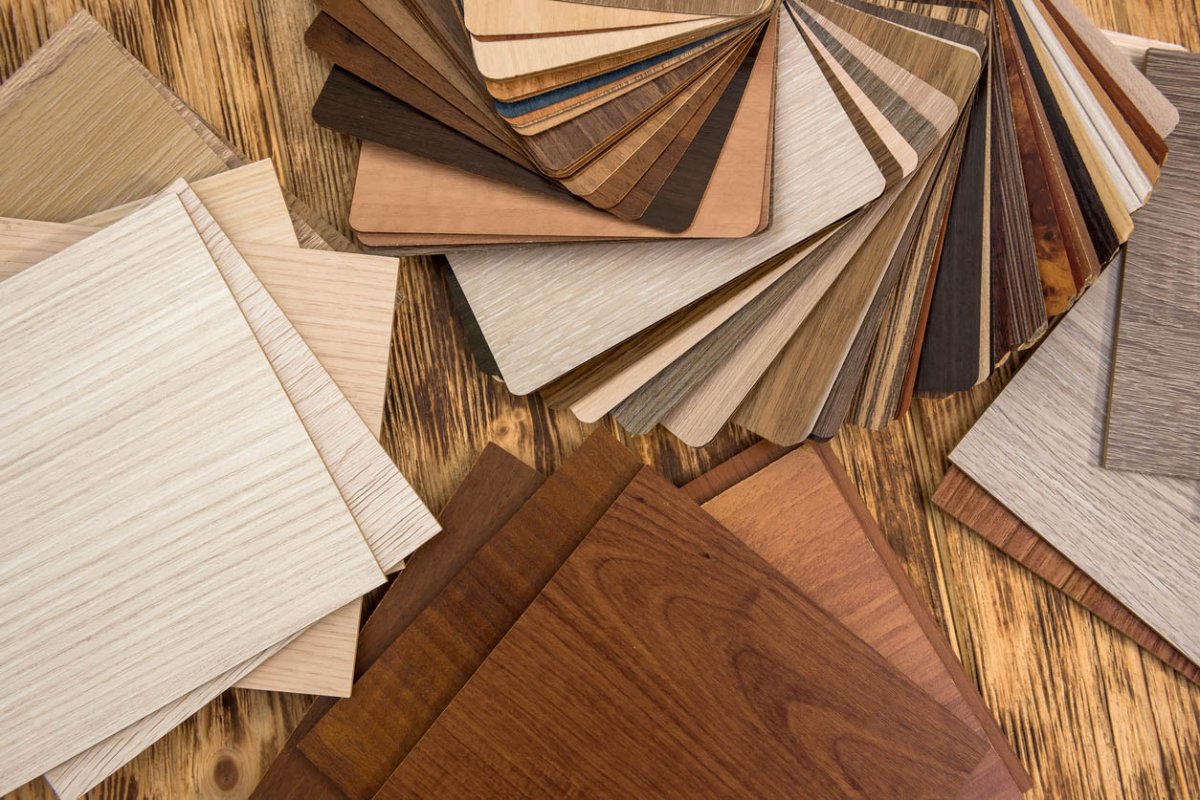
Oak is one of the most common and forgiving hardwoods to refinish. Maple, pine, cherry, walnut, mahogany, and exotic hardwoods may require more skill, different sanding techniques, or special stains. Softer woods can dent more easily, while dense woods may be slower to sand and finish evenly.
Engineered hardwood is trickier. Some engineered floors have a thick enough wear layer to sand once or twice. Others have a thin veneer that cannot handle full sanding. Before refinishing engineered hardwood, confirm the wear-layer thickness. Otherwise, one enthusiastic sanding pass could turn your “hardwood” into a very expensive plywood reveal.
4. Stain Choice
Staining adds cost because it requires more labor, more drying time, and careful application. Natural or clear finishes are often cheaper than dramatic color changes. Dark stains can look rich and elegant, but they also expose sanding errors, dust, and uneven prep. If your goal is espresso-brown floors, expect your contractor to spend extra time making everything smooth and consistent.
5. Finish Type
The finish protects the floor and affects appearance, odor, drying time, and durability. The most common options are water-based polyurethane, oil-based polyurethane, and specialty finishes such as hardwax oil or commercial-grade waterborne products.
| Finish Type | Best For | Notes |
|---|---|---|
| Water-based polyurethane | Fast drying, low odor, clear color | Often costs more per gallon but reduces downtime. |
| Oil-based polyurethane | Warm amber tone, strong durability | Longer dry time and stronger odor. |
| Hardwax oil | Natural matte appearance | Beautiful but may need more maintenance. |
| Commercial-grade finish | High-traffic homes, pets, rentals | Higher upfront cost, stronger performance. |
6. Dustless Refinishing
Dustless hardwood floor refinishing uses sanding equipment connected to powerful vacuum systems. It does not mean “zero dust,” because wood dust is apparently determined to appear in places you never knew existed. But dustless systems greatly reduce airborne mess and cleanup.
Dustless refinishing usually costs more than standard sanding, often pushing prices toward the higher end of the $5 to $8 per square foot range. For households with allergies, children, pets, or open floor plans, the upgrade may be worth it.
7. Stairs, Closets, and Tight Areas
Stairs are expensive because they require detailed handwork. Many contractors price stairs per tread instead of by square foot, and costs can range widely depending on condition, railing layout, stain, and finish. Closets, hallways, corners, and built-ins also slow the job down.
A large square room is efficient. A chopped-up older home with closets, transitions, radiators, floor vents, and stairs is more like a flooring obstacle course.
8. Location and Labor Rates
Labor is a major part of hardwood floor refinishing cost. Homeowners in high-cost metro areas such as New York City, Boston, San Francisco, Los Angeles, Seattle, and Washington, D.C., may pay more than homeowners in smaller towns or lower-cost regions. Parking, building rules, elevator access, and strict work-hour limits can also raise costs.
Cost to Refinish vs. Replace Hardwood Floors
Refinishing is usually much cheaper than replacing hardwood floors. Refinishing often costs $3 to $8 per square foot, while hardwood replacement can cost several times more when you include removal, disposal, new flooring, installation, trims, transitions, and finishing.
If your existing hardwood is thick enough and structurally sound, refinishing is often the smarter financial move. Replacement makes more sense when the floor is severely damaged, has been sanded too many times, has major moisture problems, or no longer fits your renovation goals.
DIY Hardwood Floor Refinishing Cost
DIY refinishing can cost much less upfront, often in the range of $500 to $1,500 for a small to medium project, depending on tool rental, sandpaper, stain, finish, safety gear, and supplies. You may rent a drum sander, edger, buffer, shop vacuum, and applicators.
However, DIY refinishing is not beginner-friendly. A drum sander can remove a shocking amount of wood very quickly. Leave it in one spot too long and you may create waves, dips, or “character” that future buyers will not find charming. Uneven sanding can also become painfully obvious after stain is applied.
DIY Costs May Include
- Sander rental
- Edger rental
- Sandpaper in multiple grits
- Wood filler
- Stain
- Polyurethane or finish
- Brushes, rollers, pads, and trays
- Respirator, goggles, gloves, and knee pads
- Plastic sheeting and painter’s tape
DIY can make sense for confident homeowners with time, patience, and a small low-risk area. For historic floors, expensive hardwood, engineered wood, stairs, dark stain, or large open areas, hiring a pro is usually the safer bet.
Screen and Recoat vs. Full Refinishing
Not every tired floor needs full sanding. If the finish is dull but the wood underneath is not deeply scratched or stained, a screen and recoat may be enough. This process lightly abrades the existing finish so a new topcoat can bond to it.
Screening and recoating typically costs less than full refinishing, often around $1 to $3 per square foot. It is faster, less messy, and less aggressive because it does not remove as much wood. But it will not fix deep scratches, gray worn areas, water damage, pet stains, or color problems.
A simple test: if a few drops of water bead on the surface, the finish may still be protecting the wood. If water quickly soaks in and darkens the floor, the finish may be worn through, and full refinishing may be needed.
Hidden Costs to Watch For
Hardwood refinishing estimates can look simple until the extras start marching in like tiny invoice goblins. Ask what is included before signing.
Furniture Moving
Some flooring companies move furniture for an added fee. Others require rooms to be empty before work begins. Moving heavy furniture, pianos, appliances, or built-ins can increase costs.
Carpet Removal
If old carpet covers hardwood, removal may add labor and disposal fees. Contractors may also need to pull staples, tack strips, adhesive, and padding residue.
Baseboard and Shoe Molding Work
Some projects require removing and reinstalling shoe molding or baseboards. If trim breaks or needs repainting, budget for extra work.
Board Replacement
Damaged boards may need to be patched or replaced before sanding. Matching species, width, age, and grain can take time.
Temporary Housing
Strong odors, drying times, and blocked access may make it inconvenient to stay home during refinishing. This is especially true with oil-based finishes or whole-house projects.
Lead or Hazard Concerns
In older homes, contractors may need to consider lead-safe practices if painted surfaces, old coatings, or nearby trim are disturbed. Homes built before 1978 deserve extra caution during renovation work.
How Long Does Hardwood Floor Refinishing Take?
Most hardwood refinishing projects take three to five days, depending on square footage, stain, finish type, weather, humidity, and the number of coats. Water-based finishes dry faster and may allow light foot traffic sooner. Oil-based finishes take longer to dry and cure but offer a classic warm tone many homeowners love.
Even when a floor feels dry, it may not be fully cured. Avoid dragging furniture, placing rugs too soon, wearing shoes, or letting pets perform their dramatic indoor zoomies immediately after refinishing. Your new finish is tough, but it is not a superhero on day one.
How to Save Money on Hardwood Floor Refinishing
- Get at least three estimates. Compare scope, not just price.
- Empty rooms yourself. Moving furniture can add labor fees.
- Choose a clear finish. Skipping stain may reduce labor and drying time.
- Bundle rooms together. Larger projects may lower the per-square-foot rate.
- Handle trim painting separately. Flooring pros may charge more for non-floor tasks.
- Maintain floors early. Screening and recoating is cheaper than full refinishing.
- Avoid bargain-only decisions. Bad sanding is expensive to fix.
Is Refinishing Hardwood Floors Worth It?
For many homes, yes. Refinishing hardwood floors improves appearance, extends floor life, and can make rooms feel cleaner, brighter, and more updated. It is especially worthwhile before selling a home because floors are one of the first things buyers notice. People may forgive an outdated light fixture. They are less forgiving when the living room floor looks like it hosted roller derby practice.
Refinishing is most worth it when the wood is solid, the layout still works, and the damage is mostly surface-level. It is less worth it when floors are extremely thin, warped, moldy, badly patched, or not real hardwood.
Real-World Cost Examples
Example 1: Small Bedroom
A 150-square-foot bedroom with oak flooring, light scratches, no stain change, and a water-based finish may cost around $600 to $1,200. If the contractor has a minimum fee, the price may be closer to the higher end.
Example 2: Main Living Area
A 600-square-foot living room and dining room with moderate wear, sanding, medium stain, and three coats of finish may cost around $2,400 to $4,800. Add more if furniture moving, repairs, or dustless sanding is included.
Example 3: Whole-House Refinishing
A 1,200-square-foot refinishing project across bedrooms, halls, and living spaces may cost around $4,800 to $9,600. Stairs, closets, high-end finishes, and premium labor markets can push the project above $10,000.
Questions to Ask Before Hiring a Floor Refinisher
- Is the estimate based on square footage or a flat project price?
- Does the quote include sanding, stain, finish, and cleanup?
- How many coats of finish are included?
- What finish brands and products do you use?
- Is dust containment included?
- Will you move furniture?
- Are board repairs included or separate?
- How long before we can walk on the floors?
- When can furniture and rugs return?
- Do you have insurance, references, and photos of recent work?
of Homeowner Experience: What Refinishing Hardwood Floors Actually Feels Like
Budget guides are helpful, but living through a hardwood floor refinishing project is its own little home-improvement sitcom. The first lesson many homeowners learn is that the cheapest estimate is not always the best estimate. A low price can be tempting, especially when another contractor quotes hundreds or thousands more. But refinishing is highly skill-based. The difference between a beautiful floor and a wavy, blotchy floor often comes down to sanding technique, dust control, stain experience, and patience between coats.
One common experience is surprise at how much preparation is involved. Emptying rooms sounds easy until you realize the bookcase has been quietly collecting 11 years of cables, receipts, mystery screws, and one birthday candle shaped like a dinosaur. Furniture needs somewhere to go. Curtains may need to come down. Closets may need clearing. Pets need a plan. If the refinishing area blocks access to bedrooms, kitchens, or bathrooms, daily routines can become a puzzle.
Another real-world lesson: stain samples matter. A color that looks perfect online can look completely different on your actual floor. Wood species, age, lighting, sanding depth, and previous finishes all affect the final shade. Many homeowners think they want a trendy dark stain until they see how easily dark floors show dust, pet hair, footprints, and crumbs. Dark floors can be gorgeous, but they are not shy. If your dog sheds like it is training for the Olympics, consider a medium tone with forgiving grain.
Drying time is also more than a technical detail. It controls your life for several days. Water-based finishes are popular because they dry faster and have less odor. Oil-based finishes can create a rich, warm look, but the smell and wait time may be harder to manage. Even after floors are dry enough for socks, they may not be ready for rugs, shoes, or furniture pads. Many homeowners regret rushing furniture back too soon. A chair leg can leave a mark faster than you can say, “But the contractor said it was probably fine.”
Dust is another expectation to manage. Dustless sanding is excellent, but not magical. You may still find fine dust on shelves, window sills, door frames, or inside nearby rooms. Covering vents, sealing doorways, and cleaning afterward helps. If someone in the household has asthma, allergies, or sensitivity to odors, plan carefully and discuss finish options before work starts.
The final experience, however, is usually satisfying. Old floors that looked dull and scratched can suddenly make the entire house feel newer. Rooms look brighter. Furniture looks better. Even wall colors seem fresher. Many homeowners say refinishing hardwood floors is one of those projects that feels disruptive while it is happening but completely worth it once the last coat cures. It is messy, noisy, inconvenient, and occasionally stressfulbut when the sunlight hits that smooth new finish, you may find yourself staring at the floor like it just graduated from college.
Conclusion
In 2025, the cost to refinish hardwood floors typically ranges from $3 to $8 per square foot, with most average projects falling somewhere between $1,100 and $2,700. Small rooms may cost less, while large homes, stairs, repairs, dustless sanding, premium finishes, and expensive labor markets can raise the total.
The best way to budget is to measure your square footage, inspect the floor condition, decide whether you want stain, compare finish options, and get multiple detailed quotes. Refinishing is not the cheapest home project, but compared with replacing hardwood floors, it is often a smart investment. Done well, it can add years of life to your floors and make your home feel polished againwithout the drama of ripping everything out.