Note: This original article is written for web publication and synthesized from real public information about J.A.S. Design-Build, Seattle’s Capitol Hill neighborhood, historic-home remodeling principles, and design-build best practices.
A Capitol Hill Home That Learned New Tricks Without Losing Its Manners
Some houses age like movie stars. They keep the good bones, the elegant posture, and the quiet confidence, even if a few rooms need better lighting and a closet that does not require Olympic-level patience. That is the charm behind House Call: Capitol Improvement by J.A.S. Design-Build, a Seattle remodel that proves an old home does not need to be stripped of its personality to become livable for modern family life.
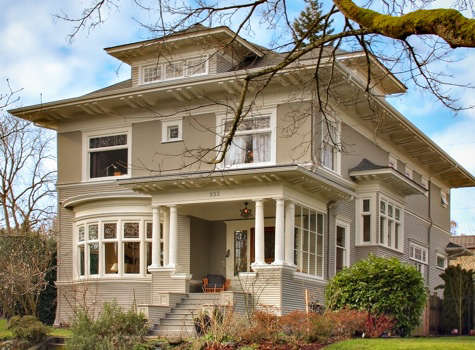
The original Remodelista feature highlighted a classic Edwardian in Seattle’s Capitol Hill neighborhood, refreshed by J.A.S. Design-Build with a modern sensibility while preserving the home’s stately character. The project’s secret weapon was not a flashy design gimmick or a kitchen island the size of a ferry terminal. It was something more thoughtful: a careful blend of original architecture, smart built-in cabinetry, storage-rich rooms, and warm family spaces that feel as if they were always meant to be there.
In a city where historic homes often carry more stories than a neighborhood coffee shop, this remodel stands out as a case study in balance. It respects the past, improves the present, and politely refuses to become one of those renovations where every old detail is replaced by gray flooring and a suspiciously shiny faucet.
Why Capitol Hill Is the Perfect Setting for This Kind of Remodel
Seattle’s Capitol Hill is not just a location; it is a mood. The neighborhood sits on a ridge overlooking downtown and has long been known for its mix of historic homes, cultural landmarks, apartments, shops, restaurants, parks, and creative energy. It is the kind of place where a grand old house can share the block with a modern condo, a corner cafe, and someone walking a dog wearing a sweater with more confidence than most humans.
That layered neighborhood context matters because architecture never exists in a vacuum. A Capitol Hill remodel has to answer several questions at once: How does the home work for a modern family? How does it respect the street? How does it preserve the original form while making daily life less annoying? And, most importantly, where do all the shoes go?
The Edwardian home remodeled by J.A.S. Design-Build appears to answer those questions through restraint and precision. Instead of forcing a completely new identity onto the structure, the design embraces the home’s original stateliness and then uses custom details to make it work harder. The result is a house that feels polished but not precious, updated but not erased.
Who Is J.A.S. Design-Build?
J.A.S. Design-Build is a Seattle-based design-build firm known for residential remodels, additions, kitchens, bathrooms, basements, cabinets, built-ins, interior furnishings, new homes, and light commercial projects. The company describes its team as a mix of craftspeople, architects, designers, and project managers, which is exactly the kind of lineup you want when opening up the walls of an older house and discovering the electrical system has a personality.
The firm’s design-build model is important because it brings design and construction under one coordinated team. Instead of hiring an architect, then bidding the plans to contractors, then hoping everyone interprets the drawings the same way, the design-build approach creates a more integrated process. For older homes, that can be especially useful. Historic houses rarely behave like blank slates. They surprise you. They negotiate. Occasionally, they sulk behind plaster.
With an integrated team, design choices can be tested against budget, construction realities, structural needs, and finish details earlier in the process. That does not magically make remodeling effortless, but it can reduce the “Wait, who approved this?” moments that haunt many projects.
The Design Strategy: Modern Sensibility, Original Stateliness
The phrase “modern sensibility” can be dangerous in remodeling. Sometimes it means better flow, cleaner storage, and improved comfort. Other times it means removing every sign that the house existed before last Tuesday. In this Capitol Hill remodel, modern sensibility appears to mean the better version: a house that functions more gracefully without losing the dignity of its Edwardian roots.
Edwardian homes often have strong proportions, formal rooms, generous trim, and a sense of vertical elegance. They can also come with smaller, compartmentalized spaces that do not always fit today’s family routines. Modern life asks more of a home: work zones, homework zones, storage zones, casual seating, better bathrooms, and rooms that can survive children, guests, pets, and the occasional ambitious craft project involving glue.
J.A.S. Design-Build’s response was to use custom cabinetry and built-ins as architectural tools. Built-ins are more than storage. In the right hands, they define rooms, create seating, organize circulation, hide clutter, and give a space the satisfying feeling of being tailored rather than merely decorated.
Built-Ins as Quiet Architecture
One of the strongest lessons from this project is that built-ins can shape the entire mood of a home. A freestanding cabinet may solve a storage problem. A built-in can solve a storage problem, improve proportion, create a destination, and make the room look as if it has been waiting for that exact detail for 100 years.
In family homes, this matters. Storage is not glamorous until you do not have enough of it. Then it becomes the entire plot. Built-in benches, window seats, bookcases, wardrobes, mudroom-style cabinetry, and low storage walls can keep daily life from spilling across the floor like a tiny domestic landslide.
For an Edwardian home, built-ins also provide a bridge between old and new. When carefully detailed, they can echo original millwork without pretending to be antique. That distinction is important. Good preservation-minded remodeling does not need to freeze a house in time. It needs to add new work that feels compatible, honest, and well proportioned.
Preserving Character Without Turning the House Into a Museum
Historic-home renovation is often misunderstood. Some people think preservation means nothing can change, and others think renovation means everything must change. The best projects live in the more intelligent middle. They preserve character-defining elements while updating the home for real use.
That may include keeping important trim, stairs, window proportions, room hierarchy, exterior massing, and original architectural rhythm. It may also include adding better insulation, updated mechanical systems, improved lighting, safer wiring, efficient storage, and more functional bathrooms and kitchens. In other words, the house keeps its soul but finally gets a decent place to charge a phone.
The Capitol Improvement project is a useful example because it does not appear to rely on shock value. There is no need for a glass box yelling from the back of the house, “Look at me, I am contemporary!” Instead, the design seems to work through subtler interventions: cabinetry, seating, defined zones, and spatial clarity.
Why This Remodel Feels Family-Friendly
J.A.S. Design-Build has been praised for creating intimate family spaces, and this project shows why that phrase matters. A family-friendly home is not just one with durable countertops and a place to toss backpacks. It is a home where people can gather, separate, read, cook, store things, and move through the day without every activity colliding in the same room.
Built-in seating creates places to pause. Cabinetry helps rooms stay useful instead of becoming accidental storage units. Nooks and defined zones give the home emotional variety. A good family house needs both togetherness and escape hatches. Even the most loving household benefits from a corner where someone can read quietly while another person is loudly explaining why socks are optional.
In older homes, these small spatial decisions are especially valuable. Rather than demolishing every wall to chase open-plan drama, a thoughtful remodel can preserve the charm of distinct rooms while improving how those rooms connect and function.
The Power of “Looks Like It Was Always There”
One of the highest compliments in remodeling is not “Wow, that looks expensive.” It is “Was this original?” When new work feels inevitable, the design has done its job. That does not mean copying old details blindly. It means understanding scale, proportion, material, rhythm, and how people actually move through a room.
For example, a built-in bench beneath a window should feel connected to the architecture, not like a box that wandered in from another house. A cabinet wall should meet the ceiling, baseboards, and trim with confidence. Hardware should fit the mood of the room. Paint color should support the architecture, not fight it like two relatives arguing over Thanksgiving seating.
This is where design-build can shine. Because the design team and construction team are connected, details can be developed with a builder’s understanding of how they will actually be executed. That matters in old houses, where square corners are sometimes more of a philosophical suggestion than a measurable condition.
SEO-Friendly Design Lessons from Capitol Improvement
For homeowners researching Capitol Hill remodel ideas, Edwardian home renovation, or Seattle design-build firms, this project offers several practical takeaways. First, respect the strongest existing features. If a home already has stately proportions and architectural presence, the remodel should amplify those qualities rather than bury them.
Second, use storage as design. Custom cabinetry, built-in benches, and integrated shelving can make an older home feel calmer and more useful without requiring a major addition. Third, balance formal and casual spaces. Historic homes often have a natural sense of ceremony, but modern families need comfort. The best remodels let both personalities coexist.
Fourth, avoid trend panic. A remodel designed entirely around the trend of the month can age faster than a banana on a sunny windowsill. Classic materials, honest detailing, and practical layouts tend to last longer. Finally, hire a team that understands old houses. Historic homes are generous, beautiful, and occasionally dramatic. They reward patience and punish shortcuts.
Bathrooms, Bedrooms, and the Art of Small Comforts
The original Remodelista feature appeared in “The Well-Appointed Bath” issue, which makes sense because old homes often need bathroom improvements more urgently than almost anything else. A historic house may have gorgeous stair rails and lovely windows, but if the bathroom storage consists of one tiny medicine cabinet and optimism, modern life will protest.
A well-designed bathroom in an older home should not feel like a spaceship landed behind a paneled door. It should offer modern performance while respecting the larger design language. That could mean classic tile shapes, balanced lighting, furniture-like vanities, warm finishes, and storage designed for actual human products rather than a minimalist fantasy where everyone owns one comb and a bar of soap.
Bedrooms benefit from the same thinking. Older bedrooms can be charming but short on closets. Built-ins, wardrobe walls, window seats, and small sitting areas can turn awkward corners into useful moments. The Capitol Improvement project’s use of cabinetry and seating demonstrates how comfort can be built directly into the architecture rather than added later as an afterthought.
What Homeowners Can Learn Before Starting a Similar Remodel
If you own an older home and want a remodel with the same spirit as Capitol Improvement, begin with observation. Live with the house long enough to understand what works and what irritates you every single Tuesday. Notice where clutter gathers, where light falls, which rooms everyone avoids, and which details make the home special.
Next, separate needs from fantasies. A fantasy is “I want the house to feel like a boutique hotel in Copenhagen.” A need is “We have no place for coats, the kitchen blocks conversation, and the upstairs bath has the storage capacity of a teacup.” Both matter, but needs should lead the project.
Then build a team early. For a historic or older home, a design-build firm can help connect design goals with construction realities before the project becomes too expensive on paper. Budget conversations are not the fun part, but they are kinder at the beginning than halfway through demolition when everyone is standing around looking at a surprise beam.
Experience Notes: Living With the Spirit of Capitol Improvement
Here is the honest experience many homeowners discover after studying a project like House Call: Capitol Improvement by J.A.S. Design-Build: the best remodels are not always the loudest. They are the ones that make daily life feel smoother. You notice them when the breakfast dishes have a logical place to go, when the hallway no longer becomes a coat avalanche, when a bedroom corner turns into a reading nook, or when a built-in bench quietly becomes everyone’s favorite seat.
In a historic home, the experience is even more personal. You are not just choosing finishes; you are joining a long conversation. The house already has a voice. It may speak through stair treads, window trim, plaster walls, old floorboards, or the way afternoon light lands in the front room. A successful remodel listens first. That is the part many rushed renovations miss. They arrive with a sledgehammer and a Pinterest board, and suddenly the house is wearing someone else’s personality like an uncomfortable hat.
The Capitol Improvement approach suggests a better path. Imagine walking through an Edwardian home before work begins. The rooms may be beautiful but slightly stiff. Storage may be scattered. The kitchen may not support how people cook now. The bedrooms may need better closets. The bathrooms may be functional but uninspiring. The goal is not to make the house unrecognizable. The goal is to let it exhale.
That kind of remodel often changes how a family behaves. A built-in window seat can become a homework spot. A cabinet-lined passage can turn clutter into order. A sitting area in a primary bedroom can make the room feel like a retreat instead of just a place to collapse at the end of the day. A storage bench can save a household from the daily mystery of missing gloves. These are not tiny details. They are the choreography of home life.
From a homeowner’s perspective, the biggest lesson is to invest in design decisions that solve more than one problem. A good built-in adds storage, improves architecture, and creates a place to sit. A better bathroom layout adds comfort, resale value, and morning sanity. A sensitive update to an older room adds modern function while preserving the emotional value that made the house worth buying in the first place.
There is also a patience lesson. Older homes do not always reveal their secrets politely. Behind the wall may be outdated wiring, odd framing, mystery plumbing, or evidence that a previous owner believed enthusiasm was a substitute for permits. Working with an experienced design-build team can help homeowners respond calmly to those surprises. Calm is underrated in remodeling. So is having someone on the team who can say, “We have seen worse,” and actually mean it.
Finally, living with a remodel like Capitol Improvement means appreciating the quiet luxury of things that fit. Not flashy. Not forced. Just right. The cabinet door closes correctly. The bench belongs under the window. The new storage respects the old trim. The room feels easier to use but still like itself. That is the kind of design people keep loving long after trendier choices have packed their bags and left town.
Conclusion: A Remodel With Good Manners and Great Ideas
House Call: Capitol Improvement by J.A.S. Design-Build remains a strong example of how to update a historic Seattle home without draining away its character. The project works because it is not trying to win attention through contrast alone. Instead, it focuses on proportion, built-ins, storage, seating, and a warm sense of family life.
For homeowners, designers, and old-house enthusiasts, the lesson is clear: improvement does not have to mean erasure. A classic Edwardian can gain modern comfort, better storage, and more intimate family spaces while still holding on to the architectural grace that made it special. That is not just remodeling. That is good citizenship in house form.