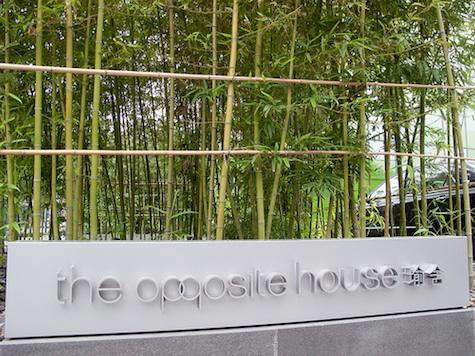
Note: The Opposite House in Beijing closed as a hotel in 2024 after 16 years of operation. This article reviews its legacy, design, location, guest experience, dining reputation, and why it remains an important name in Beijing luxury lodging history.
A Beijing Hotel That Refused to Behave Like a Hotel
The Opposite House in Beijing was never the kind of hotel that politely blended into the beige wallpaper of luxury travel. It arrived in Sanlitun like a stylish guest who shows up to dinner wearing architectural glass, minimalist confidence, and just enough mystery to make everyone at the table sit up straighter. For travelers searching for a Beijing design hotel with personality, it became one of the city’s most memorable addresses.
Located in Taikoo Li Sanlitun, one of Beijing’s busiest shopping, dining, nightlife, and lifestyle districts, The Opposite House offered a very different interpretation of urban hospitality. Instead of heavy chandeliers, marble overload, and a lobby that whispered “corporate banquet,” the hotel leaned into contemporary art, open space, warm wood, green glass, and a sense of calm that felt almost mischievous in the middle of Beijing’s energy.
Although it is no longer accepting guests, The Opposite House still deserves attention from anyone interested in luxury hotels in Beijing, boutique lodging, Kengo Kuma architecture, or the evolution of high-end travel in China. Some hotels are useful because you can book them tonight. Others are useful because they changed the conversation. The Opposite House belongs firmly in the second group.
The Location: Sanlitun, Where Beijing Puts on Its Cool Jacket
The Opposite House stood in Taikoo Li Sanlitun North, at No. 11 Sanlitun Road in Beijing’s Chaoyang District. That location mattered. Sanlitun is not the quiet, postcard version of Beijing with temple roofs glowing under sunset. It is the city in sneakers, designer glasses, and a phone full of dinner reservations. Embassies, boutiques, restaurants, bars, galleries, cafés, and global fashion brands all orbit the neighborhood.
For leisure travelers, the setting made the hotel feel plugged into the city’s social circuit. Guests could step outside and find shopping, cocktails, casual dining, and people-watching within minutes. For business travelers, Chaoyang’s commercial importance made the address practical without feeling like a glass-box office district. It was a rare Beijing lodging option that could satisfy both the executive with a morning meeting and the traveler who planned to spend the afternoon pretending that “just browsing” at boutiques never turns into a shopping bag situation.
Sanlitun also gave The Opposite House a strong sense of contrast. Beijing is a city of imperial monuments, hutong alleyways, ring roads, skyscrapers, and ultra-modern retail. The hotel sat right in the middle of that tension, using design to translate old courtyard living into a contemporary urban format.
Architecture by Kengo Kuma: A Courtyard Reimagined
The Opposite House was designed by celebrated Japanese architect Kengo Kuma, whose work often explores texture, light, nature, and the relationship between buildings and their surroundings. Completed in 2008, the hotel was part of a broader Sanlitun development and quickly became known for its emerald-toned glass exterior.
From the street, the building looked like a calm green cube quietly observing the chaos around it. It did not shout. It shimmered. The façade created a veil between the busy neighborhood and the serene interior, a clever hospitality trick that said, “Yes, Beijing is buzzing outside, but inside we have lowered the volume.”
A Modern Take on the Chinese Courtyard House
The hotel’s name came from the idea of the building opposite the main house in a traditional Chinese courtyard compound, historically a place where honored guests might stay. That concept shaped the entire mood of the property. Rather than treating the hotel as a sealed vertical tower, Kuma and his team organized it around a central atrium, echoing the social and spatial logic of courtyard living.
The atrium became the hotel’s emotional center. It was not merely a passageway from check-in to elevator. It was a gallery-like space, a pause, a breathing room, and occasionally a stage for art installations. In a city where scale can feel overwhelming, The Opposite House created intimacy through proportion, light, and movement.
Materials That Did the Talking
Inside, natural wood, bamboo, stone, stainless steel mesh, glass, and soft lighting gave the property a tactile personality. The hotel was minimalist, but not cold. It had the discipline of Japanese design and the warmth of a Beijing residence that knew how to host. The design avoided unnecessary decoration, proving that luxury does not always need to arrive carrying twelve cushions and a gold tassel.
Rooms and Suites: Space, Light, and the Joy of Not Bumping Into Furniture
One reason The Opposite House earned such loyalty was its room design. The property had roughly 99 guest rooms and suites, with spacious studios that felt generous by urban hotel standards. Many rooms featured floor-to-ceiling windows, open-plan layouts, natural wood floors, subtle Chinese decorative touches, and large bathrooms with deep soaking tubs.
The rooms were designed for travelers who appreciated calm more than clutter. Instead of filling every corner with ornamental furniture, the hotel gave guests space to breathe, stretch, unpack, work, and enjoy the view over Sanlitun. A guest could actually open a suitcase without performing a complicated dance around the bed. In luxury travel, this is not a small miracle.
Higher room categories offered more expansive layouts, while the famous penthouse suite became known for its residential scale, dramatic design, and private entertaining possibilities. The overall effect was less “hotel room” and more “stylish Beijing apartment you wish your friend owned.”
Who Loved the Rooms?
The Opposite House appealed to design-conscious travelers, creative professionals, fashion insiders, couples, solo luxury travelers, and business guests who wanted something more personal than a standard international chain. It was a natural fit for people who notice lighting, furniture placement, bathroom products, and whether a hotel feels alive after 8 p.m.
Dining: From Peking Duck to Cocktails With a Passport
Food and beverage played a major role in the hotel’s identity. The Opposite House was not simply a place to sleep near restaurants; it became a dining destination in its own right. Its best-known restaurant, Jing Yaa Tang, earned recognition for regional Chinese cuisine and became especially associated with Peking duck. The restaurant received a Michelin star in the inaugural Michelin Guide Beijing 2020, a major milestone for the hotel’s culinary reputation.
Jing Yaa Tang combined classic Chinese flavors with theatrical contemporary design. It had the mood of a dining room that understood drama but did not need to throw confetti to prove it. Guests came for duck, dim sum, regional specialties, and the pleasure of eating Chinese cuisine in a setting that felt polished without becoming stiff.
Union, Frasca, and Superfly
During its later renovation era, The Opposite House expanded and refreshed its dining and bar concepts. Union served as a modern cocktail bar inspired by the Silk Road, mixing global references with Beijing nightlife energy. Frasca brought Italian cooking into the hotel’s culinary lineup, while Superfly offered a lively Sichuan-inspired experience with pop culture attitude and bold interiors.
Together, these venues helped the hotel feel less like a closed-off luxury property and more like a social hub. Locals could stop in for dinner or drinks, while guests could stay inside the hotel and still feel connected to the city. That is a difficult balance. Many hotel restaurants feel like emergency backup plans. The Opposite House made them part of the main event.
Art, Culture, and the Lobby That Wasn’t Really a Lobby
The Opposite House was often described as having an art-gallery atmosphere. Its public spaces hosted rotating exhibitions, contemporary installations, fashion events, pop-ups, and cultural programming. The atrium, with its scale and softness, made art feel integrated into the guest experience rather than pinned to the wall as decoration.
In 2020 and 2021, the hotel completed a major refresh of public areas, restaurants, bars, event spaces, and guest rooms. The renovation reinforced its identity as a “House of Art,” a phrase that suited the property better than a standard hospitality slogan. The hotel’s refreshed lobby included Kengo Kuma’s “Origami” installation, which used translucent materials to create a delicate screen of light.
This focus on art helped The Opposite House stand apart from other luxury hotels in Beijing. It did not rely solely on service standards, thread counts, or address prestige. It gave guests something to look at, think about, and photograph without feeling like the hotel had been designed only for social media. Admittedly, social media did just fine there anyway.
Wellness and Amenities: Urban Retreat Energy
Beyond rooms and restaurants, The Opposite House offered the amenities expected from a high-end Beijing hotel: a swimming pool, fitness facilities, spa-style relaxation areas, meeting and event spaces, and attentive guest services. Its pool area became part of the hotel’s quiet appeal, giving travelers a place to decompress after a day of traffic, shopping, sightseeing, or diplomatic-level menu decisions.
The property also understood that modern luxury is often about ease. Smooth service, multilingual staff, flexible social spaces, and a central location created a stay that felt both polished and personal. The lack of a conventional reception-desk mood gave arrivals a more relaxed tone. It was hospitality with fewer barriers and more flow.
For meetings and events, the hotel’s design-led spaces gave brands, private groups, and corporate guests a more memorable alternative to the standard ballroom formula. Natural light, gallery energy, and Sanlitun access made it useful for launches, dinners, creative gatherings, and stylish business functions.
Why The Opposite House Became a Beijing Lodging Icon
The Opposite House mattered because it arrived at a moment when Beijing luxury hospitality was ready for a different vocabulary. For years, many high-end hotels leaned on grandeur: giant lobbies, heavy décor, formal service, and a sense that luxury needed to look expensive from across the street. The Opposite House suggested another path. It made luxury feel lighter, more artistic, more local, and more contemporary.
Its influence came from several strengths working together. First, the architecture was genuinely distinctive. Second, the location placed guests inside one of Beijing’s most dynamic neighborhoods. Third, the food and beverage program attracted both travelers and locals. Fourth, the service style felt personal rather than ceremonial. Finally, the hotel connected with the city’s creative class, which gave it cultural credibility beyond the usual five-star checklist.
The result was a property that appeared repeatedly in major travel rankings and editorial lists. It was praised by design publications, luxury travel editors, and hotel reviewers for its architecture, atmosphere, and role in shaping modern Beijing hospitality.
The 2024 Closure: What Travelers Should Know
The most important practical detail is simple: The Opposite House is closed. In 2024, Swire Properties announced that the hotel would cease operations after 16 years. The former hotel site in Taikoo Li Sanlitun is being redeveloped as part of a new retail landmark project focused on global flagship stores and an upgraded shopping experience.
That means travelers planning a Beijing trip should not treat The Opposite House as a current lodging option. If you see outdated booking pages, old hotel profiles, or cached room information online, check carefully before making plans. The name remains powerful in travel writing, but the beds are no longer waiting for guests. The pillows, sadly, have left the chat.
Still, the hotel’s story is useful for travelers choosing where to stay in Beijing today. It shows what made Sanlitun appealing: walkable lifestyle energy, dining variety, nightlife, embassies, boutiques, and access to Beijing’s modern side. Visitors who admired The Opposite House may want to look for current boutique hotels, design-led luxury properties, or stylish serviced residences in Sanlitun, Chaoyang, Dongcheng, or near Beijing’s cultural districts.
Best For: The Traveler The Opposite House Was Built to Impress
The Opposite House was ideal for travelers who preferred character over predictability. If your dream hotel has a lobby that looks like every other luxury lobby in every other world capital, this was not your safest emotional support marble palace. But if you wanted a hotel with art, architecture, neighborhood energy, and a sense of place, it was close to perfect.
Design Lovers
Anyone interested in Kengo Kuma, contemporary hotel architecture, or Asian design would have found plenty to admire. The building was not merely a container for rooms; it was the main attraction.
Food Travelers
With Jing Yaa Tang and its other dining venues, the hotel gave food-focused guests a strong reason to stay in-house. Peking duck, Sichuan flavors, Italian comfort, and creative cocktails made the property unusually satisfying for a hotel dining ecosystem.
Urban Explorers
Travelers who wanted Beijing’s modern shopping, nightlife, and restaurant scene right outside the door were well served by the Sanlitun address. It was not the quietest neighborhood, but it was one of the most entertaining.
Practical Lessons for Choosing Hotels in Beijing Today
Because The Opposite House is now part of Beijing hospitality history, travelers can use its strengths as a checklist for selecting a current hotel. First, choose a neighborhood that matches your itinerary. Sanlitun is excellent for dining, shopping, nightlife, and embassies. Dongcheng is stronger for heritage attractions, hutongs, and proximity to the Forbidden City. Guomao and the CBD are practical for business travel.
Second, look beyond star ratings. A five-star hotel can be technically excellent and emotionally forgettable. The Opposite House proved that memorable lodging comes from design, service, atmosphere, food, and neighborhood connection working together.
Third, check the freshness of hotel information. Beijing changes quickly. Restaurants close, neighborhoods evolve, subway access improves, and famous properties may be redeveloped. Before booking any hotel, confirm current operation status, recent guest reviews, dining availability, renovation notices, and transportation details.
Finally, decide what kind of Beijing you want to experience. Imperial Beijing, business Beijing, hutong Beijing, nightlife Beijing, and design Beijing can all feel like different cities sharing one enormous map. The Opposite House belonged to design Beijing: stylish, confident, creative, and just a little bit too cool to explain itself.
Experience Notes: What a Stay at The Opposite House Felt Like
Imagine arriving in Sanlitun after a long flight, the kind where your neck has formed a temporary diplomatic alliance with the airplane window. Outside, Beijing is doing what Beijing does best: moving, honking, glowing, negotiating, eating, shopping, and somehow fitting ten moods into one intersection. Then you step toward The Opposite House, and the green glass façade shifts the tone. The city does not disappear, but it softens. That was the hotel’s first trick.
Inside, the atrium changed the rhythm of arrival. Instead of marching up to a formal desk and performing the usual passport-and-credit-card ceremony under a chandelier large enough to have its own weather system, guests entered something more fluid. Staff approached with calm confidence. Art occupied the space like it belonged there. Light fell through screens and materials in a way that made the lobby feel less like a waiting area and more like a gallery that happened to know your room number.
The rooms continued that feeling of relief. After the sensory overload of Beijing streets, the warm wood and clean lines created a welcome reset. Floor-to-ceiling windows reminded you that Sanlitun was still there, but the room kept it at a civilized distance. The bathroom, often one of the best tests of hotel seriousness, offered the kind of deep tub that encourages travelers to make dramatic statements like, “I am never leaving,” even when checkout is tomorrow at noon.
A typical day at The Opposite House could move easily between moods. Morning might begin with coffee and a slow look over the neighborhood. Midday could mean shopping in Taikoo Li, visiting a gallery, or heading across Beijing for historical sightseeing. By late afternoon, the hotel became a refuge again. You could swim, rest, read, or pretend to answer emails while actually researching dinner. This is called balance, and hotels should support it more often.
Dinner at Jing Yaa Tang gave the stay a local anchor. Peking duck in Beijing is not just a meal; it is an event with crispy skin, careful slicing, thin pancakes, sauces, and the quiet pressure not to overfill your wrap like an amateur. The restaurant’s polished setting made the experience feel special without removing the pleasure of the food itself. Later, drinks at Union could shift the evening toward cocktails and conversation, proving that the hotel understood both ceremony and fun.
What made the experience memorable was not one single luxury feature. It was the sequence: energetic neighborhood, calming entrance, artful public spaces, spacious room, strong dining, and service that knew when to appear. The Opposite House did not feel like a hotel trying to impress everyone. It felt like a hotel designed for people who already knew what they liked. That confidence is rare. It is also why, even after closing, the property remains part of Beijing’s lodging memory.
For today’s traveler, the experience offers a useful lesson. The best hotel is not always the newest, tallest, or most expensive. It is the one that changes your relationship with the city outside its doors. The Opposite House made Beijing feel sharper, calmer, more stylish, and more approachable all at once. Not bad for a green glass cube in Sanlitun.
Conclusion: The Opposite House Still Has Something to Teach Travelers
The Opposite House in Beijing may no longer operate as a hotel, but its influence remains easy to understand. It showed that luxury lodging in Beijing could be contemporary without becoming generic, artistic without becoming impractical, and deeply connected to place without leaning on clichés. Its Sanlitun location, Kengo Kuma architecture, courtyard-inspired layout, gallery-like atrium, Michelin-recognized dining, and relaxed service style made it one of the city’s defining design hotels.
For travelers, the key takeaway is not simply nostalgia. The Opposite House reminds us to choose hotels that do more than provide a bed. Great lodging shapes the way a city feels. It gives you a base, a mood, a story, and occasionally a bathtub that fixes your entire personality after a long-haul flight. Beijing has many hotels, but few have left behind a design legacy as distinct as The Opposite House.
If you are planning a Beijing trip today, you cannot book The Opposite House, but you can borrow its standards. Look for a hotel with a strong neighborhood, thoughtful architecture, excellent dining, and a point of view. That is the real legacy of this landmark property: it raised the bar for what a city hotel could be, then exited gracefully enough to make people keep talking about it.