Note: This publish-ready article is written in original language and synthesized from current home, garden, design, and sustainability trend reporting from reputable U.S. sources.
Your home and garden are no longer two separate kingdoms divided by a sliding glass door, a muddy doormat, and one suspiciously crunchy houseplant. Today’s biggest home and gardening trends are all about connection: indoor rooms that feel more natural, outdoor spaces that work harder, gardens that feed pollinators and people, and design choices that feel personal instead of copied straight from a showroom floor.
The best part? You do not need a mansion, a landscape crew, or a budget that makes your wallet audibly gasp. Many of the smartest trends are practical, affordable, and surprisingly easy to try. A few native plants, a cozy patio corner, a warmer paint color, a raised herb bed, or better outdoor lighting can make your home feel fresher, calmer, and more useful almost immediately.
Below are the home and gardening trends worth trying now, especially if you want a space that looks beautiful, supports everyday life, and does not require you to become the full-time employee of your own yard.
1. Outdoor Rooms That Feel Like Real Living Spaces
One of the strongest home and garden trends is the rise of the outdoor room. Patios, decks, balconies, porches, and even small front yards are being treated like extensions of the home rather than leftover square footage. The goal is simple: make outdoor areas comfortable enough that you actually use them.
Instead of placing two lonely chairs outside and hoping for the best, homeowners are creating zones for dining, reading, conversation, grilling, and relaxing. Think weather-resistant sofas, outdoor rugs, side tables, planters, shade sails, string lights, and cushions that say, “Yes, I belong outside, and no, I will not dissolve at the first drizzle.”
How to try it
Start with one activity you already enjoy. If you drink coffee every morning, create a small coffee corner on the porch. If you love hosting, add a dining table or modular seating. If you want a quiet escape, place a bench under a tree or beside tall ornamental grasses. The trend works best when it supports your real habits, not an imaginary version of you who casually hosts garden brunches every Saturday.
2. Native Plants and Pollinator-Friendly Gardens
Native plants continue to dominate modern gardening because they are practical, beautiful, and ecologically valuable. These plants are adapted to local conditions, which means they often need less water, fertilizer, and fuss once established. They also provide food and habitat for bees, butterflies, birds, and other beneficial wildlife.
Pollinator gardens are also becoming more layered and thoughtful. Instead of planting only for butterflies and hummingbirds, gardeners are thinking about the “supporting cast” of the ecosystem: native bees, beneficial wasps, beetles, moths, and insects that quietly keep the garden running like tiny unpaid interns.
How to try it
Replace a small patch of lawn with native perennials, grasses, or shrubs suited to your region. Add plants that bloom at different times of year so pollinators have a steady food source. In many parts of the United States, options like milkweed, coneflower, bee balm, black-eyed Susan, blazing star, goldenrod, and native grasses can bring color and movement while supporting wildlife.
3. Shrinking the Lawn Without Losing the Yard
The traditional lawn is not disappearing, but it is being rethought. Many homeowners are reducing turf areas and replacing them with garden beds, groundcovers, meadow-style plantings, gravel paths, seating areas, and edible landscapes. This trend makes sense: lawns can demand frequent mowing, watering, and maintenance, while diversified landscapes can offer more beauty and ecological value.
Shrinking the lawn does not mean your yard has to look wild or abandoned. Done well, it can look intentional, polished, and more interesting than a flat green rectangle that exists mainly to embarrass you when the neighbor mows first.
How to try it
Begin with the least-used corner of your lawn. Turn it into a curved planting bed, a gravel seating area, a small meadow strip, or a rain garden. Use edging, paths, and repeated plant groupings to keep the design tidy. A reduced-lawn yard can still feel clean and organized when the layout has structure.
4. Water-Wise Gardening and Climate-Resilient Landscapes
Climate-aware gardening is now mainstream. Gardeners are choosing plants that can handle heat, drought, heavy rain, and unpredictable weather. Water-wise gardens are especially popular in regions where summers are hotter and water restrictions are more common.
This trend is not about creating a sad yard full of rocks and one heroic cactus. Water-wise gardens can be lush, colorful, and full of texture. The key is choosing the right plants for the right place and improving the soil so it holds moisture efficiently.
How to try it
Group plants by water needs, use mulch to reduce evaporation, collect rainwater where local rules allow, and choose drought-tolerant species for hot exposed areas. Consider gravel gardens, Mediterranean-style herbs, ornamental grasses, succulents, native shrubs, and deep-rooted perennials. Drip irrigation is also a smart upgrade because it sends water directly to the roots instead of performing a dramatic sprinkler ballet for the driveway.
5. Edible Landscaping and Beautiful Food Gardens
Food gardens are getting prettier. Instead of hiding vegetables in a far corner like they owe someone money, homeowners are mixing edible plants into ornamental beds. This approach, often called foodscaping or edible landscaping, combines beauty and usefulness.
Herbs, berries, leafy greens, fruit trees, edible flowers, and compact vegetables can all become part of the landscape. Rainbow chard adds color, rosemary brings fragrance and structure, nasturtiums offer edible flowers, and blueberries can work as attractive shrubs in the right soil.
How to try it
Mix herbs into borders near the kitchen, tuck strawberries along a path, plant dwarf fruit trees in containers, or grow lettuce and kale in raised beds with flowers around the edges. If you are new to edible gardening, start with herbs. Basil, thyme, mint, parsley, chives, and rosemary are beginner-friendly and make weeknight cooking feel suspiciously gourmet.
6. Modular Outdoor Kitchens and Flexible Entertaining
Outdoor kitchens are becoming more flexible and less intimidating. Instead of committing to a massive built-in setup, many homeowners are choosing modular pieces: movable grill stations, prep tables, storage carts, outdoor islands, pizza ovens, beverage coolers, and weather-resistant cabinets.
This trend fits modern life because outdoor spaces often need to multitask. One weekend, the patio is a family dinner zone. The next, it is a birthday party headquarters. On Tuesday night, it is where someone grills chicken while pretending not to check email.
How to try it
You do not need a full outdoor kitchen to benefit from this trend. Start with a sturdy prep table near the grill, a rolling cart for tools and seasonings, and a small storage box for outdoor dishes. Add task lighting and a trash station so cooking outside does not become a scavenger hunt.
7. Warm Earth Tones and Sun-Washed Colors
Inside the home, cool grays and stark whites are giving way to warmer, softer colors. Earthy shades like clay, terracotta, moss, olive, sand, mushroom, ochre, rust, and muted blue are showing up in kitchens, living rooms, bedrooms, patios, and garden furniture.
Sun-washed colors are especially appealing because they feel relaxed and lived-in. They add character without shouting. A sun-faded coral pillow, a sage green cabinet, or a soft ochre wall can make a room feel warm and current without turning it into a theme park called “Trendy Beige Adventure.”
How to try it
Use warm colors in low-risk places first: pillows, planters, throws, outdoor cushions, table linens, painted furniture, or a small accent wall. For a bigger change, try a tonal palette in one room by layering similar shades. For example, pair warm taupe walls with cream textiles, wood furniture, and clay-colored accessories.
8. Biophilic Design: Bringing Nature Indoors
Biophilic design is the practice of connecting interiors with nature. It can include houseplants, natural light, organic shapes, wood, stone, water features, botanical prints, nature-inspired colors, and views of the garden. The trend continues to grow because people want homes that feel calming, restorative, and less like they were assembled during a fluorescent-light emergency.
Houseplants are also becoming more intentional. Rather than scattering random plants around the house, homeowners are creating plant moments: a statement tree in the living room, a shelf of trailing plants, a kitchen herb window, or a bathroom fern collection that enjoys the humidity more than most humans enjoy vacation.
How to try it
Place plants where they can thrive, not just where they look cute for three days. Match light levels to plant needs. Use natural textures such as rattan, linen, wood, stoneware, and jute. Keep window treatments light enough to let daylight in, and arrange furniture so you can enjoy views of trees, sky, or garden beds.
9. Wellness Corners and Restorative Spaces
Homes are being designed with wellness in mind. This does not always mean building a luxury spa bathroom or a full yoga studio. Often, it means creating small areas that help you reset: a reading nook, meditation corner, stretching space, tea station, garden bench, or quiet bedroom zone with better lighting and fewer distractions.
The garden plays a major role in this trend. Many people are using gardening itself as a wellness practice because it gets them outside, slows the mind, and provides a break from screens. Pulling weeds may not sound glamorous, but it is surprisingly satisfying when the alternative is reading one more dramatic comment thread online.
How to try it
Choose one spot in your home or yard and make it calmer. Add a comfortable seat, soft lighting, plants, and a small surface for a book or drink. In the garden, create a sensory area with fragrant herbs, textured foliage, wind chimes, or a small fountain. The goal is not perfection; it is a place that makes your nervous system stop acting like it just received 47 emails marked urgent.
10. Pet-Friendly Gardens and “Catio” Culture
Pet-friendly design is having a major moment. Homeowners are thinking about how outdoor spaces can support dogs, cats, and other furry family members safely. This includes non-toxic plants, durable groundcovers, shaded resting areas, secure fencing, pet paths, rinsing stations, and enclosed cat patios known as catios.
A pet-friendly garden does not have to look like a dog park with better branding. It can be attractive, layered, and stylish while still giving animals room to sniff, lounge, and supervise your gardening choices with silent judgment.
How to try it
Research plant toxicity before adding new species, especially if your pet likes to sample the landscaping. Use sturdy groundcovers in high-traffic areas, provide shade and water, and create designated paths for dogs that love patrol duty. For cats, a screened enclosure can offer outdoor stimulation while keeping wildlife safer.
11. Joyful, Personal Decor Outdoors
Outdoor design is becoming more expressive. Instead of keeping patios neutral for imaginary future buyers, homeowners are adding personality through color, pattern, art, vintage finds, painted furniture, patterned umbrellas, playful planters, and collected objects.
This trend is sometimes described as joy-driven or dopamine decor. The idea is simple: your space should make you happy. A bright yellow chair, a striped outdoor rug, a funky ceramic planter, or a mural on a fence can bring energy to a garden without requiring a full redesign.
How to try it
Pick one joyful element and build around it. Maybe it is a patterned cushion, a painted bistro set, or a collection of colorful pots. Repeat one or two colors so the space feels intentional instead of chaotic. Outdoor areas are a great place to experiment because seasonal decor can be changed more easily than major indoor finishes.
12. Low-Maintenance, High-Impact Gardening
Low-maintenance gardening remains one of the most practical trends because people want beauty without endless chores. The focus is on resilient plants, smart layouts, mulch, drip irrigation, containers, perennials, shrubs, and designs that look good even when life gets busy.
This does not mean “no maintenance.” Every garden needs some care. But a well-designed low-maintenance garden should not require you to cancel weekend plans because the flower beds are threatening rebellion.
How to try it
Choose fewer plant varieties and repeat them in groups for a cleaner look. Use shrubs and perennials as the backbone of the garden. Add mulch to suppress weeds, and install edging to keep beds neat. If containers are your thing, use larger pots because they dry out more slowly than tiny ones.
13. Small-Space Gardening That Works Hard
Small gardens, balconies, patios, and compact yards are getting smarter. Vertical planters, railing boxes, stacked herbs, dwarf fruit trees, foldable furniture, wall-mounted shelves, and narrow raised beds make it possible to grow more in less space.
The secret is to think vertically and choose multipurpose pieces. A bench with storage, a trellis with climbing beans, or a narrow console table that works as a potting station can transform a small area into a functional outdoor room.
How to try it
Grow up instead of out. Add a trellis, wall planter, hanging basket, or tiered plant stand. Use compact plant varieties labeled for containers or patios. Keep furniture scaled to the space, and leave enough room to move comfortably. A balcony should feel like a retreat, not a furniture obstacle course.
14. Natural Materials and Tactile Texture
Texture is becoming just as important as color. Indoors and outdoors, homeowners are choosing materials that feel natural and touchable: wood, stone, terracotta, linen, wool, rattan, clay, gravel, limewash, aged metal, and handmade ceramics.
This trend gives spaces depth and warmth. It also pairs beautifully with plants. A terracotta pot, a wood bench, gravel underfoot, and soft green foliage can create a calm, timeless look that does not depend on a passing micro-trend.
How to try it
Layer textures gradually. Add woven baskets indoors, terracotta pots outside, a jute rug, linen curtains, stone stepping paths, or wood furniture. The goal is to make the space feel grounded and human, not overly polished. A little imperfection is part of the charm.
15. Smarter Lighting for Homes and Gardens
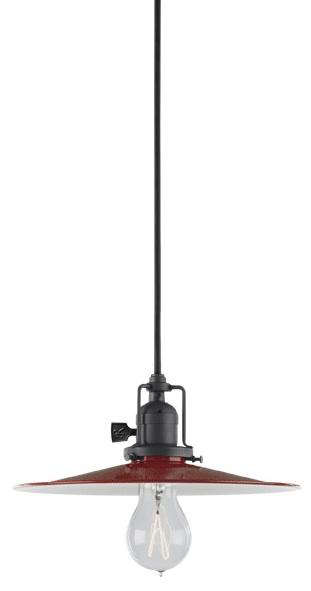
Lighting is one of the easiest upgrades with the biggest impact. Indoors, layered lighting makes rooms more comfortable. Outdoors, good lighting extends the use of patios, improves safety, and makes garden features visible after sunset.
Modern outdoor lighting is softer and more strategic than the old “stadium floodlight pointed directly at the neighbor’s bedroom” approach. Path lights, lanterns, sconces, solar accents, step lights, and string lights can create atmosphere without overwhelming the space.
How to try it
Use three types of lighting: task lighting for cooking or reading, ambient lighting for general glow, and accent lighting for plants, walls, or pathways. Warm light usually feels more inviting than cool white light. Place lights low and indirect whenever possible for a cozy effect.
Practical Experience: What Actually Works When You Try These Trends
Trends are fun to read about, but the real test happens when you bring them into an actual home with actual weather, actual pets, actual budgets, and actual people who forget to water the basil. From practical experience, the most successful home and gardening updates are the ones that solve a daily problem while adding beauty.
For example, creating an outdoor room sounds glamorous, but the first step is usually not buying the perfect sofa. It is figuring out why you do not already sit outside. Is there too much sun? Add shade. Are there mosquitoes? Improve airflow and remove standing water. Is there nowhere to put a drink? Add a small table. Is the space visible from the street? Use planters or a screen for privacy. Once the basic discomforts are fixed, the pretty parts become much more useful.
The same is true in the garden. Native plants are a wonderful trend, but they still need thoughtful placement. A sun-loving prairie plant will not magically thrive in deep shade just because it is native somewhere in the same state. Before planting, watch your light patterns for a few days. Notice where water collects after rain. Check your soil. These small observations prevent expensive mistakes and reduce the chance of standing in the yard later, staring at a crispy plant and whispering, “But the internet said you were easy.”
Edible landscaping is another trend that works best when kept close to daily routines. Herbs near the kitchen door get used. Lettuce in a raised bed near the hose gets watered. Tomatoes hidden behind the garage become a science experiment. If you want to grow food, make access easy. Start with a small herb bed, a few containers, or one raised planter before committing to a vegetable empire.
Color trends also deserve a realistic approach. Warm earth tones, sun-washed hues, and joyful outdoor decor can refresh a space quickly, but you do not need to repaint the whole house. Try color in items that are easy to change: cushions, planters, throws, lampshades, artwork, or a single painted chair. If you still love the color after a full season, then consider a larger update.
Low-maintenance gardening has one golden rule: design before buying plants. Garden centers are dangerous places for optimistic people. Everything looks adorable in a nursery pot. But a good garden needs structure first. Decide where paths, seating, trees, shrubs, and main beds will go. Then fill in with perennials and seasonal color. This creates a garden that still looks good in winter, during busy weeks, and in that awkward period when half the plants are “resting,” which is garden language for looking questionable.
For small spaces, vertical thinking makes the biggest difference. A balcony with three floor pots can feel crowded, but the same balcony with railing planters, a wall shelf, and one slim chair can feel charming. Choose fewer, better pieces. Use repetition. Keep the floor as open as possible. Small spaces reward discipline, which is unfortunate but true.
The best advice is to treat trends as a menu, not a checklist. You do not need a native meadow, outdoor kitchen, catio, wellness corner, edible border, and terracotta color palette all by next weekend. Pick one trend that fits your lifestyle and test it in a small way. A home and garden should evolve over time. The goal is not to impress strangers online; it is to create a place where real life feels easier, greener, and a little more delightful.
Conclusion: Make Your Home and Garden Feel More Like You
The best home and gardening trends to try are not about chasing every new idea. They are about making your space more comfortable, resilient, personal, and connected to nature. Outdoor rooms make yards more livable. Native plants and pollinator gardens support local ecosystems. Edible landscaping brings beauty and food together. Warm colors, natural textures, and biophilic design make interiors feel calmer. Smart lighting, low-maintenance planting, and small-space solutions make everyday life easier.
Start small, choose trends that match your climate and lifestyle, and give yourself permission to experiment. A beautiful home and garden should not feel like a museum. It should feel alive, useful, welcoming, and maybe just a little bit dirt-under-the-fingernails charming.