Holiday hosting sounds magical until you realize your oven has only two racks, your cousin is “mostly gluten-free,” the dog has claimed the guest bed, and someone will absolutely ask where the gravy boat is even though you have never owned a gravy boat in your life. The good news? A warm, memorable holiday gathering does not require a magazine-cover home, a twelve-course menu, or the emotional stamina of a banquet manager. It requires planning, flow, food safety, flexibility, and the confidence to serve store-bought rolls without issuing a public apology.
These holiday hosting tips are designed for real homes, real schedules, and real people who want guests to feel welcome without turning the host into a frazzled snow globe. Whether you are hosting Thanksgiving dinner, Christmas brunch, Hanukkah latkes, New Year’s appetizers, or a casual winter potluck, the best strategy is simple: prepare the parts that matter most, simplify the parts nobody remembers, and create an atmosphere where people can relax.
Start With the Guest Experience, Not the Pinterest Board
Before you choose napkin rings, ask one practical question: “How will guests move, eat, talk, sit, and feel in this space?” Great holiday entertaining begins with guest comfort. A beautiful centerpiece is lovely, but if it blocks everyone’s view and forces Aunt Linda to speak to the mashed potatoes all night, it has failed its mission.
Think through the arrival experience first. Where will people put coats, shoes, umbrellas, purses, gifts, and mystery casserole dishes wrapped in foil? Clear the entryway, designate a coat zone, and make it obvious where guests should go when they walk in. A simple sign, basket, or open closet space prevents the awkward “Do I just hold my jacket for three hours?” moment.
Create Zones for Easy Movement
Holiday gatherings work better when the home is divided into small stations. Set drinks in one area, appetizers in another, main dishes on the buffet or dining table, and desserts away from the oven chaos. This keeps people from forming a human traffic jam in the kitchen while you are trying to rescue the green beans.
For small spaces, move unnecessary furniture temporarily. A side chair that normally looks charming may become a shin-level obstacle during a party. Use folding tables, carts, shelves, or even a cleared bookcase as serving surfaces. The goal is not perfection; it is flow.
Plan the Menu Like a Calm Person From the Future
The holiday menu is where many hosts accidentally build a trap for themselves. They choose too many new recipes, too many oven-dependent dishes, and too many items that must be finished at exactly 5:47 p.m. while guests are asking where the bathroom is. A better holiday hosting strategy is to balance impressive dishes with low-maintenance ones.
Choose one star dish, such as turkey, roast beef, glazed ham, salmon, lasagna, or a vegetarian centerpiece. Then build the rest of the meal around make-ahead sides, room-temperature dishes, and simple finishing touches. Mashed potatoes, stuffing, casseroles, salads, roasted vegetables, cranberry sauce, dips, pies, and cookie trays can often be prepared in advance or partially assembled early.
Use the “One New Recipe” Rule
Trying a new recipe is fun. Trying six new recipes for twelve hungry people is a reality show audition. Limit yourself to one unfamiliar dish and rely on trusted favorites for the rest. Guests are not grading culinary originality; they are hoping the food tastes good and the host is not whispering threats at the oven.
Ask About Dietary Needs Early
Ask guests about allergies, food restrictions, and dietary preferences when they RSVP. Keep the wording simple: “Do you have any allergies or dietary needs I should know about?” This gives guests a chance to mention gluten-free, vegetarian, dairy-free, nut allergies, or other concerns without making the conversation dramatic.
You do not need to create a separate restaurant menu for every person. Instead, aim for a few flexible dishes: a naturally vegetarian side, a dairy-free salad dressing, a gluten-free dessert option, or a protein-free appetizer. Label dishes when helpful, especially if nuts, shellfish, dairy, or wheat are involved.
Make a Timeline, Then Add Breathing Room
A hosting timeline is not about being rigid. It is about protecting your future self from chaos. Start three to seven days before the event. Write down the menu, grocery list, serving dishes, cleaning tasks, and cooking schedule. Then decide what can be done early.
Two or three days ahead, shop for shelf-stable items, drinks, napkins, candles, and pantry staples. The day before, chop vegetables, prepare desserts, set the table, chill beverages, make sauces, and organize serving dishes with sticky notes. On the day of the party, you should not be searching for a platter while holding a ladle and questioning your life choices.
Label Serving Pieces in Advance
One of the smartest holiday hosting tips is beautifully boring: assign every dish to a serving bowl or platter before guests arrive. Put a sticky note on each dish: “stuffing,” “salad,” “rolls,” “cookies,” “gravy.” This prevents the classic last-minute scramble where the cranberry sauce ends up in a coffee mug because all bowls have mysteriously vanished.
Clean What Guests Notice Most
You do not need to deep-clean the garage, reorganize the junk drawer, or polish the underside of the sofa. Focus on high-impact areas: entryway, guest bathroom, kitchen counters, dining area, seating zones, and floors. Guests notice clear surfaces, fresh towels, clean sinks, good lighting, and a home that smells pleasant.
The guest bathroom deserves special attention. Stock extra toilet paper, hand soap, clean hand towels or disposable guest towels, a small trash can, and air freshener. Remove personal clutter from counters. Nobody needs to meet your entire skincare lineup during dessert.
Use the 30-Minute Reset
Short on time? Do a fast reset: clear visible clutter into a basket, wipe counters, clean the bathroom, fluff pillows, vacuum high-traffic areas, empty trash cans, and turn on warm lamps. Add one welcoming detail such as a candle, bowl of oranges, fresh greenery, or a small vase of flowers. Hospitality is not measured by baseboards.
Set the Mood With All Five Senses
Memorable holiday entertaining is sensory. Guests remember the smell of cinnamon, the glow of warm light, the sound of music, the feel of soft napkins, and the taste of something delicious handed to them shortly after they arrive.
Lighting is the fastest mood upgrade. Turn off harsh overhead lights when possible and use lamps, candles, string lights, or dimmers. Choose a playlist that matches the gathering: classic holiday music, jazz, acoustic, soul, or low-key dinner party background. Keep the volume low enough that guests do not need to shout over Bing Crosby.
Control Scent Carefully
A pleasant scent can make a home feel festive, but do not overdo it. Strong candles, plug-ins, and diffusers can bother guests with allergies or sensitivities. Instead, use subtle options: simmer citrus peels and cinnamon sticks, bake cookies before guests arrive, or add fresh greenery. The goal is cozy, not “department store perfume counter in December.”
Serve Drinks Without Becoming a Full-Time Bartender
A self-serve drink station is a holiday host’s best friend. Offer water, sparkling water, soda, tea, coffee, and one festive signature drink or mocktail. For adult gatherings, you can include wine or a batched cocktail, but keep nonalcoholic options just as thoughtful. A cranberry-orange spritzer, spiced apple punch, hot cocoa bar, or rosemary lemonade feels special without requiring mixology goggles.
Put glasses, napkins, stirrers, ice, garnishes, and a small towel in the same area. If drinks are self-serve, guests feel comfortable helping themselves and you are not trapped refilling cups all night.
Practice Smart Holiday Food Safety
Food safety is not the glamorous part of holiday hosting, but it is the part that keeps your party from becoming legendary for the wrong reason. Large gatherings often include big cuts of meat, buffet-style serving, leftovers, and crowded kitchens, so basic safety habits matter.
Wash hands often before, during, and after food preparation. Keep raw meat, poultry, seafood, and eggs separate from ready-to-eat foods. Use separate cutting boards when possible. Cook foods to safe internal temperatures, and use a food thermometer rather than guessing based on vibes. Refrigerate perishable foods promptly.
Respect the Two-Hour Rule
Perishable foods should not sit at room temperature for more than two hours. If the room is very hot, that window may be shorter. Keep hot foods hot and cold foods cold. For buffet-style serving, use slow cookers, warming trays, chafing dishes, ice bowls, or smaller platters that can be refreshed from the refrigerator.
When storing leftovers, divide food into shallow containers so it cools quickly. Label containers if you are sending guests home with food. Leftovers are a gift; questionable leftovers are a science project with gravy.
Make Guests Feel Useful, Not Put to Work
Many guests genuinely want to help. The trick is giving them simple tasks that do not require a full kitchen orientation. Good guest jobs include filling water glasses, lighting candles, carrying rolls to the table, tossing salad, opening wine, taking coats, entertaining kids, or packing leftovers.
If someone asks, “What can I do?” avoid saying “Nothing!” while visibly juggling four things. Give a clear, manageable task: “Could you put these napkins on the table?” or “Would you mind refilling the ice bucket?” People like feeling included, and you deserve both hands back.
Prepare for Overnight Guests
If guests are staying overnight, treat the guest space like a tiny hotel room with better snacks. Provide clean sheets, extra blankets, towels, a phone charger if possible, tissues, water, a small trash can, and the Wi-Fi password. Clear a little surface space for their belongings. Even a chair, hook, or empty drawer helps.
Place basic toiletries in a basket: toothpaste, toothbrush, shampoo, conditioner, lotion, pain reliever for adults if appropriate, and feminine hygiene products. You do not need luxury amenities, but thoughtful basics prevent guests from whispering at midnight, “Do you think they have another towel?”
Communicate the House Rhythm
Let overnight guests know simple household details: breakfast timing, coffee setup, thermostat quirks, pet routines, parking rules, and whether shoes are worn indoors. Clear communication reduces awkward guessing. It also prevents a guest from accidentally letting the cat into the forbidden room, where the cat apparently has unpaid emotional business.
Keep Kids, Pets, and Multigenerational Guests in Mind
Holiday gatherings often include a mix of ages and energy levels. A little planning keeps everyone happier. For kids, create a small activity station with coloring pages, stickers, puzzles, board games, or holiday crafts. For older relatives, make sure there is comfortable seating, easy bathroom access, and a quieter area away from the loudest part of the party.
If you have pets, tell guests in advance. Some people have allergies, fears, or mobility concerns. During the gathering, give pets a safe retreat away from doors, food, candles, and excited children. Not every dog wants to be the assistant host, even if he looks excellent in a bow tie.
Set the Table With Comfort in Mind
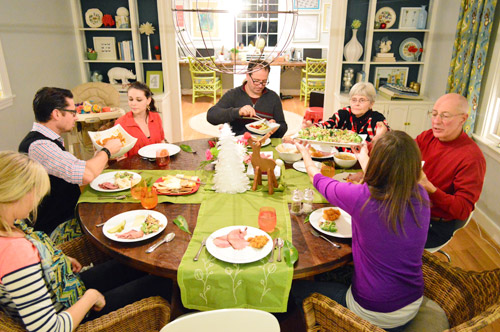
A beautiful table does not need to be expensive. Use layered textures: cloth napkins, simple plates, greenery, candles, fruit, pinecones, ribbon, place cards, or a runner. Keep centerpieces low enough for conversation. If the table is crowded, move décor elsewhere once food is served.
For buffet meals, stack plates at the beginning, place utensils and napkins at the end, and arrange food in a logical order. Put sauces and condiments near the dishes they belong with. Guests should not have to play hide-and-seek with the cranberry sauce.
Have a Backup Plan for Common Holiday Surprises
Something will go slightly wrong. This is not pessimism; it is hosting physics. Someone will arrive early, the rolls will brown too fast, a child will spill juice, or the turkey will take longer than expected. Prepare a few simple backups.
- Keep easy appetizers ready, such as nuts, crackers, cheese, olives, fruit, or dip.
- Have extra ice and drinks.
- Keep stain remover, paper towels, and trash bags nearby.
- Prepare a simple vegetarian or allergy-friendly option.
- Have containers ready for leftovers.
- Set aside a quiet room for tired guests, babies, or overwhelmed pets.
The best hosts are not the ones who avoid every problem. They are the ones who recover with humor and keep the mood light.
Do Not Forget Yourself
One of the most overlooked holiday hosting tips is to prepare the host. Choose your outfit early. Eat something before guests arrive. Drink water. Build in ten minutes to change clothes, breathe, and stop wiping the same counter for the seventh time. Guests enjoy themselves more when the host looks happy to be there.
Remember: people came to spend time with you, not to audit your oven racks. If the pie crust cracks, call it rustic. If the gravy is lumpy, rename it farmhouse-style. If dinner is fifteen minutes late, serve another round of appetizers and act like this was always the plan.
After the Party: Make Cleanup Less Painful
Before the event begins, set yourself up for easier cleanup. Empty the dishwasher, line trash cans, place recycling bins where guests can see them, and keep food storage containers ready. After dinner, clear food first so leftovers are handled safely. Then tackle dishes by category: glasses, plates, serving pieces, cookware.
Accept help when offered. A guest who wants to rinse plates is not insulting your hosting skills; they are trying to be kind. Put on music, pour coffee, and turn cleanup into a gentle closing ritual instead of a punishment.
Real-Life Holiday Hosting Experiences That Actually Help
After hosting enough holiday gatherings, most people learn that the “perfect party” is usually less charming than the flexible one. The most successful holiday dinners often come from small, practical decisions made before anyone rings the doorbell. For example, one experienced host swears by setting the table the night before, not because it looks fancy, but because it prevents the 4 p.m. panic of discovering that half the forks are in the dishwasher and the tablecloth has a mysterious stain shaped like Ohio.
Another useful experience is the power of the welcome snack. Guests often arrive hungry, especially after travel, traffic, or the heroic emotional journey known as finding parking. A simple tray of cheese, crackers, fruit, vegetables, hummus, or warm nuts buys the host time and keeps guests comfortable. It also prevents people from hovering near the stove asking, “Is that ready yet?” while staring deeply into the potatoes.
Hosts also learn that not every dish needs to be homemade. In fact, strategic store-bought items can make the entire meal better. Bakery rolls, pre-washed greens, prepared pie crust, quality ice cream, bottled dressing, or a grocery-store dessert can save time without lowering the warmth of the gathering. The secret is to upgrade presentation: put items on real platters, add herbs, citrus zest, powdered sugar, toasted nuts, or a drizzle of sauce. Suddenly, the supermarket cheesecake has entered its holiday era.
One of the best lessons from real holiday hosting is to give guests choices without giving yourself extra work. A toppings bar for hot chocolate, baked potatoes, pancakes, salads, or desserts lets people customize their plates while the host does less. Guests with dietary preferences can navigate options more easily, and the table feels abundant. This works especially well for casual gatherings where a formal seated dinner would feel stiff.
Experienced hosts also know that seating matters. Mixing talkative guests with quieter ones can create balance. Placing kids near activities, older relatives near comfortable chairs, and helpful guests near the kitchen can make the whole event smoother. You do not need a strict seating chart for every party, but a little thought prevents awkward clustering.
Another real-world lesson: the kitchen should not become the entire party unless you want it to. People naturally gather where the host is, so if you need space to cook, create a more attractive gathering spot elsewhere. Put appetizers in the living room, music near the seating area, and drinks away from the oven. Guests will follow the snacks. Guests always follow the snacks.
Finally, the most important experience is emotional: guests remember how they felt. They remember being greeted warmly, having enough to eat, laughing at the table, and feeling included. They rarely remember whether the napkins matched the candles. A relaxed host gives everyone permission to relax. That is the real magic of holiday hosting: not flawless food, not spotless floors, not a centerpiece requiring its own zip code, but a home that says, “Come in, eat well, stay awhile.”
Conclusion
Holiday hosting does not have to be a stress marathon wrapped in ribbon. With a smart menu, thoughtful cleaning, clear guest communication, safe food handling, and a welcoming atmosphere, you can create a gathering that feels joyful instead of exhausting. Plan ahead, simplify where you can, accept help, and remember that warmth matters more than perfection. The best holiday hosting tips are not about impressing people; they are about making room for connection, comfort, laughter, and maybe one extra slice of pie.
Note: This article was created for web publication and synthesized from reputable U.S. food safety, home, etiquette, and entertaining guidance. It has been fully rewritten in original language and contains no source-link artifacts.