There are two kinds of people in the world: people who doodle on paper, and people who look at the blank real estate between their thumb and wrist and think, “Ah yes, the perfect place for a dragon wearing sunglasses.” The prompt “Hey Pandas, Show Me What You’ve Drawn On Your Hands” is simple, silly, and strangely irresistible. It asks people to share the tiny masterpieces, chaotic scribbles, fake tattoos, henna-inspired patterns, smiley faces, reminders, vines, stars, cartoon eyes, and mystery symbols they have drawn on their hands.
At first glance, hand drawings may seem like pure boredom behavior: something you do during class, a long meeting, a phone call, or while waiting for your fries to cool down from “molten volcano” to “human edible.” But hand doodles are also personal. They are temporary, expressive, playful, and wonderfully low-pressure. You do not need a gallery, a sketchbook, or a degree in fine arts. You need a hand, a safe marker, and the courage to let a tiny frog live on your knuckle for the afternoon.
This article explores why people draw on their hands, what kinds of designs are most popular, how to do it safely, and why this tiny creative habit has such a big emotional pull. Whether you are here to show off your best hand art or looking for ideas before your next boredom-powered masterpiece, welcome. Please keep all hands inside the article at all times.
Why Drawing on Your Hands Is So Popular
Hand drawings are popular because they are instant, visible, and temporary. Unlike a permanent tattoo, a hand doodle does not require a lifelong commitment, a pain tolerance test, or a conversation with your future self about why you chose a dancing avocado in 2026. It is a mini experiment. If it looks great, you enjoy it. If it looks like a potato with emotional problems, soap exists.
Hands are also expressive by nature. We wave, point, write, hold, clap, build, type, cook, text, and dramatically press our palms to our forehead when the Wi-Fi fails. When people decorate their hands, they turn an everyday body part into a moving canvas. A little moon on the wrist, a vine curling around the finger, or a tiny cat peeking from the thumb can feel like a secret accessory.
A Pocket-Sized Form of Self-Expression
One reason the prompt works so well is that hand drawings reveal personality fast. Some people draw delicate flowers. Some draw skulls. Some write reminders like “buy milk” and then accidentally make them look like indie album covers. A hand doodle can be cute, spooky, funny, dramatic, minimalist, messy, symbolic, or completely unexplainable.
For many people, especially teens, students, artists, and chronic daydreamers, drawing on the hand is a way to say, “This is my mood today.” It can be a tiny act of style without changing clothes, buying anything, or explaining yourself to anyone. That is the beauty of temporary hand art: it lets you try on an idea without marrying it.
The Creative Psychology Behind Hand Doodles
Doodling has often been misunderstood as a sign of distraction, but research and mental health experts have described creative drawing as a potential aid for focus, emotional processing, and stress relief. Doodling is not always the enemy of attention. Sometimes it is the brain’s way of keeping the engine running while the main road is boring.
Simple drawing can be especially appealing because it does not demand perfection. You are not trying to produce a museum-worthy masterpiece on the back of your hand. You are playing. That low-pressure environment makes creativity feel accessible. There is no blank canvas intimidation when the canvas is already attached to you and has knuckles.
Why Hands Make Doodles Feel More Personal
A doodle on paper can be tossed away. A doodle on your hand follows you around. You see it when you open a door, take a sip of coffee, check your phone, or reach for snacks like a responsible adult raccoon. That visibility gives the drawing a small emotional presence. It becomes a companion for the day.
This is why many people draw symbols instead of random shapes. Stars, hearts, vines, eyes, moons, initials, tiny animals, flames, butterflies, and smiley faces all carry emotional shorthand. Even when the design is funny, it can still mean something. A little dinosaur on your thumb might say, “I am tired, but I remain prehistoric and powerful.”
Popular Things People Draw on Their Hands
If you asked a hundred people to show what they have drawn on their hands, you would probably get a glorious museum of chaos. Some drawings would be adorable. Some would be surprisingly skilled. Some would look like they were made during an earthquake. All would be valid.
1. Tiny Animals
Small animals are hand-doodle royalty. Cats, frogs, snakes, birds, pandas, fish, spiders, bees, and dinosaurs fit nicely around fingers and knuckles. A finger can become a worm. A thumb can become a whale. A palm can become a suspiciously flat dog. The charm comes from working with the shape of the hand instead of fighting it.
2. Flowers, Leaves, and Vines
Botanical hand drawings are popular because they look elegant even when they are simple. A vine can wrap around a finger like a ring. Leaves can climb the wrist. A flower can sit on the back of the hand like a soft temporary tattoo. These designs are especially good for people who want something pretty but not too complicated.
3. Henna-Inspired Patterns
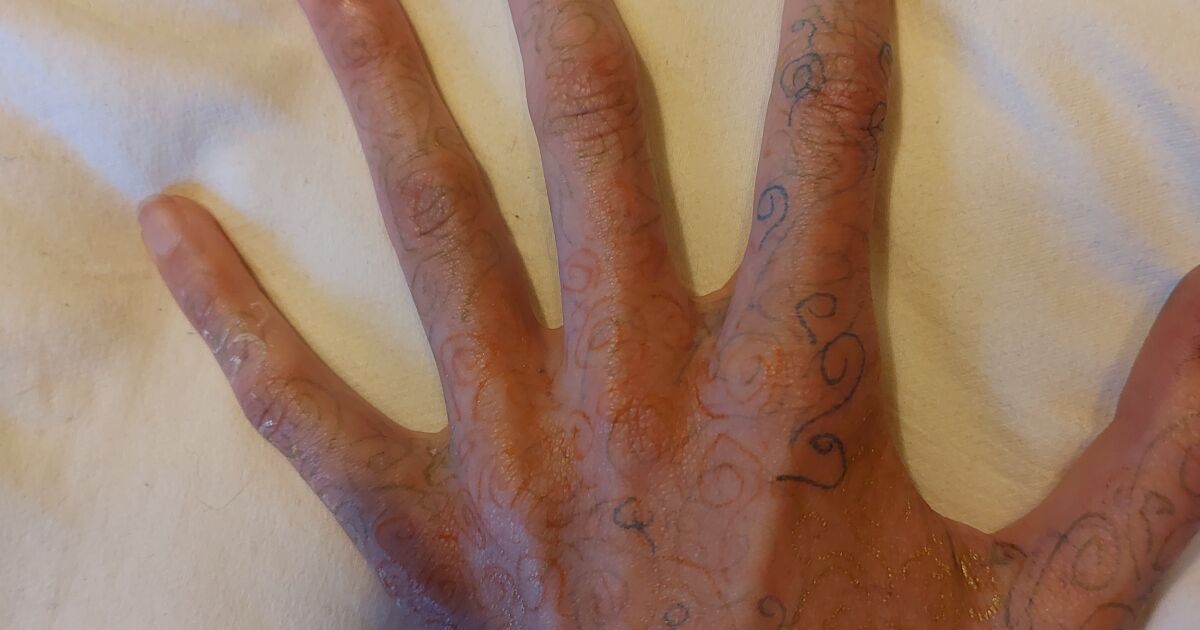
Henna-inspired hand art often includes dots, mandala shapes, paisleys, lace-like lines, and symmetrical patterns. Traditional henna, also known as mehndi, has deep cultural roots in South Asian, Middle Eastern, and North African traditions. If you are inspired by henna designs, it is respectful to learn about their cultural meaning, avoid treating sacred or ceremonial designs as random decoration, and use skin-safe materials.
4. Fake Tattoos
Hand doodles can be a test drive for tattoo ideas. People sketch arrows, names, symbols, quotes, lightning bolts, stars, flames, and tiny icons to see how they feel on the skin. This is a smart move. A pen doodle lets you discover whether you love a design or whether it looks like a confused noodle after ten minutes.
5. Funny Faces and Characters
Draw two eyes near your knuckles, add a mouth under your fingers, and congratulations: your hand now has a personality and possibly unpaid rent. Character doodles are some of the funniest hand drawings because the hand can move like a puppet. Fingers become hair, teeth, tentacles, or dramatic eyebrows. This is peak entertainment during a boring afternoon.
6. Words, Quotes, and Reminders
Some hand drawings are not drawings at all. They are reminders, mantras, lyrics, names, or tiny notes. “Breathe.” “Call Mom.” “You got this.” “Do not forget charger.” A hand note can be practical or emotional. The risk, of course, is washing your hands and losing your entire productivity system in one sink visit.
Safe Hand Drawing: Cute Doodles, Not Skin Drama
Before turning your palm into a sketchbook, it is worth talking about safety. Most casual pen marks on intact skin are not a major concern, but not every ink, dye, or marker belongs on your body. Skin can react to substances through irritation or allergy, especially if the skin is broken, sensitive, or already dry.
Use Skin-Safe or Washable Products When Possible
The safest choice is to use products specifically made for skin, such as cosmetic body markers, face paint, or reputable temporary tattoo products. Washable markers are generally better than permanent markers because they are easier to remove and less likely to require aggressive scrubbing. Avoid industrial markers, paint pens, printer ink, stamp-pad ink, correction fluid, or anything that smells like it belongs in a garage with a warning label.
Do Not Draw on Cuts, Rashes, or Irritated Skin
Your skin is a barrier. When it is cut, cracked, sunburned, or inflamed, that barrier is not at its best. Drawing over irritated skin can make things worse and may increase the chance of infection or a reaction. If your hand is already itchy, peeling, blistered, or sore, let it heal before giving it a tiny top hat and mustache.
Be Careful With “Black Henna”
Natural henna usually leaves an orange, red, or brown stain. “Black henna” is different and may contain added dyes such as paraphenylenediamine, often called PPD, which has been linked to serious allergic skin reactions. A design that promises to turn jet black quickly and last a long time should raise a red flag. Beautiful hand art is not worth blisters, swelling, scarring, or a long-term dye sensitivity.
Patch Test New Products
If you are trying a new body marker, temporary tattoo, face paint, or henna product, test a small amount first. Apply it to a small area, wait, and watch for redness, itching, burning, swelling, or bumps. This is especially important for people with eczema, allergies, sensitive skin, or a history of contact dermatitis.
Remove Ink Gently
When it is time to remove your hand art, do not attack your skin like you are sanding a deck. Start with soap and warm water. If the ink lingers, try a small amount of oil-based cleanser, baby oil, or gentle makeup remover. Avoid harsh chemicals, bleach, or intense scrubbing. Your skin should not have to file a complaint.
Hand Drawing Ideas for Beginners
You do not need advanced drawing skills to create charming hand art. In fact, simple designs often look best because hands move, wrinkle, bend, and wash frequently. Tiny and bold usually beats overly detailed and smudgy.
Easy Ideas You Can Try Today
Start with small shapes: stars, hearts, dots, moons, clouds, leaves, tiny flames, sparkles, mushrooms, smiley faces, or paw prints. These designs are quick, forgiving, and easy to place around the fingers or wrist. If you mess up, pretend it was abstract. Confidence is 70% of art.
Another beginner-friendly idea is the “finger creature.” Draw a face on one finger and add ears, whiskers, hair, horns, or a hat. Bend the finger slightly and suddenly it has attitude. You can make a finger frog, finger ghost, finger cat, finger alien, or finger businessman having a tiny crisis.
Intermediate Ideas for People Feeling Fancy
If you want something more polished, try a vine that wraps around your index finger, a mandala centered on the back of the hand, a butterfly stretching across two fingers, or a snake winding from wrist to thumb. Use the natural curves of the hand as part of the design. Knuckles can become mountains. Fingertips can become petals. The wrist can become the start of a trail.
Photo Tips for Showing Off Your Hand Art
If you are sharing your drawing online, clean the background, use natural light, and take the photo before the design smudges into “ancient cave wall discovered in a backpack.” Relax your hand so the design is visible. If the drawing wraps around fingers, take multiple angles. For funny designs, pose your hand like the character is alive. A tiny dragon on your thumb deserves its close-up.
Why Community Prompts Like “Hey Pandas” Work So Well
Community prompts work because they are easy to join. You do not need to be famous, professional, or polished. You just need a contribution. “Show me what you’ve drawn on your hands” is more inviting than “Submit your finest completed artwork for critical review by strangers with opinions.” It says: bring your doodles, your weirdness, your boredom, your humor, and your little ink-stained stories.
These prompts also create connection. Someone posts a tiny mushroom on their finger, another person replies with a snake wrapped around the wrist, and suddenly strangers are bonding over temporary body art. It is wholesome, creative, and wonderfully internet in the best way. Not every online conversation needs to be a debate. Sometimes it can just be, “Nice frog.”
What Your Hand Doodles Might Say About You
Obviously, a doodle cannot fully explain a person. If you draw a skull, it does not mean you are secretly a pirate philosopher. But the designs people choose often reflect mood, interests, humor, and style.
If You Draw Stars and Moons
You may like dreamy, soft, celestial imagery. Or maybe stars are just easy to draw and you had three seconds before class started. Either way, they look good almost anywhere on the hand.
If You Draw Eyes
You enjoy mystery, symbolism, or making your hand look like it knows too much. Eye drawings are dramatic, expressive, and slightly unsettling in a fashionable way.
If You Draw Animals
You are probably playful and enjoy turning ordinary spaces into characters. Animal doodles are friendly, funny, and excellent conversation starters.
If You Draw Reminders
You are practical, busy, and possibly living one forgotten password away from chaos. Respect. The hand reminder is a classic productivity tool, even if it disappears after one responsible handwashing session.
Turning Hand Doodles Into Better Art
If you love drawing on your hands, you can use it as a stepping stone into other creative habits. Take photos of your favorite designs and recreate them in a sketchbook. Turn a finger doodle into a sticker idea. Transform a wrist vine into a digital illustration. Use your hand art as a temporary draft for a future tattoo, greeting card, comic character, or pattern design.
The key is to notice what you enjoy drawing repeatedly. Do you always draw moons? Try a full celestial page. Do you love tiny creatures? Make a series of pocket monsters. Do your hands keep becoming haunted houses? Congratulations, you have a brand.
of Experience: The Tiny Hand Art Museum
The best thing about hand drawings is that they usually come with a story. Maybe not a dramatic story with thunder, betrayal, and cinematic lighting, but a small human story. Someone was bored in math class and drew a galaxy across their knuckles. Someone tested a tattoo idea during lunch and spent the rest of the day asking friends, “Be honest, does this look cool or like a logo for spicy toothpaste?” Someone let a younger sibling draw a cat on their palm, and the cat ended up with six legs, one eyebrow, and the confidence of a CEO.
My favorite kind of hand doodle is the accidental masterpiece. It starts as one tiny mark. Then a line becomes a leaf. The leaf becomes a vine. The vine becomes a full wrist garden. Ten minutes later, the person who “can’t draw” is walking around with a surprisingly elegant botanical bracelet made from a ballpoint pen. Nobody planned it. That is the magic. Hand art rewards curiosity more than perfection.
There is also something funny about how attached people become to temporary drawings. You know it will wash away, but you still protect it. You avoid touching wet surfaces. You hold your hand weirdly. You warn people, “Careful, that’s my dragon.” For one afternoon, the doodle becomes part of your identity. You are not just a person buying a sandwich. You are a person buying a sandwich with a lightning bolt on your thumb, which is obviously more powerful.
Hand drawings can also be social. Friends doodle matching symbols before a concert. A student draws little encouragement notes before a test. Kids turn their hands into puppets and make them argue about snacks. Couples sketch initials, hearts, or inside jokes. Artists test linework. Nervous people draw during conversations to stay grounded. In each case, the hand becomes a place where feeling turns visible.
The imperfect ones are often the most memorable. A lopsided flower can be funnier than a perfect rose. A crooked smiley face can carry more personality than a polished design. One person’s smudged star is another person’s “shooting star in fog.” The point is not to create flawless art. The point is to participate in a tiny ritual of making something, showing it, laughing about it, and letting it disappear.
That is why “Hey Pandas, Show Me What You’ve Drawn On Your Hands” works so well. It is not just asking for drawings. It is asking for little moments: boredom turned creative, nerves turned decorative, jokes turned visible, and ordinary hands turned into temporary galleries. Some drawings will be beautiful. Some will be strange. Some will look like a raccoon tried calligraphy. All of them belong in the museum.
Conclusion
Drawing on your hands is one of the simplest forms of creative expression. It is playful, personal, temporary, and open to everyone. You can sketch a tiny panda, a dramatic snake, a delicate vine, a reminder to drink water, or a mysterious symbol that makes people ask questions in the hallway. The best hand doodles do not have to be perfect. They only have to feel like you for a moment.
Just remember to keep it safe. Use skin-friendly products when possible, avoid drawing on irritated or broken skin, be cautious with black henna, and remove ink gently. Your hand can be a canvas, but it is still skin, not a whiteboard with a pulse.
Note: This article is intended for creative inspiration and general safety awareness. If a hand drawing, temporary tattoo, marker, dye, or henna product causes burning, swelling, blisters, intense itching, or a spreading rash, wash it off gently and consider contacting a healthcare professional.