Quarantine had a strange talent for making every day feel like Tuesday. Weekends lost their sparkle, calendars became decorative wall art, and walking to the mailbox occasionally qualified as a major expedition. With workplaces, schools, restaurants, gyms, and gathering places closed or restricted, millions of people suddenly had to build entire lives inside bedrooms, apartments, and family homes.
The experience was never the same for everyone. Some people worked longer hours from improvised home offices. Parents balanced conference calls with remote classes and snack negotiations. Essential workers continued leaving home while worrying about exposure. Others faced unemployment, illness, loneliness, grief, or financial uncertainty. Calling quarantine “free time” could therefore be misleading. For many people, it was stressful time that happened to take place near a couch.
Still, people found creative, comforting, and occasionally ridiculous ways to get through it. They baked bread, planted vegetables, adopted pets, reorganized closets, watched entire television franchises, learned new skills, and held birthday parties through laptop screens. Looking back, the question “How did you spend your time in quarantine?” has become more than a casual conversation starter. It is a snapshot of how ordinary people adapted when ordinary life temporarily disappeared.
How Quarantine Changed the Way People Used Their Time
Research conducted during and after the COVID-19 pandemic confirms what many people felt: daily routines changed dramatically. U.S. Bureau of Labor Statistics data showed that Americans spent more time on leisure and sports activities in 2020 than in 2019, partly because employment, commuting, travel, and public activities were disrupted. Remote work also moved professional responsibilities into kitchens, bedrooms, and any corner with a dependable internet signal.
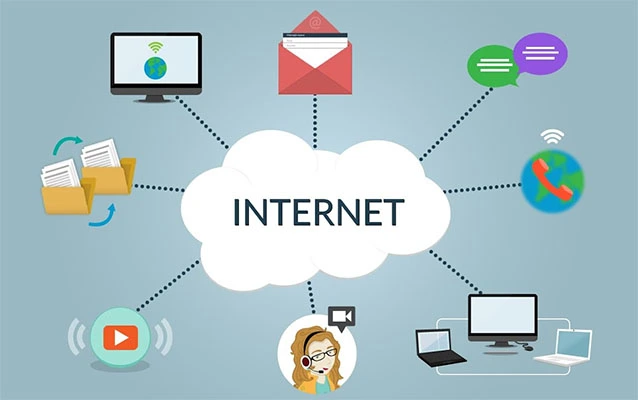
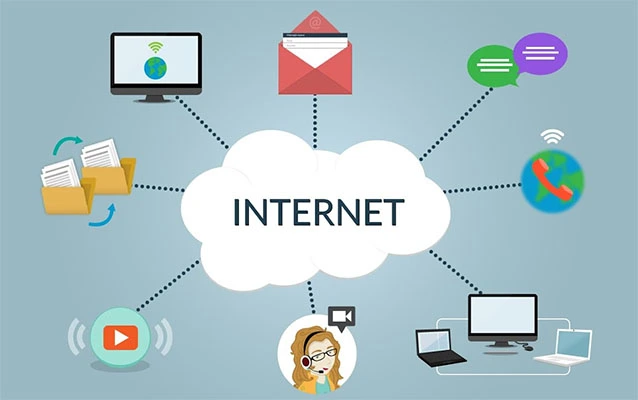
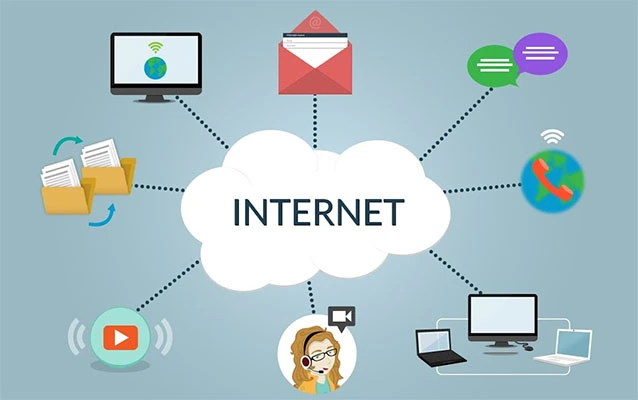
Technology became a lifeline. Pew Research Center surveys found that most Americans considered the internet important or essential during the pandemic. Video calls replaced office meetings, classroom discussions, family dinners, birthday celebrations, and awkward conversations that would previously have happened in person. The technology was not always elegant. People froze mid-sentence, accidentally activated cat filters, and spent several minutes explaining that someone was muted. Nevertheless, it kept relationships and responsibilities moving.
At the same time, public-health organizations documented significant increases in stress, anxiety, depression, and social isolation. Healthy quarantine activities could help, but they were not magic tricks. A puzzle could provide a calming hour; it could not erase grief or economic hardship. The most useful routines tended to offer manageable structure, social connection, movement, creativity, or simple pleasure without demanding that everyone transform isolation into a personal-development competition.
Popular Ways People Spent Their Time in Quarantine
1. Watching Movies and Entire Television Series
Streaming services became the unofficial waiting rooms of quarantine. People revisited comforting sitcoms, discovered international dramas, watched documentaries, and finally started the famous series they had been claiming they would watch “one day.” Apparently, one day arrived wearing sweatpants.
Entertainment offered more than distraction. Familiar characters and predictable stories created a sense of stability when the real world felt unpredictable. Virtual watch parties also gave friends something to discuss besides infection rates, canceled plans, and whether homemade bread was supposed to look like a construction brick.
The main challenge was balance. A movie night could be relaxing, but endless screen time often disrupted sleep, movement, and concentration. Many people eventually learned to alternate passive entertainment with walks, cooking, reading, crafts, or anything that required standing upright.
2. Baking Bread and Experimenting in the Kitchen
Quarantine kitchens became laboratories. People made sourdough starters, banana bread, elaborate desserts, homemade pasta, and meals assembled from mysterious pantry ingredients purchased during the first chaotic grocery runs.
USDA research has shown that working from home is associated with more food preparation and eating at home. During the pandemic, home cooking became even more important as restaurants closed dining rooms and households reduced unnecessary trips. Cooking provided structure, creativity, comfort, and a practical result. Unlike many quarantine projects, dinner had a deadline.
Not every experiment succeeded. Some sourdough starters behaved like demanding pets. Cakes collapsed. Homemade substitutions produced flavors that could politely be described as “educational.” Yet even failed recipes gave households a story, a laugh, and a reason to try again.
3. Starting New Hobbies
Painting, knitting, sewing, photography, calligraphy, woodworking, music, journaling, and digital illustration all found new audiences during quarantine. People ordered beginner kits, watched tutorials, and discovered that “beginner-friendly” can be an optimistic phrase written by experts who have forgotten what beginners look like.
Studies of creative leisure during the pandemic found associations between participation in creative or outdoor activities and better mental well-being. Creative work can focus attention on a specific task, produce a sense of progress, and offer an emotional outlet without requiring someone to explain every feeling in words.
Some hobbies disappeared once regular schedules returned. Others became lasting passions, side businesses, or new ways of connecting with communities. The hobby did not need to become profitable to be worthwhile. Finishing one crooked scarf during a global emergency was achievement enough.
4. Exercising in Bedrooms and Living Rooms
When gyms closed, household objects received unexpected promotions. Chairs became workout equipment. Soup cans became light weights. Hallways became running tracks for highly determined children and increasingly concerned pets.
People followed online yoga classes, dance workouts, strength routines, and indoor cycling sessions. Others took neighborhood walks, worked in gardens, or simply stretched between video meetings. Mayo Clinic and Harvard Health guidance repeatedly emphasized physical activity as a useful tool for supporting mood, sleep, and stress management.
The healthiest approach was usually realistic rather than heroic. A ten-minute walk or gentle stretching session could be more sustainable than an ambitious two-hour program launched on Monday and abandoned by Wednesday afternoon. Movement mattered; becoming an action-movie star was optional.
5. Cleaning, Organizing, and Rearranging Everything
Quarantine inspired a wave of household organization. Closets were emptied, kitchen drawers were sorted, garages were investigated, and furniture was moved three feet to the left before being returned to its original position.
Cleaning created visible progress at a time when many larger problems felt uncontrollable. Completing one cabinet or donating unused clothes could produce an immediate sense of accomplishment. It also helped people make crowded homes more functional for remote work, online education, exercise, and relaxation.
Of course, some households reached a point where there was nothing left to organize except the organization supplies. Others decided that surviving was more important than labeling spice jars. Both approaches were valid.
6. Gardening and Reconnecting With Nature
Gardening became one of the most meaningful quarantine activities for people with yards, balconies, patios, or sunny windowsills. Some grew vegetables to supplement household food supplies. Others planted flowers, herbs, or houseplants simply because caring for something green made the days feel less gray.
The Smithsonian documented increased interest in gardening and outdoor activities during the pandemic. Parks, trails, gardens, and neighborhood walks offered relief from indoor confinement when local health rules permitted their safe use.
Plants also introduced a gentler sense of time. A seed did not care about breaking-news alerts. It needed water, light, patience, and protection from the cat. Watching something grow provided evidence that change could still be positive, even when progress elsewhere seemed painfully slow.
7. Staying Connected Through Screens
Video calls were used for family reunions, trivia nights, book clubs, religious services, exercise classes, happy hours, school lessons, and medical appointments. Grandparents learned new apps. Children gave relatives virtual tours of toys they had already shown them six times. Coworkers met each other’s pets, partners, and occasionally bathrobe collections.
Digital communication could not fully replace in-person contact, but it reduced some of the loneliness created by physical separation. Public-health research consistently emphasizes the importance of social connection for mental and physical health.
People also rediscovered older forms of communication. They wrote letters, mailed care packages, called friends without scheduling a video meeting, and checked on neighbors. Quarantine reminded many people that connection does not have to be elaborate. Sometimes a simple “How are you really doing?” mattered more than an evening of organized online entertainment.
8. Reading, Learning, and Taking Online Courses
Some people used quarantine to read novels, study languages, take online classes, or develop professional skills. Museums, libraries, universities, and cultural institutions expanded virtual access to lectures, exhibitions, performances, and educational materials.
Learning gave people a sense of forward movement. A language lesson, history podcast, coding exercise, or virtual museum tour could break the repetition of staying home. It also allowed curiosity to survive when travel and in-person exploration were limited.
However, the pressure to become endlessly productive created its own stress. Social media sometimes made it appear that everyone else was mastering three languages, writing a novel, and developing award-winning abdominal muscles before breakfast. In reality, many people were simply trying to complete basic tasks under difficult conditions. Rest was not failure, and quarantine was not a mandatory career-development retreat.
The Less Photogenic Side of Quarantine
Not every day produced fresh bread, finished artwork, or cheerful family game nights. Some days were spent doomscrolling, worrying, losing track of time, arguing over household space, or staring at a blank wall while a streaming service asked, with surprising judgment, whether anyone was still watching.
Parents faced exhausting caregiving responsibilities. Students struggled with remote education and lost social milestones. People living alone experienced prolonged isolation, while crowded households had almost no privacy. Essential workers did not receive a quiet break at home; many faced greater workloads and health risks. People who lost jobs or loved ones had concerns far more serious than choosing a quarantine hobby.
This broader context matters because nostalgia can make the pandemic look like an extended season of baking and television. For many families, it was a period of illness, grief, uncertainty, and unequal burdens. The creative ways people filled their time were coping strategies within that reality, not proof that the experience was easy.
What Quarantine Activities Taught Us
One lasting lesson was that people need both structure and flexibility. A simple routinewaking at a consistent time, getting dressed, eating regular meals, moving the body, completing one useful task, and contacting another personcould make an unstructured day feel manageable.
Another lesson was that small activities have real value. A ten-minute phone call, a loaf of bread, a balcony garden, or a half-finished painting could create moments of normalcy. These activities did not solve the pandemic, but they helped people move through it one day at a time.
Quarantine also changed attitudes toward home, work, technology, and leisure. Remote work became more common. Virtual events became normal. People reconsidered commuting, personal space, relationships, and the amount of time they wanted to devote to work. Some rediscovered hobbies they had abandoned years earlier. Others realized they never wanted to attend another video happy hour again.
Quarantine Experiences: Five Stories That Feel Familiar
The following experience-based vignettes are composites inspired by widely reported pandemic routines. They are not presented as quotations from specific individuals.
The Accidental Baker
One person began quarantine with no baking experience and a bag of flour purchased mostly because everyone else seemed to be buying one. The first loaf was heavy enough to qualify as home-security equipment. The second was burned on top and mysteriously raw in the middle. By the fifth attempt, however, the kitchen smelled warm and familiar.
Baking became a weekly ritual. Measuring ingredients offered order. Waiting for dough to rise required patience. Sharing bread with a neighbor created a safe way to show care. The baker did not open an artisan café after quarantine, but continued making bread on quiet Sundays because the process still felt comforting.
The Family Sharing One Internet Connection
In another household, two adults worked remotely while two children attended online classes. Everyone needed the internet, a quiet room, and the same charging cable. Meetings were interrupted by barking dogs, blender noises, and urgent announcements that someone could not find a blue crayon.
The family developed a schedule, converted a hallway corner into a tiny workspace, and placed handwritten “meeting in progress” signs on doors. It was imperfect, but the shared chaos became part of family history. Years later, they could laugh about the day a child entered a corporate presentation dressed as a dinosaur.
The Person Living Alone
For someone quarantining alone, the silence was pleasant at first. There was no commute, no crowded calendar, and no need to negotiate television choices. After several weeks, however, the quiet began to feel heavy.
The person created a routine of morning walks, evening phone calls, and Saturday online game nights. They also started photographing small neighborhood detailswindow displays, birds, sidewalk chalk, and changing trees. The project provided a reason to notice the outside world and eventually became a personal record of an extraordinary year.
The Reluctant Gardener
Another person planted tomatoes because a relative mailed seeds with an encouraging note. Gardening had never been an interest. Dirt was considered something best left outdoors, and the first seedlings looked alarmingly fragile.
Over time, watering the plants became the most reliable part of the day. The tomatoes grew unevenly, and only a few survived hungry insects, unpredictable weather, and enthusiastic overwatering. The harvest was small, but the experience created a lasting habit. The following spring, the gardener planted herbs without being asked.
The Person Who Did Almost Nothing
One of the most honest quarantine experiences involved no dramatic transformation. This person did not learn a language, develop a six-pack, or write a novel. They worked when possible, watched familiar shows, reheated simple meals, worried about relatives, and tried to sleep.
At first, social media made that routine seem inadequate. Other people appeared to be remodeling homes and producing museum-quality crafts. Eventually, the person recognized that coping did not need to look impressive. Getting through difficult days, asking for help, and staying connected were meaningful accomplishments. Sometimes survival was the project.
Conclusion: How Did You Spend Your Time in Quarantine?
Quarantine brought out an enormous range of human behavior. People became bakers, gardeners, amateur fitness instructors, dedicated streamers, remote workers, online students, craft enthusiasts, and professional observers of their own ceilings. Some created remarkable projects. Others focused on making it through the day.
The most memorable quarantine activities were not necessarily the most productive. They were the ones that provided comfort, connection, movement, curiosity, or laughter during an uncertain period. A hobby could become a long-term passion, but it could also serve its purpose and disappear as soon as ordinary routines returned.
Now that the original community question has ended, its central idea remains worth revisiting. How people spent their time reveals how they coped, what they valued, and what they missed. The answers form a strange historical time capsule filled with sourdough starters, video calls, houseplants, unfinished puzzles, family chaos, loneliness, resilience, and more sweatpants than civilization had previously considered necessary.
Editorial note: This article reflects pandemic-era experiences and synthesizes information from reputable U.S. sources, including the CDC, Pew Research Center, U.S. Bureau of Labor Statistics, U.S. Census Bureau, USDA Economic Research Service, Mayo Clinic, Harvard Health Publishing, Stanford University, Smithsonian institutions, the National Endowment for the Arts, and NIH-indexed research. It is a historical lifestyle feature, not current medical or public-health guidance.