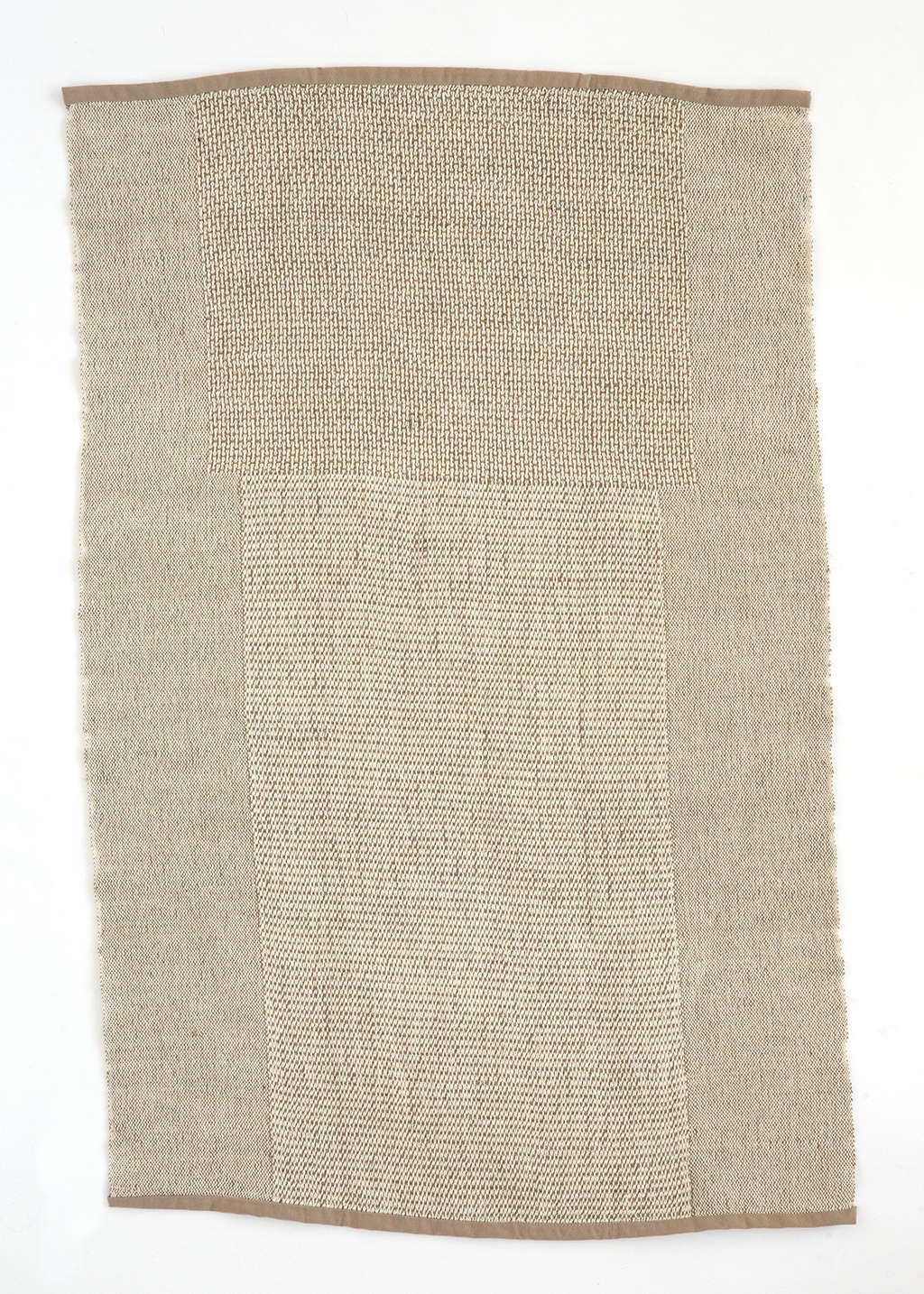
A tea-stained hand towel sits in the wonderfully practical middle ground between textile art and something you can use after washing flour off your hands. Its warm beige, toasted tann cupboard with stories to telleven when the towel is brand-new. It does not shout for attention. It simply hangs there looking calm, useful, and suspiciously more sophisticated than the neon sponge beside the sink.
The phrase Hand Towel – Tea-stained is closely associated with a hand-dyed kitchen-linen collection by Brooklyn designer Virginia Sin. The collection used natural materials such as tea, wine, and indigo to create muted colors with a lived-in character. Rather than hiding variation, the design treated tonal shifts, softened edges, and dye irregularities as part of the towel’s identity. That idea remains relevant because many homeowners now want everyday objects to feel personal, tactile, and less factory-perfect.
Product/design history: What Is a Tea-Stained Hand Towel?
A tea-stained hand towel is a cotton, linen, hemp, or blended textile colored with brewed tea or designed to resemble the mellow brown tones created by tea. It may be deliberately hand-dyed by an artisan, produced with a controlled textile process, or made at home from a pale towel that needs a second life.
This is not the same thing as accidentally splashing breakfast tea on a white towel and deciding the evidence is “rustic.” A purposeful tea-dyed finish is usually applied across the whole textile, often in layers, so the color reads as intentional. The result can range from pale oatmeal to café au lait, depending on the tea, water temperature, steeping time, fabric, and number of dye baths.
Why Tea Creates That Distinctive Color
Black tea contains tannins, plant compounds that readily attach to many natural fibers. Cotton and linen accept color differently from wool or silk, so the same dye bath can produce noticeably different results. Tea usually creates warm neutrals rather than a perfectly uniform commercial shade. That unpredictability is the point: no two hand-dyed towels need to look like identical office cubicles.
Natural-dye behavior and fiber response: Why This Humble Towel Became a Design Object
The appeal of a tea-stained hand towel is not based on color alone. It combines useful performance with the visual softness of something already broken in. In a kitchen filled with stainless steel, glossy appliances, and hard countertops, a matte natural textile adds relief. In a bathroom, it can warm up white tile, black fixtures, aged brass, wood, or stone.
A Lived-In Look Without Artificial Distressing
Tea dye can give new fabric an aged appearance without holes, aggressive sanding, or fake printed cracks. The effect is subtle enough for minimalist rooms but character-rich enough for farmhouse, cottage, wabi-sabi, rustic, coastal, and vintage-inspired interiors. It also pairs naturally with handmade ceramics, cutting boards, woven baskets, and imperfect plaster walls.
Natural Variation Makes the Piece Feel Personal
Commercial towels are often valued for perfect consistency. Hand-dyed textiles offer the opposite pleasure. A darker edge, a faint cloud of amber, or a lighter fold line records how the fabric moved through the bath. Those differences can make a simple towel feel more like a small-batch object than a replaceable household supply.
Material Matters More Than the Pretty Color
A towel still has a job. If it looks magnificent but merely pushes water around your hands like a tiny curtain, disappointment arrives quickly. Cotton is widely used because it is soft, washable, and naturally absorbent. Linen is durable, breathable, low-lint, and quick to dry, although it wrinkles more dramatically. Cotton-linen and cotton-hemp blends can balance softness, texture, strength, and drying speed.
Weave Changes Performance
Terry cloth uses loops to increase surface area and absorbency, making it excellent for wet hands and countertop spills. Waffle weave is lighter and flexible, with small pockets that help collect moisture while allowing relatively quick drying. Flat-woven tea towels are thinner and usually leave less lint, making them useful for glassware, bread baskets, and light kitchen work.
A dense, plush towel may absorb more water but also stay damp longer. A thin towel dries faster but may need several passes. The ideal tea-stained hand towel depends on where it will live: beside a powder-room sink, on an oven rail, near a potting bench, or in the hands of someone making tomato sauce with the confidence of a television chef.
Towel materials, GSM, weave, and absorbency: Where and How to Use It
In the Kitchen
Hang one from a brass rail, wooden peg, cabinet pull, or oven handle. Use it for drying clean hands, polishing glassware, covering rising dough, lining a bread basket, or adding a soft layer beneath a serving board. For food safety and easier laundry management, keep separate towels for hands, dishes, and messy cleanup.
In the Bathroom
A tea-colored towel adds warmth to a mostly white bathroom and looks especially good with unlacquered brass, antique mirrors, botanical art, or dark wood. A freshly laundered hand towel is also a small but meaningful detail for guests. It says, “Welcome,” rather than, “Good luck finding a dry corner.”
As a Decorative Textile
Use the towel as a small table runner, tray liner, basket cover, or background for an open shelf. A neatly folded stack in related neutral shades can soften utilitarian storage. Because the color is quiet, it supports other objects instead of competing with them.
Styling and guest-towel guidance: How to Make a Tea-Stained Hand Towel at Home
Home tea dyeing is approachable, but good preparation separates an attractive warm neutral from a towel that looks as though it lost an argument with a mug.
Choose the Right Towel
Start with white, ivory, or pale natural fabric. Cotton and linen are dependable choices because plant-based fibers can take dye well after proper washing. Avoid heavily treated stain-resistant towels; finishes that repel liquid can also resist dye. Check the care label, and remember that synthetic blends may color unevenly or remain much lighter.
Wash Before Dyeing
Prewash the towel with detergent and no fabric softener. This removes manufacturing residues, oils, sizing, and finishes that may interfere with color absorption. Leave the towel damp after rinsing so it enters the dye bath evenly.
Brew a Concentrated Dye Bath
Use a stainless steel or enamel pot large enough for the towel to move freely. A practical starting point is 8 to 12 black tea bags per gallon of water, though there is no single magic ratio. Bring the water to a strong simmer, turn off the heat, add the tea, and let it steep until the liquid becomes very dark. Remove the bags before adding the fabric to prevent concentrated marks unless mottling is the goal.
Submerge and Stir
Place the damp towel in the warm dye bath. Press it below the surface with a stainless steel spoon or tongs, then move it occasionally so folds do not create unwanted pale stripes. Soak it for 30 minutes for a light wash of color or several hours for a deeper tone. The wet towel will look darker than it does after rinsing and drying, so aim slightly beyond the color you think you want.
Rinse, Dry, and Evaluate
Rinse in cool water until the runoff is mostly clear. Wash the towel separately with a mild detergent, then air-dry or tumble-dry according to the care label. If the shade is too pale, repeat the dye bath. Layering color usually produces a richer, more natural result than trying to achieve espresso brown in one heroic dunk.
Create Controlled Variation
For an ombré effect, lower one end into the bath longer than the other. For soft clouds of color, loosely gather the fabric before dyeing, but avoid tight rubber bands unless you want obvious tie-dye rings. A second bath made with a different tea can subtly shift the tone, though results vary by brand and blend.
Wear gloves to reduce staining, protect counters, and use tools that are easy to clean. If you add mordants, mineral modifiers, or other dye chemicals, use dedicated equipment and follow the supplier’s safety directions rather than improvising with the confidence of a wizard in a rental kitchen.
Fabric preparation and natural-dye process: How to Care for a Tea-Stained Hand Towel
First, follow the maker’s care label. For a home-dyed towel, wash it separately for the first few cycles because some color may continue to release. Cool or warm water, a mild detergent, and a moderate dryer setting help reduce unnecessary fading and fiber stress.
Hang the towel fully open after use. A crumpled damp towel dries slowly and develops odors faster. Rotate several towels so each one has time to dry completely. Wash kitchen and bathroom hand towels regularly, especially when they are visibly dirty, smell stale, or have been used during heavy cooking or illness.
What If the Tea Color Starts Fading?
Natural color often softens with washing, sunlight, and time. Many owners see that evolution as part of the charm. If you prefer a darker tone, refresh the towel with another tea bath. If an unrelated grease, makeup, or food stain appears, treat it promptlybut test any remover on a hidden corner because stain treatments may also lighten the intentional dye.
Laundry and stain-care guidance: How to Style the Color
Tea-stained neutrals are easy to combine because they sit between beige, tan, ochre, and soft brown. Pair them with creamy white for a quiet layered look, charcoal for contrast, olive green for an earthy palette, dusty blue for a relaxed coastal mood, or burgundy for autumn warmth.
Texture is just as important as color. A nubby tea-dyed towel beside smooth marble feels more interesting than another perfectly flat accessory. On open shelving, combine it with stoneware, clear glass, wood, and one darker metal finish. Avoid adding ten other “antique” props unless your goal is to make the kitchen resemble a highly organized time-travel incident.
Is a Tea-Stained Hand Towel Worth Buying?
An artisan towel can cost considerably more than a multipack from a big-box store. The value lies in material quality, small-batch labor, domestic or traceable production, hand finishing, and visual individuality. It may be worth the price when the towel is used as both a functional textile and a design accent.
Before buying, check the fiber content, dimensions, weave, edge finishing, hanging loop, care instructions, and colorfastness guidance. Also determine whether “tea-stained” describes a real natural dye process or merely a color name. Neither is automatically better, but transparency helps you understand what you are paying for.
The Experience of Living With a Tea-Stained Hand Towel
The first noticeable experience is visual. A tea-stained towel rarely dominates a room, yet it can make the surrounding space feel more settled. Hung beside a sink, it softens the transition between hard surfaces and gives the impression that the kitchen or bathroom has been assembled over time rather than unloaded from one enormous cardboard box on Tuesday.
Touch matters next. A good natural-fiber towel becomes more pleasant as it is washed and used. Cotton tends to feel familiar and soft; linen may begin slightly crisp, then relax into a supple, rumpled texture. The tea-colored surface also reduces the anxiety that sometimes comes with pristine white linens. A faint mark does not immediately announce itself from across the room like a distress flare.
In daily use, the best versions strike a balance between beauty and willingness to work. A flat-woven towel is excellent for drying glassware, wrapping bread, or resting under a coffee setup. A waffle or terry version handles wet hands more efficiently. Owners quickly learn whether their towel is a decorative supporting actor or the hardworking lead. There is no shame in either role, but confusion can produce one very wet countertop.
The color changes the emotional experience, too. Warm brown-beige shades feel calm and forgiving. They suit early-morning coffee, slow weekend cooking, and the small rituals that make a home feel cared for. Unlike a printed seasonal towel that may become visually tired by midmonth, a tea-stained neutral can remain on display throughout the year.
There are practical surprises. Natural dye may fade gradually, especially with hot washing, strong stain removers, and direct sunlight. That can be disappointing if perfect consistency is the goal. For people who enjoy patina, however, the fading becomes a record of use. The towel grows lighter at the folds, softer at the edges, and more individual with time.
Guests often notice the towel without immediately knowing why. It looks familiar but unusuallike an inherited textile that somehow has no mysterious embroidered initials. In a powder room, it can make a basic sink area feel thoughtfully finished. In a kitchen, it looks especially convincing beside handmade pottery, old wood, or a bowl of lemons that you definitely arranged on purpose.
Maintenance becomes part of the ownership experience. The towel needs room to dry, sensible washing, and occasional stain attention. It should not remain bunched beside the faucet for three days while everyone pretends not to see it. Rotating two or three coordinating towels makes care easier and allows the tea-stained piece to age gracefully rather than serving every household duty at once.
Perhaps the most satisfying experience is the permission to accept imperfection. The towel begins with tonal variation, so small changes do not feel like damage to a flawless object. That makes it easier to use, and useful beauty is the whole point. A tea-stained hand towel should not become museum treasure under strict lighting. It should dry hands, catch drips, soften a room, and look good while doing the ordinary work of home.
Conclusion
A tea-stained hand towel proves that an everyday textile can be practical, expressive, and quietly luxurious at the same time. Its warm color works across many interior styles, while cotton, linen, hemp, and blended constructions offer different balances of absorbency, texture, and drying speed. Whether purchased from an artisan or dyed at home, the best towel is one you are comfortable usingnot one that hangs untouched while everyone dries their hands on their jeans.
Note: Natural-dye results and care requirements vary by fiber, weave, pretreatment, tea concentration, water chemistry, and laundering method. Always test a small area and follow the textile maker’s instructions.
SEO Tags
Research synthesis: Remodelista; CottonWorks by Cotton Incorporated; American Cleaning Institute; University of Georgia Extension; University of Minnesota Extension; Smithsonian Museum Conservation Institute; Martha Stewart; Architectural Digest; Better Homes & Gardens; Serious Eats; Food & Wine.