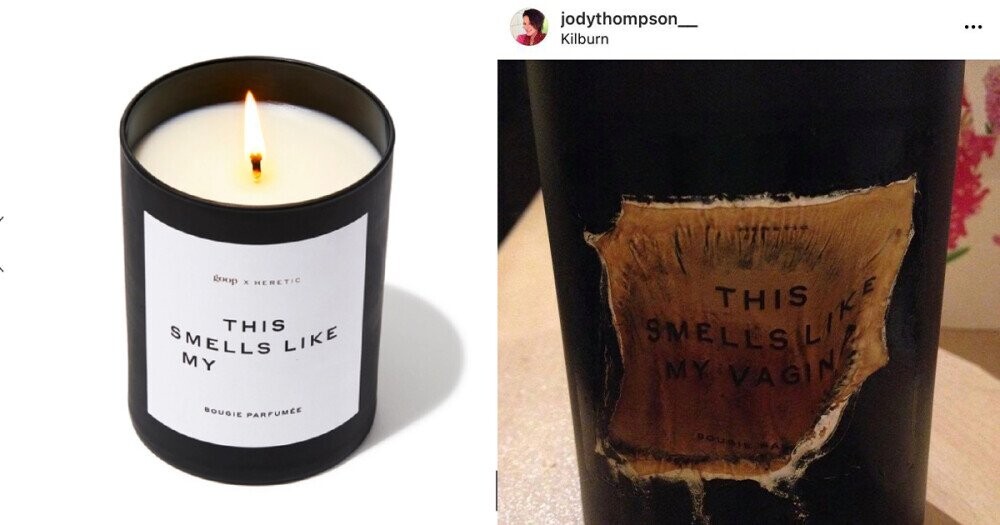
There are luxury candles, there are celebrity candles, and then there is Gwyneth Paltrow’s infamous Goop candle with a name so unforgettable it practically comes with its own group chat. “This Smells Like My Vagina” was never going to enter the world quietly. It arrived in 2020 with a $75 price tag, a wink the size of Los Angeles, and enough internet energy to power a small moon colony.
Then came the headlines claiming the scented candle had allegedly exploded. Suddenly, a product already designed to spark conversation was accused of sparking something far more literal. The story had everything the internet loves: a famous founder, a provocative product name, a lawsuit, questions about candle safety, and the phrase “engulfed in high flames” doing heavy lifting in newsrooms everywhere.
So what actually happened? Was Gwyneth Paltrow’s scented candle a dangerous home fragrance disaster, a misunderstood novelty product, or simply another chapter in Goop’s long-running talent for turning eyebrow raises into brand awareness? Let’s unpack the sagacarefully, preferably on a heat-resistant surface.
The Candle That Broke the Internet Before It Allegedly Broke Anything Else
Goop’s “This Smells Like My Vagina” candle began as a collaboration with Heretic Parfum, a fragrance brand known for bold, natural-leaning scents. According to Paltrow’s later explanation, the name started as a joke during a fragrance-development session with perfumer Douglas Little. She reportedly smelled a blend and made the now-famous remark. Instead of filing that joke under “things said in a meeting that should never become inventory,” Goop did the most Goop thing possible: it put the phrase on a candle label and sold it.
The scent itself was not intended to literally smell like anyone’s body. Its notes were described as geranium, citrusy bergamot, cedar absolutes, Damask rose, and ambrette seed. In fragrance language, that translates to floral, woody, warm, slightly musky, and just mysterious enough to make shoppers lean closer to the product page while wondering what life choices led them there.
The candle quickly sold out, which was not surprising. Goop has always thrived at the intersection of wellness, luxury, curiosity, and controversy. The name was outrageous enough to make headlines, but polished enough to sit on a minimalist coffee table. It was a gag, a feminist statement, a luxury home fragrance, and a viral marketing stunt all at once. That is not a candle; that is a PR department with a wick.
What Were the Explosion Allegations?
The most widely reported U.S. legal claim came in 2021, when Texas resident Colby Watson filed a class-action lawsuit against Goop. According to reports on the complaint, Watson alleged that he purchased the candle from Goop’s website and that, after being lit for roughly three hours, it became “engulfed in high flames.” He said the incident left a black burn ring on his bedside table and a charred candle container. No injuries were reported in the coverage.
The lawsuit sought significant damages and argued that the candle suffered from a design or manufacturing defect. The complaint also referenced a separate reported incident involving a woman in the United Kingdom who said her candle caused a dramatic flare-up in her living room. These allegations helped turn an already viral product into a safety debate.
Goop rejected the claim. The company called the lawsuit frivolous and said it stood by the safety of the products it sold. Goop also pointed to industry-standard testing by Heretic, the supplier behind the candle. Reports at the time noted that the product page warned users not to burn the candle for more than two hours at a time, which became an important detail because Watson reportedly said his candle had burned for about three hours.
Why a Candle Can Become Dangerous
Even an ordinary candle can misbehave when used incorrectly, placed poorly, or burned too long. Candles look harmless because they smell like linen, vanilla, sandalwood, or in this case, a headline writer’s dream. But at the end of the day, a candle is an open flame sitting in a container full of melted fuel.
One common problem is excessive burn time. When a candle burns too long, the wick can develop a carbon buildup known as mushrooming. That can cause the flame to grow too large, flicker unpredictably, create soot, or overheat the vessel. If the wax pool gets too deep, the container may become extremely hot. In some cases, glass can crack or fail, especially if the candle is near the end of its life, exposed to drafts, or sitting on a surface that traps heat.
Another issue is flame proximity. Curtains, books, bedding, napkins, dried flowers, and decorative clutter all become bad roommates for a candle. A bedside table may look cozy on Instagram, but it can be a risky place for an open flame if blankets, tissues, or paper products are nearby. Fire-safety organizations repeatedly advise consumers to keep burning candles within sight, away from flammable items, and on stable, heat-resistant surfaces.
Was the Goop Candle Actually Defective?
Publicly available reports do not establish that the candle was defective as a proven fact. The key word is “allegedly.” The lawsuit made allegations; Goop denied them. That distinction matters, especially when an internet-friendly story gets repeated until it starts sounding like a final verdict.
What we can say is that the story highlighted several important questions: How long should a luxury candle safely burn? How clear are the instructions? How many consumers actually read warning labels? And should a $75 candle be expected to withstand a little user error better than a bargain-bin candle named “Autumn Sweater Weather Explosion No. 4”?
Premium branding does not cancel basic fire science. Expensive wax still melts. Fancy fragrance oils still burn. Minimalist glass vessels still respond to heat like glass. Whether a candle comes from a celebrity wellness empire or a grocery store shelf, safety rules remain boring, strict, and very much undefeated.
Why the Story Became So Viral
The alleged exploding candle story spread because it was almost too perfectly internet-shaped. The product name was already provocative. The founder was Gwyneth Paltrow, whose brand has often inspired both admiration and skepticism. Goop had previously faced criticism over wellness claims, so the candle lawsuit arrived in a cultural environment where many people were ready to laugh, judge, or say, “I knew it.”
There is also something irresistible about luxury products meeting ordinary household chaos. A $75 candle marketed with sensual sophistication allegedly leaving a scorch mark on a nightstand is the kind of contrast that comedy writers dream about. It is aspirational lifestyle branding colliding with “where is the fire extinguisher?” energy.
But beneath the jokes, the story also says something about modern consumer culture. People buy products not just for function, but for identity, conversation, status, and storytelling. This candle was not simply purchased to make a room smell nice. It was purchased because it was outrageous, famous, collectible, and funny. The name was part of the value. The controversy became part of the value too.
Gwyneth Paltrow’s Defense of the Candle
Paltrow has continued to defend the candle as more than a gimmick. She has described it as a playful, punk-rock feminist statement meant to challenge shame around women’s bodies. In that framing, the candle was not about anatomy in a literal sense. It was about taking a phrase that might make people uncomfortable and putting it on a luxury product without apology.
That argument helps explain why the candle became such a cultural object. Some people saw it as clever and subversive. Others saw it as absurd wellness capitalism wearing a silk robe. Both reactions helped the product travel further. In the attention economy, outrage and applause often sit at the same table, sipping the same expensive herbal tea.
The original candle has reportedly been discontinued, though related Goop and Heretic fragrance products have remained part of the broader conversation. The product’s afterlife is arguably as powerful as its retail life. Years after launch, people still talk about it, resell it, review it, mock it, defend it, and use it as shorthand for Goop’s entire brand personality.
What Candle Buyers Can Learn From the Goop Saga
The biggest lesson is simple: read the burn instructions. If a candle says to burn it for no more than two hours, do not treat that as a gentle suggestion from a nervous lawyer. Treat it as part of the product’s safe-use design. Candle warnings are not decorative typography. They exist because heat builds, wax pools deepen, wicks change shape, and containers have limits.
Second, trim the wick before lighting. A wick around one-quarter inch is often recommended by candle makers because it helps control flame height and reduces soot. A tall, curling, carbon-heavy wick may look dramatic, but drama belongs in celebrity lawsuits, not on your dresser.
Third, place candles on heat-resistant surfaces and away from drafts. Air movement can push the flame sideways, create uneven melting, or heat one part of the vessel more than another. That can stress glass and make the candle burn unpredictably.
Finally, never leave a burning candle unattended. Not while taking a shower. Not while answering emails in another room. Not while “just resting your eyes” on the couch. Candles are charming, but they are not trustworthy babysitters for themselves.
The Branding Genius of a Candle Everyone Still Discusses
Whether someone loves or loathes Goop, it is difficult to deny that the candle was a branding masterclass. The name was shocking enough to stop the scroll. The scent notes were elegant enough to make the product feel intentional rather than purely comedic. The price point placed it firmly in luxury territory. And the founder’s celebrity status ensured that every late-night host, lifestyle editor, and curious shopper had something to say.
Most candles disappear after the wax is gone. This one became a pop-culture artifact. It turned into memes, think pieces, legal stories, resale listings, and interviews. It also proved that a product name can be more powerful than the product itself. Plenty of candles smell good. Very few become a cultural Rorschach test.
The alleged explosion stories added a new layer: risk. Suddenly the candle was not only provocative in name, but allegedly dramatic in use. That does not mean the allegations were proven, but it does explain why the story stuck. A candle with a scandalous name is funny. A candle with a scandalous name that allegedly erupts into flames is headline gold.
Experience-Based Reflections: What This Saga Feels Like in Real Life
For anyone who has ever bought a candle because the label made them laugh, the Goop candle story feels strangely familiar. People do not always shop rationally for home fragrance. Sometimes they buy a candle because it matches the bathroom tile. Sometimes because it smells like a luxury hotel lobby. Sometimes because the name is so ridiculous that bringing it to a white-elephant party feels like a public service.
The experience of owning a novelty candle is different from owning a normal one. A regular candle sits quietly in the corner and smells like lavender. A novelty candle becomes a conversation starter before anyone even lights it. Guests notice it. Someone picks it up. Someone reads the label out loud. Someone laughs too hard. Someone else says, “Wait, how much did this cost?” Suddenly, your living room has turned into a tiny product-review panel.
That is the power Goop understood. The candle was never just a candle. It was an experience wrapped in wax: part joke, part rebellion, part luxury accessory, part social test. Would you display it? Would you gift it? Would you admit you wanted to smell it? The product made people participate in the story, even if they only participated by rolling their eyes.
The alleged explosion controversy adds a practical lesson to that experience. Many candle lovers have had a moment when a flame suddenly looked too tall, a jar felt too hot, or soot appeared on the rim. It is the domestic equivalent of a record scratch. One minute, the room is cozy; the next, you are hovering nearby like a volunteer fire marshal in slippers. That moment teaches respect. Candles are mood lighting, yes, but they are also controlled fire. The “controlled” part deserves attention.
Anyone who burns scented candles regularly eventually develops habits. You learn which jars run hot. You learn that placing a candle under a shelf is a terrible idea. You learn not to burn a candle all the way down to the last sad puddle of wax. You learn that trimming a wick is not fussy; it is common sense. And you learn that expensive candles are not magically safer because the label looks like it belongs in a boutique hotel.
The Goop candle saga is also a reminder that viral products can blur the line between humor and expectation. When shoppers buy something because it is famous, they may focus more on the story than the instructions. That is understandable, but risky. A candle with a wild name still needs boring care: short burn sessions, a safe surface, a clear area, and an awake adult nearby.
In the end, the best experience related to this topic is not fear; it is awareness. Enjoy the fragrance. Laugh at the branding. Discuss the cultural symbolism if dinner gets slow. But respect the flame. The candle may be infamous, but basic candle safety is still the real main character.
Conclusion
Gwyneth Paltrow’s infamous scented candle remains one of the strangest and most successful celebrity lifestyle products of the past decade. It began as a joke, became a sold-out luxury item, evolved into a feminist talking point, and then found itself at the center of alleged explosion headlines. That is quite a résumé for a jar of wax.
The allegations against the candle were serious, but they were also disputed. Goop denied that the product was unsafe and pointed to testing and usage instructions. The broader lesson is not that every provocative candle is a disaster waiting to happen. It is that candles require care, even when they come with celebrity sparkle and a label designed to make your aunt gasp.
For consumers, the takeaway is refreshingly practical: follow burn-time limits, trim the wick, keep candles away from flammable materials, and never leave them unattended. For marketers, the takeaway is even clearer: a memorable product name can burn brighter than a thousand ordinary ad campaigns. Just make sure the flame stays where it belongs.