A footed porcelain bowl is one of those deceptively simple home pieces that quietly does a lot of work. It holds fruit, serves salad, anchors a dining table, elevates a shelf, and somehow makes a pile of lemons look like it has a publicist. The raised base gives the bowl presence, while porcelain gives it that crisp, luminous finish people associate with refined tableware and timeless decor.
Unlike a regular bowl that sits flat and says, “I am here for soup,” a footed porcelain bowl says, “I may contain oranges, but I also understand architecture.” It has height, balance, and a touch of ceremony. Whether you call it a footed bowl, pedestal bowl, compote bowl, raised serving bowl, porcelain centerpiece bowl, or decorative ceramic bowl, the idea is the same: a bowl with a base or feet that lifts it visually and physically above the table.
That small lift changes everything. It makes food look more abundant, flowers look more intentional, and everyday counters look less like a landing strip for mail, keys, and mysterious receipts. In a world where many home objects are either painfully practical or wildly decorative, the footed porcelain bowl sits happily in the middle. It is useful, beautiful, and just fancy enough to make Tuesday grapes feel invited to a gala.
What Is a Footed Porcelain Bowl?
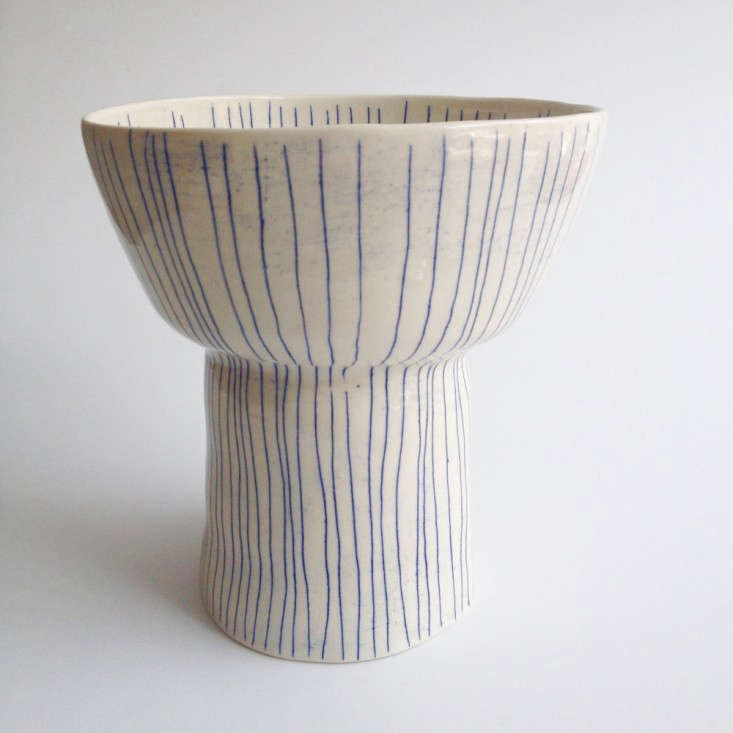
A footed porcelain bowl is a bowl made from porcelain and designed with a raised base, pedestal, ring foot, or individual feet. The “footed” part refers to the support structure underneath the bowl. In many designs, this is a continuous circular foot ring. In others, the bowl rests on three small feet, a short pedestal, or a sculptural base.
The “porcelain” part refers to a refined ceramic material traditionally made from fine clay, often including kaolin, and fired at high temperatures. The result is a hard, dense, smooth, and usually nonporous material. Porcelain is admired for its clean white body, delicate appearance, and surprising durability. That is the great magic trick of porcelain: it looks like it should be handled by someone wearing gloves, but many modern porcelain bowls are tough enough for everyday dining.
A footed porcelain bowl may be purely decorative, strictly functional, or a flexible hybrid. You might see one used as a fruit bowl on a kitchen island, a salad bowl at dinner, a candy bowl in an entryway, a floral container for a brunch table, or a sculptural accent on a console. Some are minimalist and white, some are painted blue and white in a chinoiserie-inspired style, some feature gold rims, and others have hand-painted flowers, embossed patterns, scalloped edges, or dramatic pedestal shapes.
Why the Foot Matters More Than You Think
The foot of the bowl is not just a cute little ceramic shoe. It changes the way the piece works. A raised base creates visual height, which is extremely useful in decorating. Interior designers often talk about varying height on tables, shelves, and counters because flat arrangements can look lifeless. A footed porcelain bowl naturally adds dimension without requiring a stack of books, a tray, and three candles that smell like “autumn thunderstorm in a cashmere sweater.”
Functionally, the foot can also make the bowl easier to pick up, especially when serving. A pedestal or foot ring gives your fingers a defined place to grip. It can also help separate the bowl from the surface below it, making the piece feel lighter and more elegant. On a dining table, this elevation gives salads, rolls, fruit, or desserts more presence. On a buffet, it helps dishes stand out instead of disappearing into the crowd like shy appetizers at a loud party.
In historical ceramics, foot rings and raised bases also had practical roles. They helped stabilize vessels, reduced direct contact with kiln surfaces during firing, and created a finished profile. Many museum examples of porcelain bowls from China and other ceramic traditions show carefully shaped feet as part of the overall design. The foot was not an afterthought; it was part of the bowl’s identity.
Porcelain: Elegant, Durable, and Slightly Dramatic
Porcelain has a long reputation for elegance because it combines refinement with strength. It is fired at higher temperatures than many other ceramics, which helps produce a dense, hard surface. Fine porcelain can look delicate, sometimes even slightly translucent at thin edges, yet it resists moisture and staining better than more porous materials.
Compared with earthenware, porcelain is usually less porous and more resistant to everyday staining. Compared with heavy stoneware, porcelain often has a lighter, more refined look. Bone china, a related material made with bone ash, is known for being light and strong, but traditional porcelain remains a favorite for people who want crisp white tableware, formal serving pieces, and decorative bowls that can blend into nearly any home style.
Of course, porcelain is not invincible. It can chip if dropped, crack under sudden temperature changes, or suffer scratches from harsh abrasives. It is not a superhero; it is a classy guest. Treat it well, and it will stay beautiful for years. Throw it into the sink under a cast-iron skillet, and it may resign from your kitchen immediately.
Popular Styles of Footed Porcelain Bowls
Classic White Footed Porcelain Bowl
A white footed porcelain bowl is the little black dress of tableware, except it is white and usually contains fruit. It works in modern, traditional, coastal, farmhouse, transitional, Scandinavian, and minimalist interiors. A plain white bowl lets the shape do the talking. The raised base adds formality, while the simple color keeps it practical.
This style is especially useful if you like to change your decor seasonally. In spring, fill it with lemons, tulips, or pastel eggs. In summer, use peaches, limes, or hydrangeas. In fall, try mini pumpkins, pears, or pinecones. In winter, use ornaments, walnuts, greenery, or wrapped chocolates. The bowl does not compete; it simply provides the stage.
Blue and White Porcelain Footed Bowl
Blue and white porcelain has serious staying power. Inspired by centuries of global ceramic traditions, especially Chinese export porcelain and European interpretations, blue and white designs feel both historic and fresh. A blue and white footed porcelain bowl can lean traditional, grandmillennial, coastal, cottage, or even modern when paired with clean-lined furniture.
Use it as a centerpiece on a dark wood table for contrast, or place it on a white kitchen island for a crisp, collected look. Blue and white patterns are also forgiving because they already contain movement and detail. If your fruit arrangement is less “still life painting” and more “bananas surviving a group project,” the pattern helps.
Gold-Rimmed or Decorated Footed Bowl
A footed porcelain bowl with gold trim, painted florals, or decorative enamel instantly feels more formal. This type is ideal for holidays, dinner parties, wedding gifts, and display cabinets. The decoration can turn a simple serving piece into a conversation starter.
There is one practical warning: metallic rims and delicate decorations often require more careful handling. Many modern decorated bowls are labeled dishwasher safe, but hand washing is usually the safer long-term choice for gold, platinum, or hand-painted details. Also, metallic trim generally means the microwave is not invited. It can stay home and think about safety.
Modern Sculptural Footed Bowl
Modern footed porcelain bowls often emphasize shape over pattern. They may feature organic curves, matte glazes, asymmetrical rims, pedestal bases, or architectural silhouettes. These bowls are perfect for people who like decor that looks intentional but not fussy.
A sculptural porcelain pedestal bowl can sit empty and still look complete. That is a useful quality. Not every decorative object should require maintenance, weekly flowers, or a PhD in tablescaping. Sometimes the bowl itself is the centerpiece.
How to Use a Footed Porcelain Bowl Around the Home
As a Dining Table Centerpiece
The dining table is the natural habitat of the footed porcelain bowl. Fill it with seasonal fruit, decorative spheres, fresh greenery, wrapped candies, or a low floral arrangement. Because the bowl already has height, you do not need to overstuff it. In fact, restraint usually looks better. A few lemons in a white bowl can look fresher than a mountain of produce that suggests you are preparing for citrus-based weather emergencies.
For long rectangular tables, one large footed bowl may work beautifully in the center. For very long tables, pair a medium bowl with candleholders or small vases. Keep sightlines in mind. A centerpiece should not force dinner guests to communicate by leaning around a floral jungle.
As a Kitchen Island Fruit Bowl
A porcelain footed fruit bowl gives the kitchen instant polish. It keeps fruit visible, encourages snacking, and turns everyday ingredients into decor. Apples, oranges, pears, bananas, avocados, and tomatoes all look more intentional when placed in a raised bowl.
Choose a wide, stable bowl for fruit. A narrow pedestal with a deep bowl may look elegant but become wobbly if overloaded. Nobody wants to witness a grape avalanche before breakfast.
As a Serving Bowl
Footed porcelain bowls are excellent for serving salads, rolls, berries, pasta, mashed potatoes, roasted vegetables, and desserts. The elevation makes food look special and helps create a layered buffet. A raised salad bowl beside lower platters and plates creates a more dynamic table.
Before using any porcelain bowl for hot food, check the manufacturer’s care instructions. Many modern porcelain serving bowls are dishwasher safe and microwave safe, but not all are oven safe. Vintage bowls, handmade bowls, metallic-trimmed bowls, and pieces with unknown glazes deserve extra caution.
As Entryway or Coffee Table Decor
In an entryway, a footed porcelain bowl can hold keys, sunglasses, wrapped mints, or seasonal decor. On a coffee table, it can contain beads, shells, matchbooks, coasters, or nothing at all. The trick is to avoid turning it into a ceramic junk drawer. A bowl filled with pretty objects looks curated. A bowl filled with old batteries, lip balm, and one lonely screw looks like the house is filing a complaint.
As Bathroom or Bedroom Storage
A small footed porcelain bowl can hold jewelry, hair clips, cotton rounds, bath salts, guest soaps, or perfume samples. Porcelain’s smooth surface works beautifully in bathrooms because it feels clean and polished. Use a compact size on vanities and nightstands so the bowl adds charm without eating all available surface space.
How to Choose the Best Footed Porcelain Bowl
Consider Size and Scale
Size matters. A 4-inch footed bowl may be perfect for nuts, candies, jewelry, or dips. A 6- to 8-inch bowl works for berries, small salads, side dishes, or shelf styling. A 10- to 12-inch bowl can serve as a centerpiece, fruit bowl, or large serving piece.
For dining tables, measure before buying. A bowl that looks charming online may arrive with the confidence of a small fountain. On a narrow table, oversized bowls can crowd place settings. On a large island, a tiny bowl may look like it wandered in from a dollhouse.
Check Stability
A beautiful footed bowl should not wobble. Look for a level base, balanced weight, and a foot that feels proportional to the bowl. If the bowl has three small feet, make sure they sit evenly. If it has a tall pedestal, consider whether it will be used mostly for display or for serving. Taller bowls can be dramatic, but wider bases are safer for frequent use.
Match the Style to Your Home
Choose white porcelain for flexibility, blue and white for classic pattern, floral decoration for cottage or traditional spaces, and sculptural forms for modern interiors. If your home already has many patterns, a plain bowl may calm the room. If your space is neutral, a patterned bowl may add life without requiring new curtains, paint, or emotional negotiations with your sofa.
Read the Care Label
Care labels matter. Look for details such as dishwasher safe, microwave safe, food safe, oven safe, or decorative use only. Some porcelain bowls are designed for serving food, while others are intended only for display. A decorative bowl may have finishes or glazes that are not meant for food contact.
If the bowl is vintage, thrifted, inherited, or unlabeled, be cautious with food and heat. Use it for wrapped items, fruit with peel, or decorative display unless you can confirm it is food safe. Lead concerns are uncommon in modern regulated dinnerware but can be an issue with some older, imported, or damaged glazed ceramics.
Care and Cleaning Tips
Most plain white porcelain is fairly easy to clean. Use warm water, mild dish soap, and a soft sponge. Avoid steel wool, harsh scouring pads, and aggressive abrasive cleaners. They may dull the glaze or leave marks, especially on decorated pieces.
If the bowl is dishwasher safe, place it securely so it does not knock against other dishes. The dishwasher itself may not be the villain; the real danger is usually movement, vibration, and contact with harder items. Give porcelain a little personal space. It has boundaries.
For stains from tea, coffee, or certain foods, try soaking the bowl in warm water with mild dish soap before cleaning. Baking soda paste may help with gentle stain removal, but test carefully and avoid scrubbing decorated surfaces. For gold-rimmed or hand-painted bowls, hand washing is the safest choice.
Be careful with sudden temperature changes. Do not move a cold porcelain bowl directly into a very hot environment or pour boiling liquid into a chilled bowl unless the manufacturer says it can handle thermal shock. Porcelain is strong, but dramatic temperature swings can cause cracking.
Decorating Ideas by Season
Spring
Fill a white footed porcelain bowl with moss, pastel eggs, small potted bulbs, or wrapped candies. A blue and white bowl looks especially fresh with yellow tulips or lemons. For a simple Easter brunch centerpiece, place a small glass inside the bowl for flowers and surround it with decorative eggs.
Summer
Use citrus, peaches, tomatoes, shells, or linen napkins. A footed bowl on an outdoor buffet can hold buns, chips, berries, or cutlery wrapped in napkins. Just avoid placing fine porcelain where it can be knocked off a patio table by wind, pets, or one enthusiastic uncle reaching for barbecue sauce.
Fall
Try pears, apples, mini pumpkins, acorns, cinnamon sticks, or dried hydrangeas. Warm colors look rich against white porcelain. Blue and white porcelain also works beautifully in fall when paired with copper, wood, or amber glass.
Winter
Fill the bowl with ornaments, pinecones, greenery, walnuts, ribbon, or wrapped chocolates. A footed porcelain bowl can become an elegant holiday centerpiece without requiring glitter to colonize your entire home.
Footed Porcelain Bowl vs. Compote Bowl vs. Pedestal Bowl
These terms overlap, and retailers often use them differently. A footed bowl is any bowl with a raised base or feet. A pedestal bowl usually has a more obvious central stem or base. A compote bowl traditionally refers to a raised serving dish used for fruit, desserts, or compotes, but today it is often used as a decorative term.
In practical shopping terms, focus less on the label and more on the shape, size, material, and intended use. If you want a centerpiece, choose a wider bowl with visual presence. If you want a serving piece, look for food-safe porcelain and practical capacity. If you want shelf decor, you can prioritize shape and finish over dishwasher convenience.
Common Mistakes to Avoid
The first mistake is buying a bowl that is too tall for the space. A dramatic pedestal bowl can look gorgeous in photos but awkward under low shelves or pendant lights. The second mistake is ignoring care instructions. Metallic trim and microwaves are not best friends. The third mistake is overfilling the bowl. A footed porcelain bowl should look generous, not like it is hiding a produce crisis.
Another mistake is choosing a bowl that fights with your existing decor. If your room already has bold wallpaper, patterned dishes, and colorful art, a simple white bowl may be more effective than another loud pattern. On the other hand, if your home is mostly neutral, a painted porcelain bowl can add character without overwhelming the room.
Finally, avoid using decorative-only bowls for wet or acidic foods unless they are clearly labeled food safe. Porcelain can be practical, but finishes vary. When in doubt, use a liner, wrapped items, or dry decor.
Why a Footed Porcelain Bowl Makes a Great Gift
A footed porcelain bowl is an excellent gift because it feels thoughtful without being too personal. It works for weddings, housewarmings, birthdays, Mother’s Day, hostess gifts, holidays, and new apartments. Unlike hyper-specific gadgets, it does not require the recipient to own a spiralizer, download an app, or rearrange a cabinet.
Choose a classic white or blue and white design for broad appeal. For someone with a traditional style, consider a floral or gold-rimmed bowl. For a modern home, look for clean lines and sculptural shapes. Add a bag of good coffee, wrapped chocolates, linen napkins, or seasonal fruit to make the gift feel complete.
Real-Life Experience: Living With a Footed Porcelain Bowl
My first serious appreciation for a footed porcelain bowl came from a kitchen island that always looked unfinished. The countertops were clean, the appliances were fine, and the lighting was decent, but the island had the personality of an airport check-in counter. Then a white footed porcelain bowl entered the room, and suddenly everything looked styled. Not expensive. Not staged. Just styled, as if someone in the house had a plan beyond “put the bananas somewhere.”
The bowl started as a fruit bowl. Apples, oranges, lemons, and the occasional ambitious avocado sat in it proudly. Because the bowl was raised, the fruit looked abundant instead of abandoned. That small pedestal made grocery-store produce look like a still-life painting with better hydration. Guests noticed it, which is funny because nobody had ever complimented the fruit when it sat in a regular bowl. Same apples, better real estate.
Over time, the bowl became a seasonal worker. In spring, it held dyed eggs and little bundles of flowers tucked into a small hidden glass. In summer, it carried peaches and limes. In fall, it became home to mini pumpkins, which are objectively useless but emotionally powerful. In winter, it held ornaments and greenery. The bowl never complained, though it did once make a pile of pinecones look far more sophisticated than pinecones deserve.
One lesson came quickly: scale matters. A footed porcelain bowl looks best when it has breathing room. When crowded by mail, phone chargers, and sunglasses, it loses its charm and starts looking like a fancy storage accident. The solution was simple. The bowl became a no-clutter zone. Only fruit, flowers, or intentional decor were allowed. Keys and receipts were banished to a tray, where they could live their messy truth in peace.
Another lesson involved cleaning. Plain porcelain is easy, but it still benefits from gentle care. A soft sponge, warm water, and mild soap kept it bright. I learned not to stack heavy dishes inside it and not to toss utensils into it like I was testing gravity. Porcelain may be durable, but it is not asking to participate in kitchen combat.
The most surprising part was how often the bowl solved decorating problems. Empty dining table? Add the bowl. Console table looks flat? Add the bowl with greenery. Brunch table needs height? Add the bowl with rolls or berries. Shelf feels too angular? Add the bowl empty, letting its curve soften the display. It became the home decor equivalent of a reliable friend who shows up with snacks and good posture.
A footed porcelain bowl is not a necessity in the dramatic survival sense. You can live without one. Humanity has managed. But once you have one, you start noticing how useful it is. It adds height, polish, function, and a tiny bit of ceremony to ordinary routines. It makes fruit look better, tables look finished, and seasonal decorating feel easier. For a single object with no buttons, batteries, or subscription plan, that is a pretty impressive résumé.
Conclusion
A footed porcelain bowl is more than a raised dish. It is a practical serving piece, a decorative centerpiece, a fruit bowl, a seasonal styling tool, and sometimes the one object that makes a room look complete. Its appeal comes from the combination of porcelain’s refined durability and the visual lift created by a footed base.
Whether you prefer a classic white footed porcelain bowl, a blue and white decorative bowl, a gold-rimmed serving piece, or a modern sculptural pedestal bowl, the best choice is one that fits your home, your habits, and your tolerance for hand washing. Choose the right size, check the care instructions, style it with restraint, and give it enough space to shine.
In the end, the footed porcelain bowl proves that small design details can make everyday life feel a little more graceful. It elevates food, decor, and mood. And frankly, anything that can make bananas look elegant deserves a permanent place on the table.