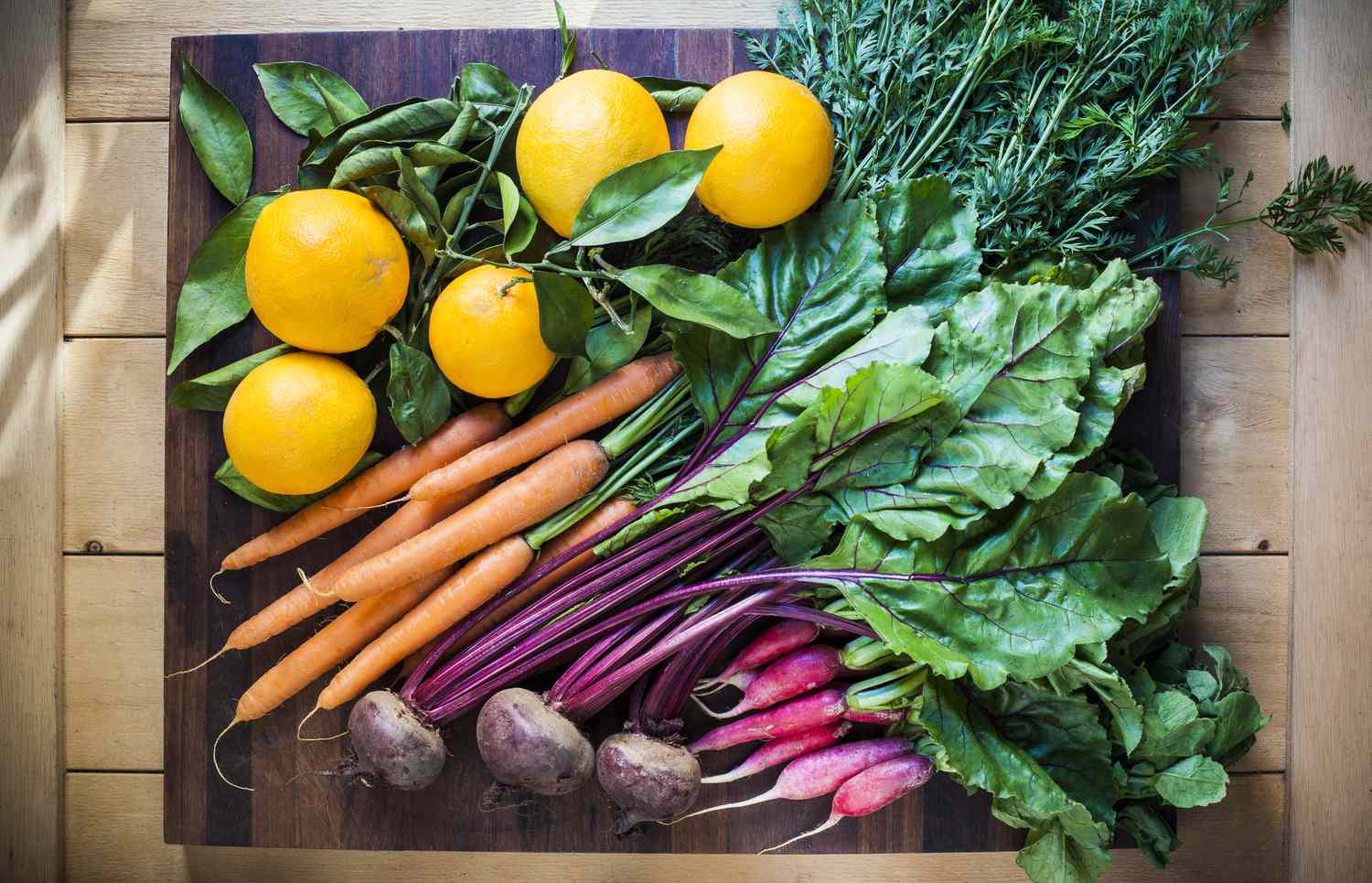
Florida does not believe in boring produce calendars. While much of the country is scraping ice off windshields and sadly nibbling supermarket tomatoes that taste like damp paper towels, Florida is out here offering citrus in winter, strawberries in the cool season, mangoes in summer, and enough tomatoes, peppers, and cucumbers to make your kitchen look like a farmers market exploded in the best possible way.
If you have ever wondered what is in season in Florida, this guide is your cheat sheet. It is built as an A-Z-style Florida produce guide, with the most useful fruits and vegetables arranged alphabetically and explained in plain English. You will learn when each crop usually peaks, how to use it, what to look for when shopping, and how Florida’s long growing season changes the way locals cook. Because in the Sunshine State, “seasonal eating” is less about deprivation and more about timing your grocery cart like a champion.
Why Florida Seasonal Produce Is Different
Florida is not a one-season-fits-all state. North, Central, and South Florida behave like siblings with wildly different personalities. That means exact harvest timing can shift, but the overall pattern is clear: winter belongs to citrus, strawberries, and cool-season vegetables; spring brings berries, carrots, cabbage, and sweet corn; summer turns tropical with mangoes, avocados, melons, peppers, cucumbers, and eggplant; and fall starts another delicious transition back into greens, beans, squash, and citrus.
That year-round rhythm is why a good Florida fruits by month guide matters. Shopping seasonally usually means better flavor, fresher texture, and better value. It also makes menu planning easier. Instead of asking, “What can I cook tonight?” you can ask the smarter question: “What is Florida doing best right now?” Florida, thankfully, is almost always doing something.
How to Use This Florida Produce Guide
This is not a strict botanical lecture. It is a practical guide for cooks, shoppers, gardeners, and anyone who has ever picked up a mystery tropical fruit and thought, “Well, this feels like a commitment.” For each letter, you will get the usual season, flavor notes, and easy ways to use the produce. Seasons are general, because weather likes to improvise, but the guide reflects the typical Florida seasonal fruits and vegetables calendar.
Also, a quick public service announcement: an A-Z guide does not mean every letter gets a celebrity. Florida’s standard seasonal charts do not give X, Y, and Z much to brag about. The alphabet will cope.
Florida Seasonal Fruits and Vegetables: The A-Z Guide
A Avocado
Florida avocados are usually in season from late spring into winter, with the strongest run often stretching through summer and fall. They are typically larger, greener, and lighter in flavor than Hass avocados, which makes them perfect for salads, sandwiches, chilled soups, and giant bowls of guacamole that mysteriously disappear in twelve minutes. Look for fruit that feels heavy for its size and yields slightly when ripe.
B Bell Peppers, Blackberries, Blueberries, and Broccoli
Bell peppers often shine from fall through spring and into early summer. Florida peppers are sweet, crisp, and easy to throw into everything from fajitas to pasta to sheet-pan dinners.
Blackberries are a shorter, spring-into-early-summer treat. When they are good, they are really good: glossy, juicy, and ideal for cobblers, yogurt bowls, and snack attacks.
Blueberries are one of Florida’s bragging rights in spring. Their season is brief, which is exactly why people get dramatic about it. Buy extra and freeze some for smoothies, muffins, and pancakes.
Broccoli is a cool-season winner, usually strongest in winter into spring. Roast it, steam it, stir-fry it, or smother it in garlic and lemon until even the “I do not like green things” crowd starts negotiating.
C Cabbage, Cantaloupe, Carambola, Carrots, Cauliflower, Celery, Cilantro, Collard Greens, and Cucumber
The letter C is doing a lot of work in Florida.
Cabbage is mostly a winter and spring star, crisp and sturdy enough for slaws, braises, soups, and skillet meals.
Cantaloupe tends to show up from spring into summer, bringing sweet, fragrant relief when the heat starts acting like a full-time job.
Carambola, also called star fruit, has a long Florida season, often from summer well into late winter. Slice it across the middle and you get little stars, which is either charming or showy depending on your mood. It is crisp, juicy, and great in fruit salads or with salty cheese.
Carrots do best in the cooler months through late spring. Fresh local carrots are sweeter and less woody than the tired supermarket bag that has been haunting your crisper drawer since Tuesday.
Cauliflower is another cool-season vegetable, best in winter and early spring. Roast it until caramelized or mash it with butter and garlic if you are in a cozy mood.
Celery is strongest in the cooler stretch, and Florida-grown stalks bring serious crunch to soups, stuffing, salads, and snack trays.
Cilantro and collard greens both love the cooler season. Cilantro brightens salsa and soups; collards are perfect for long simmering, quick sautéing, or stuffing into grain bowls when you want something hearty.
Cucumber stretches from fall through spring and into early summer in Florida. That means you can keep salads, pickles, cucumber sandwiches, and chilled side dishes in regular rotation without pretending you are a more organized person than you are.
E Eggplant
Eggplant usually has a long Florida run from fall through spring and into early summer. It is one of the most underrated vegetables at the market, probably because too many people met it only once in a sad, oily casserole and never recovered. Give it a better life: grill thick slices, roast cubes until creamy, or turn it into baba ghanoush, pasta sauce, or a fast skillet dinner with tomatoes and herbs.
G Grapefruit and Guava
Grapefruit is classic Florida winter produce, often strongest from fall through spring. It is juicy, tart, refreshing, and excellent in breakfast bowls, salads, or broiled with a little sugar if you want your morning to feel slightly more glamorous.
Guava is one of Florida’s bonus tropical fruits and can be harvested year-round, with notable peaks during late winter and again in late summer into fall. Its aroma arrives before the fruit does, which is nature’s way of saying, “Pay attention.” Use guava in jams, pastries, smoothies, sauces, or fruit salad when you want regular produce to step aside for a minute.
K Kumquat
Kumquats are usually around in the cooler months, especially from fall into winter. They are tiny citrus fruits that you eat whole, peel and all. Yes, the first time feels suspicious. Then you realize the sweet peel and tart center make perfect sense, and suddenly you are snacking on them in the car like a person who knows things about citrus.
L Leafy Greens, Longan, and Lychee
Leafy greens are a major Florida cool-season category. Think lettuce, mixed greens, tender cooking greens, and winter salad staples that actually taste fresh instead of vaguely disappointed.
Longan has a short midsummer season, usually around July and August. The fruit is sweet, juicy, and floral, with translucent flesh that looks slightly magical.
Lychee tends to arrive in late spring and early summer. It is sweet, fragrant, and excellent chilled. If you spot fresh lychee at a Florida market, do not overthink it. Buy some and enjoy the brief window while it lasts.
M Mango and Mushroom
Mangoes are Florida summer royalty, typically strongest from late spring through summer and sometimes into early fall. Florida mangoes are aromatic, juicy, and wildly versatile. Eat them over the sink, blend them into smoothies, spoon them over grilled fish, fold them into salsa, or toss them with lime and chili salt when you want a snack with attitude.
Mushrooms are available year-round, which makes them the dependable friend of the Florida produce world. They add savory depth to pasta, omelets, grain bowls, risotto, soups, burgers, and pan sauces. No drama. Just results.
O Oranges
No Florida produce guide would survive public inspection without oranges. Their main season generally runs from fall through spring. Sweet, juicy, and endlessly useful, Florida oranges belong in fresh juice, salads, marinades, desserts, and snack plates. They also pair beautifully with fennel, seafood, olive oil, and herbs if you want something a little more grown-up than juice at breakfast.
P Peanuts, Peaches, and Potatoes
Peanuts usually show up from late summer into fall. Fresh or locally harvested peanuts are especially fun for boiling, roasting, or turning into homemade peanut sauces.
Peaches have a short spring season in Florida, which is one reason locals get excited and slightly territorial about them. Slice them into salads, bake them into crisps, grill them, or pair them with yogurt and honey.
Potatoes are generally strongest from late winter through spring and into early summer. Fresh potatoes need less fuss than old storage potatoes. Roast them, mash them, smash them, or turn them into skillet hash with peppers and onions.
R Radishes
Radishes are cool-season overachievers, usually best from fall through spring. They are crisp, peppery, and perfect for salads, tacos, sandwiches, grain bowls, or simple butter-and-salt snacking if you want to feel like a surprisingly confident person at lunch.
S Snap Beans, Spinach, Squash, Strawberries, and Sweet Corn
Snap beans often run from fall through spring and into early summer. They are tender, fast-cooking, and ideal for sautés, casseroles, salads, and sheet-pan dinners.
Spinach loves Florida’s cooler season. Fresh local spinach is more tender and flavorful than the sad boxed stuff that turns to swamp in your fridge overnight.
Squash, especially yellow squash and zucchini types, has a long season and works in everything from grilled platters to pasta to quick breads.
Strawberries are one of Florida’s headline acts, generally peaking from winter into early spring. Sweet Florida strawberries are good enough to eat straight from the container while standing in the kitchen pretending you are “just rinsing them.” They also make excellent shortcakes, smoothies, salads, jams, and breakfast bowls.
Sweet corn enjoys a long Florida season, often from fall through late spring. When it is fresh, it hardly needs anything beyond butter, salt, and a grill. Add it to salads, chowders, salsas, and skillet meals when you want instant sunshine.
T Tangerines and Tomatoes
Tangerines usually run from fall into spring. They are sweet, easy to peel, lunchbox-friendly, and proof that convenience food does not have to come in a foil wrapper.
Tomatoes often have two strong Florida moments: a long cool-to-warm stretch from fall through spring into early summer, and another run in fall. Local tomatoes can be bright, juicy, and actually worth slicing. Use them in sandwiches, salads, sauces, bruschetta, pasta, shakshuka, or simply with olive oil and salt. Revolutionary, I know.
W Watermelon
Watermelon is a Florida summer icon, with major production in spring through midsummer and another useful stretch in fall into early winter. Buy one that feels heavy, sounds hollow when tapped, and makes you briefly overestimate your refrigerator space. Beyond wedges at cookouts, watermelon is excellent in salads with feta and mint, agua fresca, smoothies, and chilled desserts.
What Is in Season in Florida by Time of Year?
Winter
Think oranges, grapefruit, tangerines, kumquats, strawberries, broccoli, cabbage, carrots, cauliflower, celery, radishes, leafy greens, collards, spinach, and mushrooms. Winter is one of Florida’s most impressive produce seasons, which feels almost unfair to the rest of the country.
Spring
Spring brings blueberries, blackberries, peaches, potatoes, cabbage, carrots, sweet corn, cucumbers, snap beans, squash, and the tail end of strawberries and citrus. This is a fantastic season for farmers market produce in Florida because the tables start looking loud and cheerful again.
Summer
Summer shifts tropical. Mangoes, avocados, watermelon, cantaloupe, peppers, cucumbers, eggplant, mushrooms, tomatoes, peanuts, lychee, and longan all make strong appearances. It is the season of juicy fruit, cold salads, and refusing to turn the oven on unless absolutely necessary.
Fall
Fall is the bridge season. Avocados keep rolling, citrus begins its comeback, and cool-season vegetables start returning. Look for greens, radishes, snap beans, squash, tomatoes, and sweet corn while the market quietly transitions from tropical chaos to winter abundance.
How to Shop Florida Produce Like a Local
First, buy what is abundant. Seasonal Florida fruits and vegetables are usually easier to find, fresher, and more affordable when they are at peak supply. If every stand has strawberries, buy strawberries. If mangoes are stacked like golden trophies, your kitchen has been assigned mango duty.
Second, ask questions. At a farmers market or roadside stand, “What came in this morning?” is a great opener. So is, “What tastes best right now?” Produce sellers hear this all the time and usually have strong opinions, which is exactly what you want.
Third, plan meals around the produce instead of forcing produce to fit the meal. A Florida produce guide works best when it changes the menu. Winter salad with citrus and avocado. Spring skillet with potatoes, sweet corn, and beans. Summer tomato-cucumber salad with grilled fish. Fall roasted squash with greens and tangerine vinaigrette. Your groceries become easier, and dinner stops feeling like a negotiation.
Conclusion
The best way to use a Florida seasonal fruits and vegetables guide is simple: let the season lead. Florida gives you bright citrus in cool months, berries and sweet corn in spring, tropical fruit and melons in summer, and a smooth handoff into greens and beans in fall. That means better taste, smarter shopping, and meals that feel more connected to where you actually live. In other words, seasonal eating in Florida is not a trend. It is just common sense with better snacks.
Bonus Section: What a Year of Eating Florida Produce Actually Feels Like
Spend a full year paying attention to Florida seasonal fruits and vegetables, and you start to notice that the state has its own food rhythm. Winter is the first surprise. In many places, winter shopping feels like an apology. In Florida, it feels like a flex. You walk into a market and find oranges, grapefruit, tangerines, strawberries, broccoli, cabbage, carrots, and greens all looking fresh and confident. The air may be cool, but the produce section is acting like it did not get the memo. A bowl of sliced citrus on the counter suddenly becomes normal. Strawberry shortcake in February stops sounding strange and starts sounding necessary.
Then spring arrives, and Florida gets even showier. Blueberries appear, blackberries start tempting people into baking projects, peaches make a quick but memorable entrance, and sweet corn begins popping up in enough places to make grilled dinners feel inevitable. This is the season when farmers markets become dangerous for anyone with good intentions and weak restraint. You go in for lettuce and come home with greens, berries, radishes, potatoes, herbs, and the kind of optimism that leads to “I should probably make a galette.” Sometimes you do. Sometimes the berries disappear before that happens. Both outcomes are understandable.
Summer is when Florida turns fully tropical and a little theatrical. Mangoes arrive with the energy of headliners walking on stage. Watermelon gets colder, avocados get bigger, tomatoes get juicier, and cucumbers start showing up in every salad because nobody wants a heavy lunch when the heat outside feels like a warm towel wrapped around the planet. This is the season of cutting fruit over the sink, grilling quick dinners, blending smoothies, and pretending you meant to make a no-cook meal plan all along. A ripe mango can change the mood of an entire afternoon. So can a watermelon taking up half the refrigerator.
By fall, the produce story becomes less flashy and more comforting. Citrus starts returning, greens ease back in, and the market feels balanced again. There is something satisfying about that transition. You move from big juicy fruit toward beans, squash, radishes, and cooking greens. Meals get a little heartier without losing freshness. It is also the season when you realize Florida is not just a “summer fruit” state or a “winter citrus” state. It is both, plus everything in between. That is what makes following a Florida produce calendar so enjoyable. The menu keeps changing, but it never really goes dull.
And maybe that is the real experience at the heart of this guide. Eating seasonally in Florida is less about strict rules and more about noticing. Notice when the strawberries get sweeter. Notice when mangoes finally show up. Notice when tomatoes actually smell like tomatoes. Notice when greens become crisp again. The more attention you pay, the more fun grocery shopping becomes. It stops being an errand and starts feeling like a small local event. Honestly, that is not a bad return on a bag of produce.