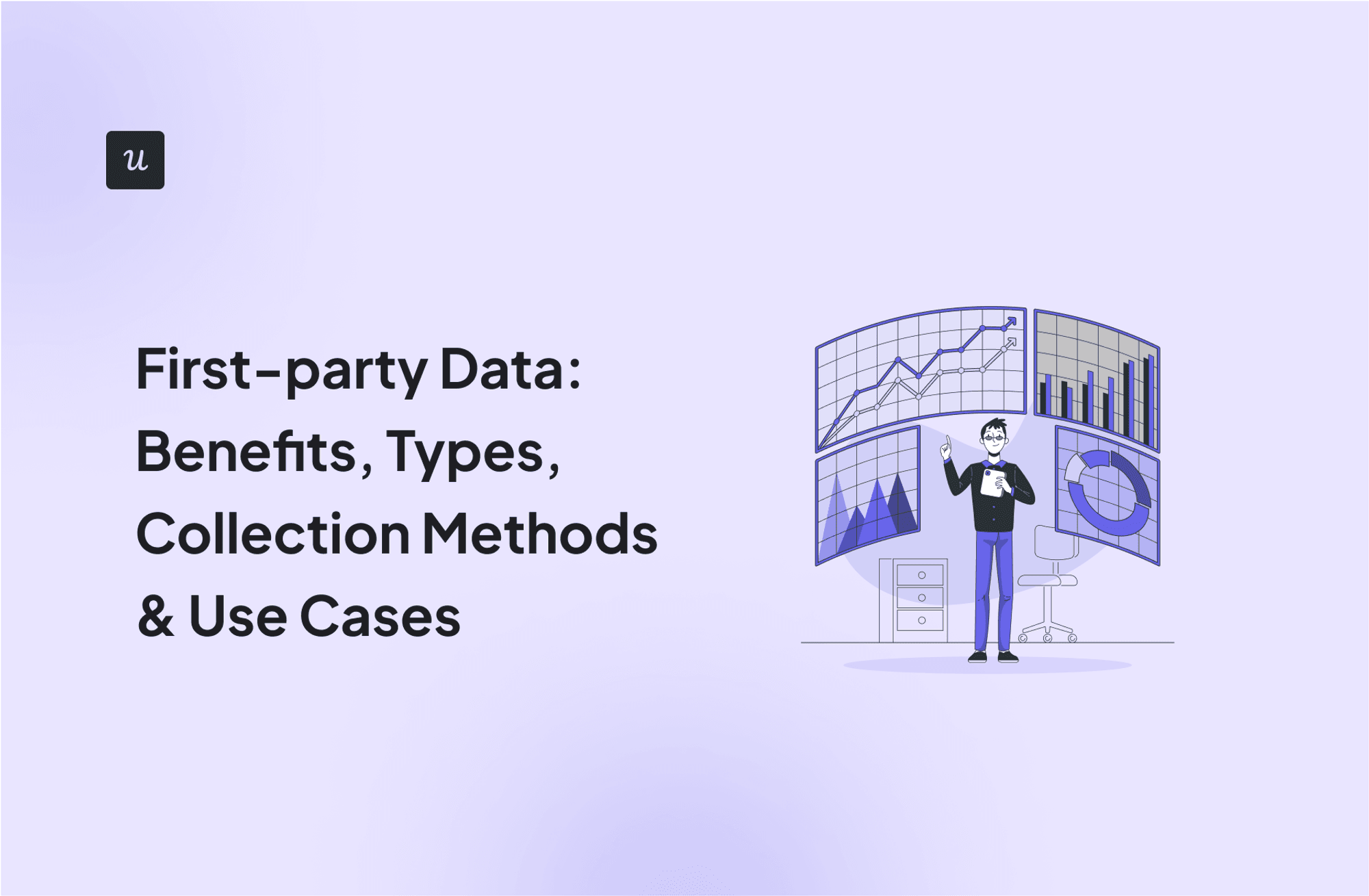
First-party data is the customer information your business collects directly from people who interact with your brand. Think website visitors, app users, newsletter subscribers, buyers, loyalty members, sales leads, customer support contacts, and social media followers. In other words, it is the data you earn through real relationships, not the mystery confetti tossed over the wall by unknown third-party data brokers.
For modern marketing, first-party data is no longer a “nice to have.” It is the sturdy little bridge between personalization, privacy, analytics, customer experience, and revenue growth. As privacy rules expand, browsers give users more control, and ad platforms tighten the rules for audience uploads, businesses need data that is accurate, permission-based, useful, and collected through their own channels.
The good news? Most companies already have more first-party data than they realize. The bad news? It is often scattered across forms, email tools, CRM records, analytics platforms, checkout systems, customer service chats, spreadsheets, and that one dashboard nobody has opened since the intern left. This guide explains what first-party data is, why it matters, what types exist, how to collect it responsibly, and how to turn it into practical business wins.
What Is First-party Data?
First-party data is information collected directly by a business from its audience through owned touchpoints. These touchpoints may include websites, mobile apps, email campaigns, CRM systems, point-of-sale systems, customer accounts, surveys, loyalty programs, live chat, customer support interactions, and offline events.
The defining feature is the direct relationship. A visitor browses your product page. A customer buys a backpack. A subscriber clicks an email. A lead fills out a demo form. A shopper answers a preference quiz. Your business collects that interaction through your own channels, usually with notice, consent, or a clear value exchange.
First-party Data vs. Zero-party, Second-party, and Third-party Data
First-party data is often grouped with other data categories, but each one has a different origin and risk profile.
- Zero-party data: Information a customer intentionally and proactively gives you, such as style preferences, budget range, product interests, or quiz answers.
- First-party data: Information you collect from direct customer interactions, such as purchases, website behavior, email engagement, CRM activity, and support conversations.
- Second-party data: Another organization’s first-party data shared through a trusted partnership.
- Third-party data: Data gathered by outside providers, often from multiple sources, usually without a direct relationship between the customer and the brand using it.
Zero-party data is like a customer saying, “Here is what I want.” First-party data is like watching what they actually do. Together, they are powerful. A customer may say they love minimalist sneakers, but their purchase history may reveal a secret weakness for neon running shoes. Humans are complicated. Data is here to take notes.
Why First-party Data Matters More Than Ever
The shift toward first-party data is driven by three major forces: privacy expectations, marketing performance, and customer experience. Consumers expect brands to use data responsibly. Regulators expect companies to explain what they collect and why. Marketers expect campaigns to perform even when old tracking methods become less reliable. That is a lot of expectation sitting on one tiny cookie jar.
First-party data helps businesses build a more durable marketing foundation because it comes from real interactions with known or engaged audiences. It is generally more relevant than outside data because it reflects your actual customers, products, pricing, buying journey, and content ecosystem.
Benefits of First-party Data
1. Better Accuracy and Relevance
First-party data is usually more accurate because it comes from your own systems and direct customer behavior. You are not guessing whether someone might be interested in hiking gear because they once read an article about national parks. You know they viewed trail shoes, added a backpack to their cart, and opened an email about waterproof jackets.
This accuracy supports smarter segmentation, better recommendations, stronger lead scoring, more relevant content, and cleaner reporting. It also reduces the “why am I seeing this ad?” problem, which is what happens when ad targeting thinks a person who bought one baby shower gift is now personally raising triplets.
2. Stronger Customer Relationships
When first-party data is collected transparently and used respectfully, it can improve trust. Customers are often willing to share information when the benefit is obvious: faster checkout, better recommendations, personalized offers, useful reminders, loyalty rewards, or content that actually matches their interests.
The key phrase is “used respectfully.” First-party data should make the experience feel helpful, not haunted. A timely replenishment reminder is useful. An ad that follows someone across twelve websites like a caffeinated detective is not.
3. Improved Personalization
Personalization depends on knowing something meaningful about the customer. First-party data can power personalized homepage banners, product recommendations, abandoned cart emails, loyalty offers, renewal reminders, onboarding sequences, and account-based marketing campaigns.
For example, a software company can show different onboarding tips to a new admin user than to a daily power user. An online pet store can recommend senior dog food to customers who regularly buy joint supplements. A bank can promote small business services to customers who downloaded a business loan guide. The goal is not to shout “We know everything!” The goal is to quietly be useful.
4. More Efficient Marketing Spend
First-party data helps marketers spend less time chasing random audiences and more time engaging people who have already shown intent. Customer lists, high-value segments, repeat purchase patterns, and lifecycle stages can all improve campaign targeting.
Instead of treating every visitor the same, a brand can distinguish between a new browser, a loyal customer, a cart abandoner, a churn risk, and a VIP buyer. That means budget can be aimed at the right message for the right person at the right moment. Or, at minimum, the wrong message can be aimed at fewer people, which is still progress.
5. Better Measurement and Attribution
First-party data improves analytics because it connects marketing activity to real outcomes. Email clicks, CRM stages, purchases, subscription renewals, customer lifetime value, support history, and product usage can reveal what actually drives results.
For example, a B2B company may discover that leads who attend a webinar and then visit the pricing page within seven days are more likely to request a demo. An ecommerce brand may find that customers who join the loyalty program after their second purchase have higher repeat purchase rates. These insights are more actionable than vague traffic numbers floating around like balloons at a corporate birthday party.
6. Greater Control and Data Ownership
First-party data lives in your own business ecosystem. You decide how it is collected, stored, governed, analyzed, and activated. That control matters as platforms change their policies, browsers change tracking behavior, and privacy laws continue to evolve.
Owning the relationship does not mean owning the customer. It means being responsible for the data customers share or generate through interactions with your brand. Good first-party data strategy is less “grab everything” and more “collect what helps, protect what matters, and delete what you do not need.”
Types of First-party Data
Behavioral Data
Behavioral data shows what users do across your owned channels. It may include page views, product views, search terms, clicks, downloads, video plays, cart additions, app sessions, feature usage, and content engagement.
This data is especially useful for intent signals. A person who visits your pricing page three times in one week may be more sales-ready than someone who read one beginner blog post six months ago. Context matters.
Transactional Data
Transactional data includes purchases, order value, product category, subscription plan, payment frequency, returns, refunds, renewals, and purchase dates. This is some of the most valuable first-party data because it reflects actual revenue behavior, not just curiosity.
Retailers can use transactional data for replenishment campaigns, loyalty tiers, cross-sell offers, and customer lifetime value analysis. B2B companies can use it to identify expansion opportunities, renewal risk, and account growth patterns.
Demographic and Firmographic Data
Demographic data may include age range, location, language, household information, or professional role, depending on what is appropriate and legally allowed. Firmographic data is the B2B cousin, covering company size, industry, revenue range, region, department, and technology stack.
This type of data supports segmentation, but it should not be used lazily. “Lives in Chicago” is not a strategy. “Lives in Chicago, recently browsed winter boots, and bought waterproof gloves last month” is getting warmerliterally.
Preference Data
Preference data includes communication choices, product interests, favorite categories, budget ranges, content topics, shopping goals, preferred store location, and channel preferences. Much of this overlaps with zero-party data because customers intentionally provide it.
Preference centers are a practical way to collect this data. Instead of forcing subscribers to choose between “receive everything” and “unsubscribe forever,” brands can let people choose topics, frequency, and channels. It is civilized. Marketing should try that more often.
Engagement Data
Engagement data covers how customers interact with campaigns and content. Examples include email opens, clicks, SMS responses, push notification interactions, webinar attendance, event participation, social engagement, ad interactions, and form submissions.
This data helps identify interest level and lifecycle stage. A lead who attends three product webinars may need a different follow-up than someone who downloaded one top-of-funnel checklist and disappeared into the internet fog.
Customer Support and Feedback Data
Support tickets, live chat transcripts, call center notes, satisfaction scores, product reviews, complaints, feature requests, and survey responses can reveal customer pain points and opportunities.
This data is useful beyond customer service. Product teams can spot recurring issues. Marketing teams can identify language customers actually use. Sales teams can understand objections. Executives can see whether the brand promise survives contact with reality.
First-party Data Collection Methods
Website and App Analytics
Your website and app are first-party data gold mines when tracking is implemented responsibly. Analytics can capture page views, sessions, referral sources, product interactions, content engagement, search behavior, and conversion events.
Start with a measurement plan. Define the events that matter, such as newsletter signup, product view, add to cart, demo request, checkout completion, account creation, or feature activation. Without a plan, analytics becomes a junk drawer with charts.
Forms and Lead Magnets
Forms collect information directly from users. Common examples include contact forms, newsletter signups, demo requests, quote forms, event registrations, gated guides, quizzes, calculators, and assessment tools.
The best forms are short, clear, and tied to value. Ask for what you need now, not everything you might possibly want someday. A first-name field is fine. A twelve-question interrogation before someone downloads a checklist is how leads escape through the nearest browser tab.
CRM and Sales Interactions
CRM systems collect first-party data from sales calls, email conversations, deal stages, lead sources, account notes, objections, purchase timelines, and customer goals. This data is especially valuable for B2B marketing and account-based strategies.
To keep CRM data useful, teams need consistent fields, clean naming conventions, regular updates, and clear ownership. Otherwise, the CRM becomes a museum of ancient opportunities labeled “Hot Lead!!!” from 2021.
Email and SMS Engagement
Email and SMS platforms generate engagement data such as subscriptions, clicks, conversions, topic interests, opt-outs, and response behavior. These signals can power segmentation and lifecycle automation.
For example, a customer who clicks several emails about beginner photography tips may be invited to a starter course. Someone who repeatedly clicks advanced lens reviews may receive a comparison guide or premium equipment offer.
Loyalty Programs and Customer Accounts
Loyalty programs and customer accounts are excellent sources of first-party data because they create a clear value exchange. Customers share information and behavior in return for rewards, convenience, early access, exclusive content, points, or personalized service.
These programs can collect purchase history, preferences, reward usage, favorite categories, store visits, birthdays, and engagement patterns. The trick is to make the program genuinely useful, not just a plastic-card-shaped excuse to send more emails.
Surveys, Quizzes, and Preference Centers
Surveys and quizzes collect explicit customer input. They can reveal needs, goals, budgets, interests, product fit, satisfaction, and future purchase intent. Preference centers help customers control what they receive and how often.
Interactive tools work best when they give something back immediately: a recommendation, score, custom guide, product match, or useful next step. Nobody wakes up thrilled to “help improve our database.” Give them a reason.
Point-of-Sale and Offline Data
First-party data is not limited to digital channels. Physical stores, events, call centers, in-person consultations, QR codes, receipts, warranty registrations, and offline purchases can all feed a customer data strategy.
Connecting offline and online data helps brands understand the full journey. A customer may research online, buy in store, contact support by phone, and reorder through an app. Without integration, that same person may look like four unrelated strangers wearing a trench coat.
Best Practices for Collecting First-party Data
Be Transparent
Tell customers what data you collect and why. Use plain language instead of legal fog. A privacy notice should not require a law degree, two espressos, and a flashlight.
Offer a Clear Value Exchange
People are more likely to share data when they understand the benefit. Better recommendations, faster service, loyalty rewards, useful content, personalized reminders, and account convenience are all valid value exchanges.
Collect Only What You Need
More data is not always better. Unnecessary data increases storage costs, governance complexity, privacy risk, and analysis confusion. Collect data that supports real business and customer outcomes.
Respect Consent and Preferences
Consent requirements vary by location, channel, and data type. Businesses should honor opt-ins, opt-outs, unsubscribe requests, cookie choices, SMS permissions, and regional privacy requirements. When in doubt, ask qualified legal and privacy professionalsnot the office group chat.
Unify Data Carefully
First-party data becomes more powerful when connected across systems. A customer data platform, data warehouse, CRM, or marketing automation platform can help unify profiles and activate audiences. But unification should be governed carefully, with clear rules for identity resolution, access, retention, and security.
Keep Data Clean
Data quality is the difference between personalization and nonsense. Standardize fields, remove duplicates, validate emails, define event names, document tracking rules, and audit systems regularly. Bad data does not become wise just because it sits in an expensive dashboard.
First-party Data Use Cases
Audience Segmentation
First-party data allows businesses to build meaningful segments based on behavior, value, lifecycle stage, preferences, and engagement. Examples include first-time buyers, loyal customers, high-value accounts, cart abandoners, inactive subscribers, product category fans, and renewal-risk customers.
Personalized Email Campaigns
Email personalization can go far beyond “Hi, First Name.” Brands can personalize content based on browsing behavior, purchases, location, lifecycle stage, and preferences. A skincare brand can send different routines to customers with dry skin, oily skin, or sensitive skin. A software company can send different onboarding lessons based on the user’s role.
Product Recommendations
Ecommerce companies can use purchase history, product views, cart behavior, and category interest to recommend relevant products. Streaming platforms, publishers, learning platforms, and SaaS products can do the same with content, courses, features, or next-best actions.
Retargeting and Remarketing
First-party audiences can support remarketing through advertising platforms when used according to platform policies and privacy requirements. Examples include reaching past purchasers with accessories, reminding cart abandoners, re-engaging inactive customers, or excluding recent buyers from acquisition campaigns.
Customer Journey Automation
First-party data can trigger automated journeys. A new subscriber receives a welcome series. A trial user gets onboarding tips. A shopper who abandons a cart receives a reminder. A customer nearing renewal gets a helpful usage summary. A VIP buyer gets early access to a launch.
Lead Scoring and Sales Prioritization
B2B teams can use first-party data to score leads based on fit and intent. A strong lead might match the ideal customer profile, visit key pages, attend a webinar, open sales emails, and request pricing. Sales teams can then prioritize outreach based on real behavior instead of vibes, which are famously hard to export as a CSV.
Customer Retention and Churn Prevention
Retention teams can identify warning signs such as declining usage, fewer logins, negative support interactions, reduced purchase frequency, or low engagement. Then they can respond with education, offers, support, account outreach, or product improvements.
Analytics and Business Strategy
First-party data supports strategic decisions across marketing, product, sales, service, and finance. It can reveal which channels bring loyal customers, which products drive repeat purchases, which features increase retention, and which customer segments create the most long-term value.
Common Mistakes to Avoid
Collecting Data Without a Purpose
Do not collect data just because you can. Every data point should have a job. If nobody can explain how a field improves customer experience, operations, compliance, or revenue, it may not belong in the system.
Ignoring Privacy and Consent
First-party data is not automatically risk-free. It still needs transparency, security, governance, and respect for customer choices. “We collected it ourselves” is not a magic spell that makes privacy obligations disappear.
Letting Data Stay in Silos
When marketing, sales, service, ecommerce, and product teams each hold separate data, the customer experience becomes fragmented. The customer already knows they are one person. Your systems should try to keep up.
Over-personalizing
Good personalization feels useful. Bad personalization feels like a raccoon in the air vents. Use data to reduce friction, not to prove how much you know.
How to Build a First-party Data Strategy
Step 1: Define Business Goals
Start with the outcome. Do you want higher conversion rates, better retention, lower acquisition costs, stronger personalization, improved reporting, better lead quality, or a more complete customer view? Goals determine what data you need.
Step 2: Map Customer Touchpoints
List every place customers interact with your brand: website, app, email, ads, CRM, checkout, stores, events, support, social channels, and partner experiences. Then identify what data each touchpoint generates.
Step 3: Audit Current Data
Review what you already collect, where it lives, who owns it, how accurate it is, whether consent is documented, and whether the data is actually used. This step often reveals both hidden treasure and digital dust bunnies.
Step 4: Create a Data Governance Plan
Define rules for collection, consent, storage, access, retention, deletion, naming conventions, security, and compliance. Governance may not sound glamorous, but neither does plumbinguntil it fails.
Step 5: Activate Data Across Use Cases
Start with a few high-value use cases, such as welcome journeys, cart abandonment, lead scoring, renewal reminders, VIP segmentation, or product recommendations. Measure performance, improve data quality, and expand gradually.
Experience-based Insights: What Working With First-party Data Teaches You
Anyone who has worked on first-party data projects learns quickly that the hard part is rarely “collecting more data.” The hard part is collecting the right data, cleaning it, connecting it, earning permission to use it, and turning it into experiences that customers do not immediately want to mute, block, or flee.
The first practical lesson is that small data improvements can create big marketing wins. A business does not need a futuristic artificial intelligence command center to begin. Even a simple segmentation modelnew leads, active buyers, repeat customers, inactive customers, and high-value customerscan improve messaging. A welcome email for a first-time subscriber should not sound like a loyalty reward email for someone who has purchased fifteen times. That is like greeting your spouse with “Nice to meet you.” Technically polite, emotionally alarming.
The second lesson is that form strategy matters. Many teams want to ask for everything at once: name, email, phone number, company, job title, budget, timeline, favorite sandwich, childhood dream, and possibly blood type. But long forms reduce completion rates, especially when the value is unclear. A better approach is progressive profiling. Ask for the minimum information needed at the first interaction, then learn more over time as trust grows. For example, a newsletter signup may only need an email address and topic preference. A demo request can ask for company size and role. A later sales conversation can uncover budget and timeline.
The third lesson is that customer data becomes more useful when teams agree on definitions. What counts as an “active customer”? Is it someone who purchased in the last 30 days, 90 days, or 12 months? What makes a lead “qualified”? Is a repeat buyer someone with two purchases or three? Without shared definitions, dashboards become debate clubs. Everyone has numbers, nobody has answers, and the meeting somehow gets scheduled again next Tuesday.
The fourth lesson is that first-party data should improve the customer’s life, not just the marketer’s spreadsheet. The best use cases reduce friction. A returning customer should not have to re-enter information the company already has. A subscriber should be able to choose fewer emails instead of unsubscribing entirely. A software user should receive onboarding tips related to features they actually use. A shopper should see recommendations that make sense, not random leftovers from the product catalog’s haunted basement.
The fifth lesson is that privacy and performance are not enemies. Clear consent, preference controls, and honest explanations can improve data quality because customers understand the exchange. When people willingly share preferences, the brand gets better inputs. When data is scraped, guessed, or buried behind vague notices, the result is often lower trust and messier performance.
The sixth lesson is to start with one or two use cases and prove value before expanding. A company might begin with abandoned cart recovery, post-purchase cross-sell, lead scoring, or churn-risk alerts. Once that use case works, the team can refine tracking, improve segmentation, connect more systems, and build additional journeys. First-party data strategy is not a one-time installation. It is a habit: collect responsibly, analyze honestly, activate thoughtfully, measure results, and improve continuously.
Finally, first-party data teaches humility. Customers change. Markets shift. Products evolve. A segment that worked last year may be stale today. That is why data strategy should stay flexible. The goal is not to build a perfect crystal ball. The goal is to build a trustworthy feedback loop between what customers need, what they do, and how your business responds.
Conclusion
First-party data is one of the most valuable assets a modern business can build. It helps companies understand customers, personalize experiences, improve marketing efficiency, strengthen measurement, support retention, and reduce dependence on less reliable outside data sources. But its value depends on trust. Collecting data directly does not give a brand permission to be careless, creepy, or confusing.
The strongest first-party data strategies are built on transparency, consent, useful value exchanges, clean systems, clear governance, and practical activation. Businesses that collect the right information, connect it responsibly, and use it to genuinely improve the customer journey will be better prepared for the future of marketingwhatever browsers, platforms, regulators, and customers decide to do next.
In plain English: first-party data is not just a marketing trend. It is the difference between guessing from across the room and having a real conversation with your audience. And in business, as in life, real conversations usually beat suspiciously expensive guessing.
Note: This article is written in original American English for web publishing and is based on current, real-world marketing, analytics, advertising, customer data, and privacy best practices.