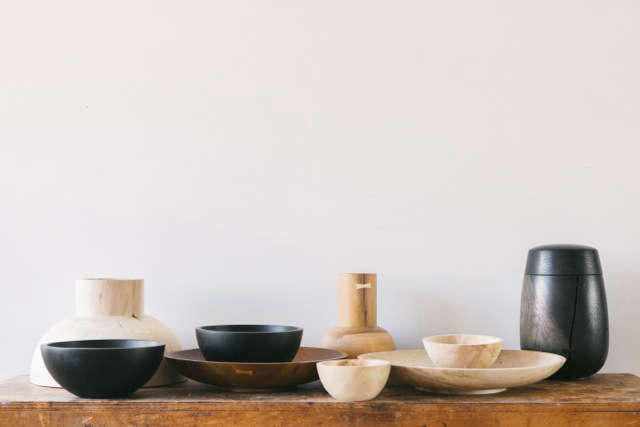
In a city where design showrooms can sometimes feel as warm as a marble lobby in February, Fair by Brad Ford offers something refreshingly human: furniture, lighting, objects, and materials with fingerprints, stories, and a pulse. Located inside the New York Design Center at 200 Lexington Avenue, FAIR is not just another polished showroom where beautiful chairs sit quietly and judge your posture. It is a curated modern craft hub where high-end design meets the patient, stubborn, wonderful world of making things by hand.
Founded by interior designer Brad Ford, FAIR grew from the same spirit that powered Field + Supply, Ford’s modern interpretation of a traditional arts and crafts fair in the Hudson Valley. The idea is simple but surprisingly rare: treat craft not as cute decoration, but as serious design. Here, handmade does not mean rustic by default. It can be clean-lined, architectural, collectible, luxurious, and still full of soul.
For designers, architects, collectors, and anyone who has ever whispered “I want something special” while scrolling through 9,000 identical coffee tables online, FAIR is a reminder that the best interiors are not assembled from algorithms. They are built from choices, relationships, materials, and the kind of objects that look better when you learn who made them.
What Is FAIR by Brad Ford?
FAIR is a curated furniture and design showroom founded by Brad Ford in 2015 at the New York Design Center. The showroom represents makers and manufacturers from the New York area, the West Coast, Denmark, Japan, and other design-rich regions around the world. Its categories include tables, seating, storage, lighting, beds, objects, outdoor pieces, and artisan-made home furnishings.
That description sounds tidy, but FAIR’s real identity is more interesting than a product list. It is a bridge between the energy of a craft fair and the refinement of a trade showroom. Instead of treating handcrafted pieces as weekend-market souvenirs, FAIR places them in a sophisticated design context. A hand-finished table is not “charming” in the apologetic sense. It is commanding. A ceramic object is not filler for an empty shelf. It is a small sculpture with a job.
The showroom is open during weekday business hours and serves both trade professionals and design-minded visitors. It has become known as a destination for designers looking for pieces that are carefully made, materially rich, and visually restrained. In other words, it is for people who believe a room should have texture, not just a shopping cart history.
Brad Ford’s Design Point of View
Brad Ford’s design career helps explain why FAIR feels so edited. Ford, originally from Arkansas, built his interior design practice in New York with a reputation for understated, livable modern interiors. His work often favors clean lines, natural materials, calm palettes, and spaces that feel composed without becoming stiff. There is no shouting. No decorative jazz hands. Just a quiet confidence that says, “Yes, this sofa knows exactly who it is.”
That sensibility shapes FAIR. The showroom does not chase trendiness for its own sake. Instead, it highlights work that can live in a modern apartment, a townhouse, a weekend retreat, or a hospitality project without feeling like a design stunt. Ford’s eye is especially good at finding the sweet spot between simplicity and character. Too plain, and a room feels anonymous. Too busy, and suddenly your living room looks like it has unresolved issues. FAIR lives in the middle: restrained, tactile, and memorable.
The Field + Supply Connection
To understand FAIR, you have to understand Field + Supply. Ford created Field + Supply in 2014 in the Hudson Valley as a modern take on the traditional arts and crafts fair. The event gathers carefully selected makers offering furniture, lighting, textiles, ceramics, jewelry, home goods, and other design-forward objects. It takes place at Hutton Brickyards in Kingston, New York, and has expanded into an online shopping platform as well.
Field + Supply brought together the atmosphere of an upstate market with the taste level of a design editor who owns very good linen. FAIR translated that same concept into a permanent New York City showroom. If Field + Supply is the lively weekend gathering with music, food, river views, and everyone wearing suspiciously excellent jackets, FAIR is its more composed city sibling. Same devotion to craft. More elevator banks.
Many of the makers and design values associated with Field + Supply naturally connect to FAIR. Both celebrate the handmade, the small-batch, the material-forward, and the thoughtfully produced. But FAIR sharpens the focus for interior designers and architects who need pieces that can anchor serious residential and commercial spaces.
Why the New York Design Center Location Matters
FAIR’s home at the New York Design Center is not random. The building at 200 Lexington Avenue is a major resource for interior designers, architects, and design professionals sourcing furniture, fabrics, lighting, art, antiques, and decorative materials. By placing contemporary craft inside this ecosystem, FAIR gives artisan-made work a seat at the grown-up design table.
That matters because craft has sometimes been misunderstood as informal, regional, or overly homespun. FAIR challenges that lazy assumption. A handmade walnut dining table can be as architectural as a glass skyscraper. A ceramic pendant can be as sophisticated as a museum fixture. A woven rug can carry more design intelligence than a room full of shiny things trying too hard.
The showroom’s presence inside a trade-focused design center also helps makers reach the professionals who specify pieces for real projects. That means craft does not remain trapped in the category of “nice thing I saw once.” It can become part of apartments, hotels, restaurants, offices, and homes where people live with it every day.
What You’ll Find Inside FAIR
Furniture With Presence
FAIR’s furniture selection leans toward pieces that combine strong form with visible care. Tables, chairs, storage pieces, and beds often emphasize wood grain, proportion, joinery, and finish. These are not objects designed to disappear after one season. They are the sort of pieces that can handle changing taste because their value is rooted in material and craft rather than novelty.
Think of a dining table that does not need a dramatic centerpiece because the table itself is quietly doing the work. Or a chair with a silhouette simple enough to age well, but detailed enough that you keep noticing it from across the room. That is FAIR’s lane: modern, warm, and made to be lived with.
Lighting That Adds Atmosphere
Lighting is one of the most important categories in any interior, mostly because bad lighting can make even expensive furniture look like it is being interrogated. FAIR’s lighting offerings reflect the showroom’s broader philosophy: sculptural, crafted, and atmospheric. Rather than treating a lamp as a purely functional device, FAIR highlights lighting as an object that shapes mood, texture, and rhythm.
A handmade fixture can soften a room, add visual weight, or provide the one unexpected detail that keeps a minimalist space from becoming too polite. In good interiors, lighting is not just about seeing. It is about feeling.
Objects, Materials, and the Final Layer
The smaller pieces at FAIR are just as important as the larger ones. Objects, vessels, mirrors, textiles, and accessories provide the final layer that makes a room feel personal. This is where craft can be especially powerful. A handmade object brings irregularity, and irregularity brings life. Perfectly smooth, mass-produced interiors can look impressive, but they often feel like nobody has ever laughed there.
FAIR’s accessories help solve that problem. They add detail without clutter and personality without chaos. The goal is not to fill every surface. The goal is to choose fewer, better thingsthe kind that earn their place.
FAIR’s Design Language: Warm Minimalism Without the Frostbite
The phrase “warm minimalism” gets tossed around so much that it should probably have its own tote bag. But FAIR is one of the places where the idea actually makes sense. The showroom’s aesthetic tends to favor simple forms, quiet colors, natural materials, and handcrafted surfaces. The result is modern design that does not feel cold.
This is important because many people love clean interiors in theory but fear living in a room that looks like a luxury airport lounge. FAIR shows another path. A space can be simple and still generous. It can be edited and still layered. It can be modern and still have the emotional temperature of a home, not a dental office with excellent branding.
Materials do much of the work. Wood adds warmth. Leather adds depth. Stone adds permanence. Ceramic adds tactility. Woven fibers add softness. Metal adds structure. When these elements are balanced, the room does not need excessive decoration. The materials provide the visual interest.
Why FAIR Matters in NYC’s Design Scene
New York City has no shortage of design resources. You can find European icons, vintage treasures, contemporary galleries, antique dealers, fabric houses, art studios, and enough chair options to make a decisive person need a snack. FAIR stands out because it gives modern craft a clear identity within that crowded landscape.
Its importance is not just aesthetic; it is cultural. FAIR supports a slower, more intentional way of thinking about interiors. In a market flooded with fast furniture and trend-driven sameness, the showroom argues for provenance, process, and longevity. It reminds buyers that the question is not only “Does this look good?” but also “Who made it, how was it made, and will I still care about it in ten years?”
For makers, FAIR provides visibility. For designers, it provides a curated shortcut to quality. For clients, it offers pieces with a story. And for the design world at large, it proves that craft can be sophisticated without losing its humanity.
How Designers Can Use FAIR in Real Projects
FAIR is especially useful for interior designers who want to give a project distinction without overwhelming the architecture. A handcrafted dining table can become the emotional center of an open-plan apartment. A sculptural light can create drama in an entryway. A quiet bench can soften a hallway. A ceramic vessel can make a built-in shelf look collected instead of staged five minutes before the photographer arrived.
The showroom also helps designers avoid the “catalog room” effect. That happens when everything in a space looks technically correct but strangely soulless, as if the room was assembled by a very organized spreadsheet. By mixing artisan-made pieces with vintage, contemporary, and architectural elements, designers can create rooms that feel layered and specific.
FAIR’s pieces work particularly well in interiors that value restraint: modern townhouses, lofts, brownstones, boutique hotels, creative offices, and calm family homes where the dog is not allowed on the sofa but absolutely goes there anyway.
Shopping FAIR: What to Expect
Shopping at FAIR is less about grabbing a quick item and more about discovery. Prices are often available on request, which is common in high-end trade showrooms. For serious buyers, that means the process may include conversations about materials, dimensions, finishes, lead times, and customization.
This is part of the appeal. A handcrafted piece is not always instant. It may involve waiting, specifying, and trusting the maker’s process. That can be difficult in an era trained by two-day shipping, but it also creates a different relationship with the object. When something is made with care, you tend to treat it with care. Revolutionary concept, yes. Your coffee table may finally stop being a landing pad for random mail.
Visitors should expect a curated atmosphere rather than a warehouse-style shopping experience. FAIR is about looking closely. Notice the grain of the wood, the curve of a chair, the texture of a woven surface, the way a lamp changes the mood around it. The showroom rewards attention.
Experiences Inspired by FAIR by Brad Ford: A Modern Craft Mindset in Real Life
The experience of a place like FAIR does not end when someone leaves the showroom. Its bigger lesson is portable: interiors become more meaningful when we slow down and choose objects with intention. That idea can shape how people decorate a studio apartment, renovate a townhouse, source furniture for a hotel, or simply decide whether they really need another trendy side table that looks like it was designed by a nervous mushroom.
One of the most useful experiences connected to FAIR’s approach is learning to look at materials before labels. In many homes, people choose furniture by style category first: modern, farmhouse, midcentury, Scandinavian, industrial. Those categories can be helpful, but they can also become traps. FAIR encourages a better question: what is this made of, and how does it feel in the room? A simple oak table, a hand-thrown ceramic lamp, or a woven textile may not scream for attention online, but in person it can completely change the emotional quality of a space.
Another experience is understanding the power of fewer, better pieces. A room does not need to be packed with design moments. In fact, too many “statement pieces” can turn a home into a very expensive argument. FAIR’s modern craft sensibility suggests that one excellent table, one beautiful light fixture, or one soulful handmade object can do more than a dozen decorative fillers. The result is a home that feels collected, not crowded.
For homeowners, the FAIR mindset can begin with a single corner. Choose one areaa reading chair, an entry table, a bedside setupand treat it as a small composition. Add a piece with texture, something handmade, something useful, and something personal. The goal is not perfection. The goal is presence. A good corner should feel like someone lives there and has excellent taste, not like a showroom employee just walked away holding a clipboard.
For designers, the experience is even more strategic. Craft can be used to create emotional contrast in highly polished spaces. A sleek apartment with glass walls and stone floors may need the warmth of wood, leather, clay, or fiber. A historic home may need contemporary handmade pieces to avoid feeling frozen in time. A hospitality project may use crafted objects to make guests feel that the place has a local or human identity, rather than the personality of a credit card lounge.
The biggest takeaway is that modern craft is not nostalgic. It is not about pretending we all live in a candlelit workshop with a very photogenic dog sleeping near the kiln. It is about reconnecting design with process. FAIR by Brad Ford shows that handmade work can be urban, refined, global, and deeply relevant to contemporary living. It gives New York a craft hub that feels both elevated and approachablea place where the object matters, the maker matters, and the room becomes better because both were considered.
Conclusion: A Showroom With Soul
Fair by Brad Ford is more than a furniture showroom in NYC. It is a thoughtful argument for modern craft, careful sourcing, and interiors that feel human. By connecting the energy of Field + Supply with the professional design world of the New York Design Center, Brad Ford has created a destination where handcrafted furniture and objects are treated with the seriousness they deserve.
In a design culture often obsessed with speed, sameness, and the next big thing, FAIR offers a calmer and more lasting idea: choose objects that are made well, feel good, and carry a story. That may sound simple, but simple is not always easy. Sometimes it requires taste, patience, and the courage to say no to the shiny thing that will look dated before your next dinner party.
FAIR’s greatest strength is its balance. It is refined but not cold, curated but not sterile, luxurious but not flashy. It proves that craft can be modern, and modern design can have soul. For New York designers, homeowners, and collectors searching for pieces with substance, FAIR remains one of the city’s most compelling modern craft hubs.