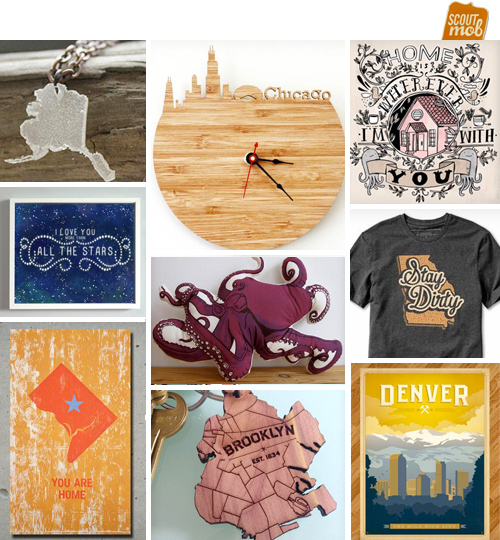
Some giveaways arrive quietly, like a polite knock at the door. Others show up wearing a fake mustache, yelling “MOB ME!” and inviting everyone to celebrate local makers, small shops, handmade finds, and the glorious thrill of discovering something nobody else on the block owns yet. That is the playful spirit behind “Fab Freebie: Mob Mentality”a title that sounds like it belongs in a courtroom drama, but actually points to something much friendlier: the magnetic pull of community shopping.
The original idea came from a Young House Love giveaway featuring Scoutmob’s Shoppe, a curated marketplace that highlighted independent artisans, small-batch goods, local pride, and handcrafted products with personality. Two readers had the chance to win $200 gift cards, and the entry prompt asked people to comment with “MOB ME” and share something local they had recently purchased and loved. Translation: less angry crowd, more happy neighborhood parade with cupcakes, pottery, art prints, dog treats, and possibly too many Girl Scout cookies.
But the charm of this “mob mentality” goes deeper than a fun freebie. It taps into a larger consumer shift: people want their homes, closets, kitchens, and gift boxes to feel more personal. They want stories. They want makers. They want items that did not roll off a production line with the emotional warmth of a parking ticket. In a world full of one-click sameness, local and handmade shopping feels like a tiny act of rebellionwith better packaging.
What “Fab Freebie: Mob Mentality” Really Means
In this context, “mob mentality” is not about losing your judgment in a crowd. It is about joining a cheerful wave of people who support independent creators. The “mob” is a community of shoppers who believe that where money goes matters. The “mentality” is simple: buy less randomly, buy more meaningfully, and notice the makers who add texture to everyday life.
Scoutmob originally became known as a local deals platform before expanding into Shoppe, an online marketplace focused on locally made and independently designed goods. That mattered because it gave small creators a digital storefront without stripping away the human story behind the product. Instead of browsing anonymous inventory, shoppers could discover handmade jewelry, reclaimed home décor, original art, accessories, food gifts, and quirky products tied to real places and real people.
The Young House Love giveaway captured that energy perfectly. It was not just “win free stuff.” It was “tell us what local thing made you happy lately.” Readers responded with stories about local cupcakes, craft fairs, pottery, vintage furniture, neighborhood restaurants, coffee, art, dog bakeries, farmers markets, and handmade keepsakes. The comment section became a tiny map of American local love, sprinkled with frosting and enthusiasm.
Why Local Shopping Still Matters
Small businesses are not decorative extras in the American economy; they are the floorboards. According to recent U.S. Small Business Administration data, small businesses make up nearly all businesses in the country and employ tens of millions of people. That means buying from independent shops and makers is not just a feel-good hobby for people who own linen aprons. It is part of how communities stay economically alive.
Local shopping also creates what economists often call a local multiplier effect. When money is spent at independent businesses, more of it tends to circulate nearby through wages, local services, charitable giving, and other neighborhood spending. A dollar spent locally can do more social cardio than a dollar that immediately packs a suitcase and leaves town.
This does not mean every purchase must be a heroic civic act. Nobody needs to whisper “for the economy” while buying a ceramic spoon rest. But intentional shopping can add up. A birthday gift from a neighborhood maker, coffee from a local roaster, a print from a regional artist, or a candle poured by someone three ZIP codes away can help sustain the kind of communities people actually enjoy living in.
The Appeal of Independent Makers
Independent makers understand something big retailers often forget: people love objects with a pulse. A handmade mug may not be perfectly symmetrical, but it may become the mug you reach for every morning because it feels like it has a personality. A mass-produced print can fill wall space, but an illustration from a local artist can remind you of a city, a season, or a favorite Saturday.
That is the sweet spot Scoutmob’s Shoppe aimed to occupy. It connected shoppers with goods that felt discovered rather than merely purchased. This model also anticipated the broader growth of online maker marketplaces, where platforms like Etsy helped normalize the idea that handmade, vintage, custom, and small-batch goods could compete for attention online.
The best local products usually offer three things: usefulness, beauty, and a story. A cutting board shaped like your home state is useful. A letterpress card is beautiful. A necklace made by a metalsmith in your city has a story. Put all three together, and suddenly a gift feels thoughtful instead of “I panicked in aisle seven.”
How Giveaways Create Community
A good giveaway does more than hand out a prize. It starts a conversation. The “Fab Freebie: Mob Mentality” format worked because it asked readers to participate with a memory, not just a name and email address. People were not only entering; they were swapping mini-reviews of local life.
That kind of user-generated content has real value. It reveals what people care about. It shows patterns: food, home décor, handmade jewelry, local art, farmers markets, and neighborhood restaurants all carry emotional weight. Readers were not bragging about luxury purchases. They were celebrating cupcakes, mugs, cookies, vases, prints, and small discoveriesthe everyday treasures that make a place feel like home.
For bloggers, brands, and small businesses, this is the lesson: the strongest promotions invite people to tell their own stories. A giveaway built around “What local purchase made your day?” is far more engaging than “Comment below to win.” One sounds like community. The other sounds like a receipt with a microphone.
The Smart SEO Angle Behind a Fun Freebie
From an SEO perspective, “Fab Freebie: Mob Mentality” has several strengths. It is memorable, unusual, and emotionally specific. It combines curiosity with a clear giveaway format. The phrase “Fab Freebie” signals value, while “Mob Mentality” adds personality and intrigue. That combination can help a blog post stand out in search results and social feeds.
However, modern SEO requires more than a clever title. Search engines reward helpful, original content that answers real reader intent. A strong article around this topic should explain the giveaway, highlight the local shopping angle, discuss Scoutmob’s role, and connect the post to broader themes like supporting small businesses, buying handmade goods, and discovering independent artisans online.
Natural related keywords might include local shopping, independent makers, handmade gifts, small business support, artisan marketplace, shop local, and online maker marketplace. These terms should appear naturally, not marched into the article like they are reporting for keyword duty.
Why “Shop Local” Works Emotionally
People do not shop local only because of economics. They shop local because it feels good. There is a tiny thrill in saying, “The artist is from here,” or “I found this at a market downtown,” or “The baker knows my dog’s name.” Local businesses turn transactions into relationships, and relationships are much harder to replace than low prices.
That emotional connection is especially powerful in home décor and gifting. When people decorate their homes, they are not simply filling empty corners. They are building identity. A reclaimed wood shelf, handmade bowl, local art print, or custom sign can make a room feel collected over time rather than assembled by algorithm.
Gift giving works the same way. A handmade item says, “I thought about you.” A local item says, “This came from somewhere real.” A freebie tied to local makers says, “Congratulations, you now have permission to browse beautiful things for several hours and call it research.”
What Shoppers Can Learn From the Scoutmob Spirit
1. Look beyond the obvious marketplace
Big retailers are convenient, but they are not the only option. Local boutiques, craft fairs, farmers markets, museum shops, online artisan platforms, and small maker websites often carry more distinctive products.
2. Buy fewer, better things
Independent goods may cost more than mass-produced alternatives, but they often come with better materials, smaller production runs, and more personal craftsmanship. One great handmade vase can beat five forgettable knickknacks that look nervous on a shelf.
3. Ask about the maker
The story behind an item can make it more meaningful. Who made it? Where was it made? What materials were used? Was it inspired by a city, family tradition, or design technique?
4. Use local gifts as memory markers
A mug from a weekend trip, a print from a neighborhood market, or a handmade ornament from a holiday fair can become a physical bookmark in your life.
5. Share discoveries
Small businesses grow through word of mouth. Posting a photo, leaving a review, tagging a maker, or recommending a local shop can be more helpful than most people realize.
The Business Lesson for Makers and Bloggers
For independent makers, the Scoutmob-style model shows the power of curation. People can search the internet endlessly, but too many choices can turn shopping into homework. A curated marketplace reduces decision fatigue by saying, “Here are the good things. We did the digging. You may now enjoy the treasure chest.”
For bloggers, the original giveaway demonstrates how to build engagement without sounding like a billboard. The post used a playful title, a clear prize, a simple entry method, and a question that encouraged readers to talk about their real lives. That is a strong formula for community-based content.
For small businesses, the bigger takeaway is storytelling. A product listing should not only describe size, color, and shipping time. It should explain why the item exists, who made it, how it can be used, and what makes it different. In a crowded e-commerce world, personality is not decoration. It is strategy.
Examples of Local Finds That Fit the “Mob Me” Mood
The best local purchases are often simple. A hand-thrown bowl from a pottery studio. A city-map tea towel from a neighborhood gift shop. A small-batch candle that smells like cedar, citrus, and financial responsibility. A framed print from a regional illustrator. A jar of local honey. A vintage bar cart rescued from a secondhand shop and given a second act more glamorous than its first.
Food purchases work especially well because they are instantly shareable. Local cupcakes, roasted coffee, farmers market bread, handmade chocolates, and restaurant gift cards all support community businesses while making the buyer look thoughtful. This is what experts call a win-win, and what hungry people call “finally, someone brought snacks.”
Home décor also fits the theme beautifully. Scoutmob’s Shoppe leaned into goods with character, and home shoppers love character. A handmade wall hook, custom pillow, reclaimed wood table, ceramic planter, or local art print can make a space feel layered and lived in. Even a tiny object can become a conversation starter when it has a good story attached.
Experience Section: Living the “Mob Mentality” in Real Life
The first time you intentionally shop local, it may feel almost too small to matter. You buy a candle from a weekend market, a loaf of bread from the bakery around the corner, or a print from an artist sitting behind a folding table with a card reader and hopeful eyes. Nothing dramatic happens. There is no parade. The mayor does not appear with oversized scissors. But later, when you use the item, you remember where it came from. That memory changes the purchase.
That is the quiet magic behind the “Fab Freebie: Mob Mentality” idea. It reminds us that shopping can be more than acquisition. It can be discovery. It can be participation. It can be a small vote for the kind of neighborhood, marketplace, and creative culture we want to keep alive.
Imagine walking through a local craft fair on a Saturday morning. Someone is selling hand-poured soaps that look too pretty to use. Someone else has cutting boards shaped like states, earrings made from recycled brass, watercolor prints of local landmarks, and baby onesies with jokes only people from your city understand. The air smells like kettle corn and optimism. You came for “just a look,” which is shopper code for “I will leave with at least three things and pretend to be surprised.”
One purchase leads to another kind of awareness. You start noticing the bakery that opens early, the bookstore that hosts poetry nights, the florist who remembers anniversaries better than some spouses, and the woodworker who turns fallen trees into dining tables. These businesses are not abstract. They are run by people who answer emails, sweep floors, pack boxes, pay rent, solve problems, and occasionally wonder if anyone understands how much work goes into one beautiful object.
The “mob” part becomes positive when people rally around them. A single sale helps. A repeat customer helps more. A review, referral, photo, or enthusiastic “You have to check this place out” can ripple outward. That is how small businesses survive: not through one grand gesture, but through many ordinary acts of attention.
There is also a personal benefit. Local shopping teaches patience and taste. Instead of grabbing the fastest generic option, you learn to compare materials, ask questions, appreciate imperfections, and value originality. You become less interested in filling space and more interested in choosing pieces that belong. Your home starts to look less like a catalog page and more like a biography with throw pillows.
Gift giving changes, too. A locally made present carries built-in conversation. “I got this from a ceramicist near the river.” “This jam is from the farmers market we visited.” “This print is by an artist who paints old neighborhood storefronts.” The recipient gets an object, but also a story. And stories are the secret gift wrap nobody has to fight with scissors.
That is why the Scoutmob-inspired freebie still feels relevant. It celebrates the joy of browsing with purpose and buying with connection. It proves that a giveaway can be more than promotional noise. It can nudge people toward their own communities, their own makers, and their own local favorites. The best kind of mob mentality is not blind following. It is collective enthusiasm pointed in a useful directionpreferably toward a bakery, a maker market, or a shop full of things that make you say, “Okay, fine, I need this.”
Note: This article is original publishing content based on publicly available information about the Young House Love giveaway, Scoutmob’s Shoppe, independent maker marketplaces, U.S. small business data, local shopping research, and current consumer interest in supporting small businesses.