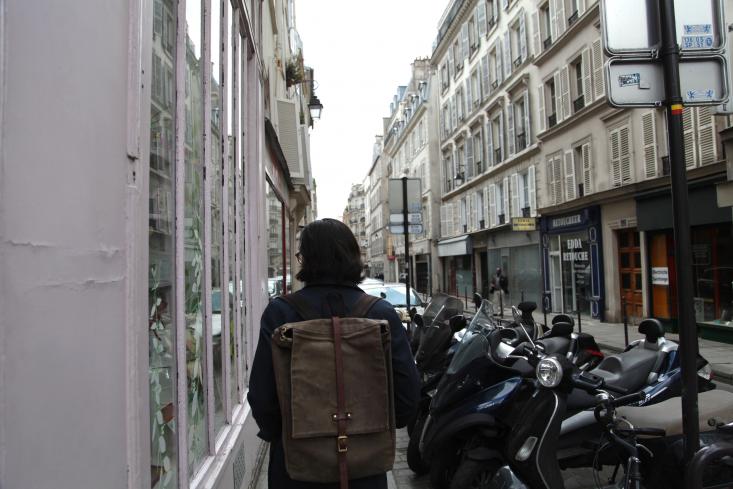
If Paris were a dinner party, the Marais would be the guest who arrives wearing vintage boots, carrying a museum membership card, and somehow knowing exactly where to find the best falafel at 2 p.m. This historic neighborhood on the Right Bank is elegant without being stiff, fashionable without trying too hard, and old enough to have seen several centuries of people pretending they “just discovered” it.
Spreading across parts of the 3rd and 4th arrondissements, Le Marais is one of the best areas in Paris for travelers who want a full day of culture, food, shopping, architecture, and people-watching without spending half the itinerary underground on the Métro. The neighborhood’s charm comes from its layers: aristocratic mansions, Jewish heritage, LGBTQ+ nightlife, art galleries, independent boutiques, covered markets, tiny courtyards, and cafés where one espresso can magically turn into a 90-minute philosophical event.
This expert itinerary is designed for a relaxed but rewarding day in the Marais. It is not a military operation. Nobody needs to sprint from museum to museum clutching a croissant like a baton. The goal is to move with purpose, leave room for surprise, and understand why the Marais remains one of the most beloved neighborhoods in Paris.
Why Spend a Day in the Marais?
The Marais is compact, walkable, and packed with variety. In a single day, you can visit a museum inside a grand private mansion, eat lunch at one of Paris’s most famous covered markets, browse design shops, wander through hidden passages, admire Place des Vosges, and still have time for a glass of wine before dinner. That is the kind of efficiency Americans usually expect from a drive-through, except here it comes with cobblestones and much better cheese.
The neighborhood also feels more intimate than many postcard-famous parts of Paris. Instead of wide ceremonial boulevards, the Marais gives you narrow streets, old façades, arched doorways, and small squares that seem to appear exactly when your feet need encouragement. It rewards slow walking. Turn a corner and you may find a quiet courtyard, a bakery window full of pastries, or a boutique selling linen shirts that cost roughly the same as a domestic flight.
Morning: Start Slow Near Rue de Bretagne
Begin your day around Rue de Bretagne, one of the neighborhood’s liveliest streets and a smart base for coffee, pastries, and early wandering. The expert move is to arrive before the lunch crowd takes over. Order a café crème, pick a pastry that looks like it took a pastry chef three emotional seasons to perfect, and watch the neighborhood wake up.
Do not overplan breakfast. In the Marais, the first meal is less about checking off a famous address and more about settling into the rhythm of the area. Look for a café with outdoor seating, a bakery with a line of locals, or a small coffee shop where the barista seems mildly offended by bad espresso. That is usually a good sign.
Expert Tip: Walk Before You Shop
The Marais is excellent for shopping, but resist the urge to enter the first boutique you see. Start by walking. Browse Rue Vieille du Temple, Rue Charlot, Rue de Turenne, and the smaller side streets around them. You will see how the neighborhood shifts from residential calm to fashion-forward energy within a few blocks. Once you understand the layout, you can return to the shops that actually fit your style instead of panic-buying a scarf because a mannequin looked judgmental.
Midmorning Culture: Choose One Great Museum
A day in the Marais should include culture, but the secret is choosing one major museum rather than trying to conquer them all. Paris has a way of punishing overambitious museum schedules. By your third gift shop, every masterpiece starts looking like it needs coffee too.
Option 1: Musée Carnavalet
For travelers who want to understand Paris itself, Musée Carnavalet is the best choice. Dedicated to the history of Paris, it occupies historic mansions and holds collections that move through the city’s evolution, from ancient roots to revolutionary drama and modern urban life. It is especially rewarding because the setting and the subject speak to each other: you are learning Paris history while standing inside Paris history.
The permanent collections are typically free, which makes Carnavalet one of the most generous cultural stops in the city. It is ideal for first-time visitors who want context, repeat travelers who want depth, and anyone who enjoys rooms that make their own apartment feel like a storage closet with Wi-Fi.
Option 2: Musée Picasso Paris
If your priority is art, Musée Picasso Paris is a natural choice. Housed in the Hôtel Salé, a grand 17th-century mansion, the museum presents an extensive view of Picasso’s work across media and periods. The building alone is worth attention, with its classical proportions and elegant spaces creating a striking contrast to the restless energy of Picasso’s art.
This stop works especially well for travelers interested in modern art, design, and the relationship between historic architecture and contemporary curation. Give yourself time to move slowly. Picasso did not exactly have a minimalist phase that can be handled in 12 minutes.
Option 3: Maison de Victor Hugo
For a literary stop, visit Maison de Victor Hugo on Place des Vosges. The museum occupies the former home of the author of Les Misérables and offers a more intimate experience than the larger museums. It is also perfectly placed for the next part of your itinerary: one of the most beautiful squares in Paris.
Late Morning: Place des Vosges and the Art of Sitting Down
Place des Vosges is the kind of square that makes people suddenly speak in softer voices. Symmetrical brick-and-stone façades, graceful arcades, clipped trees, and a central garden create a scene that feels carefully composed but still alive. Locals read on benches, children play, couples debate where to have lunch, and visitors take photos that never quite capture the calm of being there.
Spend at least 20 minutes here doing very little. Walk under the arcades, look at the gallery windows, sit in the garden if the weather allows, and let the square do its job. The Marais is full of movement, but Place des Vosges reminds you that Paris is also very good at stillness.
Expert Tip: Use the Arcades
The covered arcades around Place des Vosges are practical as well as beautiful. They offer shade in summer, shelter during rain, and a gentle transition from sightseeing to browsing. Look for art galleries, small shops, and quiet corners. This is also a good place to reset your pace before lunch.
Lunch: Marché des Enfants Rouges
By lunchtime, head back toward Rue de Bretagne for Marché des Enfants Rouges, one of the great food experiences in the Marais. Often described as the oldest covered market in Paris, it has been serving the neighborhood for centuries and remains a lively mix of produce stalls, prepared food counters, and communal tables.
This is not the place for a fussy, silent lunch. It is busy, colorful, and occasionally chaotic in the way all good markets are. You may find Moroccan couscous, Lebanese sandwiches, Japanese dishes, French plates, fresh produce, flowers, cheese, and baked goods. The best strategy is to walk the market once before choosing. Otherwise, you will buy the first delicious thing you see and then spend the next 15 minutes emotionally betrayed by the second delicious thing.
Expect lines at popular stalls, especially around peak lunch hours. That is part of the experience. If you are impatient, arrive early. If you are flexible, embrace the wait and call it “culinary anticipation,” which sounds better than “standing behind someone who cannot decide between two sandwiches.”
Afternoon: Rue des Rosiers and the Historic Heart of the Marais
After lunch, walk south toward Rue des Rosiers, one of the most famous streets in the Marais. This area is closely tied to the neighborhood’s Jewish history and remains known for bakeries, delis, falafel shops, and a street life that blends memory, food, and modern Parisian energy.
Rue des Rosiers is popular, and yes, it can be crowded. But it is still worth visiting because it tells an important part of the Marais story. Look beyond the lines and storefronts. Notice the plaques, the architecture, the rhythm of side streets, and the mix of visitors and locals. This is not just a snack stop; it is a living neighborhood with deep cultural roots.
Should You Get Falafel?
Probably. The Marais is famous for falafel, and even if you do not join the longest line, the area is excellent for a casual handheld meal or snack. If you already ate heavily at the market, split one with a travel partner or save the idea for later. Paris has many rules, but “too much lunch” has never successfully stopped anyone from eating again.
Shopping in the Marais: Boutiques, Design, and Vintage Finds
The Marais is one of the best neighborhoods in Paris for independent shopping. Unlike the grand department stores or luxury avenues, shopping here feels more exploratory. You will find small fashion labels, fragrance shops, bookstores, home design stores, vintage clothing, jewelry, ceramics, stationery, and concept shops that make you believe your life would be dramatically improved by a handmade notebook and a lamp shaped like a mushroom.
Focus your browsing around Rue Vieille du Temple, Rue des Francs-Bourgeois, Rue Charlot, and Rue de Poitou. Rue des Francs-Bourgeois is especially popular and can get crowded, but it is useful for visitors who want a concentrated shopping walk. For a quieter feel, drift north into the Haut Marais, where galleries and design-forward boutiques often feel less rushed.
Expert Tip: Buy Small, Useful Souvenirs
The best Marais souvenirs are not necessarily expensive. Consider a small print from a gallery, a notebook, a locally made candle, specialty tea, a kitchen item, or a scarf you will actually wear. Avoid buying something just because it looks “French” in the store. Many objects look French in Paris and suspiciously confusing once they reach your kitchen counter in Ohio.
Late Afternoon: Hidden Courtyards and Quiet Streets
One of the pleasures of the Marais is slipping away from the busier routes. Look for passages, courtyards, and smaller streets where the neighborhood becomes quieter. The Marais is famous for its hôtels particuliers, private mansions built for aristocratic families, many of which now house museums, libraries, cultural institutions, or offices.
Do not worry about seeing every historic building. Instead, pay attention to patterns: grand doors, carved stone, inner courtyards, old ironwork, and the way the neighborhood hides elegance behind plain street fronts. The Marais is not a place that reveals itself all at once. It prefers a little suspense, like a stylish Parisian who answers questions with one eyebrow.
Planning Note: Centre Pompidou and Beaubourg
The Centre Pompidou sits just west of the Marais in the Beaubourg area and has long been a major modern art landmark near the neighborhood. However, travelers should check current renovation status before planning a visit, as the building entered a long closure period for major transformation work. Even when the main building is closed, the surrounding area remains useful for urban walks, street atmosphere, cafés, and connections toward central Paris.
Evening: Wine, Dinner, and a Softer Pace
As evening arrives, the Marais changes mood. The shopping bags swing a little slower, café terraces fill, and the streets glow under warm lights. This is the time to stop optimizing and start enjoying. Choose a wine bar, bistro, or small restaurant and let the neighborhood settle around you.
For dinner, you can go classic or contemporary. Traditional bistros around the Marais serve the kind of French comfort food travelers dream about before the trip: roast chicken, steak frites, onion soup, duck, seasonal vegetables, and desserts that make sharing feel like a legal dispute. Contemporary restaurants may lean lighter, with vegetable-forward plates, natural wine, and creative menus that reflect the modern Paris dining scene.
Reservations are smart, especially for popular restaurants. Paris may look effortless, but dinner logistics are real. If you prefer spontaneity, eat earlier, sit at the bar, or look for a neighborhood place just beyond the busiest streets.
Suggested One-Day Marais Itinerary
9:00 a.m. Coffee and Pastry
Start near Rue de Bretagne with coffee and something buttery enough to qualify as both breakfast and emotional support.
10:00 a.m. Museum Visit
Choose Musée Carnavalet for Paris history, Musée Picasso for art, or Maison de Victor Hugo for literature and a more intimate visit.
11:45 a.m. Place des Vosges
Walk the arcades, sit in the garden, and enjoy one of the most graceful public spaces in Paris.
12:45 p.m. Marché des Enfants Rouges
Head to the market for a casual, flavorful lunch. Walk the stalls before deciding.
2:15 p.m. Rue des Rosiers
Explore the historic Jewish quarter, browse bakeries and food shops, and save room for a snack if possible.
3:30 p.m. Boutique and Gallery Walk
Browse Rue Vieille du Temple, Rue Charlot, Rue des Francs-Bourgeois, and the Haut Marais for fashion, design, and vintage finds.
5:30 p.m. Café or Wine Bar Pause
Take a proper break. Your feet have earned diplomatic immunity.
7:30 p.m. Dinner in the Marais
End with a bistro, modern French restaurant, or relaxed wine bar dinner. Book ahead when possible.
What to Wear and Bring
Comfortable shoes are non-negotiable. The Marais is best explored on foot, and cobblestones do not care about your outfit goals. Choose shoes that can handle a full day of walking while still looking presentable enough for dinner. A small crossbody bag or secure day bag is useful, especially in crowded market streets.
Bring a light layer, a portable phone charger, and enough curiosity to turn down random side streets. If you plan to visit museums, check current opening days and ticket rules before you go. Paris museums often close one day per week, and temporary exhibitions may require booking even when permanent collections do not.
Common Mistakes to Avoid
Trying to See Too Much
The Marais is dense, but that does not mean your schedule should be. One museum, one market lunch, one historic square, and one leisurely shopping walk will give you a richer day than six rushed stops and a personality change.
Only Following Viral Food Lines
Famous places can be worth it, but do not let social media make every decision. The Marais is full of excellent casual food, bakeries, cafés, and wine bars. Sometimes the best meal is the one you find because you were hungry on the right street.
Skipping the North Marais
Many visitors stay close to Rue des Rosiers and Place des Vosges, but the Haut Marais has a slightly cooler, more local feel. It is great for design shops, galleries, quieter cafés, and streets that feel less tour-group polished.
Additional Experiences: Personal Ways to Enjoy “A Day in the Marais”
The most memorable Marais experiences often happen between the official stops. A perfect example: stepping into a small bakery with no plan, buying a pastry you cannot pronounce confidently, and eating it on a bench while pretending this was exactly your sophisticated itinerary. The Marais rewards these little moments. It is not just a list of attractions; it is a neighborhood that encourages improvisation.
One of the best ways to experience the Marais is to assign each part of the day a different theme. Make the morning about history, the afternoon about taste, and the evening about atmosphere. In the morning, look up at façades and think about the aristocratic families who once shaped these streets. Around lunch, let the market and food shops take over. Later, pay attention to lighting, sound, and the changing pace of the sidewalks. This approach turns a simple walk into a richer travel memory.
Another worthwhile experience is comparing the Marais at different speeds. Walk one busy shopping street at normal tourist pace, then choose a quieter street and slow down by half. You will notice more: door knockers, old signs, flower boxes, gallery interiors, schoolchildren, delivery bikes, and residents returning home with groceries. The Marais is fashionable, yes, but it is also lived-in. That balance is what keeps it from feeling like an outdoor museum with better shoes.
Food experiences deserve special attention. Instead of treating lunch as a refueling stop, make it part of the story. At Marché des Enfants Rouges, sit where you can observe the market’s movement. Notice how people negotiate space, how vendors call out orders, how languages overlap, and how the smells shift from spices to bread to grilled vegetables. Travel writing often describes markets as “vibrant,” which is accurate but lazy. In reality, a good market is choreography with snacks.
For travelers who enjoy photography, the Marais is especially generous. Early morning gives you quieter storefronts and soft light on stone. Midday is better for street energy and market scenes. Late afternoon brings warmth to Place des Vosges and the surrounding arcades. The best photos are often not the obvious ones. Instead of only photographing famous squares, capture reflections in shop windows, café tables after lunch, a bicycle against an old wall, or the geometry of a courtyard door.
If you are traveling as a couple, the Marais is ideal because it offers options without forcing constant agreement. One person can browse galleries while the other hunts for coffee. One can study museum labels while the other studies the dessert menu. Families can also enjoy the area by mixing short cultural stops with food breaks and open spaces like Place des Vosges. Solo travelers may enjoy it most of all: the neighborhood feels safe, walkable, and full of places where being alone looks intentional rather than lonely.
The best final experience is to return to a street you walked earlier in the day. The Marais changes as the light changes. A boutique that seemed glossy in the afternoon may look romantic at dusk. A quiet café may become lively after work. A square that felt formal in the morning may feel relaxed by evening. That second look gives the day a satisfying shape, like the neighborhood has let you in on a small secret.
Conclusion: The Marais Is Best Enjoyed, Not Conquered
A day in the Marais is not about racing through Paris attractions. It is about letting one neighborhood show you how much Paris can hold in a few walkable streets: royal squares, old markets, Jewish heritage, grand mansions, modern boutiques, serious museums, casual lunches, and tiny pauses that end up becoming the story you tell later.
The expert advice is simple: choose fewer stops, walk more slowly, eat well, look up often, and leave space for discovery. The Marais does not need a perfect itinerary. It needs your attention. Give it a day, and it will give you Paris in layers: elegant, delicious, historic, stylish, and just chaotic enough to keep things interesting.
Note: Opening hours, renovation schedules, exhibition access, and restaurant availability can change. Check official venue details before visiting, especially for museums and major cultural sites.