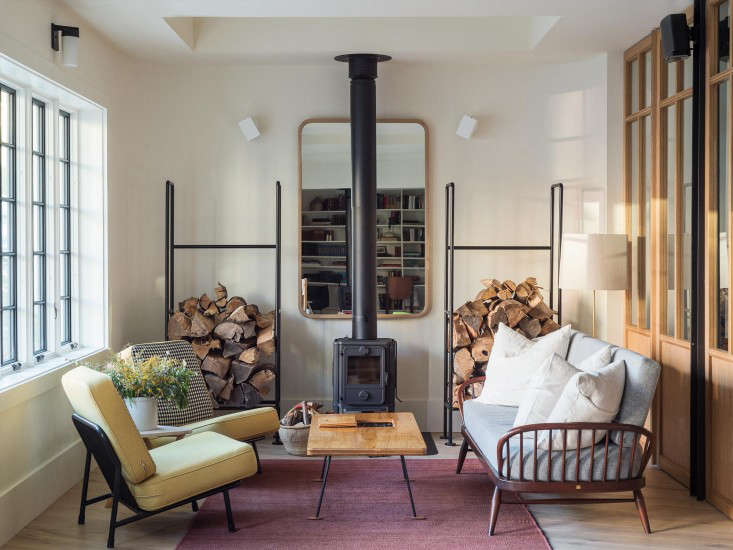
Hotels are where innocent-looking materials go to face their final exam. Floors meet rolling suitcases, upholstery encounters room-service coffee, walls collect mysterious scuffs, and bathroom fixtures endure more handling than the office coffee machine on a Monday morning.
That relentless use makes hotel interiors an excellent source of practical design advice. A material cannot merely look wonderful on opening day. It must remain attractive after thousands of guests, countless cleaning cycles, seasonal humidity changes, and the occasional suitcase that appears to contain a bowling-ball collection.
The best hard-wearing materials do not necessarily stay pristine. Instead, they age gracefully, remain repairable, and develop character rather than looking prematurely exhausted. Hospitality designers and operators commonly favor finishes that are cleanable, comfortable, replaceable, and honest about wear. That same thinking can help homeowners create interiors that feel refined without becoming too precious to enjoy.
What Makes a Material Truly Hard-Wearing?
Durability involves more than hardness. A stone surface can resist scratches yet chip at an exposed edge. A tough fabric may survive abrasion but become impossible to clean. A glossy floor might technically last for decades while broadcasting every footprint, scratch, and dust bunny like breaking news.
Before choosing a hotel-grade material, consider five practical questions:
- Can it withstand repeated contact, abrasion, moisture, or impact?
- Can ordinary cleaning products maintain it without causing damage?
- Can a small damaged area be repaired instead of replacing everything?
- Will natural aging improve its appearance or make it look neglected?
- Does it feel comfortable and appropriate for its intended location?
The strongest specification is not always the hardest substance available. It is the material whose strengths match the job.
1. Iron Accents
Iron works beautifully in hardworking interiors because it combines structural strength with visual simplicity. It is especially effective for table bases, fireplace tools, shelving supports, handrails, hardware, lighting components, and decorative frames.
Unlike a delicate plated finish that looks wounded after one scratch, properly finished iron can tolerate minor marks without losing its character. Blackened, waxed, painted, or powder-coated iron also provides contrast against oak, plaster, linen, leather, and other warm materials.
Where Iron Performs Best
Use iron where objects are frequently touched, bumped, or moved. A slim iron coffee-table base can be visually light while supporting considerable weight. Iron brackets make open shelving feel intentional rather than improvised, and fireplace accessories can withstand heat and rough handling.
However, iron is not maintenance-free. Bare metal may rust in damp rooms or coastal climates. Protective finishes should therefore match the environment, and scratches that expose raw metal should be addressed before corrosion spreads.
The hotelier’s lesson is straightforward: choose metalwork that can be refinished, tightened, or repaired. A solid iron frame with replaceable components generally offers better long-term value than a fragile decorative piece assembled with optimism and tiny screws.
2. Wool Upholstery
Wool proves that a hard-wearing material does not have to feel hard. Its fibers have natural resilience, helping upholstered surfaces recover from compression instead of remaining permanently flattened. Wool is also naturally resistant to odors and everyday staining, although spills should still be handled promptly.
For hotel lounges, reading chairs, headboards, benches, and dining seating, tightly woven wool can deliver warmth without looking overly delicate. It performs particularly well in heathered colors, tweeds, checks, and subtle patterns that disguise lint and minor marks.
How to Specify Wool Wisely
Not every wool fabric is intended for commercial upholstery. Request abrasion ratings, seam-strength information, lightfastness results, cleaning instructions, and fire-performance documentation. A beautiful coat-weight wool is not automatically ready for a lobby sofa where hundreds of people will sit.
Medium tones tend to be forgiving. Extremely pale upholstery may show every spill, while very dark fabric can reveal dust and abrasion. Removable cushion covers and replaceable seat panels make maintenance easier.
Wool costs more than many basic synthetic textiles, but its resilience and tactile quality can justify the investment on furniture intended to remain in service for years. It is the rare material capable of saying both “welcome” and “please stop jumping on the sofa.”
3. Matte Wood Floors
Wood floors bring warmth to hotel rooms, restaurants, and residential interiors, but finish and color strongly influence how well they appear to age. High-gloss dark floors can expose dust, scratches, and shoe marks with astonishing enthusiasm. Lighter woods and matte finishes are usually more forgiving.
Oak is a popular choice because its visible grain helps conceal minor wear. Brushed, wire-textured, or lightly distressed surfaces can further reduce the visual impact of dents. Natural-looking oil finishes are appealing because localized damage may be easier to refresh than with a thick, perfectly uniform coating.
The National Wood Flooring Association notes that many scratches occur in the finish rather than the wood itself and that worn floors can often be renewed through recoating instead of complete replacement. It also emphasizes stable indoor temperature and humidity because real wood naturally expands and contracts.
Design for Repair, Not Perfection
A floor intended for heavy use should not depend on remaining flawless. Select a finish that can accept spot treatment, recoating, or board replacement. Keep records of the wood species, stain formula, finish system, and installer so future repairs do not become an archaeological investigation.
Entrance mats and felt furniture pads matter as much as the flooring itself. Dirt behaves like sandpaper under shoes, so controlling grit at the door can extend the life of the finish considerably.
4. Vegetable-Tanned Leather
Leather is valuable in hospitality because visible aging can become part of its appeal. Quality vegetable-tanned leather usually darkens, softens, and develops a patina through exposure to light, oils, and regular handling. Scratches may remain visible, but on the right piece they read as history rather than failure.
Vegetable tanning uses plant-derived tannins and generally produces leather with a rich, natural character. Leather’s collagen-fiber structure contributes to its combination of flexibility and durability.
Best Applications for Leather
Consider leather for stool seats, headboard straps, cabinet pulls, key fobs, desktop insets, luggage racks, and occasional chairs. In these locations, the surface receives enough handling to develop character but can still be inspected and maintained.
Leather is less suitable where harsh disinfectants, standing water, direct heat, or constant sunlight are unavoidable. Pale, unprotected leather also requires more tolerance for stains. Before ordering, ask how the leather should be cleaned and whether it has a protective topcoat.
Responsible sourcing matters. Look beyond attractive marketing phrases and request information about hide origin, tanning practices, traceability, and supplier certification. A material cannot be called a long-term choice if its supply chain disappears into fog the moment someone asks a sensible question.
5. Waxed Canvas
Waxed canvas is one of the most practical materials borrowed from workwear and outdoor equipment. It combines the familiar texture of cotton canvas with a wax treatment that improves water resistance and gives the fabric a distinctive, slightly weathered finish.
In hotels, it can be used for banquettes, luggage-bench cushions, hallway runners, utility curtains, storage bags, and protective covers. It is particularly useful where guests may place shoes, wet coats, or suitcases.
Heavy-duty canvas already offers good strength, and performance treatments can further improve abrasion resistance and water repellency. Cotton Incorporated’s technical resources describe finishes designed to increase cotton’s resistance to tearing, abrasion, wetting, and repeated laundering.
Understand the Patina
Waxed canvas creases and changes color where it folds. That is part of its charm, not a manufacturing emergency. Over time, areas of heavier use become smoother and lighter, creating the lived-in appearance associated with old field jackets and travel bags.
Maintenance may include brushing, gentle spot cleaning, and occasional rewaxing. Strong detergents or hot washing can remove the protective treatment. Always follow the fabric supplier’s instructions and test cleaning methods on an inconspicuous area.
6. Satin-Finish Paint
Flat paint is excellent at hiding wall imperfections, but it is not always the best choice for corridors, kitchens, breakfast rooms, children’s spaces, or other surfaces that require frequent wiping. A high-performance satin or eggshell finish often provides a better balance of appearance and cleanability.
Modern commercial coatings are formulated to resist scuffs, stains, marring, and repeated cleaning. Benjamin Moore identifies high-traffic hotel areas such as guest rooms, lobbies, stairwells, hallways, and dining rooms as suitable applications for durable commercial finishes. Sherwin-Williams similarly advises that frequently cleaned or high-traffic surfaces may require tougher, higher-sheen coatings.
Choose the Finish by Location
Satin paint works well on walls that regularly encounter hands, bags, food splashes, and housekeeping carts. Semi-gloss may be preferable for trim, doors, and especially demanding areas. Ceilings and low-contact rooms can remain matte when visual softness is more important than scrub resistance.
Keep labeled touch-up paint from the original batch, record the color and sheen, and prepare surfaces properly. Touching up satin paint can sometimes create visible flashing, so repainting an entire wall from corner to corner may produce a cleaner result.
7. Long-Staple Egyptian Cotton Sheets
Hotel bedding has a difficult assignment. It must feel luxurious, survive frequent laundering, release stains, resist pilling, and remain comfortable across a wide range of sleepers. Long-staple and extra-long-staple cotton can perform well because longer fibers can be spun into smoother, stronger yarns.
Authentic Egyptian cotton is associated with softness and durability, but the label alone is not a guarantee of quality. Fiber authenticity, yarn construction, weave, finishing, and manufacturing standards all matter. Independent textile guidance also warns that very high thread counts can be misleading; strong performance is often found in well-made cotton sheets in the roughly 300-to-500 range rather than in products advertising gigantic numbers suitable for impressing calculators.
Build a Practical Linen Program
Buy enough sets to allow proper rotation. Constantly returning the same sheet to service accelerates wear and leaves no margin for stain treatment or delayed laundry. White remains common in hotels because it can be inspected easily and coordinated across rooms, but it also exposes stains immediately.
Follow care labels, avoid excessive heat, and evaluate shrinkage before placing a large order. The Federal Trade Commission requires truthful fiber labeling, so buyers should verify actual content rather than relying on vague language such as “Egyptian-style” or “Egyptian comfort.”
8. Raw Brass Fixtures and Wood Doorknobs
Raw or unlacquered brass is attractive because it changes with use. Frequently touched areas become brighter, while recessed portions darken. The resulting variation gives hardware depth and warmth that plated finishes often struggle to imitate.
Copper alloys such as brass and bronze are valued in architecture for strength, corrosion resistance, and the ability to form a protective patina. Their appearance evolves rather than remaining frozen at the moment of installation.
Patina Requires a Clear Policy
Decide whether brass will be polished regularly or allowed to age naturally. Confusion produces the worst result: one employee polishes half a faucet while another protects the patina, leaving the fixture looking as though it lost an argument.
Wood knobs and pulls offer a similarly pleasant tactile experience. Dense hardwoods finished with an appropriate oil or coating can wear gracefully, and minor surface damage may be repairable. Avoid placing unfinished wood where it will remain wet, and choose hardware with replaceable spindles, screws, or internal mechanisms.
9. Wicker and Rattan
Wicker is a weaving method rather than one specific raw material. Traditional wicker furniture may use rattan, reed, willow, bamboo, or similar plant fibers. Its woven structure creates visual lightness while providing surprising strength.
In hotel interiors, wicker and rattan are useful for headboards, side tables, lounge chairs, cabinet panels, pendant shades, baskets, and porch furniture. They add texture without making a room feel heavy, and small scuffs often blend into the natural variation.
Use Wicker in the Right Environment
Natural wicker performs best in dry, ventilated spaces protected from prolonged rain and extreme humidity. Outdoor installations should use materials specifically rated for exterior exposure or high-quality synthetic wicker on corrosion-resistant frames.
Inspect woven furniture for broken strands, loose joints, and weak frames. The weave may look charming, but the frame carries the load. Vacuuming with a brush attachment and cleaning with minimal moisture will help prevent dust from settling into the texture.
For high-use applications, buy designs that can be repaired by a skilled craftsperson. A replaceable woven panel is preferable to a complicated one-piece construction that becomes landfill because three strands snapped.
Experience Notes: What Hotel Operations Teach About Durable Materials
The most useful lessons about hard-wearing materials usually appear after installation. A sample board may survive a designer’s careful inspection, but real life brings wet umbrellas, coffee cups, cosmetics, luggage wheels, sunscreen, cleaning chemicals, and guests who apparently believe every chair is also a suitcase stand.
One recurring lesson is that visible wear and actual failure are different things. A scratch on vegetable-tanned leather may improve its patina, while a scratch through a thin decorative coating may expose an unattractive substrate. A dent in an oiled oak floor can blend into the grain, whereas a dent in glossy dark flooring may catch the light from across the room. Materials that reveal their honest composition tend to age more convincingly.
Cleaning compatibility is another operational reality. A finish may resist ordinary household use yet fail when exposed daily to commercial disinfectants or degreasers. Before specifying hundreds of yards of fabric or dozens of gallons of paint, create a cleaning test. Apply the exact products the housekeeping team will use, following the real dilution and dwell time. Then repeat the test. One successful wipe proves very little; hotels are in the repetition business.
Maintenance instructions must also be realistic. A material that requires a specialist to perform a twelve-step ritual every Tuesday is unlikely to receive perfect care during a busy season. The best choices fit the available staffing, tools, and budget. Waxed canvas may need occasional rewaxing, brass may require a clear polishing policy, and wood floors may need periodic refreshing. Those tasks are manageable when planned, documented, and assigned.
Spare inventory is a quiet hero. Hotels commonly benefit from storing extra fabric, flooring, hardware, paint, and tile from the original production run. Dye lots and finishes change, products are discontinued, and “we can order the same thing later” is a sentence that has launched many expensive redesigns. Even a small reserve can turn a damaged panel or chair seat into a quick repair rather than a full-room renovation.
Another practical lesson is to place vulnerable materials strategically. Luxurious wool may be excellent on a reading chair but less sensible beneath a breakfast buffet. Raw brass can be beautiful on handles and faucets if the patina is welcome, but a polished appearance requires consistent labor. Natural wicker creates warmth in a covered lounge, while an exposed pool deck may demand an exterior-rated alternative.
Finally, evaluate lifecycle value instead of purchase price alone. The cheapest chair fabric is not economical if it must be replaced every eighteen months. A more expensive wool, leather, or performance canvas may cost less over time if it remains serviceable, can be repaired, and still looks intentional after years of use.
The hotel mindset is not about making every room indestructible. That would produce interiors with all the charm of an airport security tray. The goal is to combine resilience with comfort: tough materials where impact occurs, soft materials where bodies rest, cleanable surfaces where spills happen, and repairable details everywhere possible.
How to Apply Hotelier Material Advice at Home
You do not need a commercial lobby or a housekeeping department to benefit from these recommendations. Start by identifying the busiest zones in your home: the entry, kitchen, family room, children’s spaces, bathrooms, and anywhere pets have established their own unofficial resort.
Use durable materials selectively rather than turning every room into a fortress. An iron table base, wool-covered chair, matte oak floor, leather pull, waxed-canvas bench, satin-painted hallway, long-staple cotton bedding, brass faucet, or wicker cabinet panel can add resilience without sacrificing warmth.
Order samples, test them under the actual room lighting, and expose them to realistic use. Spill water on the fabric sample. Wipe the paint repeatedly. Scratch the flooring sample lightly. Handle the brass for several days. A material’s reaction is more informative than a showroom description.
Conclusion
The best hard-wearing materials do not merely resist life; they accommodate it. Iron provides strength, wool combines comfort with resilience, matte wood disguises ordinary wear, vegetable-tanned leather develops character, and waxed canvas handles moisture and abrasion with confidence. Satin paint simplifies cleaning, long-staple cotton survives repeated laundering, raw brass gains a distinctive patina, and wicker adds lightweight texture.
A hotelier’s most valuable recommendation is to think beyond opening-day perfection. Choose materials that can be cleaned, maintained, repaired, and enjoyed. When wear inevitably arrives, it should look like a pleasant chapter in the building’s historynot a desperate request for immediate renovation.