Note: This article is for educational purposes only and should not replace advice from an obstetrician, anesthesiologist, midwife, or other qualified healthcare professional.
Few birth topics can start a lively room debate faster than the epidural. Some people describe it as the best invention since elastic-waist maternity pants. Others prefer to avoid it, either because they want more mobility, dislike the idea of a needle near the spine, or simply want to experience labor with fewer medications. The truth sits somewhere in the sensible middle: an epidural can be an excellent pain relief option for many people, but it is still a medical procedure with benefits, risks, limitations, and alternatives worth understanding.
An epidural is one of the most common forms of pain relief used during labor in the United States. It involves placing a small catheter into the epidural space in the lower back so medication can numb pain from contractions while allowing the laboring person to remain awake and alert. In 2024, about three in four mothers with singleton vaginal births in the United States used epidural or spinal anesthesia, which tells us one thing clearly: this is not some rare mystery procedure whispered about in hospital hallways. It is mainstream, widely practiced, and usually very effective.
Still, “common” does not mean “automatic.” Choosing an epidural should be a personal decision based on your health, labor plan, pain tolerance, hospital resources, and preferences. Let’s walk through the epidural pros and cons, the real benefits, the possible risks, and the alternatives that can help you build a flexible birth plan.
What Is an Epidural?
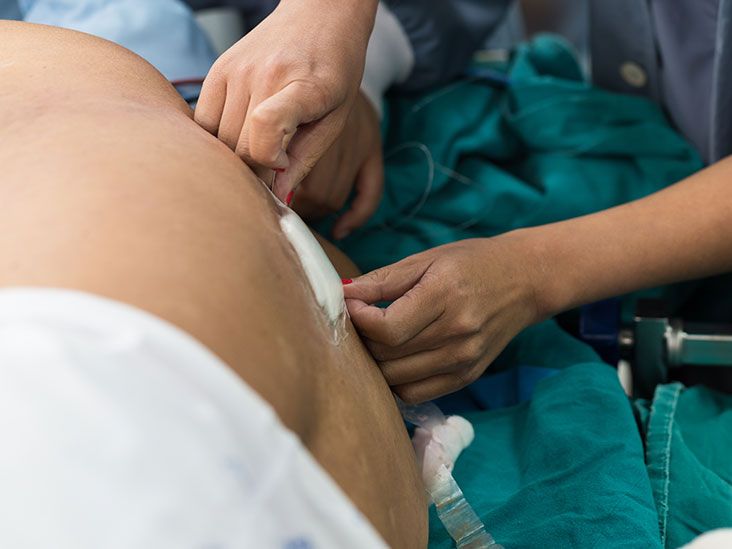
An epidural is a type of regional anesthesia. Instead of putting the whole body to sleep, it targets pain in the lower part of the body. During labor, an anesthesiologist or nurse anesthetist usually places the epidural while you sit curled forward or lie on your side. The skin on your lower back is cleaned, a local numbing medicine is given, and then a needle is used to guide a thin flexible tube called a catheter into the epidural space. The needle is removed, but the catheter stays in place so pain medication can continue through labor.
The medication commonly includes a local anesthetic, sometimes combined with an opioid. Together, they reduce pain signals traveling from the uterus and birth canal to the brain. Most people still feel pressure, tightening, or the urge to push, but the sharp pain of contractions is greatly reduced. The result is not exactly “I am at a spa,” but for many, it is closer to “I can finally breathe and stop bargaining with the ceiling tiles.”
How an Epidural Works During Labor
Once placed, an epidural usually begins working within about 10 to 20 minutes. The level of numbness can often be adjusted by changing the dose or flow of medication. This adjustability is one of the reasons epidurals are popular. If labor lasts longer than expected, the catheter can continue delivering medicine. If a cesarean birth becomes necessary, the epidural can sometimes be strengthened for surgical anesthesia, helping avoid general anesthesia in many cases.
An epidural typically creates numbness from around the belly button down through the upper legs. You should be awake, aware, and able to participate in the birth. However, your legs may feel heavy or weak, and most hospitals do not allow walking once the epidural is active. Even so-called “walking epidurals” may not involve actual hallway strolling. The phrase sounds charming, but hospital safety rules often keep the walking part theoretical.
Key Benefits of an Epidural
Strong Pain Relief
The biggest benefit of an epidural is powerful pain relief. Labor pain can be intense, unpredictable, and exhausting. An epidural can reduce pain dramatically while allowing you to remain conscious and involved. For someone who has been laboring for many hours, this relief can feel like someone finally turned down the volume on a very aggressive drum solo.
Helps You Rest During Long Labor
Long labors can drain energy. If contractions are frequent and sleep feels impossible, an epidural may allow rest before pushing. This can be especially helpful for first-time labor, inductions, or situations where contractions are strong but cervical change is slow. Rest is not a luxury in labor; it can be part of endurance.
Can Reduce Stress and Tension
Pain can trigger fear, muscle tension, and rapid breathing. When pain becomes more manageable, some people relax enough for labor to progress more smoothly. This does not mean an epidural magically guarantees faster labor, but reducing distress can help the body work with contractions instead of fighting every wave.
Allows You to Stay Awake for Birth
Unlike general anesthesia, an epidural allows you to remain awake and aware. You can hear your baby’s first cry, talk with your care team, and participate in pushing. If a cesarean delivery becomes necessary, an existing epidural may be used or adjusted so you can stay awake during surgery, depending on the situation.
Flexible Dosing
Because the catheter remains in place, medication can often be adjusted. If the block is too strong, too weak, or one-sided, the anesthesia team may reposition you, adjust the dose, or replace the catheter if needed. This flexibility makes epidurals different from a one-time injection.
Common Epidural Side Effects
Most epidural side effects are temporary and manageable, but they are still worth knowing before labor begins. The most common issue is a drop in blood pressure. Your care team monitors this closely because low blood pressure can sometimes affect the baby’s heart rate. Treatment may include IV fluids, changing your position, or medication.
Other possible side effects include itching, nausea, shivering, mild fever, back soreness at the insertion site, and heavy legs. Some people also need a urinary catheter because the epidural can make it harder to feel when the bladder is full. That is not glamorous, but then again, labor is not exactly a red-carpet event.
Another possible downside is incomplete pain relief. Sometimes an epidural works beautifully on one side but leaves a “hot spot” of pain on the other. Sometimes it needs adjustment or replacement. This can be frustrating, especially if expectations were sky-high. Epidurals are highly effective, but not perfect.
Serious but Rare Risks
Serious complications from epidurals are rare, especially when the procedure is performed by trained anesthesia professionals. Still, rare does not mean impossible. Potential serious risks include infection, bleeding around the spine, allergic reaction, nerve injury, seizure, breathing problems, or a severe headache caused by accidental puncture of the dura, the membrane around the spinal fluid.
A post-dural puncture headache can be intense and may worsen when sitting or standing. It can often be treated, but it is one of the complications people should know about ahead of time. Permanent nerve damage is very rare, and many postpartum nerve symptoms are actually related to pressure during labor, pushing positions, or the baby’s position rather than the epidural itself. However, any persistent numbness, weakness, severe headache, fever, or worsening back pain after delivery should be reported right away.
Does an Epidural Affect the Baby?
For most babies, epidural-related risks are low. Because epidural medication is given near the spinal nerves rather than directly into the bloodstream, less medication generally reaches the baby compared with some systemic pain medicines. However, changes in the mother’s blood pressure can sometimes cause temporary changes in the baby’s heart rate, which is why monitoring is standard.
Some epidural medications include opioids, and these may have short-term effects, although serious newborn problems are uncommon when dosing is carefully managed. Your healthcare team watches both parent and baby throughout labor, which is one reason hospital monitoring can feel like you are starring in a very medical reality show.
Does an Epidural Increase the Chance of a C-Section?
This is one of the most common epidural questions. Many people worry that choosing an epidural automatically puts them on the fast lane to a cesarean birth. Current evidence does not support the idea that epidurals by themselves increase the risk of C-section. Labor outcomes depend on many factors, including baby position, pelvis shape, induction, contractions, maternal health, fetal heart rate patterns, and how labor progresses.
That said, epidurals may be associated with a longer second stage of labor in some cases and may slightly increase the need for assisted vaginal delivery with vacuum or forceps, depending on the situation and technique used. Modern lower-dose epidurals are designed to preserve more pressure sensation and movement than older high-dose versions. The best approach is not to fear the epidural but to understand how it fits into the bigger labor picture.
Who May Not Be a Good Candidate for an Epidural?
Not everyone can safely receive an epidural. A provider may advise against it if you have very low blood pressure, certain bleeding disorders, infection near the insertion site, some blood-thinning medication use, severe spinal abnormalities, or specific neurologic conditions. Sometimes labor moves too quickly for placement. Sometimes an anesthesiologist is not immediately available, especially in smaller facilities or birth settings outside a hospital.
This is why it is smart to discuss pain relief options before labor. Even if your dream plan includes an epidural, your backup plan should not be “panic creatively.” Ask your provider what options are available at your birth location and what circumstances might affect access.
Epidural Alternatives for Labor Pain Relief
Nitrous Oxide
Nitrous oxide, sometimes called laughing gas, is inhaled through a mask during contractions. It does not eliminate pain like an epidural can, but it may help reduce anxiety and make contractions feel more manageable. It works quickly and wears off quickly. Some people like the sense of control; others dislike feeling dizzy, lightheaded, or nauseated.
IV Pain Medication
Opioid medications may be given through an IV or injection. These can take the edge off pain but usually do not remove it. They may also cause drowsiness, nausea, or grogginess, and timing matters because they can affect the baby’s breathing or alertness if given close to delivery. They can be useful, but they are not the same level of pain relief as an epidural.
Spinal Block or Combined Spinal-Epidural
A spinal block is a one-time injection into the spinal fluid that works quickly but lasts for a limited time. A combined spinal-epidural, often called a CSE, provides fast relief from the spinal portion while also placing an epidural catheter for ongoing medication. These options may be recommended based on labor stage, urgency, and hospital practice.
Pudendal Block and Local Anesthesia
A pudendal block can numb the vaginal and perineal area near delivery. Local anesthesia may be used for stitches after birth. These methods do not relieve contraction pain throughout labor, but they can help with specific moments, especially during delivery or repair.
Non-Medication Comfort Measures
Non-drug options include breathing techniques, position changes, massage, counterpressure, warm showers, birth balls, water immersion during early labor, guided relaxation, music, visualization, and continuous support from a partner, nurse, midwife, or doula. These methods do not always erase pain, but they can improve coping, reduce fear, and help labor feel less overwhelming.
For many people, the best birth plan combines both categories: comfort techniques first, medical pain relief if needed, and enough flexibility to avoid feeling like the plan “failed” when labor behaves like labor.
How to Decide Whether an Epidural Is Right for You
The best choice depends on your priorities. If your top goal is the strongest available labor pain relief while remaining awake, an epidural may be a good fit. If movement, minimal intervention, or avoiding numbness matters most, you may prefer other methods. If you are undecided, that is perfectly normal. Birth is not a multiple-choice quiz where only one answer gets a gold star.
Ask your provider these questions before your due date:
- When is an epidural typically available at this hospital?
- Who places it, and is anesthesia available 24/7?
- What monitoring is required after placement?
- Can the dose be adjusted if I feel too numb or still feel pain?
- What alternatives are available if I cannot get an epidural?
- How would an epidural affect mobility, pushing, and bladder care?
Knowing the answers ahead of time can reduce fear and help you make decisions calmly, or at least as calmly as possible while your uterus is hosting a contraction convention.
Realistic Experiences: What People Often Notice With Epidurals
Many people who choose an epidural describe the same first emotional reaction: relief. Not mild relief, not “oh, that is somewhat better,” but deep, body-melting relief. After hours of contractions, being able to breathe, talk, rest, or even laugh can feel life-changing. Some people take a nap and wake up ready to push. Others finally relax their shoulders after holding them near their ears for five straight hours. For them, the epidural becomes the turning point that changes labor from overwhelming to manageable.
Another common experience is surprise at the placement process. Many expect the epidural needle to be the worst part, but the local numbing shot often feels like the sharpest moment. The hardest part may actually be staying still during contractions while someone works on your back. This is where a calm nurse, partner, or doula can be worth their weight in hospital ice chips. The placement usually takes only a short time, but emotionally, it can feel longer because you are trying to hold still while your body is doing extremely dramatic things.
Some people feel pressure even after the pain fades. This can be confusing if they expected complete numbness. Pressure is not necessarily a sign the epidural failed. In fact, some pressure sensation can help with pushing. A good epidural often reduces pain but does not turn the entire lower body into a disconnected vacation island. You may feel tightening, rectal pressure, or the baby moving down. That can be normal, though sharp pain or one-sided pain should be reported.
There are also less magical experiences. Some people feel itchy, shaky, or cold after the medication starts. Others feel disappointed because the epidural works only on one side or leaves a painful window. In those moments, communication is essential. Tell the nurse or anesthesia team exactly what you feel: right side, left side, low pelvis, upper abdomen, sharp, burning, pressure, or no relief at all. The more specific you are, the easier it is to adjust positioning, dosing, or the catheter.
Many parents also notice that an epidural changes the rhythm of labor support. Before the epidural, support may focus on movement, breathing, massage, and coping through contractions. After the epidural, support may shift to rest, position changes in bed, hydration, monitoring, and preparing for pushing. This can feel peaceful for some and restrictive for others. If you imagined walking, squatting, and moving freely, the bed-based reality may feel frustrating. If you were exhausted, the bed may feel like a five-star resort, minus the beeping machines.
During pushing, experiences vary widely. Some people feel enough pressure to push effectively. Others feel very numb and need coaching from nurses or providers. This is not a personal failure. It is simply one of the trade-offs of strong pain relief. Changing positions in bed, using a peanut ball, laboring down, or adjusting medication may help in certain cases. The care team’s guidance matters here.
After delivery, the epidural catheter is removed, and sensation gradually returns. Legs may feel heavy or tingly for a while, so getting out of bed should happen only with staff assistance. Some back soreness at the insertion area can occur, similar to a bruise. However, severe headache, fever, increasing back pain, weakness, numbness that does not improve, or trouble urinating after discharge should prompt a call to a healthcare professional.
Emotionally, people may have mixed feelings. Some are thrilled they chose an epidural. Some wish they had asked earlier. Some wish they had waited. Some planned an unmedicated birth and then felt guilty for changing course. That guilt deserves a polite but firm eviction notice. Labor is not a character test. It is a major physical event, and using pain relief does not make the birth less real, less strong, or less meaningful. The best birth choice is the one that supports safety, dignity, and informed consent in the moment.
Conclusion
An epidural can offer excellent labor pain relief, help conserve energy, reduce distress, and allow many people to remain awake and involved during birth. It is widely used and generally safe, but it can cause side effects such as low blood pressure, itching, fever, heavy legs, urinary catheter use, and incomplete pain relief. Serious complications are rare, yet important enough to discuss before labor.
The smartest birth plan is not rigid. It is informed, flexible, and realistic. You may choose an epidural early, decide during labor, or use alternatives such as nitrous oxide, IV medication, water, movement, breathing, or continuous support. There is no trophy for suffering and no shame in wanting relief. The goal is a safe birth, a supported parent, and a baby who arrives into the world with as much care as possible.