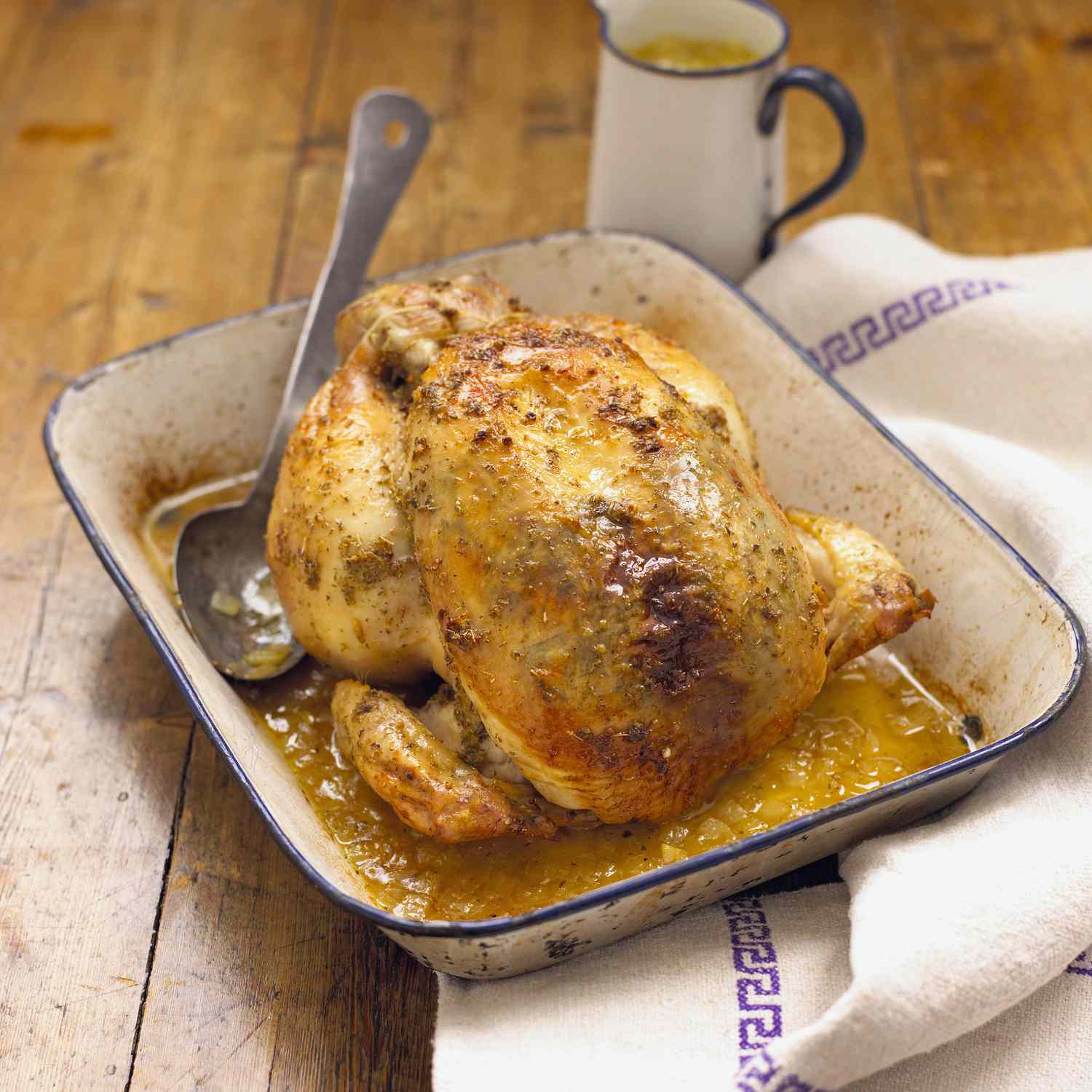
Some recipes arrive with a grocery list. Others arrive with folklore, a wink, and the faint sound of wedding bells in the distance. The famous Engagement Chicken Recipe belongs to the second group. At its heart, it is a simple lemon roast chicken: golden skin, juicy meat, bright citrus, savory pan juices, and enough aroma to make everyone in the house wander into the kitchen pretending they “just came to check on something.”
Despite the playful name, Engagement Chicken is not a magic spell, a relationship contract, or a poultry-based proposal strategy. It is, however, a beautiful example of why classic cooking never goes out of style. A whole chicken, seasoned well and roasted with lemon, garlic, herbs, onion, and a little patience, can feel elegant without being fussy. It says, “I care,” but it does not say, “I spent seven hours panicking over foam.” That is romance with reasonable cleanup.
This in-depth guide covers the story behind Engagement Chicken, the best way to make it at home, smart cooking tips, serving ideas, common mistakes, and a practical experience section for anyone preparing it for date night, a family dinner, or a cozy Sunday meal. No proposal guaranteed. Excellent leftovers? Much more likely.
What Is Engagement Chicken?
Engagement Chicken is a lemon-roasted whole chicken recipe made famous by its charming backstory. The classic version usually includes a whole chicken, lemon juice, whole lemons placed inside the cavity, salt, pepper, and fresh herbs. Later versions, especially the popular Ina Garten-style interpretation, add garlic, onions, wine, chicken stock, and a pan sauce that deserves its own fan club.
The basic idea is simple: roast a well-seasoned chicken until the skin is crisp and the meat is tender, then spoon the lemony pan juices over the carved pieces. The result is rustic but impressive, which is exactly why the dish became associated with special dinners. It looks like something from a cozy magazine spread, yet the technique is friendly enough for a beginner cook with a decent oven and a little confidence.
The Story Behind the Famous Engagement Chicken Recipe
The legend began in the world of magazine editors, where apparently even roast chicken had a better publicist than most celebrities. A simple lemon chicken recipe was passed among staffers, and after several people reportedly received marriage proposals after serving it, the dish became known as “Engagement Chicken.” Glamour later published the recipe, and the name stuck.
The story grew even bigger when versions of the recipe appeared in popular food media and on television. Ina Garten’s Engagement Roast Chicken helped turn the dish from a quirky magazine legend into a home-cooking classic. Over time, it also became part of a larger family of romantically named chicken recipes, including “Marry Me Chicken,” a creamier skillet dish made with ingredients such as sun-dried tomatoes, Parmesan, and basil.
But Engagement Chicken remains different. It is not creamy, heavy, or complicated. It is bright, roasted, deeply savory, and built around the old-school pleasure of a whole bird cooked beautifully. The romance is not in the name. The romance is in the care: preheating the oven, seasoning properly, letting the chicken rest, and serving it with pan juices that taste like lemon, garlic, and victory.
Why This Recipe Works So Well
1. Lemon adds brightness
Lemon is the backbone of this recipe. Fresh lemon juice cuts through the richness of the chicken, while lemon halves or slices roast inside and around the bird, releasing citrusy aroma. The flavor is not sour; it is fresh and lively. Think of lemon as the friend who walks into a quiet room and opens all the curtains.
2. Garlic and onion build savory depth
Garlic softens as it roasts, becoming sweet and mellow. Onion caramelizes in the pan, mixing with chicken drippings to create a natural base for sauce. Together, they make the kitchen smell like you know exactly what you are doing, even if you had to Google “which side of the chicken is breast-side up” ten minutes ago.
3. A whole chicken stays juicy when cooked properly
A whole roast chicken gives you different textures and flavors in one dish: crisp skin, tender breast meat, richer dark meat, and concentrated pan juices. The key is to avoid overcooking and to let the chicken rest after roasting. Resting allows juices to settle instead of escaping dramatically onto the cutting board like a tiny culinary tragedy.
4. The pan sauce makes it memorable
The best Engagement Chicken is not just about the bird; it is about the sauce. Wine, chicken stock, lemon juice, onions, garlic, and drippings can become a quick pan sauce that tastes far more luxurious than the effort required. This is where the recipe goes from “nice chicken” to “please make this again.”
Engagement Chicken Ingredients
This version keeps the spirit of the original lemon roast chicken while adding practical upgrades for flavor and texture.
Main Ingredients
- 1 whole chicken, about 4 to 5 pounds
- 2 large lemons
- 1 large yellow onion, sliced
- 1 head garlic, cloves separated and lightly crushed
- 2 tablespoons olive oil or softened unsalted butter
- 1 tablespoon kosher salt, plus more as needed
- 1 teaspoon freshly ground black pepper
- 1 teaspoon fresh thyme leaves or 3 to 4 thyme sprigs
- 1 teaspoon chopped rosemary, optional
- 1/2 cup dry white wine, optional
- 1/2 cup low-sodium chicken stock
- 1 tablespoon all-purpose flour, optional for thickening the sauce
- Fresh parsley, for garnish
Ingredient Notes
Choose a chicken that fits comfortably in your roasting pan or cast-iron skillet. A 4-pound bird is ideal for most home cooks because it roasts evenly and serves about four people. For lemons, use fresh ones, not bottled lemon juice. Bottled juice has its place, but that place is not the starring role in a romantic roast chicken.
Dry white wine adds complexity to the sauce, but chicken stock works well if you prefer not to cook with wine. Thyme is classic, rosemary is bolder, and parsley at the end brings freshness. If you like a richer flavor, use softened butter on the skin. If you prefer a cleaner finish, olive oil is excellent.
How to Make Engagement Chicken
Step 1: Prep the chicken
Preheat the oven to 425°F. Remove the chicken from its packaging and pat it very dry with paper towels. Dry skin browns better, and browning is where the flavor lives. If there are giblets inside the cavity, remove them. Place the chicken in a roasting pan, baking dish, or large oven-safe skillet.
Step 2: Season generously
Season the cavity with salt and pepper. Cut one lemon into halves and place both halves inside the chicken along with a few garlic cloves and thyme sprigs. Rub the outside of the chicken with olive oil or softened butter. Season the entire surface with kosher salt, black pepper, thyme, and rosemary if using.
Step 3: Add aromatics to the pan
Scatter sliced onion, remaining garlic cloves, and lemon slices around the chicken. These ingredients will roast in the drippings and become the base for the pan sauce. If your pan looks crowded, that is fine. Crowded with onions and garlic is not a problem; crowded with dirty dishes is the real villain.
Step 4: Roast until golden
Roast the chicken at 425°F for 20 minutes, then reduce the oven temperature to 375°F. Continue roasting for about 50 to 70 minutes, depending on the size of the bird. The chicken is done when the thickest part reaches a safe internal temperature of 165°F on a food thermometer.
Step 5: Rest the chicken
Transfer the chicken to a cutting board and tent it loosely with foil. Let it rest for 10 to 15 minutes. Do not skip this step. Cutting too soon releases the juices, and then the chicken becomes drier than a group chat after someone says, “We need to talk.”
Step 6: Make the pan sauce
While the chicken rests, place the roasting pan over medium heat if it is stovetop-safe. Add white wine, chicken stock, or a mix of both. Scrape up the browned bits from the bottom. Simmer for a few minutes. For a thicker sauce, whisk 1 tablespoon flour with a little stock first, then stir it into the pan. Taste and adjust with salt, pepper, or a squeeze of lemon juice.
Step 7: Carve and serve
Carve the chicken into breast, thigh, drumstick, and wing portions. Spoon the lemon-garlic pan sauce over the top and garnish with fresh parsley. Serve immediately, preferably to people who understand that crispy chicken skin is not a side issue. It is the main event wearing a golden jacket.
Pro Tips for the Best Engagement Chicken
Dry the skin well
Moisture is the enemy of crisp skin. Pat the chicken dry before seasoning. If you have extra time, season the chicken and leave it uncovered in the refrigerator for several hours or overnight. This helps the skin dry out and improves browning.
Use a thermometer
Guessing doneness by color alone is risky. A food thermometer is the easiest way to avoid undercooking or overcooking. Insert it into the thickest part of the thigh without touching bone. The safe target for poultry is 165°F.
Do not drown the chicken in liquid
Liquid belongs in the pan, not poured over the skin every few minutes. Too much basting can soften the skin and lower the oven temperature. Let the oven do its job. The chicken does not need a spa day.
Let the sauce balance the dish
If the pan juices taste too sharp, add a splash of stock or a small pat of butter. If they taste flat, add lemon juice and salt. A good pan sauce should taste savory first, bright second, and “where has this been all my life?” third.
What to Serve With Engagement Chicken
This lemon roast chicken recipe pairs well with simple sides that absorb pan juices without competing for attention. Roasted potatoes are a classic choice. Mashed potatoes are excellent if you want a comfort-food mood. Rice pilaf, buttered noodles, or crusty bread also work beautifully.
For vegetables, try roasted carrots, green beans, asparagus, Brussels sprouts, or a crisp salad with vinaigrette. If the dinner is for a special occasion, serve the chicken with garlic mashed potatoes, roasted broccolini, and a simple arugula salad. Add candles if you want drama. Add extra napkins if you know your guests are sauce people.
Engagement Chicken vs. Marry Me Chicken
People often confuse Engagement Chicken with Marry Me Chicken, but they are not the same dish. Engagement Chicken is usually a whole roasted chicken with lemon, herbs, and pan juices. Marry Me Chicken is typically a skillet chicken recipe made with a creamy sauce, sun-dried tomatoes, Parmesan, herbs, and sometimes pasta.
Both recipes have romantic names. Both are delicious. But the moods are different. Engagement Chicken is elegant, rustic, and classic. Marry Me Chicken is creamy, bold, and weeknight-friendly. One wears linen and pours white wine. The other shows up with Parmesan and main-character energy.
Common Mistakes to Avoid
Using too little salt
A whole chicken needs proper seasoning. Salt the cavity, the skin, and, if possible, season ahead of time. Underseasoned roast chicken is technically food, but emotionally it is a missed opportunity.
Skipping the rest time
Resting is essential for juicy meat. Even ten minutes makes a difference. Use that time to finish the sauce, warm the plates, or pretend you are the calm kind of cook who never forgets where the serving spoon is.
Overcrowding with watery vegetables
Onions, garlic, and lemon are perfect. Too many watery vegetables can steam the chicken instead of roasting it. If you want extra vegetables, roast them on a separate sheet pan.
Forgetting the pan juices
The pan sauce is the secret weapon. Do not leave those browned bits behind. They contain concentrated flavor from the chicken, lemon, garlic, and onion. Scrape them up and turn them into sauce.
Storage and Leftover Ideas
Store leftover Engagement Chicken in an airtight container in the refrigerator for up to three days. Keep the sauce separate if possible, so the chicken does not become soggy. Reheat gently in a covered dish with a splash of stock to keep the meat moist.
Leftovers are excellent in chicken salad, sandwiches, grain bowls, soups, and pasta. Shred the meat and toss it with pan juices, lemon zest, and herbs for a quick lunch. Add leftover chicken to risotto or fold it into warm rice with roasted vegetables. The carcass can be simmered into stock, which is the culinary equivalent of getting bonus points for being thrifty.
Experience Notes: Cooking Engagement Chicken in Real Life
The first thing people notice when making Engagement Chicken is how quickly the kitchen starts to smell impressive. Before the chicken is even fully roasted, lemon, garlic, onion, and herbs begin drifting through the house like a delicious announcement. This is one reason the recipe feels special. It creates atmosphere before it reaches the table.
For a date-night dinner, the best experience comes from doing a little prep early. Season the chicken in the morning or the night before, leave it uncovered in the refrigerator, and let the oven handle most of the work later. This keeps the evening relaxed. Nobody wants a romantic dinner where the cook is sweating, dropping tongs, and muttering at a meat thermometer like it owes them money.
Another real-life advantage is that Engagement Chicken looks more difficult than it is. A whole roast chicken has presence. When it comes out of the oven golden and surrounded by roasted lemon and onion, it feels restaurant-worthy. Yet the actual process is mostly seasoning, roasting, resting, and making a quick sauce. It is the kind of recipe that gives a beginner cook a confidence boost and gives an experienced cook a reliable classic to return to.
The pan sauce is where many home cooks have their “aha” moment. At first, the browned bits in the pan may look like a mess. Then stock or wine hits the surface, the bits loosen, and suddenly the pan becomes liquid flavor. The sauce does not need to be fancy. A little lemon, a little stock, a little scraping, and a few minutes of simmering can transform simple drippings into something rich and glossy.
Serving the dish family-style also improves the experience. Place the carved chicken on a platter, spoon sauce over it, and scatter roasted onions and garlic around the pieces. Add potatoes or bread nearby so nothing goes to waste. People naturally reach, pass, pour, and talk. That is the quiet charm of roast chicken: it makes dinner feel communal without demanding a speech.
If you are cooking it for someone important, remember that perfection is not the point. Maybe the skin is darker in one spot. Maybe the carving is less “culinary school” and more “friendly puzzle.” That is fine. What people remember is the warmth of the meal, the smell of lemon and garlic, and the feeling that someone made an effort. Engagement Chicken works because it is generous, not because it is flawless.
And if no one proposes after dinner? Congratulations, you still have an excellent roast chicken recipe. That is not a failure. That is lunch tomorrow.
Conclusion
The Engagement Chicken Recipe became famous because of its playful legend, but it has lasted because it is genuinely delicious. A well-roasted chicken with lemon, garlic, herbs, onion, and pan sauce is timeless. It is simple enough for a weeknight, elegant enough for a celebration, and flexible enough to become your personal signature dish.
Whether you make it for a partner, your family, your friends, or yourself, this recipe proves that great cooking does not need to be complicated. Sometimes the most memorable meal is a golden roast chicken, a bright sauce, and the confidence to bring it to the table with a smile.