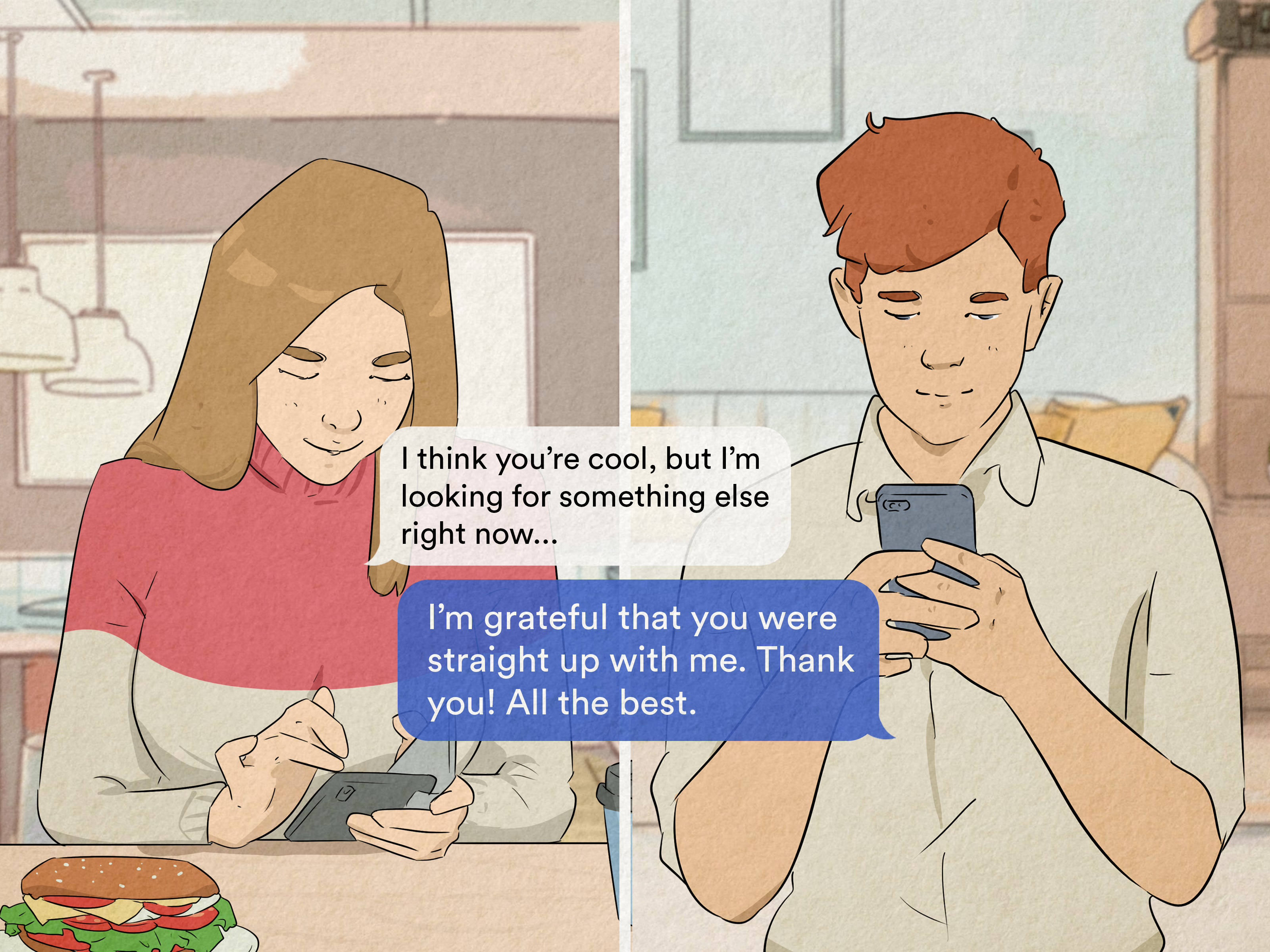
Getting a “let’s just be friends” text can feel like your heart tripped over a coffee table in the dark. One minute you are imagining cute dates, shared playlists, and maybe a heroic airport confession. The next minute, your phone lights up with a polite emotional speed bump: “I really value you, but I only see you as a friend.” Ouch.
The good news? You do not have to respond like a wounded Shakespeare character, a passive-aggressive meme account, or someone typing “lol it’s fine” while staring dramatically out a window. There are calm, confident, and emotionally mature ways to respond to a friend zone text without embarrassing yourself, pressuring the other person, or burning a friendship that may still matter.
This guide explains how to reply when someone friend zones you over text, with simple steps, ready-to-use examples, and practical advice for protecting your dignity. Whether you want to stay friends, need space, or are not sure yet, the goal is the same: respond honestly, respectfully, and like someone who has Wi-Fi and self-respect.
What Does a Friend Zone Text Really Mean?
A friend zone text usually means someone appreciates you but does not want a romantic relationship. It may sound like “I see you as a friend,” “I don’t feel that spark,” “I don’t want to lead you on,” or “You’re important to me, but not in that way.” The message can sting, but it is also a form of clarity. They are telling you where they stand instead of keeping you guessing, which is awkward but useful.
The best response is not to argue, audition harder, or send a 900-word emotional TED Talk. The best response shows that you heard them, respect their decision, and are taking care of your own feelings too.
Easy Ways to Respond to a Friend Zone Text: 9 Steps
1. Pause Before You Reply
Do not answer while your emotions are doing parkour. Rejection can trigger sadness, embarrassment, anger, confusion, and the sudden urge to delete every cute message you ever sent. That is normal. But a fast reply written from a bruised ego can become a screenshot with a long lifespan.
Give yourself a few minutes, a few hours, or even a day. Take a walk, drink water, talk to someone you trust, or write the dramatic response in your notes app instead of sending it. The pause helps you separate what you feel from what you actually want to communicate.
Example response after a pause: “Thanks for being honest with me. I appreciate you telling me directly. I need a little time to process it, but I respect how you feel.”
2. Acknowledge Their Honesty
It takes courage to reject someone kindly. Nobody enjoys sending the “I only see you as a friend” message unless they are a villain in a dating app commercial. Acknowledging their honesty keeps the conversation respectful and prevents the situation from turning into blame.
You do not need to overpraise them or pretend you are thrilled. A simple “thank you for being direct” is enough. It shows emotional maturity and makes it clear that you can handle truth, even when it is not the truth you wanted.
Try this: “I appreciate you being upfront with me. That was probably not easy to say, and I respect it.”
3. Be Honest About Your Feelings Without Guilt-Tripping
You are allowed to admit that it hurts. You are not required to perform instant coolness. However, there is a big difference between honesty and guilt-tripping. “I’m disappointed, but I understand” is honest. “Wow, I guess nice people always lose” is not honest; it is emotional confetti thrown into a ceiling fan.
Use “I” statements to own your feelings without making the other person responsible for fixing them. This keeps the message clear, direct, and less defensive.
Good example: “I’ll be honest, I’m a little disappointed because I do like you. But I respect your feelings and I’m glad you told me.”
Avoid: “I can’t believe you did this to me after everything.”
4. Respect Their Boundary
When someone says they only want friendship, that is a boundary. Respecting it means you do not try to negotiate, debate, or present evidence like you are in romantic court. You may think, “But if they just gave me a chance…” Maybe. But they already gave you an answer, and the answer matters.
Trying to convince someone to like you romantically rarely creates attraction. It usually creates pressure. Respect is far more attractive than persistence that ignores a clear no.
Simple reply: “I understand. I won’t push for something you don’t want.”
This sentence is powerful because it gives both people room to breathe. It also protects your self-respect. You are not begging, bargaining, or turning affection into a sales pitch.
5. Decide Whether You Can Actually Be Friends
Here is the tricky part: can you genuinely be friends right now, or would friendship feel like sitting in the front row of a movie called “They Don’t Like Me Back”? There is no single correct answer. Some people can shift into friendship naturally. Others need distance because staying close keeps the crush alive.
Be honest with yourself. If you secretly hope friendship will become romance, you may need space. If you can enjoy their company without waiting for them to change their mind, friendship may work.
If you want to stay friends: “I value our friendship too, and I’m open to keeping things friendly. I may just need a little time to reset.”
If you need distance: “I care about you, but I think I need some space for a bit so I can move on in a healthy way.”
6. Keep the Text Short and Clear
A friend zone reply does not need to become a novel with chapters, symbolism, and a tragic beach scene. Texting is not always the best place for intense emotional processing. A short message is usually kinder to both of you.
A good response has three parts: appreciation, honesty, and a boundary. That is it. No courtroom closing statement required.
Short response formula: “Thanks for being honest. I’m disappointed, but I respect your feelings. I may need a little space, but I wish you well.”
This kind of message works because it is warm without being clingy, honest without being dramatic, and clear without being cold.
7. Avoid Passive-Aggressive Jokes
Humor can help, but sarcasm can make things worse. “Haha cool, I love being emotionally destroyed before lunch” may feel funny in your head, but it can also make the other person feel responsible for your pain. Save the dark comedy for your group chat.
If humor is natural between you, keep it gentle. The goal is not to pretend nothing happened. The goal is to reduce awkwardness without hiding your feelings.
Better light response: “Not the plot twist I was hoping for, but I appreciate your honesty. I’ll be okay.”
This keeps the tone human and a little funny without making the other person feel attacked.
8. Do Not Ask “Why Not Me?”
It is tempting to ask why. You may want a detailed explanation so you can fix the problem, unlock a secret level, or become the exact romantic candidate they ordered. But attraction is not a job interview. Sometimes there is no neat reason beyond “the feeling is not there.”
Asking for feedback can put the other person in an uncomfortable position and make you feel worse. Unless they volunteer a helpful explanation, accept the answer as complete. You do not need a performance review for your heart.
Instead of asking why, say: “I understand. I appreciate you being clear with me.”
Closure often comes less from their explanation and more from your decision to stop chasing one.
9. Follow Through With Your Boundary
If you say you need space, take space. If you say you want to stay friends, behave like a friend rather than a romantic hopeful waiting in the emotional parking lot. Your follow-through matters more than the perfect text.
This may mean texting less often, muting their stories for a while, avoiding one-on-one hangouts, or giving yourself permission to meet new people. Moving forward is not punishment. It is self-care.
Follow-up text if you need more space later: “Hey, I realized I still need a little more time to sort out my feelings. Nothing against youI just want to be fair to both of us.”
Best Friend Zone Text Responses You Can Copy
If You Want to Be Mature and Kind
“Thank you for being honest with me. I’m disappointed, but I respect your feelings and appreciate you telling me directly.”
If You Need Space
“I understand. I do need some space for a little while so I can move on, but I appreciate your honesty.”
If You Want to Stay Friends
“I value you as a person and I’m glad we can be honest. I may need a little time to adjust, but I’d like to keep the friendship if it feels healthy for both of us.”
If You Were Surprised
“That caught me off guard, but I appreciate you being clear. I’ll take some time to process it.”
If You Want a Clean Exit
“Thanks for telling me. I respect your decision. I think it’s best for me to step back, but I wish you the best.”
What Not to Text After Getting Friend Zoned
Do not send insults, guilt trips, repeated questions, jealous comments, or fake indifference. Messages like “Your loss,” “I was too good for you anyway,” or “I never liked you that much” may protect your pride for five seconds, but they usually make you look hurt and reactive.
Also avoid trying to prove your value. You do not need to list your loyalty, kindness, height, cooking skills, gym routine, or ability to parallel park under pressure. Romantic feelings are not earned through a résumé. Someone can think you are wonderful and still not want romance. That is painful, but it is not a verdict on your worth.
Can You Escape the Friend Zone?
Sometimes friendships become romantic later, but that should not be your strategy. Waiting around for someone to change their mind can trap you in emotional limbo. If romance develops naturally someday, fine. But your healthiest move is to accept the current answer and live your life accordingly.
The real “escape” from the friend zone is not convincing someone to date you. It is freeing yourself from chasing someone who has already said no. That may sound less cinematic, but it is much better for your nervous system.
How to Handle the Awkwardness Afterward
Awkwardness is normal. You both know something honest happened. The air may feel weird for a while, like a group project after someone accidentally said “I love you” instead of “see you tomorrow.” Give it time.
If you share a friend group, stay polite and calm. Do not recruit mutual friends to your side. Do not post mysterious quotes about betrayal. Do not suddenly become extremely visible with someone else just to make them jealous. The mature path is boring, yes, but boring often wins.
If you interact again, keep things simple: “Hey, good to see you.” You do not have to perform emotional gymnastics. Respect, space, and consistency will make things less strange over time.
When Staying Friends Is a Bad Idea
Staying friends may not be healthy if you feel jealous when they date others, keep analyzing every text for hidden meaning, or feel worse after every interaction. It may also be a bad idea if they enjoy your attention but ignore your feelings, flirt just enough to keep you hooked, or only reach out when they need emotional support.
A friendship should feel mutual, not like an unpaid internship for romance. If staying close keeps hurting you, distance is not rude. It is wise.
Real-Life Experiences: What Responding Well Looks Like
One common experience goes like this: someone gets friend zoned and immediately wants to prove they are “cool with it.” So they reply, “No worries at all!” even though they are absolutely worrying. Then they continue texting the person every day, hoping the friendship will magically become romantic. Weeks later, they feel resentful because the other person is acting exactly like a friend. The lesson? Do not promise a friendship you cannot emotionally handle yet. It is better to say, “I need a little time,” than to pretend you are fine and slowly turn into a haunted house of mixed signals.
Another experience is the person who responds with anger. They feel rejected, so they send something sharp: “Whatever, I was just being nice.” In the moment, it feels like taking power back. Later, it usually feels embarrassing. Anger can be a mask for hurt, but the person receiving the message only sees the anger. A better response would have been, “That hurts to hear, but I respect your honesty.” Same pain, much better delivery.
Some people discover that friendship actually works after a reset period. They take a few weeks of distance, stop flirting, meet new people, and return when the feelings are less intense. The friendship becomes lighter because there is no secret agenda. This outcome requires honesty. If you are still hoping every hangout will turn into a confession scene, you are not ready yet.
Others realize that distance is the healthiest choice. Maybe the attraction is too strong. Maybe the friendship was already unbalanced. Maybe seeing the person date someone else would feel like stepping barefoot on emotional Legos. In that case, a kind goodbye is not dramatic. It is self-respect. You can appreciate someone and still choose not to stay close.
A helpful rule from real life is this: the best friend zone response is the one your future self will not cringe at. Your future self will not regret being respectful. Your future self will not regret taking space. Your future self will not regret refusing to beg for affection. Your future self may, however, have questions if you send seven paragraphs, three sad songs, and a selfie captioned “guess I’m never enough.” Be kind to future you.
Responding well does not mean you are not hurt. It means you can be hurt and still act with dignity. That is the quiet win. You may not get the relationship you wanted, but you keep your confidence, your character, and your ability to move toward someone who actually wants the same thing.
Conclusion
Getting a friend zone text is uncomfortable, but it is not the end of your romantic life, your confidence, or your personality. The best way to respond is to pause, acknowledge their honesty, express your feelings without guilt-tripping, respect their boundary, and decide whether friendship is truly healthy for you.
You do not need to be cold. You do not need to be fake cheerful. You definitely do not need to submit a romantic appeal with supporting documents. A simple, respectful text is enough: “Thanks for being honest. I’m disappointed, but I respect your feelings. I may need some space, but I wish you well.”
That message says everything important. It shows maturity. It protects your dignity. And most importantly, it lets you move forward instead of staying stuck in the emotional waiting room.