Note: This article is written in original, publication-ready language and is based on real home-efficiency principles, including air sealing, weatherstripping, window insulation, and practical DIY draft-blocking methods.
Introduction: When Your House Starts Breathing Like a Dragon
Every winter, some homes develop a personality. The front door whistles. The window sighs. The hallway produces a mysterious breeze that feels as if a tiny polar bear has moved into the baseboards. That is where DIY draft stoppers, also known as draft dodgers, come in. They are simple, affordable, and surprisingly charming creations designed to block cold air from sneaking under doors, around windows, near fireplaces, and through other small gaps that make a room feel chilly.
The idea behind “Draft Dodgers: 8 DIY Creations to Keep Out the Cold – Bob Vila” is wonderfully practical: you do not always need a major renovation to make your home feel warmer. Sometimes, a fabric tube filled with rice, a pool noodle wrapped in fleece, or a removable window insert can make a noticeable difference. Draft blockers are not a replacement for proper insulation, caulking, or professional weatherization, but they are an excellent first line of defense. Think of them as cozy little bodyguards standing between your living room and Old Man Winter.
Cold drafts matter because they affect comfort, energy use, and even how often your heating system has to run. When warm indoor air escapes and cold outdoor air enters, your furnace or heat pump works harder. Sealing leaks around windows and doors, adding weatherstripping, and using draft stoppers can help rooms feel more stable and comfortable. Better yet, most of these projects are budget-friendly and beginner-approved. No contractor belt required. A needle, scissors, measuring tape, and a mild tolerance for fabric fuzz will do nicely.
Why Draft Dodgers Work
A draft stopper works by blocking uncontrolled air movement. The most common location is the gap at the bottom of an exterior door, but drafts also appear at window sills, sliding doors, attic hatches, fireplace openings, mail slots, and even interior doors leading to garages, basements, or unheated rooms. A draft blocker creates a physical barrier that slows the exchange of cold and warm air.
The best DIY draft dodgers combine weight, flexibility, and fit. A lightweight tube may look cute, but if it slides away every time the dog trots past, it will not do much. A good draft stopper should sit snugly against the gap, stay in place, and be easy to move when needed. Fillers such as rice, dried beans, sand, clean fabric scraps, polyester fiberfill, or plastic pellets can all work. For doors that open frequently, a double-sided draft guard made with foam tubes or pool noodles can move with the door and remain useful throughout the day.
8 DIY Creations to Keep Out the Cold
1. The Classic Fabric Door Snake
The classic fabric door snake is the grandparent of draft dodgers, and like many grandparents, it is simple, reliable, and quietly judging your thermostat setting. To make one, measure the width of your door, cut a rectangle of sturdy fabric slightly longer than that measurement, sew it into a tube, fill it, and close the end. Denim, canvas, upholstery scraps, flannel, and old curtains are all good choices because they hold up better than thin cotton.
For filling, use rice, dry beans, sand sealed in inner bags, or a mix of fabric scraps and heavier material. The goal is enough weight to keep the snake in place without creating a doorstop so heavy it requires gym membership energy to move. Add a removable washable cover if the draft stopper will live near muddy boots, pets, or children who believe every household object is a race car.
2. The No-Sew Towel Draft Blocker
If sewing sounds like a medieval punishment, try the no-sew towel draft blocker. Roll a thick towel lengthwise, secure it with ribbon, fabric ties, safety pins, or strips of hook-and-loop tape, and place it at the bottom of the door. For a neater version, slide the towel into a pillowcase or a fabric sleeve and tie the ends like a piece of candy.
This option is excellent for renters, college students, guest rooms, and anyone who needs a five-minute solution before guests arrive and ask why the dining room has its own weather system. It is not as polished as a sewn draft snake, but it is fast, free, and effective enough for many small gaps.
3. The Pool Noodle Double Draft Guard
A pool noodle draft guard is clever because it blocks air on both sides of the door and can move as the door opens and closes. Cut two foam pool noodles to match the width of the door. Slide them into a fabric sleeve, one noodle on each side, leaving a flat channel in the center for the bottom edge of the door. The door sits between the two foam rolls, and the guard travels with it.
This project is especially useful for interior doors leading to garages, laundry rooms, basements, or storage spaces. It is also a good choice for households where a loose door snake would constantly get kicked out of place. Choose a durable fabric and avoid making the sleeve too tight, or the door may drag. The goal is a gentle seal, not a wrestling match every time you want a snack.
4. The Window Sill Draft Snake
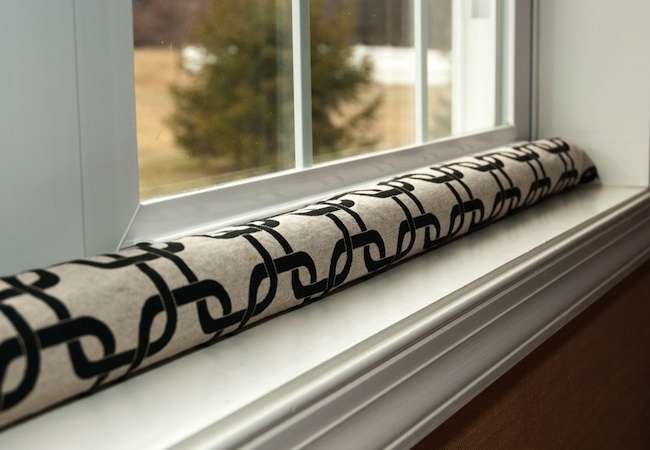
Doors get most of the attention, but windows can be sneaky draft factories. A window sill draft snake is a shorter, slimmer version of the door snake designed to sit along the bottom rail of a window. Measure the window width, sew or roll a narrow fabric tube, fill it lightly, and place it where the cold air is entering.
This works best on older windows, single-pane windows, or windows with minor air movement at the sill. For extra insulation, pair the draft snake with weatherstripping or a clear shrink-film window kit during colder months. The window snake adds charm while the film does the invisible heavy lifting. Together, they are like a tiny winter defense team wearing matching scarves.
5. The Removable Foam Board Window Insert
For a room that always feels cold, a removable window insert can make a bigger difference than a fabric tube alone. Cut rigid foam board to fit snugly inside the window frame, then cover the room-facing side with fabric, decorative paper, or peel-and-stick wallpaper. Add a small pull tab so you can remove it during the day or whenever you want natural light.
This is best for basement windows, attic windows, garage windows, or rarely used rooms where daylight is not a top priority. Do not block windows that serve as required emergency exits. Also avoid trapping moisture against glass for long periods; check occasionally for condensation. When used wisely, foam inserts are inexpensive, lightweight, and surprisingly neat-looking.
6. The Thermal Curtain Door Cozy
Sometimes the cold is not just coming from the bottom of the door. It is radiating through the entire surface, especially with older exterior doors, glass patio doors, or doors that lead to enclosed porches. A thermal curtain door cozy is essentially a heavy fabric panel mounted above the door and pulled closed when needed.
Use a tension rod, curtain rod, or removable hooks if you are renting. Choose insulated curtains, quilted fabric, wool blankets, canvas, or layered fabric with a lining. The panel should extend beyond the sides of the door frame and reach close to the floor. This creates a buffer zone that helps slow drafts and reduce the chilly feeling near the entrance. It also adds a soft decorative touch, which is polite homeowner language for “hiding the door that has been annoying you since November.”
7. The Fireplace Draft Blocker
A fireplace can be cozy when it is in use, but when it is not, it may let cold air tumble into the room. A DIY fireplace draft blocker can help, but safety is everything. This project is only for a completely cool, unused fireplace. Never use a draft blocker in a fireplace with active embers, a pilot light, gas logs, or any appliance that requires ventilation.
A common DIY method is to cut foam board or plywood to fit the fireplace opening, cover it with fabric or decorative material, and add handles for easy removal. Another option is a removable chimney balloon or plug designed for fireplaces. Always label the blocker clearly so no one starts a fire before removing it. A fireplace blocker can look stylish, but its most important feature is that it comes out before the fireplace is used. Warmth is good. Accidental drama is not.
8. The Mail Slot, Baseboard, and Odd-Gap Mini Dodger
Not every draft comes from a dramatic gap under a front door. Some arrive through mail slots, pet doors, baseboard cracks, old keyholes, or narrow openings around built-ins. For these awkward spots, create mini draft dodgers. A small fabric pad with magnets can cover a metal mail slot. A rolled strip of felt can sit along a baseboard gap. A decorative flap can cover an interior pet door when it is not being used.
Mini dodgers are custom problem-solvers. Walk around the room on a windy day and use your hand to feel for cold air. You can also look for daylight around doors or movement near curtains. Once you find the source, create a small removable barrier. The beauty of DIY is that your solution can be as elegant or as ridiculous as you want. A tiny velvet mail-slot cape? Honestly, winter has seen stranger things.
Materials That Make Better Draft Stoppers
The best fabric for a draft stopper is sturdy, washable, and tightly woven. Denim, duck cloth, canvas, corduroy, upholstery remnants, flannel, and wool blends are excellent choices. Thin fabrics may leak filler, wear out quickly, or collapse too easily. If you want a decorative look, use a pretty outer fabric and add a plain inner liner for strength.
Fillers depend on the project. Rice and beans are easy to find and provide good weight, but they should be kept dry because moisture can lead to odors or pests. Sand is heavy and effective, but it should be sealed inside plastic bags or inner tubes before going into fabric. Polyester fiberfill is light and washable, but it may need a heavier filler mixed in to stay put. Pool noodles and foam pipe insulation are perfect for double draft guards because they are light, flexible, and easy to cut.
Where Draft Dodgers Help Most
Draft dodgers are most useful in locations where you can feel moving air. Start with exterior doors, especially older wood doors or doors with worn sweeps. Next, check windows, sliding patio doors, basement entries, attic access panels, and doors to garages. Rooms above crawl spaces or beside unheated areas often benefit from extra attention.
However, draft stoppers work best as part of a larger strategy. If the gap is permanent and does not need to move, caulk may be the better fix. If the gap is around a moving door or window, weatherstripping is usually more appropriate. If the bottom of a door has a large gap, a door sweep may outperform a loose fabric snake. The DIY draft dodger is the friendly first responder, but weatherstripping and caulk are the long-term crew.
Common Mistakes to Avoid
The first mistake is making the draft stopper too short. Always measure the full width of the door or window and add a little extra length. A draft snake that leaves an inch uncovered is like an umbrella with a polite hole in it. The second mistake is underfilling. A limp draft blocker may look decorative, but cold air can push around it. The third mistake is blocking ventilation that should remain open, especially near combustion appliances, gas fireplaces, or mechanical rooms.
Another common issue is ignoring moisture. Window draft blockers can trap condensation if the window already has moisture problems. Check behind them regularly. If you see water, mildew, or peeling paint, solve the moisture issue before sealing everything tightly. Comfort should never come at the expense of indoor air quality or home durability.
of Real-Life Experience: What Draft Dodging Actually Feels Like
Here is the honest experience of living with draft dodgers: the first one you make will probably not be perfect, and that is fine. Most people start with a rolled towel at the front door. It works, but it also gets kicked aside, collects dust, and somehow becomes invisible to everyone except the person who placed it there. Then you upgrade to a fabric door snake, and suddenly the entryway feels less like a walk-in freezer. It is not magic, but it is noticeable.
The biggest improvement usually comes from matching the solution to the problem. A loose fabric snake is great for a door that stays closed most of the day, such as a guest room, basement door, or formal front door. For a busy kitchen door, a double-sided pool noodle guard is easier because it moves with the door. For a drafty window behind a sofa, a slim sill snake is perfect because nobody has to touch it. The more the project fits your daily routine, the more likely you are to keep using it.
Another lesson: weight matters. A beautiful draft stopper filled only with fluffy stuffing may photograph nicely, but it can drift away from the gap. Adding rice, beans, sand, or plastic pellets gives it enough authority to stay put. On the other hand, making it too heavy turns it into a decorative sandbag that annoys everyone. The sweet spot is firm, flexible, and easy to move with one hand.
Pets also have opinions. Cats may claim draft snakes as personal furniture. Dogs may treat them as suspicious intruders. If you have pets, choose durable fabric and avoid loose buttons, beads, or decorations that can be chewed off. A washable cover is a gift to your future self. Winter already brings enough chores; scrubbing mystery paw prints out of upholstery fabric should not become a seasonal tradition.
The most satisfying part is how inexpensive these projects can be. Old jeans become door snakes. A lonely pillowcase becomes a towel cover. A pool noodle from summer becomes a winter hero. Even fabric scraps can be turned into filling. Draft dodgers are a perfect example of practical DIY because they solve a real problem without demanding perfection. You can make one in neutral linen for a modern home, plaid flannel for a cabin vibe, or bright patterned fabric for a kid’s room.
The final experience is psychological as much as physical. A room with fewer drafts simply feels calmer. You stop noticing that little chill around your ankles. The heater does not seem to kick on as dramatically. Movie night feels cozier. Morning coffee near the window becomes less of a survival exercise. That is the real charm of draft dodgers: they are humble, homemade comfort tools. They do not brag, beep, sync to Wi-Fi, or require an app. They just sit there, block the cold, and quietly make winter less rude.
Conclusion: Small Projects, Warmer Rooms
DIY draft dodgers prove that home comfort does not always require a big budget or a complicated renovation. With fabric, filler, foam, old towels, or a little creativity, you can block many of the cold drafts that make winter rooms uncomfortable. The best approach is to inspect your home, identify where air is entering, and choose the right draft blocker for each location.
For long-term performance, combine draft dodgers with smart air-sealing habits. Use weatherstripping around movable doors and windows, caulk stationary gaps, consider window film for seasonal insulation, and keep safety in mind around fireplaces and fuel-burning appliances. A warmer home begins with noticing the small leaks. Then, one clever DIY creation at a time, you can tell those drafts to take their icy little shoes elsewhere.