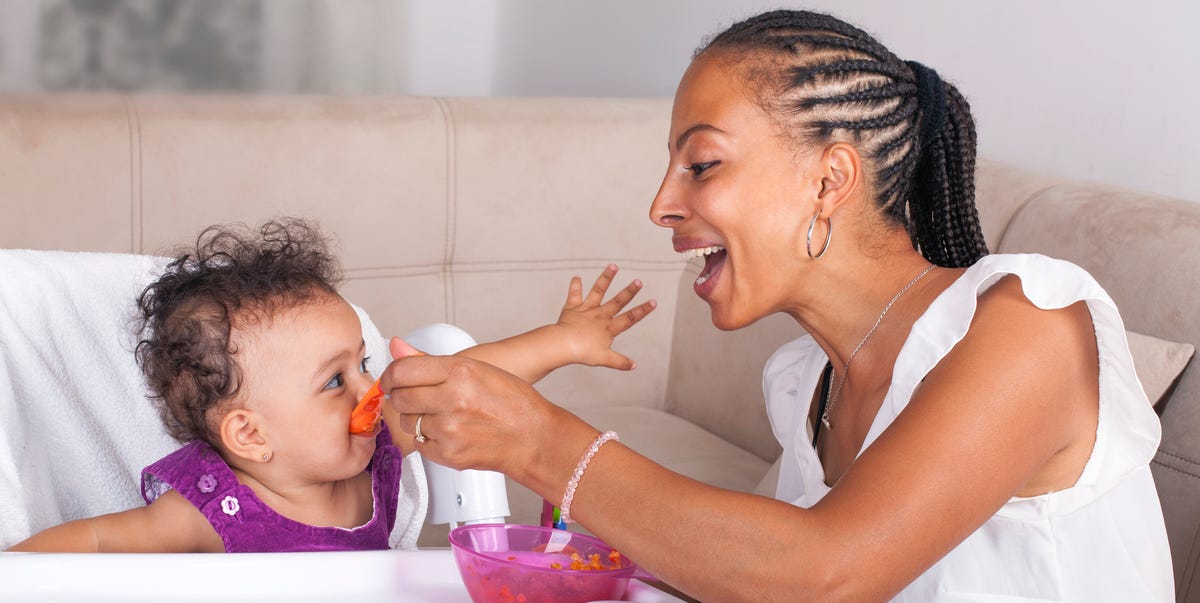
Few parenting headlines can make a spoonful of sweet potato puree feel like a tiny chemistry experiment quite like “heavy metals in baby food.” If you have ever stood in the grocery aisle holding a pouch in one hand and your phone in the other, frantically searching whether rice cereal is still okay, you are not being dramatic. You are being a parent. That is basically the job description, minus the coffee stains.
So, does baby food contain heavy metals? The honest answer is yes, some baby foods can contain trace amounts of heavy metals such as arsenic, lead, cadmium, and mercury. The more helpful answer is that these contaminants are not limited to packaged baby food, and they are not always the result of careless manufacturing. They can enter food through soil, water, air pollution, old pesticides, industrial activity, processing equipment, and even natural geology. In other words, the problem is less “one bad jar” and more “a food-system issue that needs smart regulation, better testing, and practical choices at home.”
The toxic baby food report that brought national attention to the issue highlighted real concerns: some products and ingredients tested higher than many parents expected, and experts criticized the lack of consistent federal limits for every heavy metal in every baby food category. Since then, the conversation has shifted from panic to prevention. Pediatricians, dietitians, food safety researchers, and regulators generally agree on one message: parents should reduce exposure where they can, but they should not stop feeding babies fruits, vegetables, grains, and proteins. Babies still need food, and unfortunately, they have not yet mastered grocery shopping.
What Are Heavy Metals in Baby Food?
Heavy metals are naturally occurring elements that can be toxic when exposure is high or repeated over time. In baby food discussions, the four most commonly mentioned are arsenic, lead, cadmium, and mercury. These substances matter because babies and toddlers are small, rapidly developing, and eat more food per pound of body weight than adults. Their brains, nervous systems, kidneys, and immune systems are still under construction, so repeated exposure can be more concerning than it would be for a full-grown adult who occasionally eats the same food.
Lead is especially troubling because experts have long emphasized that no level of lead exposure is considered beneficial or “safe” for children. Arsenic, particularly inorganic arsenic, is often associated with rice and rice-based products because rice plants absorb arsenic more readily from flooded fields. Cadmium can appear in root vegetables and grains depending on soil conditions. Mercury is most often discussed in relation to fish, especially large predatory fish.
Why Do Heavy Metals Show Up in Baby Food?
The frustrating truth is that heavy metals can be present before a baby food company ever touches the ingredient. Carrots, sweet potatoes, rice, spinach, and other nutritious foods grow in soil. If the soil contains lead, cadmium, or arsenic, crops may absorb small amounts. Water used for irrigation can also contribute. Rice is a special case because it is often grown in flooded fields, where arsenic can become more available for plant uptake.
Processing can add another layer of risk. Food may contact equipment, containers, or ingredients sourced from multiple farms. Multi-ingredient pouches can look varied on the front labelapple-kale-spinach one day, pear-pumpkin-zucchini the nextbut the ingredient list may reveal the same base ingredient repeated again and again. That is why experts often tell parents to read the full label, not just the flavor name. A pouch called “Garden Harvest Adventure” may still be mostly sweet potato wearing a tiny marketing cape.
What Did the Toxic Baby Food Report Find?
Several high-profile investigations raised alarms about toxic metals in baby food. A congressional report in 2021 reviewed internal company documents and testing information from baby food manufacturers and concluded that some commercial baby foods and ingredients contained concerning levels of arsenic, lead, cadmium, and mercury. The report also criticized inconsistent testing practices, including testing ingredients rather than finished products and allowing internal company limits that advocates considered too high.
Consumer advocacy groups have also tested baby and toddler foods over the years. One widely cited investigation by Healthy Babies Bright Futures reported detectable levels of heavy metals in most of the baby foods tested, with some products containing more than one metal. Consumer Reports has repeatedly identified rice-based snacks, some infant cereals, and certain root-vegetable products as categories that deserve extra attention. These findings do not mean every product is dangerous, but they do show why parents, pediatricians, and lawmakers continue to push for transparency and stricter limits.
What Is the FDA Doing About Heavy Metals in Baby Food?
The U.S. Food and Drug Administration has been working through its “Closer to Zero” initiative, which focuses on reducing childhood exposure to contaminants in foods while preserving access to nutritious options. The idea is not that food can magically become metal-free. Because some contaminants are in the environment, the practical goal is to drive levels as low as reasonably achievable through testing, sourcing, farming practices, and enforcement.
In 2025, the FDA finalized action levels for lead in certain processed foods intended for babies and children under age 2. These levels include 10 parts per billion for many processed fruits, vegetables, mixed foods, yogurts, custards, puddings, and single-ingredient meats; and 20 parts per billion for single-ingredient root vegetables and dry infant cereals. The FDA has also set an action level of 100 parts per billion for inorganic arsenic in infant rice cereal. These action levels are important because they give regulators and manufacturers clearer benchmarks, but some advocates argue that the standards should be stronger and should cover more product categories.
Are Organic Baby Foods Safer?
Organic baby food can be a good choice for many families, but “organic” does not automatically mean “free of heavy metals.” Organic standards limit certain pesticides and farming practices, but they cannot erase arsenic from soil or lead from the broader environment. Organic rice can still contain arsenic. Organic sweet potatoes can still absorb metals from soil. Organic pouches can still rely heavily on the same root vegetables and fruit concentrates as conventional products.
The better question is not “Is organic always safer?” but “Does this brand test finished products, publish results, use lower-risk ingredients, and offer real variety?” A non-organic oatmeal cereal with transparent testing may be a better low-arsenic choice than an organic rice snack eaten three times a day.
Which Baby Foods Are Most Likely to Contain Heavy Metals?
No food category should be treated as automatically toxic, but some deserve more caution. Rice cereal, rice puffs, rice teething crackers, rice cakes, and brown rice syrup are frequent targets because rice tends to absorb arsenic. Root vegetables such as carrots and sweet potatoes may contain lead or cadmium depending on soil conditions. Fruit juice can contribute heavy metals while offering less fiber and more concentrated sugar than whole fruit. Certain fish, especially shark, swordfish, king mackerel, bigeye tuna, and other large predatory fish, can be higher in mercury.
This does not mean parents must ban carrots or sweet potatoes. They are nutritious foods. The goal is rotation. A baby who eats sweet potato every day from the same brand and same format may get more repeated exposure than a baby who eats sweet potato sometimes, peas sometimes, avocado sometimes, oatmeal sometimes, eggs sometimes, beans sometimes, and banana smashed into the high chair tray with impressive artistic confidence.
Expert Advice: How Parents Can Reduce Heavy Metal Exposure
1. Serve a Variety of Foods
Variety is the single most practical strategy. Rotating grains, vegetables, proteins, and fruits helps prevent one ingredient from dominating a baby’s diet. Offer oats, barley, quinoa, wheat, corn, and mixed grains instead of relying only on rice cereal. Rotate vegetables instead of serving the same root vegetable every day.
2. Do Not Use Rice Cereal as the Default First Food
Iron-fortified infant cereal can be useful, especially when babies need more iron around 6 months, but rice cereal is not required. Oatmeal cereal, barley cereal, and multigrain options can provide nutrition with potentially lower arsenic exposure. If rice is part of the family diet, rinse it before cooking and cook it in extra water, then drain the excess to reduce some arsenic.
3. Limit Fruit Juice
Fruit juice sounds wholesome, but pediatric experts generally prefer whole fruit for young children. Whole fruit provides fiber and texture practice, while juice can concentrate sugar and may contribute to contaminant exposure. For babies under 12 months, juice is usually unnecessary unless a clinician recommends it for a specific reason.
4. Choose Low-Mercury Fish
Fish can be a valuable source of protein, omega-3 fats, vitamin D, and other nutrients. The trick is choosing lower-mercury options such as salmon, sardines, cod, pollock, tilapia, and light tuna in appropriate portions. Avoid large predatory fish that tend to accumulate more mercury.
5. Check Water When Needed
Tap water can contribute to lead or arsenic exposure, especially in homes with older plumbing or private wells. Families using well water should consider testing it. If lead pipes or old fixtures are a concern, a certified filter may help reduce exposure. This matters for drinking water, formula preparation, cooking, and even rinsing foods.
6. Read Labels on Pouches and Snacks
Baby food pouches are convenient, and convenience is not a parenting crime. However, many pouches use similar base ingredients. Look beyond the front label and scan the ingredient list. If sweet potato, apple, pear, or rice appears constantly, rotate in different products or homemade foods with other ingredients.
Homemade Baby Food vs. Store-Bought: Which Is Better?
Homemade baby food gives parents more control over ingredients, texture, freshness, and added sugar or salt. It can also be cheaper. But homemade does not automatically solve the heavy metals issue because the same crops may contain metals whether they are cooked in a factory or in your kitchen. A homemade carrot puree can still contain lead or cadmium if the carrots absorbed them from soil.
The best approach is not to shame store-bought food or glorify homemade food. Both can fit. Store-bought baby food can be useful for busy families, travel, childcare, and emergencies. Homemade food can expand variety and help babies learn family flavors. The safest strategy is to combine convenience with diversity: oatmeal instead of rice cereal most days, mashed beans, avocado, yogurt, eggs, soft fruits, steamed vegetables, shredded meats, and family foods prepared safely for baby’s age and chewing ability.
Should Parents Be Worried?
Parents should be informed, not paralyzed. Heavy metals in baby food are a real public health concern, and stronger testing and regulation are worth demanding. At the same time, experts do not recommend cutting out entire nutritious food groups out of fear. Babies need iron, zinc, protein, healthy fats, fruits, vegetables, and exposure to different tastes and textures.
If your baby has eaten rice cereal, sweet potatoes, carrots, or pouches, take a breath. One food choice does not determine a child’s future. Risk comes from repeated exposure over time, combined with other sources such as old paint, dust, water, soil, and imported products. If you are concerned about lead exposure, ask your pediatrician whether a blood lead test is appropriate. That simple test can give clearer information than late-night internet spiraling, which is a sport parents never meant to join.
What to Look for When Buying Baby Food
When shopping, choose brands that are transparent about testing, especially if they publish results by batch or lot number. California’s baby food transparency law has pushed more companies to disclose testing information for arsenic, cadmium, lead, and mercury, and many parents outside California can still benefit when brands make results available online. Look for simple ingredient lists, varied grains, no unnecessary juice concentrates, and no brown rice syrup.
It is also wise to avoid treating baby snacks as nutritional staples. Puffs, teething biscuits, melts, and rice-based crackers are easy, but they should not replace meals built from real foods. Babies enjoy dropping them on the floor with the solemn dedication of a tiny scientist, but nutritionally, they are not magic.
Practical Feeding Plan for Lower Exposure
A lower-heavy-metal feeding pattern might look like this: oatmeal cereal with mashed banana for breakfast, lentil puree or soft beans at lunch, avocado and scrambled egg for dinner, and soft fruit or yogurt as a snack when age-appropriate. Another day might include barley cereal, peas, salmon, peaches, and soft pasta. The point is not perfection. The point is avoiding the same high-risk ingredient every day.
For families using baby-led weaning, the same principle applies. Offer soft strips of ripe fruit, steamed vegetables, low-mercury fish, tender meats, beans, eggs, toast strips, and pasta shapes prepared safely. For puree-feeding families, rotate jars and pouches by primary ingredient rather than by flavor name alone.
Real-Life Experience: What This Looks Like in a Busy Kitchen
In real life, reducing heavy metal exposure is less like following a perfect chart and more like making decent choices while someone in a high chair is yelling because the spoon is not arriving at presidential-motorcade speed. Parents are busy. Babies are unpredictable. One week they love peas; the next week peas are apparently a personal insult. That is why the best strategy has to be simple enough to survive Tuesday night.
A practical experience-based approach starts with the pantry. Instead of keeping three boxes of rice cereal, keep one oatmeal cereal, one multigrain cereal, and perhaps one rice product for occasional use. Instead of buying only sweet potato pouches because the baby accepts them, mix in pea, pumpkin, apple-bean, turkey-vegetable, pear-blueberry, or yogurt-based options if appropriate. The first few attempts may be rejected with theatrical flair, but repeated exposure often helps babies accept new tastes.
Batch cooking can also help. Once or twice a week, steam a few different vegetables and freeze small portions in an ice cube tray. Try peas, zucchini, cauliflower, butternut squash, green beans, or broccoli. Add protein when your baby is ready: lentils, chicken, turkey, eggs, plain yogurt, or mashed beans. This gives you “fast food” without relying on the same pouch every day. It also lets babies taste foods closer to what the family eats, which can make the transition to table food smoother.
Another useful habit is the “main ingredient check.” Before buying a pouch, turn it around. If the first ingredient is always apple, pear, sweet potato, carrot, or rice, swap in something different. This does not require a spreadsheet, a lab coat, or a parent-teacher conference with the pantry. It just requires a few seconds of label reading.
Parents who use formula should not panic about recent discussions of contaminants. Infant formula is highly regulated and remains essential for babies who need it. The priority is safe preparation: use clean water, follow mixing instructions exactly, avoid diluting formula, and talk with a pediatrician before switching products. For families who breastfeed, breastfeeding can be continued alongside solids as recommended and desired, but breastfeeding parents should not feel guilty if formula is part of the feeding plan. Fed, safe, and supported is the goal.
The biggest lesson from the heavy metals conversation is that parents should not carry the entire burden alone. Better food safety standards, finished-product testing, transparent labels, cleaner sourcing, and stronger oversight are industry and regulatory responsibilities. At home, parents can reduce risk with variety, smart grain choices, limited juice, safer fish, water testing when needed, and less dependence on rice-based snacks. That is manageable. Parenting already comes with enough impossible assignments, like finding the missing pacifier that is somehow both under the crib and in another dimension.
Conclusion
Yes, baby food can contain heavy metals, but the smartest response is not panicit is informed prevention. The toxic baby food report exposed weaknesses in testing, transparency, and safety standards, while expert guidance now gives parents practical ways to reduce exposure. Choose variety, limit rice-based foods, rotate root vegetables, skip juice for babies, pick low-mercury fish, check water when appropriate, and support brands that publish meaningful test results.
Heavy metals in baby food are a serious issue, but feeding your child should not feel like defusing a tiny nutritional bomb. With better regulation and everyday variety, parents can protect babies while still giving them the colorful, nourishing foods they need to grow, learn, and eventually throw broccoli on the floor with excellent hand-eye coordination.
Note: This article synthesizes current information from reputable U.S. public health, pediatric, consumer safety, scientific, and regulatory sources, including FDA guidance, pediatric nutrition recommendations, food safety testing reports, and expert commentary. It is for educational purposes and should not replace personalized advice from a pediatrician, registered dietitian, or public health professional.