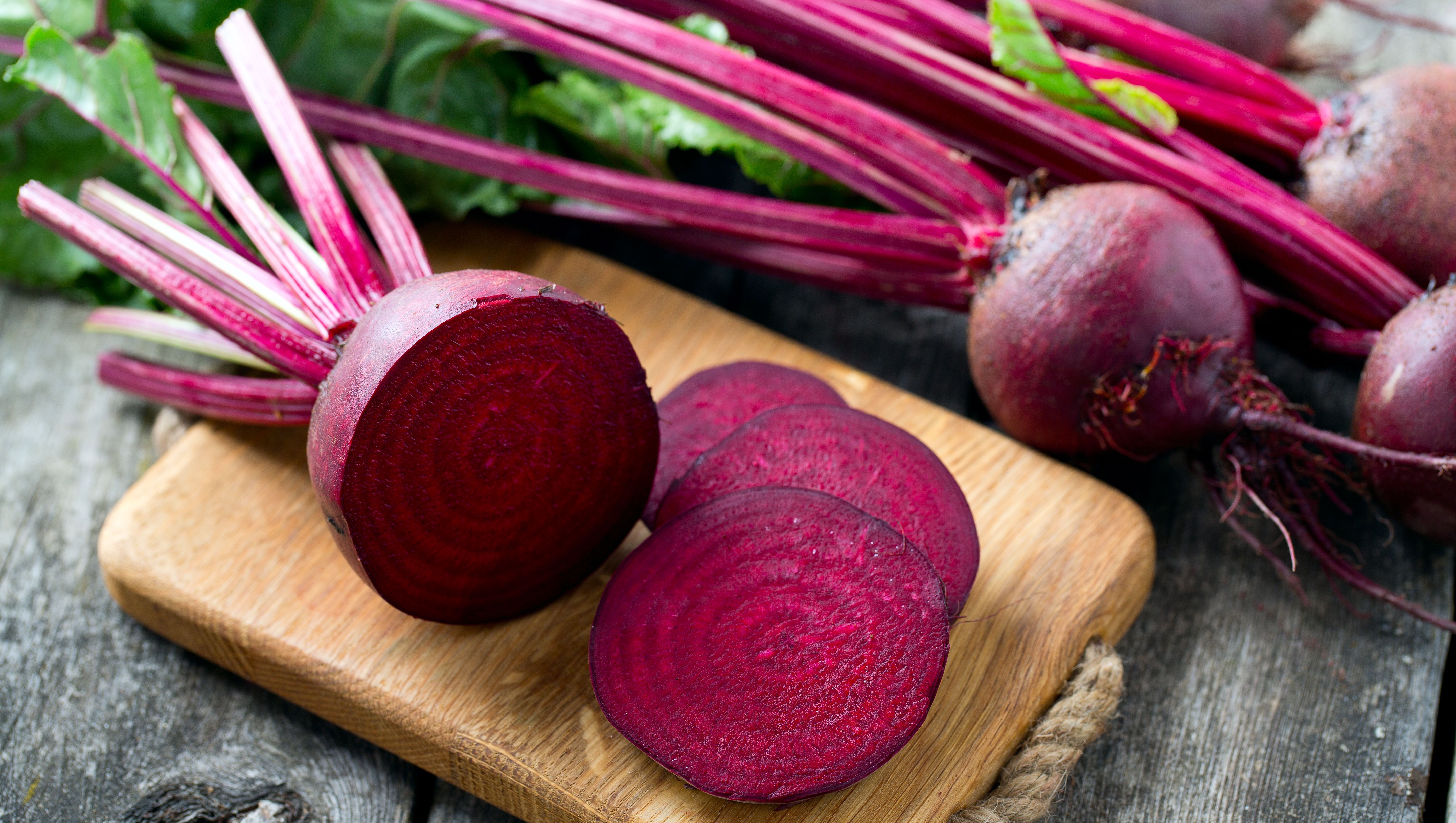
If you take a blood thinner and have ever stared suspiciously at a bowl of roasted beets, welcome to the club. Beets are bright, bold, and dramatic enough to make anyone wonder whether they are about to pick a fight with prescription medication. The short answer is: sometimes, but not in the way most people think.
For most people, plain beetroot is not the same kind of troublemaker as spinach, kale, or collard greens. In fact, the red root itself is naturally very low in vitamin K, the nutrient that most famously interferes with warfarin. But here comes the plot twist: beet greens are a completely different story. Those leafy tops can be rich in vitamin K, which means they may matter a lot if you take warfarin or another vitamin K antagonist.
So if you came here asking, “Do beets interact with blood-thinning medication?” the best answer is: the beet root usually matters far less than the beet greens, the amount you eat, and the specific medication you take. That is why this topic deserves more than a yes-or-no answer and a nervous glance at your salad bowl.
This article breaks down what really happens when beets meet blood-thinning medication, how warfarin differs from newer anticoagulants, why beet juice and beet powder deserve their own side note, and what practical steps can help you eat with confidence instead of fear.
The Short Answer: It Depends on the Blood Thinner
Not all blood thinners behave the same way. That matters because people often use the term “blood thinner” as if every medication in the category follows identical rules. It does not.
If you take warfarin, food interactions matter more. Warfarin works by interfering with vitamin K, so sudden changes in your vitamin K intake can change how the medication performs. Too little vitamin K compared with your usual routine can make the blood too thin and raise bleeding risk. Too much vitamin K all at once can make warfarin less effective and raise clotting risk.
If you take a newer anticoagulant such as apixaban or rivaroxaban, vitamin K is generally much less of a dietary issue. That does not mean you should freestyle your supplement cabinet like a late-night cooking show host, but it does mean beets are usually not the main concern in the way they can be with warfarin.
And if you take an antiplatelet drug such as aspirin or clopidogrel, the conversation shifts again. Vitamin K is not the headline issue there. Instead, the bigger concern is overall bleeding risk, especially when medications are combined with alcohol, certain pain relievers, or supplements that also affect clotting.
Why Vitamin K Is the Main Character in This Story
Vitamin K helps the body make proteins involved in blood clotting. That is normally a good thing. It is your body’s built-in repair crew. But warfarin works by dampening vitamin K’s clot-making power. That means your daily vitamin K intake can push the medication in one direction or the other.
Here is the part many people get wrong: if you are on warfarin, the goal is usually not to avoid vitamin K completely. The goal is consistency. If you eat a moderate amount of vitamin K-rich foods regularly and your prescriber knows that, your dose can often be adjusted around your normal pattern. What causes trouble is the sudden switch from “I never eat greens” to “I now drink giant vegetable smoothies because it is Monday and I have changed my life.”
In other words, your body likes routine. Warfarin likes routine. Your INR test likes routine. The drama begins when your diet starts improvising.
Beet Root vs. Beet Greens: Same Plant, Very Different Nutrition Story
This is the distinction that clears up most of the confusion.
Beet Root
The actual bulb, or root, is very low in vitamin K. That means plain cooked or raw beetroot is not usually in the same league as leafy greens when it comes to warfarin interaction concerns. For many people on warfarin, a normal serving of beets is far less likely to throw off their routine than a sudden increase in kale, spinach, or collards.
That does not mean you should go from eating beets once a month to drinking large bottles of concentrated beet juice every day without mentioning it to your clinician. Big changes in diet are still big changes in diet. But if you are talking about a side of roasted beets with dinner, that is a different scenario from piling beet greens into a smoothie like you are trying to impress a blender.
Beet Greens
The leafy tops are where things get interesting. Beet greens are much higher in vitamin K than the root itself. So if you buy whole beets with the greens attached and decide to sauté the tops, blend them into soup, or toss them into salads, that can matter if you are on warfarin.
This is why two people can both say, “I ate beets,” while having completely different vitamin K exposures. One person ate a few slices of pickled beetroot. The other made a giant skillet of beet greens. Same plant, very different nutritional impact.
Do Beets Directly Interact With Blood-Thinning Medication?
In most routine cases, plain beetroot is not considered a major direct food interaction with warfarin the way high-vitamin-K leafy vegetables are. The more accurate concern is that any substantial dietary change can affect warfarin control, and beet greens may contribute a lot more vitamin K than the root.
For people on newer blood thinners, the classic vitamin K issue is much less relevant. Still, that does not grant beets diplomatic immunity. Beet products can come with other practical concerns that may matter depending on your health profile:
- Beet juice and beetroot powder may lower blood pressure, which is usually discussed as a heart-health benefit, but it can be a concern if you already run low, take blood pressure medication, or feel dizzy easily.
- Beet powders and large amounts of beets can be high in oxalates, which may be an issue for people prone to calcium oxalate kidney stones.
- Beets can turn urine or stool red, which is harmless for many people but can be especially alarming if you take a blood thinner and immediately assume internal bleeding.
So no, beets are not usually the villain in the medication-interaction category. But they are not entirely offstage either.
Beet Juice, Beet Powder, and Supplements: The “Concentrated” Conversation
Whole foods and concentrated products are not always nutritionally identical in real life. A few slices of beet in a salad are one thing. A daily beet shot, a sports-performance powder, or a giant bottle of beet juice can be something else.
Beetroot juice has become popular because dietary nitrates may support circulation, exercise performance, and blood pressure. That sounds great, and for many healthy adults it probably is fine in moderation. But if you are on blood-thinning medication, especially warfarin, the smart move is to tell your healthcare team before making concentrated beet products a habit.
Why? Because large, repeated dietary changes may affect medication management, and concentrated products can sometimes arrive with extra ingredients, added supplements, or portion sizes that are much bigger than people realize. A supplement label can turn a simple vegetable into a chemistry experiment with branding.
Also, beetroot powder may be high in oxalates. If you have a history of kidney stones, that matters. If you do not, it may still be worth keeping in mind before you start scooping it into smoothies with the optimism of someone who just bought new running shoes.
Can Beets Cause Bleeding?
Beets do not usually cause bleeding by themselves. But they can absolutely cause panic.
Because beets contain powerful pigments, they may turn urine pink or red and can also tint stool red or reddish-brown. That can be harmless. The problem is that harmless beet pigment and actual bleeding can look alarmingly similar, especially when you are already taking a blood thinner.
If you recently ate beets and notice temporary red urine or stool, food coloring from the beets may be the reason. But if the color persists, happens without eating beets, is accompanied by pain, weakness, dizziness, or black tarry stool, do not shrug it off. People on blood thinners should take unexplained bleeding symptoms seriously.
In plain English: sometimes it is just the beets being theatrical. Sometimes it is not. When in doubt, get checked.
How to Eat Beets Safely If You Take Blood Thinners
You do not need to fear every ruby-colored vegetable. You just need a smart routine.
1. Know Which Medication You Take
If you are on warfarin, consistency matters a lot. If you are on a newer anticoagulant, vitamin K is generally less of a dietary concern, though your overall medication and supplement list still matters.
2. Separate the Root From the Greens
Roasted beetroot is not nutritionally equivalent to sautéed beet greens. If you are tracking vitamin K, treat them as different foods.
3. Avoid Sudden Diet Swings
Do not go from “never eats beets” to “owns a juicer and a beet powder subscription” overnight. Your medication plan prefers boring consistency over nutritional plot twists.
4. Mention Beet Juice, Powders, and Greens to Your Clinician
This is especially important if you take warfarin, have frequent INR changes, have low blood pressure, or a history of kidney stones.
5. Watch for Red Flags, Not Just Red Food
If you notice unusual bruising, nosebleeds, bleeding gums, black stool, weakness, or prolonged red urine that does not line up with beet intake, contact your healthcare professional.
Practical Examples: What This Looks Like in Real Life
Example 1: A person on warfarin eats a half-cup of roasted beets with dinner twice a week and keeps the habit steady. That is usually a very different situation from suddenly adding a huge green smoothie made with beet tops every morning.
Example 2: Someone on apixaban enjoys beets regularly but notices pink urine after a beet salad. That may be harmless beet pigment, but if the redness continues after beets are gone or comes with other symptoms, it still deserves medical attention.
Example 3: A person on warfarin starts drinking concentrated beet juice because they heard it is good for the heart. The issue may not be “beets are forbidden,” but rather “your care team should know before your routine changes.”
Example 4: Someone with a history of kidney stones starts using beetroot powder daily. Even if their blood thinner is not the main problem, oxalates may be.
What People Commonly Experience With This Topic
To make this practical, let’s talk about the kinds of experiences people often have when beets and blood-thinning medication cross paths. These are educational, real-world style scenarios rather than dramatic TV-hospital moments, because most of the confusion around this topic happens in kitchens and bathrooms, not emergency rooms.
One of the most common experiences is simple worry after eating beets for the first time while on warfarin. A person might have heard that “vegetables with vitamin K are dangerous,” so they assume all vegetables wearing a deep color are guilty until proven innocent. Then they eat roasted beets, feel fine, and later discover the root itself is very low in vitamin K. The surprise is not that beets are harmless in every form. The surprise is that the root and the greens are nutritional opposites when it comes to vitamin K.
Another very common experience is the accidental beet-greens problem. Someone buys fresh beets at the market, hates wasting food, and cooks the greens too. It feels healthy, sensible, and maybe a little virtuous. But for a person on warfarin, that change can matter much more than the root. They may not realize the leafy tops are the part most likely to affect vitamin K intake. This is where people often say, “But I only had beets,” when the more accurate sentence is, “I had beet greens, too.” That tiny detail can be the entire story.
Then there is the classic red-urine panic. A person on a blood thinner eats beets, goes to the bathroom later, and suddenly thinks the worst. This reaction is understandable. Blood-thinning medication trains people to watch for bleeding, so red in the toilet can feel like a five-alarm fire. In many cases, though, it is just beet pigment. The emotional experience is real: confusion first, panic second, then relief after connecting the dots. Still, persistent or unexplained red urine should never be brushed off just because beets were on the menu recently.
Some people also report a more subtle experience: they start drinking beet juice or using beet powder for “heart health” or exercise support and assume that because it is natural, it does not count as a change. But concentrated products are still changes. Sometimes the experience is not bleeding or clotting at all. It is dizziness from lower blood pressure, stomach upset, or concern about kidney stones in people already prone to them.
The most successful experiences usually have one thing in common: routine. People who do best with blood thinners tend to learn their pattern, keep it steady, and tell their clinician before making big nutrition changes. It is not glamorous advice, but it works. In the world of warfarin and food, consistency is not boring. It is a superpower wearing sensible shoes.
Final Takeaway
So, do beets interact with blood-thinning medication? Usually not in a major way if you are talking about plain beetroot in ordinary portions. But the full answer depends on the medication, the form of the beet, and how much your diet changes.
If you take warfarin, the biggest concern is vitamin K consistency. Beetroot itself is low in vitamin K, but beet greens are much higher and can matter. If you take a newer blood thinner, vitamin K is less likely to be the issue, though beet juice, powders, supplements, and other ingredients may still deserve a quick review with your healthcare team.
The smartest approach is wonderfully unglamorous: know your medication, keep your diet steady, avoid surprise supplement adventures, and do not ignore symptoms that could signal real bleeding. Beets can be part of a healthy diet. They just should not be allowed to sneak into your routine wearing a disguise.
Medical note: This article is for educational purposes only and is not a substitute for personalized medical advice. If you take warfarin or any other anticoagulant and want to change your diet, add beet juice, or use beet supplements, check with your prescriber or pharmacist first.