There are two kinds of tabletop players in this world: the ones who lovingly cradle their favorite dice like tiny polyhedral royalty, and the ones who will happily borrow a mystery d20 from the bottom of somebody else’s backpack and trust the universe. A germ-conscious dice roller is for both groups. It is equal parts clever gadget, conversation starter, and gentle public-service announcement wrapped in one gloriously nerdy package.
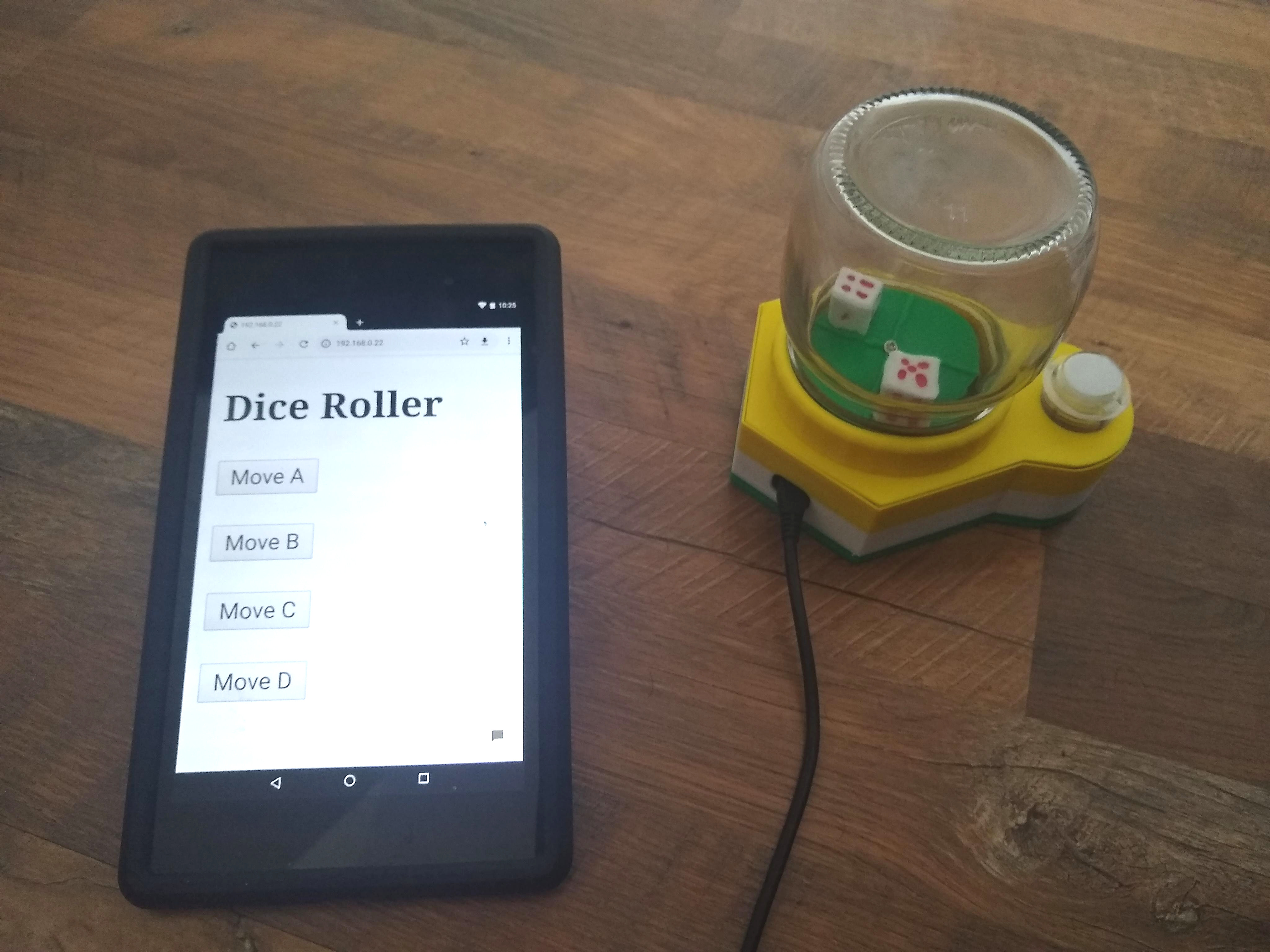
The idea is simple. Instead of passing dice around the table like a communal appetizer, you let a dedicated roller shake, tumble, and reveal the result inside a contained space. In one maker-friendly version that drew attention online, the device used a mason jar, an internal plate, a continuous-rotation servo, a big arcade button, and even a phone-accessible web app so players could trigger the roll without crowding the same control. That is a lot of engineering just to produce a six, but honestly, that is also why tabletop culture is delightful.
And no, a dice roller is not some magical force field against illness. It does not replace washing your hands, cleaning shared surfaces, or staying home when you feel awful. But it does reduce one very specific kind of friction: repeated shared handling of dice during a social activity where people snack, laugh, point at boards, touch cards, rub their eyes, and then, somehow, still swear they have “clean hands.” In other words, a dice roller is not the whole hygiene strategy. It is one smart piece of it.
Why a Germ-Conscious Dice Roller Makes So Much Sense
Shared objects are part of what makes tabletop gaming fun. Dice, meeples, cards, tokens, pencils, scorepads, snack bowls, the one rulebook everyone grabs at the exact same timethese are the building blocks of a good night. They are also classic high-touch items. Public-health guidance has long emphasized that germs can move from contaminated objects to hands, and from hands to faces, food, and other people. That is why hand hygiene and routine cleaning are such a big deal in homes, schools, care settings, and anywhere people share tools or touch the same surfaces repeatedly.
Game night is not a hospital, and it should not feel like one. Still, common sense applies. If a group shares a single pair of dice for hours, touches chips and drinks, pets the dog, opens the door for the pizza guy, and then keeps rolling, the dice are not exactly living a pristine life. A dice roller helps by creating a contained workflow. The player triggers the mechanism, the dice tumble, the result appears, and fewer hands need to handle the same objects over and over.
That is especially helpful for games where everyone rolls at the same pace and sharing dice becomes annoying even before it becomes unsanitary. If you have ever played a roleplaying game with one under-equipped newbie set in the middle of the table, you already know this truth: passing dice around is slow, awkward, and surprisingly intimate. Nothing says “fellowship” quite like borrowing a d8 from someone who just sneezed into their elbow.
What the Original “Snake Eyes” Dice Roller Got Right
A Contained Rolling Space
The most obvious advantage of an enclosed dice roller is containment. The dice stay in one place. They do not skitter across the table, disappear under a couch, dive into salsa, or land suspiciously close to someone’s half-finished wings. A mason jar or enclosed chamber also makes cleanup easier because the rolling surface is defined. If you want to wipe it down after a session, you know exactly where to clean.
Lower-Touch Control Options
The most interesting design choice in the maker version was not the servo. It was the phone-based control. That matters because it pushes the device away from being just a novelty and toward being a practical touch-light accessory. Even the arcade button option has a certain appeal because it limits contact to one obvious surface that can be cleaned quickly. But a personal phone-triggered roll is even tidier. You keep your own device in your own hands, trigger the roll, and read the result without passing anything around.
Mechanical Drama
There is also the simple joy of theater. Dice rollers add suspense. They turn “I rolled a 4” into a tiny event. The chamber rattles, the dice bounce, the table leans in, and then everyone reacts together. That moment is part of the magic. A good dice roller does not sterilize the fun out of gaming. It packages the fun in a cleaner, neater, more cinematic way.
The Germ Angle: Real, Useful, and Easy to Overhype
Let’s keep our feet on the ground here. A dice roller can reduce shared handling, but it cannot single-handedly stop infections. Germs spread through multiple pathways, and hands remain a major one. People touch their faces far more often than they realize. They also transfer germs to food, drinks, phones, remotes, doorknobs, and other shared objects. So if the sales pitch is “buy this gadget and never think about hygiene again,” that is nonsense with LEDs.
The more accurate message is this: a dice roller helps reduce one small but recurring contact point in a social setting. That matters because practical hygiene often comes down to reducing layers of exposure rather than chasing perfect control. Fewer shared touches. Cleaner surfaces. Better handwashing. Smarter cleanup. Less illness roulette.
Soap and water still matter most. Health authorities consistently recommend thorough handwashing, especially after the bathroom, before eating, and after contact with potentially contaminated surfaces or bodily fluids. Cleaning also matters. There is a difference between cleaning, sanitizing, and disinfecting, and most households do best when they remember the correct order: clean first, then sanitize or disinfect when needed. Dirt and residue can make chemicals less effective, so wiping down a game table after snacks is not just aesthetic housekeeping. It is the foundation for everything else.
In short, a dice roller is helpful because it supports better habits. It is not a replacement for them.
Why Dice Rollers Are Great Even If You Never Think About Germs
They Keep the Table Organized
Tabletop sessions already have enough chaos. You have cards fanned out like a magician’s confession, miniatures locked in dramatic poses, and somebody balancing a soda on the least stable corner of the table. A dice roller keeps one messy element under control. That alone earns it a place in many game setups.
They Protect the Results
Enclosed rollers make it easier for everyone to see that a roll was fair and settled. No cocked dice. No arguments about whether that crooked d6 counts. No dramatic re-roll because the die touched a character sheet and “clearly interfered with the outcome.” If your group has one player who treats every ambiguous result like a constitutional crisis, a dice roller can preserve both fairness and friendships.
They Help Accessibility and Comfort
Some players have limited dexterity, mobility challenges, or just do not enjoy the repeated grab-roll-chase routine. A push-button or phone-controlled roller can make games easier to participate in. It is a small design choice with a surprisingly large comfort payoff.
They Feel Special
Let’s be honest: gamers adore gear. Dice trays, towers, sleeves, organizers, inserts, neoprene mats, custom minis, and enough tiny boxes to make a shipping warehouse blush. A dice roller fits perfectly into that ecosystem because it solves a real problem while also looking cool. And in tabletop life, looking cool is at least 30% of the battle.
How to Choose a Dice Roller for Cleaner Game Nights
If you are shopping for or building a dice roller with hygiene in mind, look past gimmicks and focus on surfaces, containment, and cleanup.
Pick Easy-to-Clean Materials
Hard, nonporous surfaces are easier to wipe down than soft, fuzzy, highly textured ones. A roller lined with velvet may look classy, but a smoother interior is usually simpler to clean after a long session. Clear plastic, sealed wood, glass, and coated surfaces are generally more practical than absorbent materials.
Favor Enclosed or Semi-Enclosed Designs
A tray is nice. A tower is better. A chambered roller is best if your goal is keeping dice from wandering across the table and minimizing shared contact. The less chase, the less handling.
Choose One Main Touch Point
If the roller uses a button, knob, switch, or lever, keep that touch point obvious and easy to wipe. Better yet, choose a design with remote or app control so players can avoid touching the device itself. The more intuitive the system, the more likely people are to actually use it instead of defaulting back to tossing dice by hand.
Do Not Forget the Dice Themselves
The device may stay cleaner, but the dice still need occasional attention. If multiple people are using the same set, make “wipe the dice after the session” part of the routine. That takes almost no effort and keeps the whole setup more sensible.
Best Practices for a Cleaner, Friendlier Game Table
If the phrase “tabletop hygiene protocol” sounds like a terrible party invitation, relax. This does not need to be complicated.
- Wash hands before the game starts and before eating.
- Keep hand sanitizer nearby for convenience, while remembering that soap and water are still the gold standard when hands are dirty or stomach bugs are a concern.
- Wipe down high-touch surfaces like the table edge, shared pens, and the roller’s control point.
- Use snack utensils or individual bowls instead of the one communal chip graveyard.
- Set aside obviously dirty or dropped items instead of instantly reintroducing them to the ecosystem.
- Stay home when you are sick. Heroic attendance is overrated.
That last point deserves emphasis. No accessory, no matter how clever, beats simple courtesy. If you are actively ill, the best dice roller in the world is still not a hall pass to cough your way through game night.
The Bigger Appeal: Analog Fun Without the Ick
One reason this topic resonates is that modern players want two things at once: tactile fun and less unnecessary grime. We love physical games precisely because they are not just apps in disguise. We like the clatter, the ritual, the suspense, the shared eye contact when someone desperately needs a six and gets a one instead. But we also live in a world that is far more aware of how easily germs move through hands, surfaces, snacks, and close social spaces.
A dice roller meets those two instincts in the middle. It lets the game stay physical while trimming one avoidable layer of shared contact. That is why the idea feels more relevant than it first appears. It is not about fear. It is about design. Good design removes friction, solves tiny repeated annoyances, and makes a familiar ritual feel smoother. A cleaner dice workflow is not revolutionary. It is just smart.
Experiences From the Table: What This Kind of Dice Roller Actually Feels Like
The first time I used a germ-conscious dice roller at a group game night, I expected it to feel like an unnecessary gadget. You know the type: something everybody admires for two minutes before quietly returning to the old method. Instead, it became the center of the table almost immediately. People liked that the dice stayed contained, but what really won them over was rhythm. Roll. Reveal. React. No one had to hunt for runaway dice or wonder whether the result was tilted under a rulebook corner. It kept the session moving in a way that felt oddly luxurious.
What surprised me most was how much less cluttered the table felt. A normal game night turns into a landscape of cups, phones, cards, snacks, and tiny objects competing for space. When the dice had a dedicated home, the whole table seemed calmer. Players stopped making those little instinctive grabs at stray dice. They were not reaching across someone else’s player board. They were not brushing against a shared pile of components every thirty seconds. It was a subtle change, but it made the room feel more relaxed.
There was also a psychological effect. A contained roller sends a message that the group has thought about comfort. Not paranoia. Not overkill. Just consideration. The same way offering coasters says, “I care about the table,” offering a cleaner way to roll says, “I care about the people around it.” Guests noticed that. A few laughed at the absurdity of a “hygienic dice interface,” but they also kept using it. That tells you everything you need to know.
One player in particular loved the phone-trigger feature because she hates touching shared gadgets in public or group settings. Another liked it for the opposite reason: he thought it made him feel like he was launching a tiny casino-grade outcome machine from mission control. Both were correct. Good gaming accessories often work because they satisfy practicality and drama at the same time.
Of course, the experience was not magically perfect. People still touched cards. They still passed snacks badly. One person still licked seasoning off a finger and reached for a scorepad two seconds later, proving once again that no invention can fully protect humanity from humanity. But the roller narrowed one obvious weak spot without making the evening feel clinical. That is the sweet spot. It improved the setup without turning game night into a sanitation seminar.
By the end of the session, the roller had become part of the ritual. Big moments felt bigger. Bad luck felt louder. Snake eyes looked dramatic inside the chamber, almost like they were on display for public judgment. And when cleanup time came, wiping one contained device was a lot easier than tracking the journey of loose dice across every square inch of the room. That is when the idea fully clicked for me: a dice roller is not just a germ-conscious accessory. It is a quality-of-life upgrade disguised as a nerdy toy, which, frankly, is one of the highest forms of engineering.
Final Roll
“Dice Roller Keeps Germs Out Of Your Snake Eyes” may sound like a joke headline, but the idea behind it is genuinely smart. A contained, easy-to-clean, low-touch dice roller can reduce shared handling, support better game-night hygiene, and make the table feel tidier and more theatrical at the same time. It will not replace handwashing. It will not rescue a group from bad habits. But as a practical design choice for modern tabletop play, it earns far more than a novelty score.
And really, that is the beauty of it. A good dice roller does not ask you to choose between fun and function. It lets you rattle the bones, chase the drama, and maybe dodge a little unnecessary grime while you are at it. If that is not a natural 20 for game-night design, I do not know what is.