Living in a tiny home is a little like playing Tetris with your entire life. The coffee maker, winter coats, yoga mat, dog leash, extra towels, cleaning supplies, and that mystery box of cords all want a place to liveand unfortunately, your square footage did not get the memo. But here is the good news: tiny home storage does not require a magic wand, a mansion-sized budget, or a suspiciously perfect lifestyle where nobody owns snacks.
The best designers know that small spaces are not really a storage problem. They are a strategy problem. Every wall, corner, door, stair, bed frame, bench, and awkward little nook can become useful when you stop thinking horizontally and start thinking creatively. The goal is not to cram more stuff into a tiny home until it looks like a closet sneezed. The goal is to make your space work harder while still feeling calm, stylish, and easy to live in.
These tiny home storage hacks are the ones designers, organizers, and small-space dwellers return to again and again because they actually solve everyday problems. They help you hide clutter, maximize vertical space, choose smarter furniture, and create storage where you thought there was none. Best of all, many of them are renter-friendly, budget-conscious, and realistic for normal people who do not alphabetize their spice jars for funalthough no judgment if you do.
Why Tiny Home Storage Needs a Designer’s Mindset
In a larger house, wasted space can hide in plain sight. In a tiny home, wasted space waves at you from across the room. That is why designers approach compact living with a simple rule: every piece should earn its keep. A bench should not only offer seating; it should hold blankets. A wall should not only display art; it should support shelving, hooks, or a rail system. A bed should not simply exist; it should secretly become a linen closet, suitcase garage, and off-season wardrobe bunker.
Good tiny home organization also depends on visual breathing room. Open shelves, baskets, and hooks are helpful, but if everything is visible all the time, the room can feel busy fast. Designers often mix open and closed storage so daily items stay easy to grab while less attractive necessities disappear behind doors, drawers, curtains, or lidded bins. A small home feels bigger when the eye has fewer obstacles to process.
1. Go Vertical Before You Go Wide
When floor space is limited, walls become prime real estate. One of the most effective small space storage ideas is to use vertical storage from floor to ceiling. Tall shelving, wall-mounted cabinets, peg rails, floating shelves, and over-door organizers help move clutter upward instead of outward.
In a tiny kitchen, a vertical rail with hooks can hold mugs, utensils, pans, or dish towels. In a bathroom, shelves above the toilet can store extra towels and toiletries. In a bedroom, a tall bookcase can replace a bulky dresser if you add baskets or fabric bins. The trick is to keep the heaviest items low and lighter items higher so the room feels balanced rather than top-heavy.
Designer tip: Use the “last 18 inches”
Look at the space above doors, windows, and cabinets. That awkward upper zone is often perfect for seasonal bins, baskets, books, or decorative boxes. It is not where you should store your daily coffee filters, unless you enjoy climbing like a raccoon every morning. But for rarely used items, upper-wall storage can be a tiny home hero.
2. Choose Furniture That Does Double Duty
In a tiny home, single-purpose furniture is a luxury. Designers love multifunctional furniture because it gives one footprint multiple jobs. A storage ottoman can work as a footrest, coffee table, extra seat, and blanket bin. A lift-top coffee table can become a work desk and hide remotes, chargers, and magazines. A Murphy bed can turn a bedroom into an office, studio, or workout zone during the day.
The key is to buy pieces that match your real routines. If you eat on the sofa more often than at a dining table, a lift-top table makes sense. If guests visit twice a year, a sleeper chair may be better than devoting half your room to a full guest bed. If your entryway is tiny, a bench with shoe storage gives you both a landing spot and a clutter-control station.
3. Turn the Bed Into a Storage Machine
Under-bed storage is one of the easiest tiny home storage hacks because the space already exists. The mistake many people make is tossing random bins under there and hoping for the best. Designers prefer a more intentional system: low rolling drawers, vacuum bags for bulky textiles, zippered fabric boxes, or a platform bed with built-in drawers.
Use under-bed storage for items you do not need every day, such as seasonal clothes, extra bedding, luggage, holiday decor, or sentimental keepsakes. Label the containers clearly so you do not have to perform an archaeological dig every time you need a sweater.
Small bedroom example
In a 250-square-foot studio, a bed with four deep drawers can replace a dresser entirely. Add a narrow wall shelf as a nightstand, mount lighting instead of using table lamps, and suddenly the sleeping area feels designed instead of crowded. That is the power of making one zone do several jobs without adding visual mess.
4. Install Hooks Like You Mean It
Hooks are small, affordable, and wildly underrated. Designers use them in tiny homes because they make everyday items easy to access without requiring a drawer, shelf, or cabinet. Add hooks behind doors for robes, jackets, tote bags, cleaning tools, or accessories. Use a peg rail in the kitchen for utensils and small baskets. Mount hooks near the entry for keys, hats, dog leashes, and bags.
The secret is placement. Hooks should live where the item naturally lands. If your bag always ends up on a dining chair, put a hook near the door. If towels end up on the bathroom floor, add hooks within arm’s reach of the shower. Organization works best when it follows your habits instead of trying to turn you into a different person.
5. Use Doors as Hidden Storage Walls
Doors are often ignored, but they can hold a surprising amount. Over-the-door racks, slim shelves, hanging pockets, and mounted organizers can transform closet doors, pantry doors, bathroom doors, and cabinet doors into hardworking storage zones.
In a tiny bathroom, the back of the door can hold toiletries, brushes, towels, or cleaning supplies. In a small closet, door-mounted organizers can store belts, scarves, jewelry, hats, or shoes. In the kitchen, the inside of a cabinet door can hold measuring spoons, foil, wrap, pot lids, or a small spice rack. The result is storage that is easy to reach but not always visible.
6. Divide Drawers Instead of Letting Them Become Swamps
Drawers are wonderful until they become tiny caves of chaos. Drawer dividers, trays, and small boxes create boundaries so items do not slide into one mysterious pile. This works in kitchens, bathrooms, nightstands, desks, and closets.
Try dividing drawers by category: one section for everyday makeup, one for hair tools, one for chargers, one for office supplies. In the kitchen, use expandable dividers for utensils, spices, food wraps, or lids. In a tiny home, a drawer without divisions is basically a junk drawer auditioning for a reality show. Give it structure, and it will behave.
7. Think Slim, Not Small
Many tiny home owners assume they need miniature furniture, but designers often recommend slim furniture instead. A narrow console, shallow cabinet, skinny rolling cart, or wall-mounted desk can provide storage without eating up walking space. Slim pieces are especially useful in hallways, beside refrigerators, behind sofas, next to beds, and in bathrooms.
A six-inch gap beside a washing machine can hold a rolling cart for detergent and cleaning supplies. A narrow shelf beside the sofa can store books and remotes. A shallow shoe cabinet near the entry keeps footwear organized without blocking the door. Tiny home design is not about having less function; it is about choosing better proportions.
8. Add Storage to Stairs, Benches, and Built-Ins
If your tiny home has stairs, do not waste that space. Stair drawers, open cubbies, pull-out cabinets, and hinged steps can store shoes, tools, pantry items, pet supplies, or linens. Even if you do not have stairs, the same principle applies to benches, window seats, banquettes, and built-in seating.
A dining bench with lift-up storage can hold table linens, games, or small appliances. A window seat can store blankets and books. A built-in sofa base can hide extra pillows or off-season clothing. Designers love built-ins because they use awkward architecture instead of fighting it.
9. Use Basketsbut Give Them Jobs
Baskets are beautiful, but they are not magic. A basket without a purpose becomes a decorative clutter bucket. Assign each basket a clear job: one for dog toys, one for throw blankets, one for workout gear, one for mail, one for extra bathroom tissue. Labeling is optional, but it helps if multiple people share the space.
Choose baskets that fit your style so storage becomes part of the decor. Woven baskets warm up modern rooms. Wire baskets suit industrial or farmhouse spaces. Fabric bins soften bedroom shelves. Clear bins work well inside cabinets and closets where visibility matters more than aesthetics.
10. Create a Tiny Entryway, Even If You Do Not Have One
Small homes often open directly into the living room, which means shoes, bags, keys, and jackets can invade immediately. Designers solve this by creating a “mini mudroom” using a wall hook rail, shoe cabinet, narrow bench, tray, and small basket.
You only need a few inches of wall to create a landing zone. Add a floating shelf for keys, hooks for bags, a slim shoe rack, and a basket for mail. This tiny system prevents clutter from spreading into the rest of the home like glitter after a craft project.
11. Make the Kitchen Work Like a Puzzle
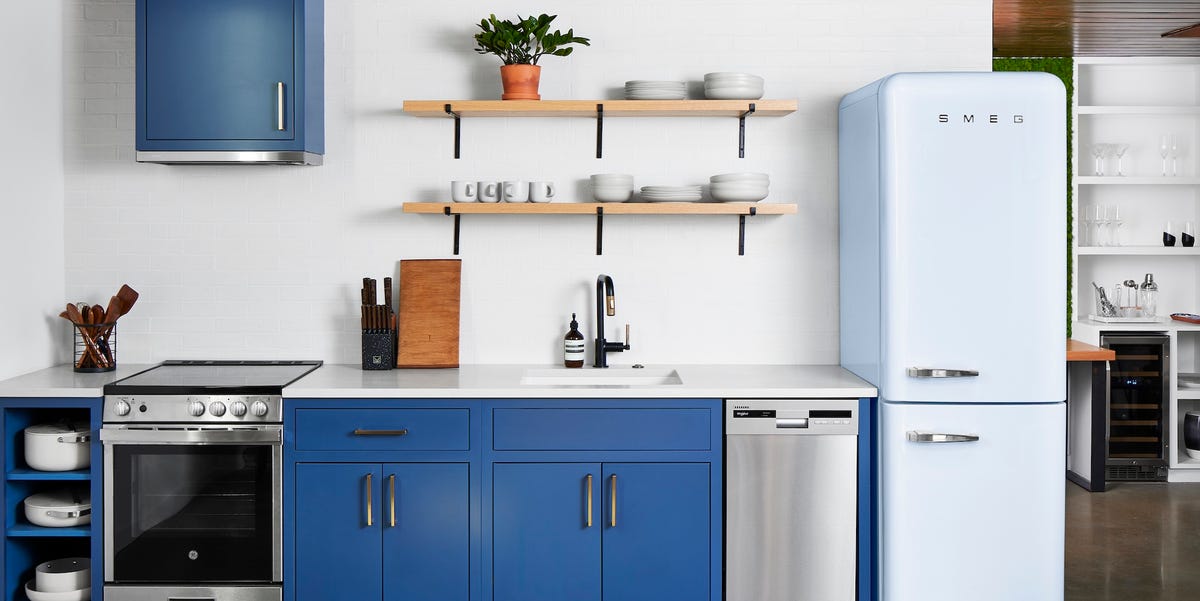
Tiny kitchens demand smart storage because every inch has competition. Use shelf risers inside cabinets to double vertical space. Add magnetic strips for knives or metal spice tins. Hang pans on a wall rack if cabinet space is tight. Use stackable containers in the pantry so food does not disappear behind a box of pasta from three grocery trips ago.
Pull-out organizers are especially useful in deep or narrow cabinets. Lazy Susans work well for oils, sauces, spices, and condiments. A cutting board that fits over the sink can create temporary prep space. The best tiny kitchen storage hacks are the ones that reduce friction: you should be able to cook dinner without removing seven things to reach one pan.
12. Hide the Ugly Stuff Beautifully
Not every useful item deserves a starring role. Cleaning supplies, cords, tools, extra toilet paper, and paperwork need homes, but they do not need to be on display. Designers often use closed cabinets, lidded boxes, skirted furniture, curtains, and decorative trunks to conceal practical items.
A curtain under a sink can hide cleaning products. A storage trunk can serve as a coffee table. Matching boxes on a shelf can disguise office supplies. Cord boxes and cable clips can tame electronics. Hidden storage works because it protects the calm feeling of a small room.
13. Edit Before You Organize
Storage hacks work best after a quick edit. Designers and organizers agree on this point: you cannot organize your way out of owning too much for your space. Before buying new bins or shelves, remove duplicates, broken items, expired products, clothes that do not fit your life, and gadgets you never use.
Try the “one zone at a time” method. Start with one drawer, one cabinet, or one shelf. Empty it, sort it, clean it, and put back only what deserves the space. This keeps the process manageable and prevents your tiny home from looking like a yard sale halfway through.
14. Use Light, Reflection, and Clear Surfaces to Make Storage Feel Invisible
Storage is not just about where things go. It is also about how the room feels afterward. Designers often use light colors, mirrors, glass, acrylic pieces, and clear surfaces to reduce visual weight. A mirrored cabinet, glass shelf, or light-toned storage unit can make a small room feel more open than a heavy dark piece.
Keep at least a few surfaces mostly clear: the kitchen counter, the dining table, the bathroom vanity, or the coffee table. In a small home, open surfaces signal calm. They also give you room to actually live, which is the whole point.
15. Rotate Seasonal Items Like a Boutique
Tiny homes do not have to hold every item in active circulation at all times. Store off-season clothes, holiday decor, extra blankets, and rarely used gear in labeled bins under the bed, above cabinets, or in the highest shelves. Bring forward only what you need now.
Think of your home like a tiny boutique. The best items are accessible, the rest are stored neatly in the back. This approach keeps closets and cabinets from feeling packed and makes daily life easier.
Common Tiny Home Storage Mistakes to Avoid
Buying organizers before measuring
Measure shelves, drawers, doors, and cabinet interiors before buying storage products. A beautiful basket that is two inches too tall is just a stylish disappointment.
Using too many open shelves
Open shelves can look airy, but too many exposed items create visual clutter. Balance open storage with closed bins, cabinets, or boxes.
Ignoring maintenance
The best storage system is one you can maintain on a tired Tuesday. If a system requires perfect folding, color coding, and emotional strength, simplify it.
Keeping “just in case” items forever
In a tiny home, every item pays rent. If you have not used something in years and it is easy to replace, it may not deserve valuable space.
Conclusion: Tiny Storage, Big Relief
Tiny home storage is not about squeezing your life into a smaller box. It is about designing a home that supports how you actually live. The most effective storage hacks use vertical space, hidden compartments, multifunctional furniture, under-bed zones, door backs, hooks, baskets, and drawer dividers to make every inch more useful.
Designers swear by these tiny home storage hacks because they solve real problems without sacrificing style. They make small homes easier to clean, easier to navigate, and more enjoyable to live in. And when everything has a place, even a tiny home can feel generous. Maybe not “indoor bowling alley” generous, but definitely “I can find my keys in under ten seconds” generousand honestly, that is luxury.
Real-Life Experience: What Actually Works When You Live Small
After spending time studying tiny homes, small apartments, studio layouts, and compact family spaces, one lesson becomes obvious: the best storage hacks are rarely the fanciest ones. They are the ones that match daily behavior. A $300 cabinet will not help if everyone drops mail on the kitchen counter. A gorgeous closet system will fail if laundry never makes it past the chair. Tiny home storage has to be realistic, not just photogenic.
One of the most effective experiences comes from treating clutter like traffic. In every small home, objects have routes. Shoes travel from the door to the floor. Keys travel from pockets to random surfaces. Laundry travels from the hamper to the bed, then sometimes takes a long vacation there. Once you notice those routes, storage becomes easier. Put solutions where the mess naturally happens. A hook by the door beats a coat closet across the room. A basket near the sofa beats a storage bin hidden under the bed. Convenience wins every time.
Another practical lesson is that tiny homes need “reset points.” These are small zones that can be cleaned in two minutes: a tray on the entry table, a basket for loose items, a drawer for chargers, a shelf for daily bags. When life gets busy, these reset points stop clutter from spreading. They are not perfect, but they are useful. And useful beats perfect in a small space.
It also helps to accept that storage needs change. A tiny home that works for one season may need adjustment in another. Winter brings boots, coats, blankets, and thicker bedding. Summer may bring fans, outdoor gear, beach towels, or gardening tools. Rotating seasonal items keeps the home from feeling overloaded. The same idea applies to hobbies, work supplies, and kids’ items. What you use now should be easiest to reach; what you might use later can move higher, lower, or farther away.
The biggest surprise is how much visual calm matters. Two homes can hold the same number of items, but the one with matching bins, closed storage, clear counters, and intentional shelves will feel larger. This does not mean everything has to be beige or minimal. Color, pattern, books, art, and personality belong in tiny homes. The trick is to create order around them so the space feels lively rather than loud.
Finally, the most valuable tiny home storage hack is the habit of editing. Not aggressively. Not joylessly. Just regularly. A small home asks you to be honest about what you use, love, and need. When you clear out the extras, the storage you already have suddenly works better. That is when tiny living starts to feel less like a compromise and more like a clever design choice.