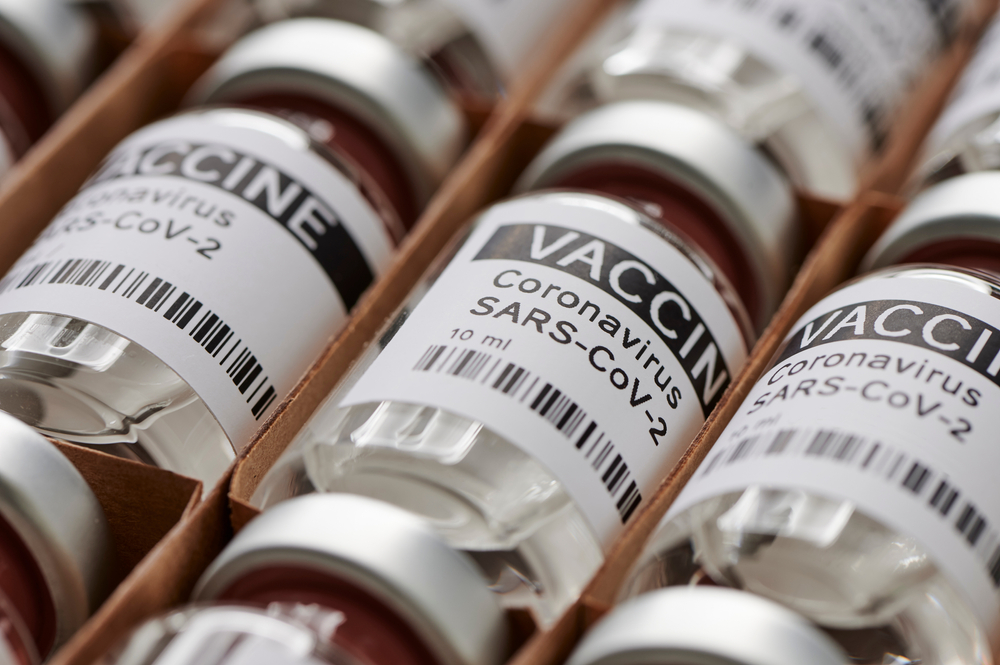
COVID-19 vaccination in the United States was never just a medical story. For Latinx communities, it was also a story about work, family, language, trust, transportation, immigration concerns, community leadership, and the heroic auntie who somehow knew where every pop-up clinic was before Google did.
The Latinx experience with COVID-19 vaccination reveals both the strengths and the stress points of American public health. It shows how quickly communities can organize when information is clear, local, and culturally respectful. It also shows how easily access barriers can turn “free vaccine available” into “free vaccine technically available, but only if you can take off work, find childcare, understand the website, drive across town, and not worry about immigration questions.” That is a very different sentence.
This article explores the COVID-19 vaccination experience among Latinx people in the U.S., including early barriers, vaccine confidence, misinformation, community outreach, family decision-making, and what public health leaders can learn for the next health emergency. The focus is not on blaming individuals for hesitation. It is on understanding why trust must be earned, why access must be practical, and why public health works best when it speaks the language of real life.
Understanding the Latinx Experience During the COVID-19 Pandemic
The term “Latinx” refers broadly to people in the United States with roots in Latin America, though many people prefer Hispanic, Latino, Latina, Latine, or a specific national identity such as Mexican American, Puerto Rican, Cuban American, Salvadoran, Dominican, Guatemalan, Colombian, or Venezuelan. That variety matters. The Latinx community is not one single audience with one single opinion about vaccines. It is multilingual, multigenerational, urban and rural, U.S.-born and immigrant, insured and uninsured, highly connected online and sometimes digitally excluded.
COVID-19 hit many Latinx families hard because risk was shaped by social conditions. Many Latinx workers held essential jobs in food service, agriculture, construction, caregiving, warehouses, cleaning services, transportation, health care support, and retail. These jobs often could not be done from home. While some people were learning how to make sourdough starters during lockdown, others were still clocking in, riding buses, packing groceries, caring for patients, and keeping supply chains alive.
Household structure also mattered. Multigenerational homes can be a source of love, savings, childcare, and Sunday meals that deserve their own parade. But during a respiratory pandemic, they also made isolation more difficult. A young adult exposed at work could accidentally put an older grandparent at risk. Vaccination, therefore, was often framed not only as personal protection but as family protection.
Why COVID-19 Vaccination Became So Important for Latinx Communities
COVID-19 vaccines helped reduce the risk of severe disease, hospitalization, and death, especially as updated formulas were introduced to better match circulating variants. For Latinx communities, vaccination campaigns were tied to a broader goal: reducing the heavy burden that COVID-19 placed on families already facing unequal access to health care, paid leave, and stable income.
At the beginning of the rollout, Latinx people were not always reached quickly or fairly. Early vaccine systems often favored people with flexible schedules, reliable internet, English fluency, transportation, and existing relationships with medical providers. That created a gap between eligibility and actual access. Being “allowed” to get vaccinated did not mean it was easy to do so.
Over time, vaccination rates among Hispanic adults improved significantly as access expanded and community-based efforts grew. Churches, schools, local clinics, mobile units, Spanish-language media, nonprofit organizations, promotores de salud, and trusted local leaders played a major role. In many places, the message shifted from “go navigate this confusing system” to “we are bringing vaccines to where people already live, work, worship, learn, and shop.” Public health, at its best, finally learned to stop acting like a locked office and start acting like a neighbor.
Early Barriers to COVID-19 Vaccination
1. Appointment Systems Were Not Built for Everyone
One of the earliest frustrations was the appointment process. Many vaccine portals were online, English-first, and not especially friendly to people using older phones or limited data plans. Some sites refreshed slowly, crashed frequently, or required users to check repeatedly for openings. For people working long shifts, caring for children, or sharing devices with family members, that process was a headache wearing a lab coat.
Digital access was not just about having the internet. It was about having time, confidence, language access, and the ability to complete forms correctly. A website can be technically available and still function like a locked door if it is not designed for the people who need it most.
2. Work Schedules and Lost Wages Were Real Concerns
For many Latinx workers, the question was not simply, “Do I want the vaccine?” It was, “Can I afford to miss work if I have side effects?” Mild side effects such as fatigue, soreness, fever, or chills were expected for some people, but even one missed shift could create financial stress. Workers without paid sick leave had to weigh health protection against rent, groceries, gas, and childcare.
This is one of the most important lessons of the Latinx vaccination experience: convenience is not a luxury. Evening hours, weekend clinics, walk-in appointments, workplace vaccination events, and paid time off can change behavior more effectively than another poster saying “Get vaccinated!” in a font that looks like it was chosen by a printer from 1998.
3. Transportation and Clinic Location Mattered
Transportation shaped vaccine access. Large vaccine sites at stadiums or hospitals worked for some people, but not for everyone. A drive-through clinic is not helpful if a family does not own a car. A hospital appointment across town may be unrealistic for someone dependent on multiple buses. Rural Latinx communities faced additional distance barriers, especially in agricultural regions where clinics may be far from worksites.
Mobile clinics, school-based events, community health centers, pharmacies, and pop-up vaccine sites helped close this gap. When vaccination came to familiar places, participation often became easier and less intimidating.
4. Immigration Concerns Created Fear
Some immigrants worried that getting vaccinated might affect immigration status, require identification they did not have, or expose personal information. Even when vaccines were free and available regardless of immigration status, fear did not disappear automatically. Public health messages had to be repeated clearly: vaccination was about health, not immigration enforcement.
Trusted messengers were essential here. A government announcement can provide facts, but a local clinic worker, pastor, Spanish-language radio host, or community organizer may be the person who makes those facts feel believable.
Vaccine Confidence Was Not the Same as “Hesitancy”
The phrase “vaccine hesitancy” can be useful, but it can also oversimplify. In Latinx communities, concerns about COVID-19 vaccination often included practical questions: Is it safe? Is it free? Will I need insurance? What if I do not have papers? Can I bring my child? What if I feel sick afterward? Which vaccine is better? Do I still need it if I already had COVID-19?
Those are not foolish questions. They are reasonable questions asked by people trying to make decisions in a confusing, high-pressure moment. Public health communication worked best when it treated questions with respect rather than scolding people for not immediately trusting a system that had not always served them well.
Historical and present-day inequities in health care also shaped trust. Some Latinx patients have experienced language barriers, lack of insurance, rushed appointments, discrimination, or confusion over medical bills. When trust is thin, a new vaccine campaign must do more than say, “Believe us.” It must show up consistently, answer questions patiently, and remove barriers visibly.
The Role of Family in COVID-19 Vaccination Decisions
Family influence was central to the Latinx vaccination experience. In many households, decisions were discussed collectively. A daughter might help her parents book appointments. A grandfather might wait until his doctor explained the benefits in Spanish. A cousin who works in health care might become the unofficial family science translator. One vaccinated relative could shift the comfort level for the entire household.
Protecting elders was a powerful motivator. Many people chose vaccination because they wanted to keep abuelos, parents, pregnant relatives, and family members with chronic conditions safer. In that sense, the vaccine was not viewed only as an individual medical choice. It became an act of care. A tiny shot in the arm carried a big family message: “I want you here for the next birthday, graduation, quinceañera, wedding, barbecue, and chaotic group chat.”
At the same time, family networks could also spread uncertainty. A scary story on WhatsApp, a misunderstood video, or a rumor from a friend of a friend could move quickly. This is why culturally relevant, Spanish-language, and bilingual information mattered. Accurate information needed to travel through the same channels as misinformation, but with more patience and fewer dramatic sound effects.
Spanish-Language and Bilingual Communication Made a Difference
Language access was not optional. It was central to vaccine equity. Spanish-language materials helped, but translation alone was not enough. Messages had to be culturally clear, practical, and respectful. A direct translation of a technical English flyer can sound stiff, confusing, or oddly robotic. People do not need a public-health brochure that reads like it was translated by a toaster.
Effective communication explained benefits, side effects, eligibility, cost, privacy, and appointment steps in plain language. It also acknowledged concerns instead of pretending they did not exist. Spanish-language radio, community newspapers, local Facebook groups, health fairs, text campaigns, and bilingual providers helped reach people who might not rely on mainstream English-language news.
Importantly, Latinx communities include people who speak Indigenous languages from Mexico, Guatemala, and other parts of Latin America. For some families, Spanish itself may be a second language. True equity means recognizing that “Spanish translation” is not the final boss level of language access. It is one important step in a much larger communication strategy.
Trusted Messengers: The Real MVPs of Vaccine Outreach
One of the clearest lessons from COVID-19 vaccination is that trusted messengers matter. Doctors and nurses were important, but so were promotores de salud, community health workers, pastors, teachers, local nonprofit staff, barbers, neighborhood leaders, and relatives who had already been vaccinated.
Promotores de salud were especially valuable because they often shared language, culture, and lived experience with the communities they served. They could answer questions in everyday terms, help people schedule appointments, explain what to expect, and reduce fear. In many neighborhoods, they were not outsiders delivering a campaign. They were familiar faces helping neighbors navigate a confusing system.
Community health centers also played a major role. These clinics often serve uninsured, underinsured, immigrant, and low-income patients. Because many already had relationships with Latinx families, they were well positioned to offer vaccination in a setting that felt familiar and safer than a large institution.
Misinformation and the Latinx Digital Experience
Misinformation affected every group in the U.S., and Latinx communities were no exception. False claims about fertility, DNA, microchips, immigration tracking, and dangerous side effects spread through social media, video platforms, messaging apps, and word of mouth. Some misinformation was in English, some in Spanish, and some crossed borders through international networks.
Combating misinformation required more than fact-checking. It required empathy. When someone is scared, a cold correction may not work. Better communication begins with listening: “What have you heard?” “What worries you most?” “Would it help to talk through the side effects?” “Do you want information in Spanish?” These questions create a doorway instead of a wall.
Public health leaders learned that speed matters too. Misinformation moves fast, often wearing flashy graphics and dramatic music. Accurate health information must be timely, understandable, and shareable. Otherwise, the rumor gets to the family group chat first, sits down, puts its feet on the couch, and makes itself comfortable.
Children, Teens, and School-Based Vaccination Conversations
When vaccines became available for children and teens, Latinx families faced new decisions. Parents wanted to know about safety, side effects, long-term monitoring, school requirements, and whether vaccination was necessary after infection. Pediatricians, school nurses, and family doctors became especially important sources of guidance.
School-based outreach helped because schools are often trusted community anchors. For many families, schools already provide meals, information, technology support, and connections to social services. Vaccine events at or near schools reduced transportation barriers and made it easier for parents to ask questions in a familiar environment.
Teen experiences varied. Some teens were eager to get vaccinated so they could return to sports, clubs, friends, and in-person learning. Others were nervous because of misinformation online or concerns from family members. The most effective conversations respected both youth and parents, giving families space to ask questions without pressure or embarrassment.
What Public Health Got Right
Despite early mistakes, many vaccination efforts improved because local organizations understood their communities. The most successful strategies were practical and human. They brought vaccines to trusted places. They offered bilingual support. They allowed walk-ins. They used community health workers. They partnered with churches, schools, employers, and advocacy groups. They answered questions without judgment.
In many Latinx neighborhoods, vaccination became a community event rather than a distant medical appointment. People helped relatives sign up, drove neighbors to clinics, shared information after getting vaccinated, and encouraged older family members. This kind of mutual aid was powerful. It showed that health equity is not only created by policy; it is also built by people who refuse to leave one another behind.
What Public Health Must Do Better Next Time
The Latinx COVID-19 vaccination experience offers a clear checklist for future emergencies. First, public health systems must design access for real life. That means evening and weekend hours, walk-in options, mobile clinics, workplace events, childcare-friendly sites, and clear information about cost and privacy.
Second, communication must begin early and continue consistently. Waiting until misinformation spreads is like waiting until the kitchen is on fire before looking for the smoke alarm. Public health agencies should invest in Spanish-language, bilingual, and Indigenous-language outreach before a crisis peaks.
Third, trusted messengers should not be treated as temporary helpers. Community health workers, local nonprofits, and clinics need stable funding, training, and respect. They are not decorative extras in a health campaign. They are infrastructure.
Fourth, data collection must improve. Accurate race, ethnicity, language, age, location, and vaccination data help identify gaps. Without good data, inequities can hide in plain sight. Public health cannot fix what it refuses to measure.
The Continuing Importance of Updated COVID-19 Vaccines
COVID-19 has changed since 2020, but it has not disappeared. Updated vaccines have been developed to better match newer variants, and current U.S. guidance emphasizes individual decision-making based on age, health status, vaccination history, and risk of severe disease. People with questions should speak with a trusted health professional, especially if they are older, pregnant, immunocompromised, living with chronic conditions, or caring for someone at higher risk.
For Latinx families, the decision may still include familiar concerns: work schedules, insurance confusion, transportation, side effects, and whether the vaccine is worth it after previous infection. These questions deserve clear answers. The goal is not to shame people into vaccination. The goal is to make reliable information and convenient access available so families can make informed choices.
Experiences Related to COVID-19 Vaccination: The Latinx Experience
The lived experience of COVID-19 vaccination in Latinx communities was deeply personal. For some people, the vaccine represented relief. It meant finally hugging a parent after months of waving through windows or standing six feet apart in a driveway. It meant returning to church, work, school, and family gatherings with less fear. It meant a step toward normal life, even if “normal” had become a word everyone used carefully.
For others, vaccination came with anxiety. A mother might worry about side effects because she could not miss her shift at a restaurant. A father might want the vaccine but hesitate because he did not have insurance and feared a surprise bill. A grandmother might trust her doctor but not understand the appointment website. A college student might feel caught between scientific information from school and alarming messages circulating in family chats. These stories show why the Latinx experience cannot be reduced to a simple pro-vaccine or anti-vaccine label.
Many families became their own health-navigation teams. Adult children translated medical information for parents. Teens helped grandparents use online portals. Cousins compared pharmacy appointments across neighborhoods. Community organizers posted clinic hours on social media. Churches announced vaccine events after services. Spanish-language radio hosts answered common questions on air. In some households, the family group chat transformed from a place for memes and birthday reminders into a full-time public-health command center, complete with links, screenshots, and at least one uncle typing in all caps.
There were also emotional moments at vaccine sites. Some people cried after receiving a dose because the pandemic had taken relatives, income, stability, or peace of mind. Health workers in Latinx neighborhoods often saw grief and hope in the same line. A person might arrive nervous, ask several questions, roll up a sleeve, and then ask whether they could bring their spouse or parents next week. That kind of trust was built one conversation at a time.
Workplace experiences were mixed. Some employers provided paid time off, transportation, or on-site vaccine clinics. Others offered little flexibility, leaving workers to schedule appointments around long shifts. In essential industries, vaccination could feel urgent because exposure risk was high. But without supportive policies, even motivated workers faced barriers. The lesson is simple: health choices are easier when workplaces treat workers like human beings, not replaceable batteries.
Young Latinx adults often played a bridge role. They were more likely to follow online updates, understand digital registration systems, and communicate in English when needed. At the same time, they were influenced by family values and community responsibility. Many described vaccination as something they did not only for themselves, but for the people around them. In families where elders were cautious or confused, younger relatives often became patient explainers. Occasionally very patient explainers. Anyone who has helped a grandparent reset a password knows this is a public service.
The vaccination experience also revealed pride. Latinx doctors, nurses, pharmacists, promotores, researchers, and volunteers became visible leaders. Their presence mattered because representation can turn a medical message into a trusted conversation. Seeing someone who speaks your language, understands your background, and treats your questions seriously can change the entire experience.
Ultimately, the Latinx COVID-19 vaccination story is about resilience and responsibility. It is about families protecting one another, communities filling gaps left by complicated systems, and public health learning that equity requires more than good intentions. The best vaccination efforts did not simply deliver doses. They delivered respect, clarity, convenience, and trust. That is the model worth carrying forward.
Conclusion
COVID-19 vaccination in Latinx communities offers one of the clearest public-health lessons of the pandemic: people are more likely to act when information is trustworthy and access is realistic. The Latinx experience was shaped by essential work, family responsibility, language access, immigration concerns, misinformation, and strong community networks. It was also shaped by leadership from local clinics, promotores de salud, churches, schools, nonprofits, and families who helped one another through confusion and fear.
The future of vaccine equity depends on remembering these lessons. Public health must be bilingual, culturally aware, locally rooted, and practical. It must respect questions, remove barriers, and fund the trusted messengers who make health information feel human. When systems do that, vaccination is not just a medical appointment. It becomes an act of community care.