Few phrases can instantly transport people back to 2020 quite like social distancing. One moment, everyone was shaking hands, crowding into elevators, and sharing birthday-cake air. The next, grocery-store floors had arrows, meetings moved onto laptops, and six feet became the most famous measurement since “just one more episode.”
Social distancing became a central strategy for slowing the spread of COVID-19 before vaccines, widespread immunity, rapid testing, and effective treatments were readily available. Today, coronavirus prevention is more flexible and risk-based. Physical distance still matters, especially when someone is sick or vulnerable, but it works best as one part of a layered approach that also includes cleaner indoor air, well-fitting masks, vaccination, testing, treatment, and staying home during illness.
This guide explains what coronavirus and social distancing have taught us, why distance can reduce transmission, when it remains useful, and how to protect physical health without turning everyday life into a permanent solo camping trip.
What Does Social Distancing Mean?
Social distancing refers to reducing close physical contact between people to limit opportunities for an infectious disease to spread. During the early COVID-19 pandemic, the term covered a wide range of measures, including maintaining space between individuals, avoiding crowded gatherings, working remotely, closing schools or businesses, limiting travel, and replacing in-person events with virtual ones.
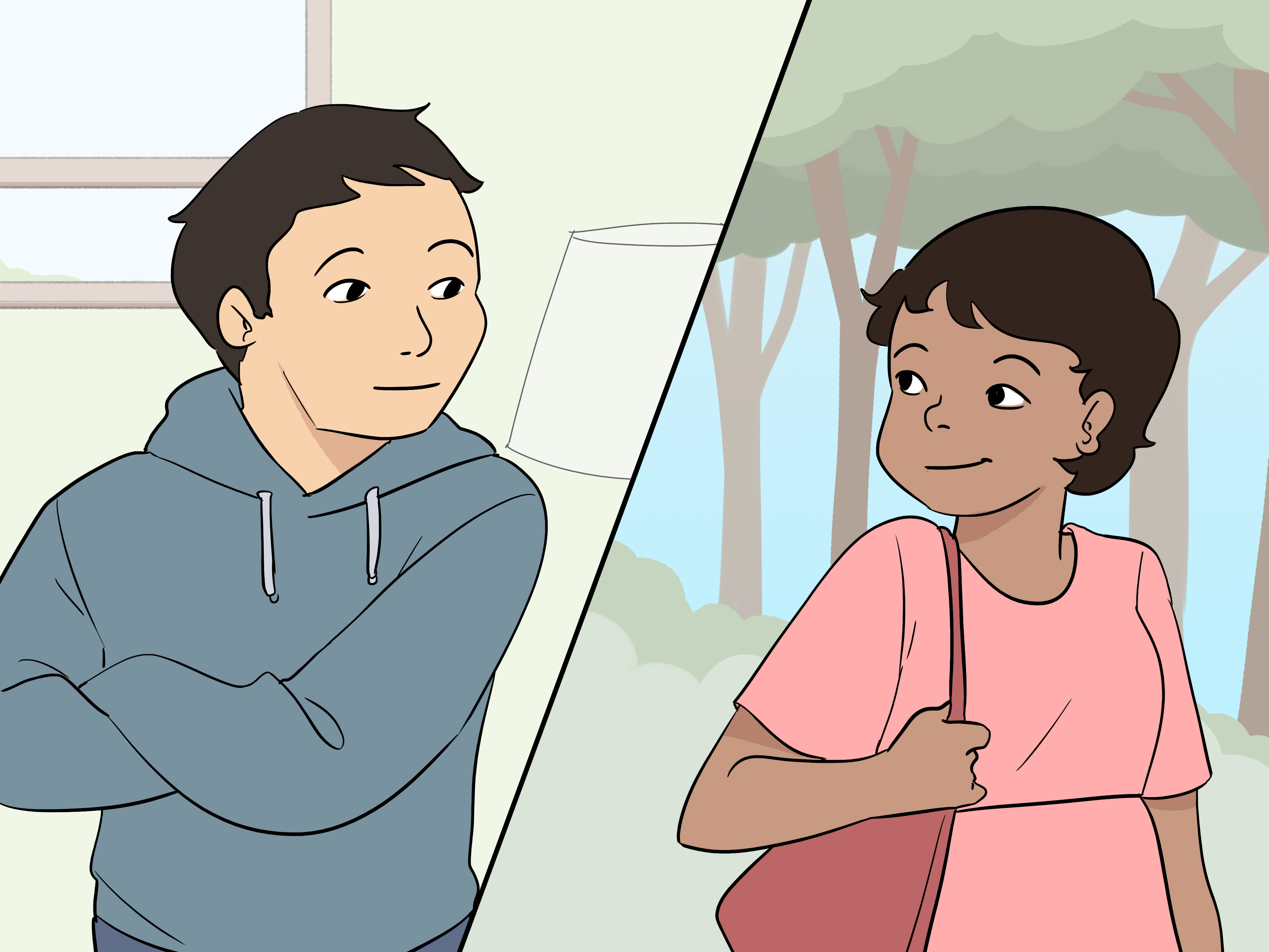
Public-health specialists increasingly use the phrase physical distancing instead. The distinction matters. People may need physical space to reduce infection risk, but they still need friendship, conversation, practical help, and emotional support. In other words, stand farther apart when necessary, but do not socially disappear like a magician who forgot the second half of the trick.
Distancing Is Not the Same as Isolation
Physical distancing is a preventive behavior that anyone may use in a higher-risk situation. Isolation means separating a person who is sick or infected from others, including household members when practical. Quarantine historically referred to restricting movement after an exposure, although current recommendations may differ according to the disease, setting, symptoms, and public-health guidance.
Current U.S. respiratory-virus guidance focuses less on universal distancing rules and more on staying home while actively ill, returning to normal activities after symptoms are improving and fever has resolved for at least 24 hours without fever-reducing medicine, and using added precautions for the following five days. Those precautions may include distancing, masking, testing, hygiene, and improving indoor air.
Why Physical Distance Can Reduce Coronavirus Transmission
COVID-19 is caused by SARS-CoV-2, a respiratory virus that can spread through particles released when an infected person breathes, talks, coughs, sneezes, sings, or exercises. Larger droplets may settle relatively quickly, while smaller airborne particles can remain suspended and accumulate, particularly in poorly ventilated indoor spaces.
Distance helps because the concentration of virus-containing particles is generally highest near the person releasing them. Moving farther away can reduce direct exposure, especially during brief interactions. However, distance is not an invisible force field. Spending hours in a crowded, stuffy room may create more risk than briefly passing someone outdoors, even when everyone carefully measures the space between their shoes.
Research conducted during the pandemic found that greater physical separation was associated with lower transmission risk. A major evidence review reported that keeping at least one meter of distance was more protective than remaining closer, with protection generally increasing as distance increased. Still, no single measurement guarantees safety because ventilation, duration, masks, symptoms, crowding, immunity, and individual health all affect risk.
The Importance of Airflow
Social distancing was sometimes presented as though the virus carried a tiny ruler and stopped traveling at exactly six feet. Airborne transmission is less polite. In an enclosed room, infectious particles can move beyond a fixed radius and build up over time.
That is why ventilation and filtration are essential companions to physical distancing. Opening suitable windows and doors, using exhaust fans, maintaining heating and cooling systems, increasing outdoor-air circulation, and operating properly sized portable air cleaners can reduce airborne contaminants. Ventilation alone cannot eliminate COVID-19 risk, but it can meaningfully strengthen a layered prevention strategy.
How Social Distancing Helped During the Pandemic
It Reduced Opportunities for the Virus to Spread
A respiratory virus needs human contact networks to move through a population. When people canceled large events, reduced travel, worked from home, or avoided crowded indoor settings, the virus had fewer opportunities to jump from one person to another.
This did not mean every distancing policy produced identical results. Timing, public cooperation, housing conditions, workplace protections, financial support, local transmission, and enforcement all influenced effectiveness. A person with a private office could distance more easily than a cashier, caregiver, factory employee, or household sharing limited space. The biology was universal; the ability to avoid exposure was not.
It Helped “Flatten the Curve”
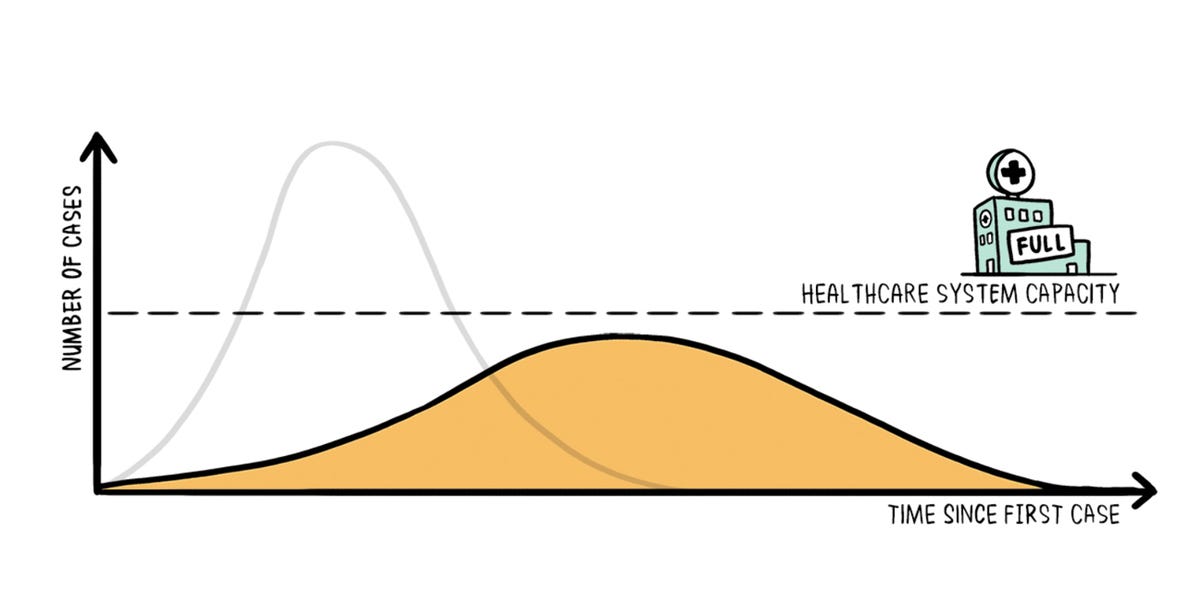
The purpose of flattening the curve was not necessarily to prevent every infection forever. It was to slow transmission so that fewer people became seriously ill at the same time. Spreading cases over a longer period could help hospitals preserve beds, staff, oxygen, medications, and critical-care capacity.
During the early pandemic, this delay also bought time for researchers and health systems to develop diagnostic tests, study treatments, improve clinical care, manufacture protective equipment, and eventually distribute vaccines. Physical distancing was essentially society pressing the brake while science searched for better headlights.
When Does Social Distancing Still Make Sense?
Universal distancing is no longer part of ordinary daily life in most U.S. communities. Nevertheless, choosing additional space remains practical in certain circumstances.
When You Have Respiratory Symptoms
If you have fever, coughing, congestion, a sore throat, unusual fatigue, or other respiratory symptoms, staying home and away from other people is one of the most considerate actions you can take. When contact cannot be avoided, increasing distance, improving ventilation, and wearing a well-fitting mask can reduce the chance of exposing others.
Testing may help distinguish COVID-19 from other respiratory illnesses, particularly when the result could influence treatment or decisions about contact with someone at higher risk. People who may qualify for antiviral treatment should contact a health-care professional promptly because treatment is generally most useful when started early.
When Someone Is at Higher Risk
Older adults, immunocompromised people, pregnant individuals, and people with certain medical conditions may face a higher risk of severe illness. Extra distance can be valuable when respiratory viruses are circulating, when someone in the group recently had symptoms, or when a gathering will occur in a crowded indoor setting.
Protection does not have to mean canceling every visit. Families can meet outdoors, shorten the gathering, open windows, use air filtration, test beforehand, or wear masks during close indoor contact. A slightly altered visit is often better than no connection at all.
In Crowded Indoor Environments
Airports, public transportation, waiting rooms, conferences, concerts, and busy retail spaces bring many people together, sometimes for long periods with uncertain ventilation. Creating more space where practical can reduce close-range exposure. A well-fitting, high-quality mask adds another layer, especially when crowding makes distancing impossible.
Outdoor activities are generally lower risk because moving air dilutes respiratory particles more quickly. That does not make outdoor transmission impossible, but a walk in the park is typically a more favorable setting than a packed, poorly ventilated room.
Practical Social Distancing at Home
When one household member becomes sick, perfect separation may be unrealistic. Homes are not hospitals, children do not always respect imaginary boundary lines, and many families do not have a spare bedroom waiting like a hotel suite.
Useful steps may include:
- Having the sick person sleep in a separate room when possible.
- Limiting prolonged face-to-face contact.
- Opening windows or using exhaust fans when weather and outdoor air quality permit.
- Running an appropriate portable air cleaner.
- Wearing well-fitting masks during shared indoor contact.
- Avoiding shared meals while the person is most likely to be contagious.
- Cleaning hands after handling tissues or respiratory secretions.
- Watching for breathing difficulty or other emergency warning signs.
The goal is risk reduction, not household perfection. Combining several manageable steps is usually more realistic than demanding one flawless measure.
Social Distancing in Workplaces and Schools
Workplaces
Employers can reduce respiratory-virus transmission by encouraging sick workers to stay home, supporting flexible leave, improving ventilation, reducing crowding during outbreaks, and allowing remote work when appropriate. Staggered schedules and virtual meetings may also help when several employees are ill.
Distance should not be used as a substitute for better air or sensible sick-leave policies. Moving desks apart while recirculating stale air and pressuring feverish employees to report for work is less a safety strategy and more an office-themed comedy sketch. OSHA describes ventilation, masking, and other controls as complementary layers rather than isolated solutions.
Schools and Children
Children benefit from in-person education, play, routine, and relationships. Pandemic-era closures demonstrated that infection-control policies can carry academic, developmental, emotional, and economic consequences. When precautions are needed, schools should favor measures that preserve learning and social connection while reducing transmission.
Cleaner air, outdoor activities, reasonable sick policies, access to testing, and temporary masking during outbreaks may be less disruptive than broad, prolonged separation. Children with disabilities, mental-health conditions, food insecurity, or limited access to technology may be especially affected when normal services disappear.
The Mental-Health Cost of Being Apart
Physical distancing reduced infection opportunities, but extended isolation also affected emotional well-being. Many people experienced loneliness, anxiety, grief, disrupted routines, financial stress, and uncertainty. Children and adolescents lost school activities and peer contact. Older adults sometimes faced long periods without visitors. Caregivers tried to manage work, education, household duties, and family health from the same kitchen table.
Research has associated the pandemic period with increased loneliness and mental-health difficulties in adults and children. These effects cannot be blamed on distancing alone; illness, bereavement, employment loss, fear, family strain, and interrupted health care also played major roles. Still, the experience showed that infection prevention must account for psychological and social health, not only viral transmission.
Safer connection may include outdoor visits, regular phone calls, video chats, neighborhood support networks, online counseling, small-group activities, or practical help delivered without prolonged close contact. Physical space can protect lungs; meaningful connection helps protect the rest of the person.
Common Myths About Coronavirus and Social Distancing
Myth: Six Feet Guarantees Safety
Six feet was a useful public shorthand, not a guarantee. Greater distance can reduce close-range exposure, but indoor air, time, crowding, masks, and ventilation also matter.
Myth: Distance Makes Masks or Ventilation Unnecessary
No single prevention measure is perfect. In a high-risk indoor setting, distance, cleaner air, and a well-fitting mask can work together. Layering protection is much like carrying both an umbrella and waterproof shoes: one helps, but the combination is less soggy.
Myth: Social Distancing Means Cutting Off Human Contact
The better goal is physical distance when risk is elevated while preserving social support. Calling a friend, helping a neighbor, or visiting outdoors can maintain connection without creating the same exposure as prolonged close contact in a closed room.
Myth: Distancing Is Either Mandatory Everywhere or Completely Useless
Risk is not binary. Distancing can be unnecessary in one situation and valuable in another. A healthy group meeting outdoors is different from a symptomatic person visiting an immunocompromised relative in a small room. Context matters more than slogans.
A Balanced Approach to COVID-19 Risk
The most sustainable approach is flexible rather than fearful. Consider who is present, whether anyone has symptoms, how crowded the setting is, how long the interaction will last, whether the space is indoors, and how well the air is moving.
For a low-risk outdoor gathering, no special distancing may be needed. For a crowded indoor event during a rise in respiratory illness, creating space and wearing a mask may be reasonable. After recovering from symptoms, temporary added precautions can help protect coworkers, relatives, and strangers who may be medically vulnerable.
People should follow current public-health recommendations and consult a qualified clinician for individualized medical guidance. COVID-19 prevention is not about achieving zero risk. It is about making informed choices that lower avoidable risk while allowing life, work, education, and relationships to continue.
Conclusion
Coronavirus changed how the world understood personal space. Social distancing helped slow transmission during the most uncertain stages of the pandemic, reduced some pressure on health systems, and bought valuable time for scientific progress. It also revealed how difficult prolonged separation can be, especially for children, older adults, essential workers, caregivers, and people living alone.
The lasting lesson is not that everyone must remain six feet apart forever. It is that physical distance can be a useful, adjustable tool. When combined with cleaner air, staying home when sick, masks, testing, treatment, and thoughtful communication, it can help protect vulnerable people without abandoning social connection.
Experiences and Lessons From Social Distancing
The following are composite experiences based on common situations encountered during the COVID-19 pandemic. They illustrate practical lessons rather than describing one specific person.
The Family Birthday That Moved to the Driveway
One family had planned a crowded indoor birthday dinner for a grandfather with several health conditions. Two days before the party, a relative developed a scratchy throat. In the pre-pandemic era, the group might have dismissed it as “probably allergies,” which is the unofficial national anthem of inconvenient symptoms.
Instead of canceling everything, the family changed the plan. The symptomatic relative stayed home and joined by video. Everyone else met in the driveway, spaced the chairs naturally, served individual portions, and kept the visit shorter than usual. The party was not picture-perfect. Paper plates attempted escape in the wind, and the candles needed three dramatic relightings. Still, the grandfather participated without being placed in unnecessary close contact with someone who might have been contagious.
The lesson was simple: distancing did not have to eliminate the event. A few adjustments preserved the celebration while lowering risk.
The Office Where Everyone Was “Too Essential” to Be Sick
At a small office, employees had learned to come to work through colds, headaches, and fevers. Attendance was treated as evidence of dedication. During one winter, a worker arrived coughing because an important deadline was approaching. Within days, several coworkers were ill.
Management eventually changed its approach. Employees could join meetings remotely, deadlines were reassigned when someone became sick, and air filters were upgraded. During periods of increased respiratory illness, staff members spread out in meeting rooms and avoided gathering shoulder-to-shoulder around one laptop.
The biggest improvement was not a tape line on the floor. It was removing the expectation that sick people must appear in person to prove their commitment. Distance worked because it was supported by policy, ventilation, and a little common sense.
The Older Neighbor Who Needed More Than Groceries
An older adult living alone received regular grocery deliveries from neighbors during periods of high transmission. The bags appeared faithfully at the door, but conversations became quick waves through a window. His physical needs were being met, yet loneliness gradually became the larger problem.
The neighbors began scheduling outdoor coffee visits. They sat several feet apart on the porch, brought their own mugs, and called by phone when weather made an outdoor visit impossible. These small routines created something to anticipate each week.
The experience showed why “physical distancing” is a better phrase than “social distancing.” Protection from infection should not require emotional abandonment. Delivering soup is helpful; staying for a safe conversation may matter just as much.
The Household That Could Not Separate Perfectly
In another home, a parent tested positive for COVID-19, but the family lived in a small apartment with one bathroom. Advice about using a separate bedroom and bathroom sounded excellent in theory and slightly fictional in practice.
The family focused on what they could control. They opened windows for short periods, ran a portable air cleaner, avoided eating together temporarily, wore masks during close contact, and cleaned their hands regularly. The sick parent rested in one area of the apartment while other family members spent more time in another.
No measure was perfect, but the household did not abandon precautions merely because ideal isolation was impossible. That may be the most useful lesson from the entire pandemic: risk reduction is not an all-or-nothing exam. Practical layers still count, even when nobody earns a perfect score.
Research note: This educational article synthesizes current and historical information from the CDC, NIH and NIMH, EPA, OSHA, Johns Hopkins Medicine, Mayo Clinic, Cleveland Clinic, Yale Medicine, Harvard Health, the American Academy of Pediatrics, the American Psychological Association, and peer-reviewed research indexed by PubMed Central. Guidance may change as evidence and respiratory-virus conditions evolve.