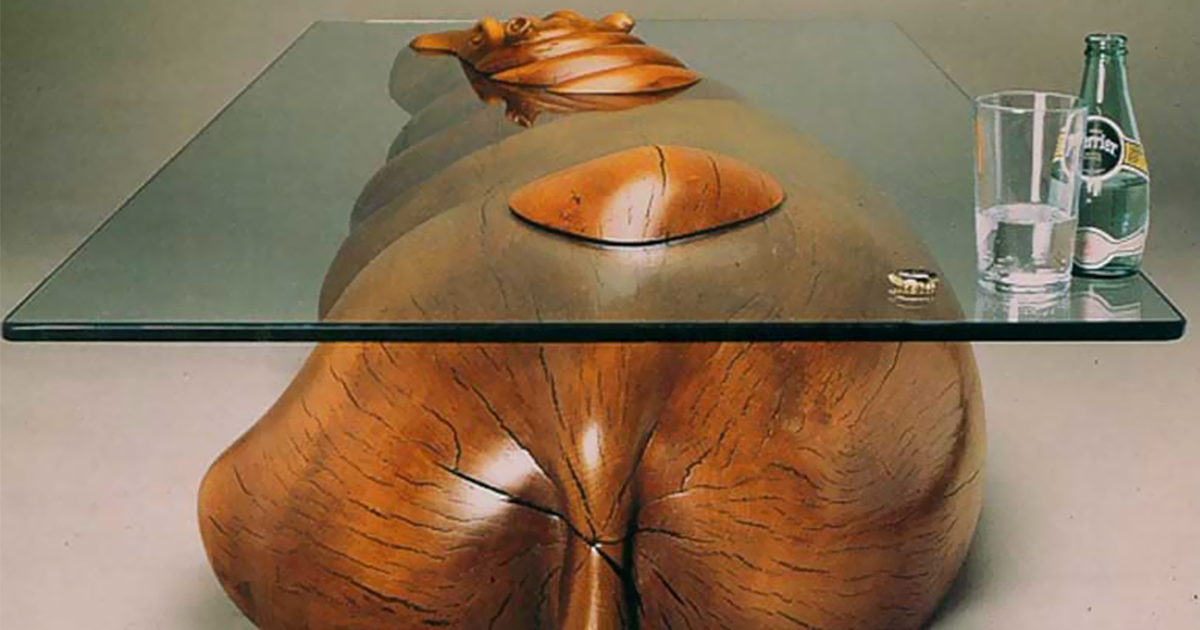
Some furniture politely holds your coffee. Other furniture walks into the room, splashes imaginary lake water on the rug, and makes every guest say, “Wait… is that a hippo under the glass?” That is the charm of clever tables that create an illusion animals are emerging from water. They are not just coffee tables; they are conversation traps in the best possible way.
These imaginative pieces are most closely associated with artist and designer Derek Pearce, whose famous “Water Tables” use glass as the visual surface of a pond, river, or sea. Beneath and above that transparent plane, sculpted animals appear to swim, dive, float, or rise through the “water.” A hippopotamus seems to rest beneath the surface. A dolphin appears mid-leap. Ducks glide through a tabletop pond. An otter lounges between rocks as if it owns the living roomand honestly, it does.
The result is a clever blend of animal sculpture, glass furniture, optical illusion, and functional art. It gives homeowners something rare: a table that is useful, beautiful, funny, and slightly magical. In a design world full of beige rectangles and furniture named after Scandinavian weather patterns, these animal water tables feel like a breath of fresh air.
What Are Animal Water Illusion Tables?
Animal water illusion tables are sculptural coffee tables designed so that a glass tabletop represents the surface of water. The animal sculpture is arranged partly above and partly below the glass, creating the appearance that the creature is emerging from, diving into, or floating through water.
The idea sounds simple, but the execution is surprisingly sophisticated. The glass must be clear enough to feel like water, strong enough to function as a table, and positioned precisely so the animal looks naturally interrupted by the surface. The sculpture must carry visual weight, support the tabletop, and tell a story from every viewing angle.
That is why these tables work so well. They combine three things people instantly understand: animals, water, and surprise. The viewer does not need an art degree to enjoy them. A child sees a duck pond. A design lover sees craftsmanship. A tired adult sees a place to put coffee and briefly pretend life is whimsical again.
The Genius Behind the Illusion
The magic of these tables comes from a visual trick similar to trompe-l’oeil, the art tradition that “fools the eye.” Instead of painting a fake window on a wall or making a flat surface look three-dimensional, these tables use real three-dimensional sculpture to create an impossible scene. The glass becomes a boundary between two worlds: the room above and the imaginary water below.
In many designs, the animal’s body is split visually by the tabletop. A hippo’s head and rear may appear above the glass while the body sits below it. A dolphin’s body curves through the tabletop as though it has just broken the surface. A frog perched on rocks seems to live at the edge of a private indoor pond. The glass does not merely support objects; it becomes part of the artwork.
This is why the illusion feels satisfying. The eye completes the missing story. We know the glass is not water, but our brain happily plays along. The table says, “This is furniture.” The animal says, “No, this is a lake.” The room becomes more interesting because both statements feel true at once.
Why Glass Works So Well as “Water”
Glass is the secret ingredient. A wooden tabletop would ruin the illusion immediately. A stone slab would look too heavy. But transparent glass has the shimmer, smoothness, and reflective quality people already associate with water. It catches light. It reveals what is beneath it. It can seem almost invisible from some angles and mirror-like from others.
When used in animal coffee tables, glass turns into a visual surface. It suggests still water without needing blue dye, fake waves, or decorative gimmicks. The design stays elegant because the viewer supplies the meaning. That restraint is important. A table shaped like a cartoon pond might feel childish. A sculpted animal beneath clear glass feels clever, artistic, and grown-upwith just enough mischief to keep the room from taking itself too seriously.
Popular Animal Designs: From Hippos to Dolphins
The Hippo Table
The hippo table is perhaps the most iconic example. A hippopotamus is already an animal strongly associated with water, so the illusion feels natural. Its eyes, ears, and rounded back emerging through glass instantly call to mind a hippo resting in a river. The humor comes from scale and personality. A hippo in the living room is absurd, but a hippo pretending to be a coffee table is somehow perfect.
The Dolphin Table
Dolphin designs often feel more dynamic. Where the hippo is calm and grounded, the dolphin suggests motion. It can appear to leap through the tabletop, creating the sensation of movement in a still object. This makes dolphin tables especially effective in modern interiors, coastal homes, or spaces where the owner wants a dramatic centerpiece.
The Otter Table
The otter table brings a softer, more playful mood. Otters already have a reputation for floating, lounging, and looking unfairly relaxed. When an otter appears under a glass surface, the table feels cheerful and slightly cheeky. It is the kind of design that makes guests smile before they even sit down.
The Frog and Duck Tables
Frogs and ducks make the illusion feel more like a pond scene. A frog resting on rocks beside the glass can turn the table into a miniature wetland. Ducks passing through the surface create a charming, storybook effect. These designs work especially well in sunrooms, cabins, garden-inspired interiors, and homes that embrace natural textures.
Functional Art: When Furniture Becomes a Story
What separates these clever animal tables from ordinary novelty furniture is that they remain functional. They still serve as coffee tables. They still hold books, mugs, remote controls, and the occasional snack plate that someone swears they are “just having one bite” from. But they also operate as sculpture.
This dual identity matters. Functional art succeeds when usefulness and imagination support each other instead of fighting. A table that looks amazing but cannot be used becomes a museum piece. A table that functions well but has no personality becomes background noise. Animal water illusion tables sit happily in the middle. They are practical enough for daily life and artistic enough to anchor a room.
They also create instant storytelling. People do not simply ask, “Where did you buy that?” They ask, “How does that work?” or “Is the animal part of the table?” or “Can I take a picture?” That kind of reaction is interior design gold. A home becomes memorable when it contains at least one object with a story.
Why These Tables Fit Modern Interior Design
At first glance, an animal emerging from a table might sound too eccentric for modern decor. But these designs can fit surprisingly well into contemporary interiors because they rely on clean visual elements: transparent glass, sculptural form, negative space, and natural inspiration.
In a minimalist room, a water illusion table becomes the single dramatic focal point. In a rustic home, a carved wooden animal can connect beautifully with exposed beams, natural fibers, and stone accents. In a coastal living room, a dolphin or seal design can echo the ocean without resorting to seashell overload. In an eclectic space, the table simply joins the party and probably becomes the guest of honor.
The key is balance. Because these tables are visually strong, they need breathing room. Crowding them with too many decorative objects weakens the illusion. A few carefully chosen books, a simple tray, or nothing at all may be enough. Let the animal do the talking. It has been holding up your coffee; it deserves the spotlight.
The Biophilic Appeal: Bringing Nature Indoors
Part of the appeal also connects to biophilic design, a design approach that uses natural forms, materials, light, and patterns to strengthen our connection with nature indoors. These tables do not bring actual water or wildlife into the home, thankfullyno one wants to explain a real hippo to the landlordbut they do bring nature-inspired storytelling into everyday space.
The animal forms, implied water surface, organic movement, and sculptural material all create a visual connection to the natural world. This is especially powerful in urban homes where people may spend long hours surrounded by screens, walls, and traffic noise. A table that suggests a quiet pond or playful river scene can soften a room emotionally, even when it is made from solid materials.
That is the clever part. The table is not pretending to be a plant wall or indoor fountain. It is more subtle. It gives the feeling of nature through metaphor. It says, “Imagine water here.” The brain accepts the invitation.
Materials: Wood, Resin, Bronze, Stone, and Tempered Glass
Animal water tables may be made from several materials, depending on the artist, budget, and desired effect. Wood gives warmth and natural grain, making each carved animal feel alive and individual. Resin allows for cast editions and smoother production, often making designs more accessible. Bronze adds permanence, weight, and a gallery-level sense of luxury. Stone or rock elements can help frogs, otters, and pond animals feel grounded in a natural setting.
The tabletop is typically glass, often tempered glass for strength and safety. For a piece meant to function as a table, durability matters. The best examples are not flimsy decorative props; they are carefully engineered objects. The sculpture must support the glass securely, and the glass must be sized and finished properly for regular use.
For buyers, this means craftsmanship is more important than novelty. A cheap imitation may look amusing in a photo but disappointing in person. A well-made sculptural table has clean joins, stable support points, balanced proportions, and a convincing relationship between animal and glass.
How to Style an Animal Water Illusion Table
Styling one of these tables requires restraint, which is difficult for anyone who owns seven decorative candles and believes every flat surface is an opportunity. But the table already has a strong identity. The goal is to enhance the illusion, not bury it under magazines, coasters, and that mysterious charging cable nobody recognizes.
Use low-profile decor. A single art book, a ceramic bowl, or a small plant can work well. Avoid tall arrangements that block the view of the glass surface and animal sculpture. Keep the area beneath the table visible, especially if the animal’s body is part of the illusion below the glass.
Lighting also matters. Natural light can make the glass sparkle like water, while warm evening lighting can create dramatic shadows. Positioning the table near a window or under a well-placed pendant light can strengthen the effect. If the room has a rug, choose one that does not visually compete with the sculpture. Simple textures usually work better than busy patterns.
Who Should Consider This Kind of Table?
These tables are ideal for homeowners who want a statement piece with personality. They appeal to animal lovers, art collectors, design enthusiasts, and anyone tired of furniture that looks like it was designed during a meeting about spreadsheets.
They are especially effective in living rooms, reading corners, gallery-like spaces, boutique hotels, creative offices, lake houses, and coastal homes. They can also work beautifully in children-friendly family spaces, provided the glass and structure are safe and the household understands that “table” does not mean “jungle gym.”
However, they are not for everyone. If your style is ultra-formal, extremely traditional, or allergic to humor, an otter floating through your coffee table may feel like too much. But for many homes, that touch of surreal charm is exactly what makes the room feel human.
Buying Tips for Animal Illusion Coffee Tables
Before choosing a clever table that creates an illusion animals are emerging from water, consider scale first. These pieces often have sculptural bases that need room. Measure your seating area carefully and leave enough walking space around the table.
Next, study the viewing angles. A great illusion table should look interesting from multiple sides, not just from the front. Check how the animal connects with the glass. Does it truly appear to pass through water, or does it look like a sculpture awkwardly trapped under a windowpane?
Also consider maintenance. Glass shows fingerprints, dust, and snack evidence with brutal honesty. If your home includes small children, large dogs, or adults who gesture wildly while holding coffee, choose a sturdy design and keep sharp edges in mind. Ask about glass thickness, support structure, weight limits, and cleaning instructions.
Finally, think about emotional fit. A hippo table feels humorous and bold. A dolphin feels energetic. A seal or otter feels relaxed and playful. A frog feels earthy and pond-like. The right animal should match the personality of the roomand maybe the personality of the owner. Some people are dolphins. Some are otters. Some are definitely hippos before morning coffee.
Why We Love Furniture That Surprises Us
Surprising furniture reminds us that daily objects do not have to be dull. A table can be more than a surface. A chair can be more than a place to sit. A lamp can be more than a glowing stick in the corner. Good design solves practical problems; great design also creates emotion.
Animal water illusion tables succeed because they offer delight without demanding too much explanation. They are clever but not cold. Artistic but not pretentious. Funny but not silly. They invite people to pause, look twice, and enjoy the small pleasure of being fooled.
In a home, that matters. Rooms should not only impress visitors; they should reward the people who live there every day. A sculptural table that looks like an animal is emerging from water can turn an ordinary Tuesday into a tiny design adventure. And frankly, Tuesday needs all the help it can get.
Personal Experience: Living With the Idea of a Water Illusion Table
Imagine walking into a living room after a long day and seeing a glass coffee table that looks as if a calm hippo has surfaced in the center of the space. The first reaction is usually surprise. The second is amusement. The third is a strange desire to name the hippo and apologize for putting a mug on its back.
That is the emotional power of this topic. Clever tables that create an illusion animals are emerging from water do not behave like ordinary furniture. They become part of the household atmosphere. People gather around them differently. Guests lean closer. Children invent stories. Adults who normally discuss weather and traffic suddenly become art critics, marine biologists, and comedians in the same conversation.
In a real home setting, the experience would depend heavily on placement. Put a dolphin table in a bright room with sunlight moving across the glass, and the piece could feel energetic, almost cinematic. Place an otter table in a cozy reading corner, and it would create a softer mood, as if the room has decided to relax before you do. A frog-and-rock table near plants would feel like a miniature pond scene, especially if surrounded by natural textures like linen, rattan, wood, or stone.
One of the best things about this type of furniture is that it gives people permission to be playful with design. Many homeowners worry that “good taste” means everything must be serious, neutral, and expensive-looking. But a memorable home usually has at least one object that breaks the rules gracefully. An animal water table does exactly that. It says, “Yes, this is a designed space, but nobody here is afraid of joy.”
There is also a practical experience to consider. A glass-topped sculptural table encourages tidiness because clutter weakens the illusion. You become more aware of what you place on it. A mountain of mail would ruin the peaceful pond effect. A laptop, three mugs, and a half-empty bag of chips would make the hippo look like it has taken an office job. In that sense, the table gently trains the room to stay visually calm.
The maintenance experience is not mysterious: glass needs cleaning. Fingerprints will appear. Dust will gather. But that small upkeep may be worth it because the table rewards attention. When cleaned and lit properly, the glass surface regains that water-like quality. The animal appears to re-enter the scene, and the illusion comes alive again.
From a guest’s perspective, this table is unforgettable. People may not remember the exact sofa fabric or wall color, but they will remember the coffee table with the duck swimming through it. That makes it valuable not only as furniture but as identity. It tells visitors that the homeowner appreciates craft, humor, nature, and imagination.
Most importantly, these tables make a room feel less predictable. Homes are full of repeated objects: square tables, rectangular shelves, straight sofas, flat screens. An animal emerging from glass interrupts all that geometry with movement and character. It brings a little wilderness into domestic life without requiring actual mud, mosquitoes, or a wildlife permit.
That may be why the idea continues to fascinate people. The illusion is simple, but the feeling is rich. It mixes art, nature, function, and fun in one object. It reminds us that design can be clever without being complicated. And it proves that sometimes the best way to improve a living room is to add a hippopreferably one made of sculpture, not one requiring breakfast.
Conclusion
Clever tables that create an illusion animals are emerging from water are more than quirky furniture. They are sculptural stories, optical illusions, and functional art pieces that bring surprise into everyday interiors. By using glass as a water surface and animal forms as both structure and narrative, these tables transform a practical object into a moment of wonder.
Whether the design features a hippo, dolphin, otter, seal, frog, or duck, the effect is the same: the room becomes more alive. These tables appeal to our love of nature, our appreciation for craftsmanship, and our secret hope that furniture does not always have to behave itself. For homeowners who want a bold centerpiece with humor, beauty, and unforgettable personality, an animal water illusion table is hard to beat.