Note: This publish-ready article is based on current U.S. real estate, remodeling ROI, flooring durability, kitchen and bath trend, and tile industry guidance, without inserting source links into the content.
Choosing tile for reselling your home sounds simple until you are standing in a tile showroom, surrounded by 400 shades of “warm white,” 17 versions of beige, and one dramatic emerald fish-scale tile whispering, “Pick me, I’m fabulous.” The problem is not that trendy tile is bad. The problem is that resale design is not only about what you love today. It is about what a future buyer can imagine living with tomorrow.
Tile has serious influence over how buyers judge a home. It appears in kitchens, bathrooms, laundry rooms, mudrooms, fireplaces, entryways, patios, and sometimes in that one ambitious DIY backsplash from 2009 that everyone politely pretends not to see. Because tile is expensive and labor-intensive to replace, buyers often treat it as a clue: Is this house well maintained? Is it move-in ready? Will I need to spend money immediately? That is why the timeless-versus-trendy decision matters.
The best tile for resale is not always the fanciest tile. In many cases, it is the tile that feels clean, durable, neutral, easy to maintain, and appropriate for the style of the home. Trendy tile can absolutely work, but it should be used with strategy. Think of it like hot sauce: excellent in the right amount, alarming when poured over everything.
Why Tile Matters So Much When Selling a Home
Real estate agents often talk about kitchens and bathrooms as “money rooms” because buyers pay close attention to them. A dated kitchen or bathroom does not always kill a sale, but it can make buyers mentally subtract money from their offer. If the floor tile is cracked, the grout is stained, or the shower looks like it belongs in a time capsule, buyers start calculating renovation costs before they have even opened the closet doors.
Tile also affects first impressions because it is permanent-looking. Paint can be changed in a weekend. Cabinet hardware can be swapped before dinner. Tile, however, involves demolition, dust, labor, waterproofing, cutting, setting, grouting, sealing, and possibly saying words your grandmother would not approve of. Buyers know this. When tile looks fresh and broadly appealing, it helps the home feel cared for. When it looks too personal or worn out, it can become a negotiation point.
Timeless Tile: The Safe Bet for Resale
Timeless tile is not boring tile. It is tile with staying power. It usually relies on neutral colors, classic shapes, quality materials, balanced scale, and simple layouts. The goal is to create a backdrop that feels fresh now and still respectable five or ten years from now.
Classic Colors That Buyers Understand
For resale, neutral colors remain the strongest foundation. White, ivory, cream, greige, soft gray, beige, taupe, charcoal, and warm stone tones all tend to perform well because they give buyers flexibility. A buyer can imagine their towels, rugs, furniture, and decor working in the space. That mental picture is valuable. When buyers can see themselves in a home, they are less likely to focus on what they would immediately change.
Light neutrals are especially effective in bathrooms and kitchens because they make spaces feel clean and larger. Warm neutrals are also gaining favor because they avoid the cold, sterile feeling that some all-gray interiors developed over the past decade. A creamy white shower tile with a subtle texture, for example, can feel modern without screaming, “I was installed during one very specific design moment.”
Shapes That Age Gracefully
Subway tile, square tile, hexagon tile, penny tile, marble-look porcelain, stone-look porcelain, and large-format tile all have strong timeless potential. Subway tile remains popular because it is simple, affordable, and adaptable. A traditional 3-by-6 white subway tile still works, but larger subway formats, vertical stacks, and handmade-look edges can modernize the classic without making it too risky.
Hexagon tile is another good example. Small black-and-white hex floors feel historic in older homes. Larger hex tiles in soft gray, stone, or matte white can work in modern bathrooms. The key is keeping the color palette grounded. A calm hex tile says “thoughtful design.” A neon patterned hex tile may say “future price reduction.”
Materials That Signal Quality
Porcelain tile is one of the strongest resale-friendly choices because it is durable, water-resistant, stain-resistant, and available in designs that mimic stone, marble, concrete, wood, and handmade ceramic. Ceramic tile is often a budget-friendly choice for walls and backsplashes. Natural stone can look luxurious, but it needs more maintenance and may not be ideal for every buyer. If the goal is broad appeal, porcelain with a natural stone look often delivers the beauty without the care anxiety.
Large-format porcelain is especially useful in bathrooms because it reduces grout lines. Fewer grout lines mean easier cleaning and a calmer visual effect. Buyers may not know the technical reason they like it, but they often respond to the spa-like, low-maintenance impression.
Trendy Tile: The Temptation With a Time Limit
Trendy tile brings personality. It can make a listing photo pop, give a small powder room charm, and help a home stand out from all the beige boxes online. But trends move quickly. Today’s “designer statement” can become tomorrow’s “why is the laundry room wearing a costume?”
Current tile trends include zellige-style tiles, bold checkerboards, terracotta tones, high-gloss finishes, dramatic veining, geometric patterns, fluted textures, earthy greens, warm browns, handmade-look surfaces, and colorful backsplashes. Many of these can be beautiful. Some may even become classics. The resale question is not whether they look good in a magazine. The question is whether they will help or limit the buyer pool in your specific home and market.
Where Trendy Tile Works Best
Trend-forward tile works best in smaller, lower-risk areas. A powder room floor, a laundry room backsplash, a fireplace surround, a kitchen backsplash, or a shower niche can handle more personality than an entire open-concept main floor. These areas are easier and less expensive to change, so buyers are less likely to panic if the design is not exactly their taste.
For example, a soft sage zellige-style backsplash in a white kitchen can feel warm, current, and memorable. A whole primary bathroom covered floor-to-ceiling in glossy cobalt blue tile is a much bigger bet. It might delight one buyer and terrify five others. Resale design is a popularity contest, and your tile is campaigning.
How to Use Trendy Tile Without Scaring Buyers
The trick is to pair trendy elements with timeless anchors. If you want a handmade-look tile, choose it in white, cream, taupe, or soft green rather than an intense color. If you love checkerboard, use a muted stone palette instead of harsh black and white in a small space. If you want dramatic veining, consider a porcelain slab or large-format tile in a bathroom feature wall while keeping the floor quiet.
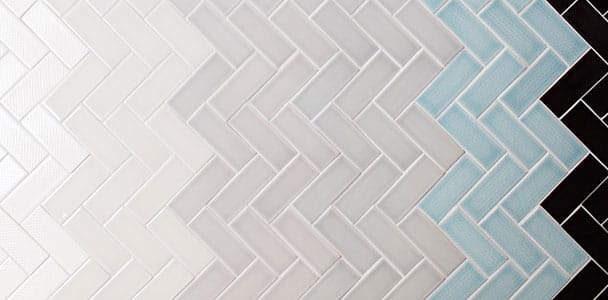
Another smart approach is to let pattern come from layout rather than color. A herringbone subway backsplash, vertical stacked tile, or subtle basketweave floor can create visual interest while staying neutral. Buyers get style without feeling trapped inside your Pinterest board.
Room-by-Room Tile Choices for Resale
Kitchen Backsplash
The kitchen backsplash is the perfect place for controlled personality. It is visible in listing photos, but it is not as expensive to replace as flooring. For resale, the safest choices include white subway tile, creamy handmade-look ceramic, marble-look porcelain, soft gray tile, warm taupe tile, or a simple slab-style backsplash that coordinates with the countertop.
Avoid overly busy mosaics, tiny glass strips, metallic tiles used across a large area, and very bold colors unless they clearly fit the home’s architecture and local market. If the countertop already has strong movement, keep the backsplash quiet. Two divas in one kitchen rarely share the spotlight gracefully.
Bathroom Floors
Bathroom floor tile should be durable, slip-conscious, and easy to clean. Matte porcelain, stone-look porcelain, small hex tile, and classic mosaics work well. In wet areas, pay attention to texture and slip resistance. Glossy bathroom floors may look glamorous until someone steps out of the shower and performs an accidental ice-skating routine.
For resale, bathroom floors should coordinate with the vanity, wall color, shower tile, and fixtures. A soft neutral floor creates a calm base. If you want contrast, a charcoal or black-and-white pattern can work beautifully, especially in traditional, transitional, or historic-inspired homes.
Showers and Tub Surrounds
Shower tile should make buyers think “clean, fresh, and low maintenance.” Large-format porcelain, classic subway tile, marble-look tile, and soft textured neutrals are strong choices. Consider using a slightly more decorative tile in the niche or on one feature wall, but keep the main field tile simple.
Large showers, curbless entries, built-in benches, and minimal grout lines are popular because they support comfort, accessibility, and easy cleaning. If your budget allows, the quality of waterproofing and installation matters more than the trendiness of the tile. A beautifully installed simple shower beats a poorly installed designer tile every time.
Entryways, Mudrooms, and Laundry Rooms
These hardworking spaces need tile that can handle shoes, pets, backpacks, dropped detergent caps, and whatever mysterious substance children track in from the yard. Porcelain is usually a strong option. Stone-look, slate-look, concrete-look, and warm neutral tiles create a durable impression without drawing too much attention.
Patterned tile can be fun in a laundry room or mudroom, but resale strategy still applies. Choose a pattern that complements the home, not one that looks like it wandered in from a completely different house. Cohesion matters.
The Biggest Tile Mistakes Sellers Make
Choosing Tile Only for Personal Taste
Your favorite tile may be gorgeous, but when selling, the buyer’s imagination is the priority. If you adore purple Moroccan-patterned tile, enjoy it in your forever home. If you are selling in eighteen months, consider a neutral tile and bring in purple through towels, art, or accessories that can leave with you.
Mixing Too Many Tile Styles
A home with five different tiles in five nearby spaces can feel visually chaotic. Buyers may not describe it that way, but they feel it. Too many finishes make the house seem patched together. For resale, repeat tones and materials where possible. If the kitchen uses warm marble-look porcelain, the adjacent powder room can echo that warmth rather than introducing a cold gray pattern out of nowhere.
Ignoring Grout Color
Grout can quietly make or break tile. High-contrast grout emphasizes pattern and can look sharp, but it also dates a space faster. Matching or slightly contrasting grout is usually safer for resale because it creates a softer, cleaner appearance. In showers and floors, stain-resistant grout is worth considering because fresh-looking grout sends a strong maintenance signal.
Installing Expensive Tile in the Wrong Place
Luxury tile does not automatically create luxury value. A high-end tile in a low-visibility laundry closet may not influence buyers much. Meanwhile, a modest but fresh backsplash in the kitchen may improve the whole first impression. Spend where buyers look first: kitchens, primary bathrooms, guest baths, entries, and highly photographed spaces.
Timeless vs. Trendy: A Practical Decision Framework
Before choosing tile, ask three questions. First, how soon will you sell? If you are listing within one to three years, lean timeless. If you plan to stay longer, you can enjoy more personal choices while still keeping permanent surfaces reasonable. Second, how expensive would it be to replace? The larger and more labor-intensive the area, the safer the tile should be. Third, does the tile match the home? A sleek concrete-look tile may suit a modern condo, while a classic mosaic may flatter a Craftsman or Colonial.
Also consider your local market. In warm climates, tile flooring may be expected in more areas of the home. In colder markets, buyers may prefer tile in bathrooms, mudrooms, and laundry rooms but want wood or engineered wood in living spaces. In luxury neighborhoods, buyers may expect higher-end materials and cleaner installation details. In first-time buyer markets, practical, move-in-ready finishes can matter more than designer risks.
Best Tile Choices for Resale Value
For most sellers, the strongest tile choices include matte porcelain floors in neutral stone tones, white or warm neutral subway tile, marble-look porcelain, large-format shower tile, classic hex bathroom floors, soft handmade-look backsplash tile, and simple patterns used sparingly. These options balance beauty, durability, and broad appeal.
That does not mean your home has to look like a hotel hallway. Add warmth through wood vanities, brushed or matte fixtures, layered lighting, soft paint colors, plants, towels, mirrors, and hardware. Tile should support the room, not perform a solo concert with pyrotechnics.
When Trendy Tile Can Actually Help a Sale
Trendy tile can help when it makes the home feel updated, intentional, and memorable without overwhelming the buyer. A stylish backsplash can make an older kitchen feel fresh. A patterned powder room floor can create charm. A textured neutral shower wall can add depth. A warm terracotta laundry floor can make a utility space feel designed instead of forgotten.
The secret is restraint. Use trend as seasoning. Keep the expensive, permanent surfaces flexible. If a trend supports the architecture and color story of the home, it can be an asset. If it exists only because it was popular on social media last Tuesday, think carefully before installing 300 square feet of it.
of Real-World Experience: What Tile Teaches You Before Resale
One of the most useful lessons from preparing homes for resale is that buyers rarely respond to tile in isolation. They respond to the feeling of the room. A simple white shower tile can look expensive when the grout is clean, the glass is spotless, the lighting is warm, and the fixtures are updated. Meanwhile, an expensive imported tile can look disappointing if the cuts are sloppy, the grout lines wander, or the rest of the bathroom feels neglected. Tile is not magic. It is part of a system.
In many resale situations, the most successful tile updates are not dramatic. They are practical. Replacing a dated backsplash with a clean neutral tile can make a kitchen feel ten years younger. Regrouting a shower can make buyers stop worrying about hidden moisture problems. Swapping cracked entry tile for durable porcelain can make the home feel better maintained before the buyer has even reached the living room. These are not glamorous upgrades, but they work because they reduce buyer objections.
Another experience-based rule: do not underestimate lighting. Tile that looks soft and warm in a showroom can look dull under weak yellow bulbs or icy under harsh blue-white lighting. Before committing, bring samples home. Place them next to the cabinets, countertops, paint, flooring, and fixtures. Look at them in morning light, afternoon light, and evening artificial light. Tile is a long-term relationship. You should meet it in different moods before signing the papers.
Scale also matters more than many homeowners expect. Tiny mosaics can feel busy in a large room. Oversized tiles can look awkward in a small bathroom if they create strange cuts around corners. A tile that works beautifully in a designer photo may not work in your exact layout. Good installers often provide valuable advice here. Listen to them. They know where the weird cuts will land, and they have seen enough shower niches to deserve emotional support.
For resale, the best tile experiences usually come from choosing one feature and letting everything else support it. If the floor has pattern, keep the walls simple. If the shower wall has movement, calm down the floor. If the backsplash is handmade-looking and textured, choose a countertop that does not compete. Buyers love homes that feel designed, but they do not want every surface shouting for attention.
Finally, remember that “timeless” does not mean “cheap” and “trendy” does not mean “wrong.” The smartest resale tile choices live in the middle: classic enough to appeal to many buyers, current enough to avoid looking stale, durable enough to survive daily life, and cohesive enough to make the home feel intentional. When in doubt, choose quality installation, neutral warmth, easy maintenance, and one small moment of personality. That combination rarely goes out of style.
Conclusion: Choose Tile That Helps Buyers Say Yes
When choosing tile for reselling your home, timeless usually beats trendy for large, expensive, permanent areas. Neutral porcelain floors, classic bathroom tile, simple kitchen backsplashes, and low-maintenance shower surfaces help buyers focus on the home rather than the renovation list in their head.
Trendy tile still has a place, but it should be used with discipline. A stylish accent can make a home feel fresh and memorable. Too much personality can shrink your buyer pool. The winning strategy is to create a home that feels clean, current, durable, and easy to personalize. In other words, give buyers just enough style to fall in loveand enough flexibility to imagine their own life there.