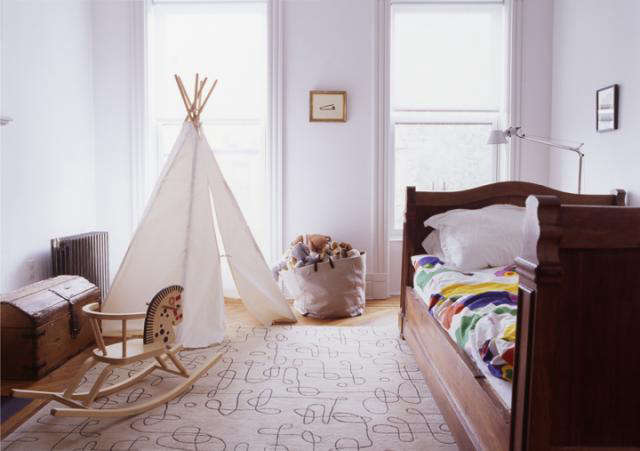
A childrens backyard tipi is one of those rare backyard ideas that makes both kids and grown-ups happy. Children see a fort, a pirate hideout, a reading cave, a secret snack embassy, and possibly the headquarters of a very serious stuffed-animal rescue team. Parents see shade, contained play, adorable photos, and a reason to stop hearing, “I’m booooored” every eleven minutes. That is a strong return on investment for a structure made of fabric, poles, and a little imagination.
But a great backyard tipi is not just cute. The best ones balance imaginative play, comfort, airflow, durability, and safety. If it looks magical but turns into a sweaty windsock after one breezy afternoon, it is not the backyard hero your family deserves. A smart setup gives kids a cozy outdoor retreat while still respecting practical realities like sun exposure, supervision, stable assembly, age-appropriate accessories, and the very real possibility that somebody will drag in half the yard and call it interior design.
This guide covers what a kids backyard tent should do, how to choose one, how to style it without going overboard, and how families actually use it in real life. The goal is simple: create a backyard play space that feels special, works hard, and survives more than one lemonade spill.
Why a Backyard Tipi Works So Well for Kids
Children are naturally drawn to small, defined spaces. A backyard tipi gives them a place that feels separate from the wider yard without cutting them off from fresh air and outdoor activity. That matters because outdoor play supports physical activity, creativity, collaboration, and open-ended learning. In plain English: kids get movement, make up stories, negotiate rules, and somehow turn three cushions and a flashlight into a functioning kingdom.
Unlike a full wooden playhouse, a backyard play tent is usually lighter, easier to move, and less demanding on budget and square footage. It can turn a modest patch of grass, a deck corner, or a patio edge into a destination. This is especially useful for families who want a playful backyard without committing to a giant structure that requires permits, contractors, or a second mortgage disguised as “weekend DIY.”
There is also a gentle emotional benefit. A tipi can serve as a quiet reset zone. Some kids use it for pretend play with siblings, while others use it to read, draw, snack, or cool off after louder games. In a busy backyard, that sense of retreat is pure gold.
What to Look for in a Childrens Backyard Tipi
1. Breathable Fabric
Outdoor comfort starts with airflow. Look for breathable materials such as cotton canvas or well-designed polyester blends with mesh or window openings. A tipi that traps heat becomes less of a magical play hut and more of a softly baked regret. Windows, door flaps, and vented panels help keep the inside comfortable and make the structure feel less enclosed for younger children.
2. Sturdy, Smooth Poles
Wooden poles are popular because they look classic and feel warm and natural, while metal or fiberglass frames can be lightweight and easy to store. Whatever the material, the poles should feel stable and smooth, with no splinter risks, sharp edges, or wobbly connectors. Parents should never have to wonder whether the frame is a play feature or an engineering experiment.
3. Easy Entry and Visibility
A roll-up door, tie-backs, and windows make a big difference. Kids love the feeling of privacy, but adults still need reasonable visibility. A good outdoor play tent lets children feel tucked away without disappearing into a mystery zone where silence becomes suspicious.
4. Size That Matches Your Space
Do not buy based on dreamy product photos alone. Measure your backyard area first. A compact tipi can be perfect for one or two children and a basket of books. A larger model works better for siblings, sleepover-style setups, or multipurpose use. Just make sure it still leaves room for safe movement around it. Cramping a big tent into a tiny corner makes it feel less like a retreat and more like outdoor luggage.
5. Age-Appropriate Design
Check the recommended age range and avoid adding accessories that are not suitable for younger children. For toddlers, simple is better: soft mats, board books, and supervised play. For older kids, you can lean into themed activities, reading corners, or pretend camp setups. The structure should grow with the way your children actually play, not the way a catalog imagines they play in spotless linen outfits.
Safety First, Because “Adorable” Is Not a Safety Standard
A childrens backyard tipi should be fun, but it should also respect the basics of backyard safety. Start with placement. Set the tipi on a flat, stable surface away from grills, fire pits, tools, pools, trampolines, lawn equipment, and heavy traffic areas. Skip rocky patches, slick surfaces, and anywhere that collects standing water after rain.
Anchoring matters too. Even a lightweight kids backyard tent can shift in wind, especially on hard-packed ground or patios. Use the manufacturer’s recommended stakes, ties, or weighted supports when appropriate, and always assemble it exactly as directed. “Close enough” is a dangerous phrase in furniture, recipes, and outdoor structures.
Supervision remains essential, especially for younger children. A tipi is not a babysitter wearing canvas. Kids should be checked on frequently, and adults should make sure nothing hazardous ends up inside the play space. That includes cords, sharp objects, choking hazards, and decorative add-ons that seem cute until a toddler decides they are lunch.
Sun protection is another big one. A tipi can add shade, but it should not be your only plan. Dress children for the weather, offer water, use hats when appropriate, and keep outdoor play timed sensibly on very hot days. If the tent feels hot to you, it feels hotter to a small child with big energy and poor interest in hydration strategy.
Quick Backyard Tipi Safety Checklist
- Place it on flat ground with clear space around it.
- Keep it away from heat sources, pools, and active play equipment.
- Use proper anchors or supports for outdoor use.
- Check poles, seams, connectors, and stakes regularly.
- Choose breathable materials and maintain airflow.
- Remove small or breakable accessories for younger children.
- Supervise play and teach simple backyard rules.
How to Create a Backyard Tipi Kids Actually Use
The difference between a cute setup and a beloved one usually comes down to function. Kids return to spaces that give them something to do. That means your backyard tipi for kids should be cozy, flexible, and easy to claim as their own.
Make It Comfortable
Add an outdoor-friendly floor mat, washable cushions, or a quilt you do not mind seeing grass stains on. Comfort invites longer play. Keep fabrics simple and practical rather than precious. A backyard play space should feel welcoming, not like a museum exhibit on the theme of “Please Don’t Touch.”
Give It a Purpose
Some of the best setups follow one clear theme. Try one of these:
- Reading nook: books, a basket, and one comfy pillow.
- Pretend camp: lantern-style lights, stuffed animals, and story prompts.
- Nature station: magnifying glass, leaves, pinecones, and sketch paper.
- Quiet corner: sensory toys, headphones, and calming activities.
- Mini picnic hub: snack tray, blanket, and water bottles.
Keep Decor Playful, Not Fussy
String flags, removable garlands, and one or two cheerful accessories go a long way. You do not need to style the tipi like an influencer’s tiny desert wedding. Children care far more about whether they can crawl in with a flashlight and a dinosaur than whether the pillows match the garden planters.
Best Locations for a Backyard Tipi
The ideal spot offers partial shade, good visibility from the house, and enough room around the structure for safe entry and exit. Under a tree can work if falling branches, sap, insects, and root bumps are not an issue. A deck or patio corner can also be excellent, provided the tipi is well-secured and there are no railing or heat hazards nearby.
Small yards can still make this work. One of the biggest advantages of a kids outdoor tipi is that it creates the feeling of a destination without demanding a huge footprint. In fact, smaller backyards often benefit more because the tipi visually defines a play zone and makes the outdoor area feel intentional.
Weather, Maintenance, and Seasonal Reality Checks
A lot of families imagine a backyard tipi living outside full-time like some brave little cottage. Sometimes that works, but often it is smarter to treat it as a flexible play item rather than permanent architecture. Fabric tents generally last longer when they are brought in during heavy rain, high wind, or long stretches of harsh weather.
Check care instructions before buying. Some tents are spot-clean only, while others are easier to wipe down and air out. If you use it outdoors often, inspect it regularly for dampness, mildew, loose ties, bent poles, and worn seams. A musty tent is less “storybook hideaway” and more “forgotten gym bag with ambitions.”
Storage matters too. Collapsible designs are helpful for families who want backyard fun without year-round clutter. A foldable setup lets you bring the magic out on weekends, sunny afternoons, or playdates and tuck it away when the weather turns dramatic.
Who Should Buy a Childrens Backyard Tipi?
This setup makes sense for families who want a softer, more flexible alternative to a large playset. It is a great option for children who enjoy imaginative play, sensory breaks, books, dolls, stuffed animals, tea parties, or solo decompression after active games. It is also ideal for grandparents, renters, or families who want a backyard feature that feels special but does not require major installation.
It may be less ideal if your yard is fully exposed to strong wind, has very limited supervision sightlines, or if your child mainly wants climbing, swinging, and high-energy equipment. A tipi shines as a retreat and imagination zone, not a full replacement for every kind of backyard activity.
How Families Use a Backyard Tipi in Real Life
In real homes, the childrens backyard tipi tends to become more than one thing. On Monday it is a lemonade stand headquarters. On Tuesday it is a dinosaur hospital. By Friday it is a book fort, and by Saturday a sibling peace treaty is being negotiated inside using crackers as currency. That versatility is exactly why it earns its keep.
Parents often notice that kids who resist “going outside” are much more willing to head into the yard when there is a defined destination waiting for them. The tipi acts like a gentle invitation. It gives shape to outdoor time and helps children shift from screen mode to play mode without needing a full event schedule.
It also works surprisingly well for mixed-age families. A younger child may enjoy crawling in and out with plush toys while an older sibling uses the same space for reading, journaling, or backyard club meetings with rules that are somehow both strict and completely made up.
Experience: What a Childrens Backyard Tipi Feels Like in Daily Life
Here is the part product descriptions rarely tell you: the best thing about a childrens backyard tipi is not the fabric, the poles, or the adorable photos you may or may not take before someone tracks dirt across the mat. It is the way the tipi changes the rhythm of the backyard.
At first, many families set one up thinking it will be a cute seasonal extra. Then something funny happens. The yard starts getting used differently. Children who once ran outside for three minutes and came back in “because there is nothing to do” suddenly have a place to begin. The tipi becomes the opening scene for the whole afternoon. Shoes get kicked off by the flap. A basket of books appears. Somebody drags over a stuffed bear the size of a compact sedan. Another child declares that no adults may enter without a password, which is always either “rainbow” or “butt cheeks,” because childhood is a land of extremes.
Parents often end up liking the tipi for reasons they did not expect. It can be a calmer kind of outdoor play than a full-throttle playset. There is less shouting across the yard and more concentrated activity: drawing, whispering, pretend cooking, collecting leaves, making up stories, arranging cushions, and holding very serious meetings about absolutely nothing. On busy days, the tipi can feel like a pressure valve. Kids get fresh air, but they also get a defined place to settle.
For some families, it becomes part of a daily ritual. Morning snack in the tipi. Afternoon reading in the tipi. Evening fairy lights on the patio while the tipi turns into a mini campout zone. Children love repetition when it feels cozy rather than rigid, and a backyard tent can quietly support that rhythm.
It also tends to collect memories faster than expected. A first backyard picnic. A shy playdate that warms up inside the tent. A sibling argument that somehow gets resolved when both parties sit on floor cushions and share crackers. Rain clouds rolling in while everyone rushes to rescue the blanket and books. These are not giant milestone moments, but they stick. The tipi becomes a backdrop for ordinary family life, and ordinary is often where the best memories hide.
Even when the setup is simple, children treat it like it matters. That is the magic. They do not need a giant, expensive backyard transformation. They need a space that feels a little bit theirs. A small outdoor tent says, “This corner of the yard belongs to imagination.” And once kids believe that, they usually do the rest themselves.
Final Thoughts
A childrens backyard tipi is more than a decorative play tent. Done well, it becomes a shaded retreat, a creativity booster, a reading nook, a quiet corner, and a launchpad for outdoor adventures. The right one is breathable, sturdy, easy to supervise, and sized for your space. Add a few practical comforts, keep safety in the picture, and you have a backyard feature that punches well above its weight.
In other words, it is a simple idea with surprisingly big returns. Kids get wonder. Parents get usable outdoor space. And the backyard gets a little more personality without turning into a home improvement saga narrated by receipts.