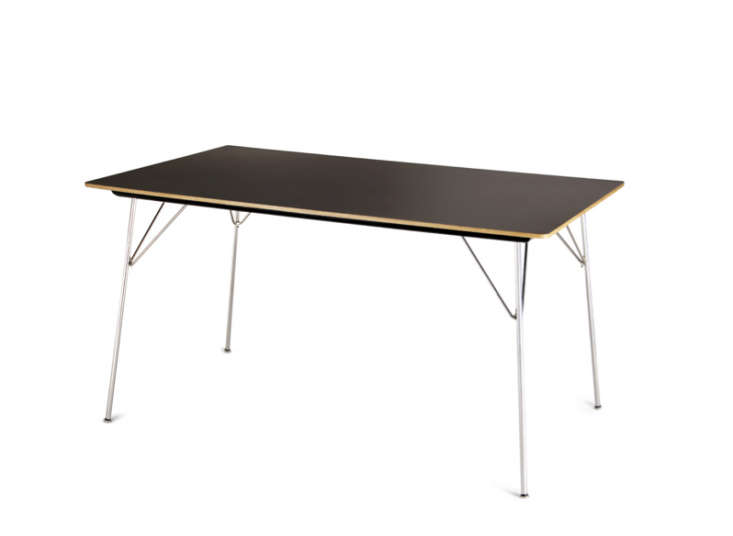
The Case Study Folding Table: Rectangle is what happens when a practical object refuses to look practical in the boring way. It folds. It stores flat. It can host dinner, laptops, homework, coffee, sketches, card games, or a suspiciously large amount of takeout. But unlike the average folding table hiding in a garage behind holiday decorations, this rectangular table belongs to a design family with real mid-century modern credibility.
Originally associated with the design language of Charles and Ray Eames, the Case Study Folding Table is admired because it solves a very normal problem“Where do we put all this stuff?”with uncommon elegance. Its rectangular shape makes it especially useful for apartments, studios, small dining areas, creative workspaces, and multipurpose rooms where furniture needs to earn its square footage.
This article takes a deeper look at the Case Study Folding Table: Rectangle, including its design history, dimensions, materials, everyday uses, pros and cons, styling ideas, buying considerations, and real-life experiences. Think of it as a design review, a practical guide, and a love letter to furniture that can leave the room without making a scene.
What Is the Case Study Folding Table: Rectangle?
The Case Study Folding Table: Rectangle is a modern rectangular folding table inspired by classic mid-century design principles: simplicity, utility, clean lines, and honest materials. The table is best known for its slim tabletop, chrome-plated folding legs, and compact storage capability. Instead of chunky hardware or clumsy plastic parts, it uses a restrained frame that feels light, architectural, and deliberate.
Typical rectangular versions are listed at approximately 28.5 inches high, 54 inches long, and 34 inches deep. That makes the table smaller than a standard six-foot banquet table but larger and more flexible than a side table or card table. It sits in a sweet spot: big enough for daily use, but compact enough to move around without requiring a forklift, a prayer, or three friends named Dave.
The table is often available in finishes such as laminate, walnut, or maple, giving buyers options depending on whether they want a crisp utility look, a warmer wood tone, or something that blends into a more refined interior. The legs fold into a recessed area beneath the tabletop, helping the piece store flatter and cleaner than many common folding tables.
Why the Rectangular Shape Matters
Round tables are wonderful for conversation, and square tables are great for compact symmetry. But a rectangular folding table has a special advantage: it knows how to work. The long surface supports laptops, serving platters, sewing machines, art supplies, books, paperwork, and dinner plates without feeling crowded too quickly.
The rectangle also makes the Case Study Folding Table easier to place against a wall, behind a sofa, near a window, or at the center of a small dining area. When space is limited, a round table can leave awkward gaps. A rectangular table behaves better. It lines up. It tucks in. It plays nicely with walls, rugs, benches, chairs, and human traffic patterns.
Best Uses for a Rectangular Folding Table
The Case Study Folding Table: Rectangle works especially well in spaces where one room has to perform several jobs. In a studio apartment, it can serve as a dining table during dinner, a desk during the day, and a board-game headquarters at night. In a creative studio, it becomes a layout surface for fabric, prints, tools, or mood boards. In a home office, it can be a temporary meeting table or a second workstation.
It is also excellent for entertaining. Because the table folds away, it can appear when guests arrive and disappear when the living room needs to go back to normal. That is the magic of good folding furniture: it expands your home without demanding permanent residency.
A Brief Design Background
The Case Study Folding Table is connected to the broader mid-century modern movement, especially the Eames approach to furniture: make pieces that are useful, adaptable, beautiful, and suitable for modern life. Charles and Ray Eames were known for treating everyday objects seriously. A chair, a table, or a storage unit was not just furniture; it was a design problem waiting for a smart solution.
The folding-table concept reflected postwar realities. Homes were changing, spaces were becoming more flexible, and people needed furniture that could be shipped, stored, moved, and used in different ways. Instead of treating folding furniture as temporary or cheap-looking, the Eames design philosophy gave it dignity. The result was a table that could fold without looking like it belonged exclusively at a school fundraiser.
That design DNA is why the Case Study Folding Table still feels relevant. Modern homes continue to shrink, shift, and multitask. Dining rooms become offices. Guest rooms become gyms. Kitchens become command centers. A folding table with a clean rectangular form is no longer just backup furniture; it is a strategic tool for modern living.
Materials and Construction
The Case Study Folding Table: Rectangle typically combines a wood or laminate tabletop with slim metal legs. This is a major difference from the more common commercial folding tables made from blow-molded plastic or heavy-duty polyethylene. Those plastic tables are extremely practical for outdoor parties, schools, and event halls, but they rarely have the same visual refinement.
The Case Study version leans toward design-conscious interiors. A laminate top feels crisp and easy to maintain, while wood finishes such as walnut or maple introduce warmth. Chrome legs add a bright, classic modernist touch. The folding mechanism is designed to keep the legs neatly tucked beneath the surface, which improves both storage and appearance.
In practical terms, this means the table is best suited for residential interiors, creative workspaces, stylish offices, light dining, and flexible rooms. It is not trying to be a rugged construction-site table. It is more like the well-dressed friend who can still help carry chairs.
Case Study Folding Table vs. Standard Folding Tables
Most folding tables are bought because people need surface area fast. They are common at church halls, community centers, trade shows, classrooms, and backyard cookouts. Standard rectangular folding tables often come in sizes like six feet or eight feet long, with plastic tops and steel frames. They are affordable, durable, and easy to clean.
The Case Study Folding Table: Rectangle belongs to a different category. It is not merely a utility table; it is a design object. It prioritizes proportion, material quality, visual lightness, and historical character. A plastic banquet table might be better for serving chili to forty people. The Case Study table is better for a curated apartment, a reading nook, a compact dining setup, or a workspace where aesthetics matter.
Where Standard Tables Win
Standard folding tables usually win on price, outdoor durability, and load capacity. Many commercial plastic folding tables are designed for repeated setup, takedown, transport, and heavy use. If you need a table for catering, school events, flea markets, or outdoor parties, a commercial-grade plastic or ABS folding table may be the more practical choice.
Where the Case Study Table Wins
The Case Study Folding Table wins on style, compact elegance, and interior compatibility. It does not scream “temporary furniture.” It looks intentional. You can leave it open in a living room or studio without feeling like you forgot to clean up after a bake sale. That matters in small homes, where every visible piece has to contribute to the overall atmosphere.
Who Should Buy the Case Study Folding Table: Rectangle?
This table is ideal for people who want flexible furniture but refuse to sacrifice design. It is especially useful for apartment dwellers, design enthusiasts, small-space homeowners, artists, writers, remote workers, and anyone who wants a table that can shift roles throughout the week.
If you love mid-century modern interiors, the table fits naturally with molded plywood chairs, low-profile sofas, modular shelving, wool rugs, and simple lighting. If your style is more contemporary, the clean rectangle and chrome legs still work well because the form is understated rather than decorative.
It is also a smart option for people who entertain occasionally but do not want a permanent dining table dominating the room. Open it for dinner, fold it after dessert, and reclaim the space before anyone starts suggesting karaoke.
Room-by-Room Ideas for Using the Table
In a Small Dining Area
Use the rectangular Case Study table as a compact dining table for two to four people. Pair it with slim chairs or a bench that can slide underneath. A small pendant light above it can make the setup feel permanent, even if the table can fold away when needed.
In a Home Office
The table can work as a writing desk, laptop station, or project surface. Because it is wider than many compact desks, it gives you room for a monitor, notebook, lamp, and coffee mug. Naturally, the coffee mug will claim the most important position.
In a Studio or Craft Room
Artists and makers often need temporary horizontal space. The rectangular top is useful for drawing, cutting paper, sorting samples, assembling models, or photographing small products. When the project is done, the table can be folded and stored to clear the room.
In a Living Room
For occasional hosting, the table can become a buffet, puzzle table, game table, or extra dining surface. Style it with a linen runner, a ceramic bowl, or a small lamp to soften the functional look.
Styling Tips for a Better-Looking Folding Table
A folding table does not have to look temporary. The secret is to treat it like real furniture. Start with proportion. Choose chairs that match the table’s visual lightness. Avoid overly bulky seating that makes the slim frame look fragile by comparison.
Next, think about texture. A wood-top version pairs beautifully with woven placemats, ceramic dishes, and linen napkins. A laminate top can look sharp with black chairs, chrome accessories, or colorful modern tableware. For work use, add a good desk lamp and a cable organizer so the surface does not become a spaghetti festival of chargers.
Finally, keep the table uncluttered. Because the design is simple, clutter shows quickly. The Case Study Folding Table looks best when it has room to breathe.
Pros and Cons of the Case Study Folding Table: Rectangle
Pros
The table is flexible, stylish, compact, and historically inspired. It folds flat for storage, works in many rooms, and offers a more refined alternative to common folding tables. Its rectangular shape is easy to position, and the available finishes make it adaptable to different interiors.
Cons
It may cost more than a basic folding table, and it is not the best choice for rough outdoor use or heavy commercial abuse. Buyers looking for maximum weight capacity, weather resistance, or bargain pricing may prefer a standard plastic or commercial folding table.
How to Choose the Right Rectangular Folding Table
Before buying any rectangular folding table, consider four things: size, material, storage, and use case. Size determines how many people can sit comfortably and whether the table will fit your room. Material affects durability, appearance, and cleaning. Storage matters because a folding table that is hard to store will quickly become a permanent obstacle. Finally, use case decides everything. A table for elegant apartment dining is not the same as a table for tailgating, training sessions, or outdoor catering.
For the Case Study Folding Table: Rectangle, the strongest reason to choose it is design value. It is for people who care how furniture looks when it is open and how intelligently it disappears when it is closed.
Care and Maintenance
Care depends on the tabletop finish. For laminate, use a soft cloth and mild cleaner. Avoid abrasive pads, harsh solvents, or dramatic cleaning experiments inspired by internet comments. For wood finishes, wipe spills quickly and use coasters to prevent rings. Chrome legs can be cleaned with a soft dry or slightly damp cloth.
When folding the table, make sure the mechanism is clear of objects and fingers. Store it in a dry indoor location where the surface will not be scratched by tools, boxes, or the mysterious pile of things every closet eventually develops.
Real-Life Experience: Living With a Rectangular Case Study Folding Table
Here is where the Case Study Folding Table: Rectangle becomes more than a product description. In daily life, a good folding table earns trust quietly. The first thing you notice is how often you need “just one more surface.” A friend comes over with pastries. A laptop needs space beside a notebook. A package arrives and needs to be opened. A weekend project expands from “tiny craft” to “why is there glue on the cat?” Suddenly, the table is not extra furniture. It is emergency architecture.
In a small apartment, the rectangular shape feels especially helpful. You can set it near a wall for weekday work, then pull it into the center of the room for dinner. It does not dominate the space the way a heavy dining table might. The slim legs make the room feel visually open, which is important when every inch counts. Even when the table is open, it does not feel like it is shouting for attention.
One of the best experiences is using it as a temporary desk. Many compact desks are too narrow for real work. The Case Study rectangle gives you enough room to spread out papers, keep a drink safely to the side, and still have space for a keyboard or sketchbook. It supports the kind of workday where you move between digital tasks and physical notes. That flexibility feels surprisingly luxurious.
As a dining table, it has a relaxed charm. It is not overly formal, which makes meals feel easy. Two people can sit comfortably with plenty of surface space. Four can fit for a casual dinner, especially if the chairs are compact. Add a simple table runner, a small vase, and warm lighting, and the table stops feeling temporary. It becomes part of the room’s personality.
The folding feature is most appreciated after the event is over. Many tables are useful when open but annoying when stored. A well-designed folding table solves both sides of the problem. When folded, it can slide into a closet, behind a cabinet, or along a wall. That ability to vanish is not just convenient; it changes how you use your home. You become more willing to host, make, repair, sort, wrap, write, and experiment because you know the room can reset afterward.
There are small habits that make the experience better. Keep felt pads or a soft storage cover nearby if the table will be stored next to other items. Clean the surface right after meals or projects so it is always ready for the next use. Pair it with lightweight chairs that are easy to move. And avoid overloading it with heavy equipment unless you have confirmed the table’s specific capacity. Beautiful furniture deserves common sense, even when common sense is not currently trending.
The biggest lesson from using a rectangular folding table is that flexibility does not have to feel cheap. The Case Study Folding Table proves that adaptable furniture can still have style, history, and presence. It is practical, but not plain. It folds, but it does not disappear from design conversations. For modern homes where rooms have to multitask, that balance is exactly the point.
Conclusion
The Case Study Folding Table: Rectangle is a smart choice for anyone who wants a flexible table with real design character. It offers the everyday usefulness of a folding table while avoiding the dull, utilitarian look that makes many folding tables feel like rented event equipment. With its rectangular shape, slim profile, folding legs, and mid-century modern spirit, it works beautifully as a compact dining table, temporary desk, creative work surface, or entertaining companion.
It is not the cheapest folding table, and it is not the roughest outdoor workhorse. But for interiors where beauty and flexibility both matter, it makes a strong case for itself. Some furniture fills a room. This table helps a room become more usefuland then politely gets out of the way.