Carpal tunnel syndrome sounds like something that might happen after driving through too many toll roads, but it is actually one of the most common nerve problems affecting the hand and wrist. It can start quietly: a little tingling in the thumb, a sleepy feeling in the fingers, or a wrist that complains after a long day of typing, texting, cooking, gaming, scanning groceries, using tools, or doing just about anything that makes the hands earn their keep.
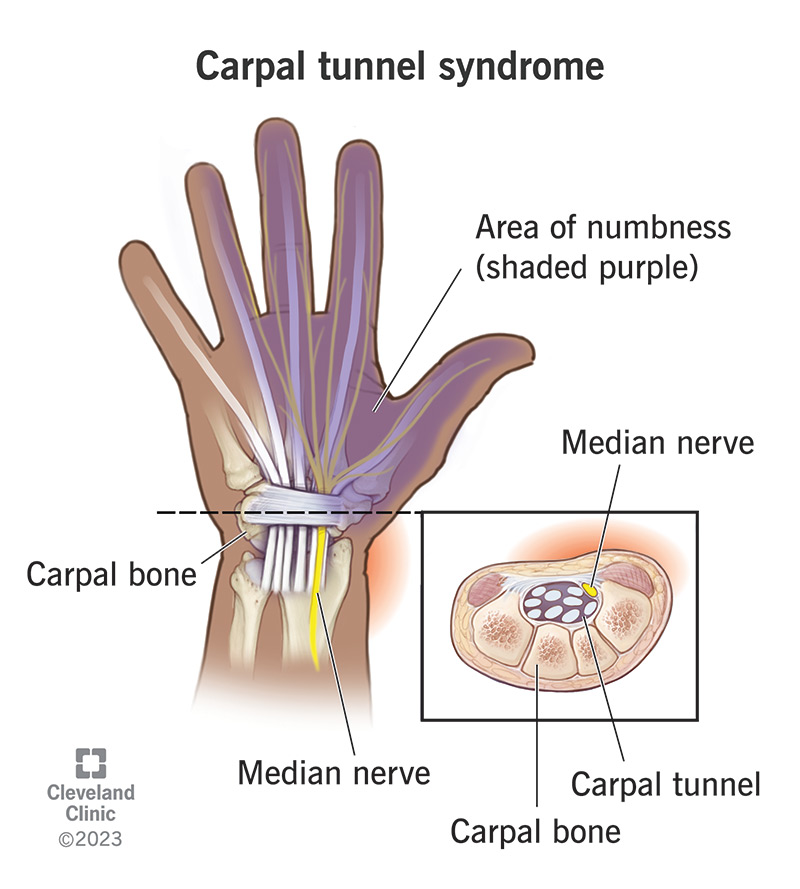
At its core, carpal tunnel syndrome happens when the median nerve becomes compressed as it travels through a narrow passageway in the wrist called the carpal tunnel. This nerve helps provide feeling to the thumb, index finger, middle finger, and part of the ring finger. It also helps control some of the muscles at the base of the thumb. When pressure builds inside that small tunnel, the nerve gets irritated, and your hand may begin sending distress signals like tingling, numbness, pain, weakness, or the classic “why did I just drop my coffee mug?” moment.
The good news is that carpal tunnel syndrome is treatable. The even better news is that early treatment often works best. The slightly annoying news is that ignoring it rarely turns you into a hand-health superhero. In many cases, symptoms get worse over time if the pressure on the nerve continues. Understanding the symptoms, causes, diagnosis, and treatment options can help you know when to rest, when to change habits, and when to call a healthcare professional.
What Is Carpal Tunnel Syndrome?
Carpal tunnel syndrome, often shortened to CTS, is a nerve compression condition. The carpal tunnel is a tight space on the palm side of the wrist. It contains the median nerve and tendons that help bend the fingers. Because the tunnel is not exactly roomy, swelling, inflammation, wrist position, injury, or certain health conditions can increase pressure inside it.
Think of the median nerve as a phone charger cord running through a crowded desk drawer. If too many things press on it, the signal becomes unreliable. In your hand, that “bad signal” may feel like pins and needles, burning, aching, numbness, or weakness. Symptoms often show up gradually and may come and go at first. Over time, they may become more constant, especially if the underlying pressure is not addressed.
Common Symptoms of Carpal Tunnel Syndrome
Carpal tunnel syndrome symptoms can vary from mild and occasional to severe and disruptive. They often affect the thumb, index finger, middle finger, and part of the ring finger. The little finger is usually not involved because it is supplied by a different nerve. That detail matters because it can help doctors distinguish CTS from other nerve problems.
1. Numbness and Tingling
Numbness and tingling are often the first signs. Many people describe the feeling as pins and needles, buzzing, or an electric sensation in the fingers. Symptoms may appear while holding a phone, gripping a steering wheel, reading a book, typing, using a mouse, or sleeping with the wrist bent.
2. Nighttime Hand Symptoms
Carpal tunnel symptoms commonly wake people at night. Some people shake their hands to “wake them up,” which may provide temporary relief. This happens because many people sleep with their wrists curled or flexed, increasing pressure on the median nerve. Your wrist is basically staging a tiny midnight protest.
3. Wrist, Palm, or Forearm Pain
Pain may occur in the wrist, palm, or fingers and sometimes travel up the forearm. It may feel dull, sharp, burning, or cramp-like. Some people notice pain during repetitive tasks, while others feel it after activity or at rest.
4. Weak Grip and Clumsiness
As carpal tunnel syndrome progresses, the hand may feel weak. You may drop objects, struggle to button clothing, have trouble opening jars, or notice that writing, typing, or holding small items feels awkward. Weakness can become more serious when the muscles at the base of the thumb are affected.
5. A Swollen Feeling Without Visible Swelling
Some people feel as if their fingers are swollen even when they look normal. This strange sensation can happen because irritated nerves do not always report information accurately. The hand may feel puffy, tight, cold, or stiff even when nothing dramatic is visible.
What Causes Carpal Tunnel Syndrome?
Carpal tunnel syndrome is caused by pressure on the median nerve. However, the reason for that pressure is not always simple. In many people, there is no single cause. Instead, CTS often develops because several risk factors pile up together like laundry on a chair: one item is manageable, but suddenly it becomes a mountain.
Repetitive Hand and Wrist Use
Repetitive hand motions can contribute to symptoms, especially when the wrist is bent for long periods or when work involves forceful gripping, vibrating tools, or repeated flexing and extending of the wrist. Office work is often blamed, but carpal tunnel syndrome is not limited to keyboard users. It can affect mechanics, musicians, hair stylists, cooks, cashiers, factory workers, dental professionals, artists, gardeners, gamers, and anyone whose hands are basically on the payroll.
Wrist Position and Ergonomics
Working with the wrists bent upward or downward can increase pressure in the carpal tunnel. Poor desk setup, a keyboard that sits too high, a mouse that encourages awkward wrist angles, or long sessions without breaks can make symptoms worse. Ergonomics does not need to be fancy. Sometimes small changes, such as keeping wrists neutral and elbows relaxed, can reduce strain.
Health Conditions
Certain health conditions may increase the risk of carpal tunnel syndrome. These include diabetes, rheumatoid arthritis, thyroid disease, gout, obesity, kidney disease, and conditions that cause fluid retention or inflammation. Pregnancy can also trigger CTS symptoms because fluid changes may increase pressure in the wrist. In some cases, pregnancy-related carpal tunnel improves after delivery, though medical guidance is still important if symptoms are severe.
Injuries and Anatomy
A wrist fracture, dislocation, arthritis-related changes, or naturally smaller carpal tunnel space may increase the chance of median nerve compression. Some people are simply built with less room in the tunnel. That is not a character flaw; it is anatomy being a little stingy with square footage.
Who Is at Risk?
Carpal tunnel syndrome can happen to adults of many ages, but it is more common in middle age and is often reported more frequently in women. People with jobs or hobbies involving repetitive wrist movement, forceful gripping, vibration, or prolonged wrist flexion may have higher risk. Medical conditions that affect nerves, joints, hormones, or fluid balance can also raise the odds.
Risk does not mean destiny. Someone can type all day and never develop CTS, while another person may develop symptoms with fewer repetitive activities because of anatomy, inflammation, pregnancy, or an underlying health condition. That is why diagnosis should focus on the whole picture rather than blaming one habit.
How Carpal Tunnel Syndrome Is Diagnosed
A healthcare provider usually begins with a medical history and physical exam. They may ask when symptoms started, which fingers are affected, whether symptoms wake you at night, what activities make them worse, and whether you have other medical conditions. They may examine sensation, strength, wrist movement, and the muscles around the thumb.
Common office tests may include tapping over the median nerve at the wrist or asking you to hold your wrists in a flexed position to see whether symptoms appear. These tests are not perfect, but they can provide useful clues. If symptoms are unclear, severe, persistent, or being considered for surgery, a provider may recommend nerve conduction studies or electromyography. These tests evaluate how well the median nerve is working and can help measure severity.
Sometimes imaging, such as ultrasound or MRI, may be used when another problem is suspected, such as a mass, injury, or unusual anatomy. Doctors may also check for conditions that can mimic or contribute to symptoms, including neck nerve compression, arthritis, tendon problems, or peripheral neuropathy.
Carpal Tunnel Syndrome Treatment Options
Treatment depends on symptom severity, how long symptoms have been present, test results, and overall health. Mild cases may improve with conservative care. More severe or long-lasting cases may need procedures or surgery to prevent permanent nerve damage.
Wrist Splints
A wrist splint, especially worn at night, is often one of the first treatments. The goal is to keep the wrist in a neutral position so it does not bend while sleeping. Many people are surprised that nighttime splinting can help daytime symptoms too. It is not glamorous bedtime fashion, but it can be effective.
Activity Changes
Reducing or modifying activities that trigger symptoms can help calm the nerve. This does not always mean quitting your job, hobby, or daily routine. It may mean taking microbreaks, alternating tasks, adjusting hand position, using padded grips, keeping wrists straight, or avoiding prolonged forceful gripping.
Ergonomic Improvements
For computer users, helpful changes may include keeping the keyboard at elbow height, using a mouse that fits the hand, relaxing the shoulders, keeping wrists neutral, and avoiding resting the wrists on hard edges while typing. For tool users, reducing vibration exposure, using gloves when appropriate, and choosing tools with better handles may reduce irritation.
Medication and Injections
Over-the-counter pain relievers may help with discomfort, but they do not always solve nerve compression. Corticosteroid injections into the carpal tunnel can reduce swelling and may provide temporary symptom relief, especially in mild to moderate cases. Injections may also help confirm that symptoms are coming from the carpal tunnel area.
Hand Therapy and Exercises
A healthcare provider may recommend physical or occupational therapy. Nerve-gliding exercises, tendon-gliding exercises, stretching, strengthening, and education on hand mechanics may be used as part of a treatment plan. Exercises should be done correctly, because aggressive stretching or random internet moves can irritate symptoms. Your wrist deserves better than a mystery workout from a comment section.
Carpal Tunnel Release Surgery
If symptoms are severe, constant, worsening, or associated with muscle weakness or nerve damage, surgery may be recommended. Carpal tunnel release surgery reduces pressure on the median nerve by cutting the transverse carpal ligament, which forms the roof of the carpal tunnel. This creates more space for the nerve.
Surgery may be performed through an open or endoscopic approach. Both aim to relieve pressure. Recovery time varies depending on symptom severity, the type of work a person does, and individual healing. Some people notice improvement quickly, while others recover gradually over weeks or months. Severe nerve compression that has lasted a long time may take longer to improve, and some symptoms may not fully reverse if nerve damage is advanced.
When to See a Doctor
You should consider medical evaluation if numbness, tingling, pain, or weakness lasts more than a few days, keeps returning, wakes you at night, affects work, causes you to drop objects, or involves visible muscle loss near the thumb. Seek prompt care if symptoms follow an injury, become suddenly severe, or are accompanied by major weakness.
Early diagnosis matters because prolonged pressure on the median nerve can lead to lasting numbness or weakness. Many people wait until symptoms interfere with sleep, work, or daily tasks. A better strategy is to treat your hand like a valuable employee: listen before it files a formal complaint.
Can Carpal Tunnel Syndrome Be Prevented?
Not every case can be prevented, especially when anatomy, pregnancy, arthritis, or medical conditions are involved. However, you can reduce strain on the wrist and possibly lower the chance of symptom flare-ups.
- Keep wrists in a neutral position during work and sleep.
- Take short breaks during repetitive tasks.
- Stretch and gently move the hands during long work sessions.
- Use tools and devices that reduce awkward wrist angles.
- Avoid gripping too tightly when a lighter touch works.
- Manage underlying conditions such as diabetes, thyroid disease, or inflammatory arthritis with medical guidance.
- Wear a night splint if recommended by a healthcare provider.
Living With Carpal Tunnel Syndrome
Living with carpal tunnel syndrome can be frustrating because hands are involved in nearly everything. You use them to work, cook, drive, dress, clean, text, exercise, open snacks, and dramatically gesture during conversations. When your fingers tingle or your wrist aches, simple tasks can feel surprisingly complicated.
The key is to avoid the “push through everything” mindset. Pain, numbness, and weakness are signals, not personal challenges issued by your nervous system. Tracking when symptoms happen can help. Do they flare after typing? During sleep? While driving? After using tools? When holding your phone? Patterns can guide smarter adjustments.
A symptom diary can be useful. Write down when symptoms occur, which fingers are affected, what activities came before them, and what helps. This information can make a medical visit more productive. It can also reveal sneaky triggers, such as sleeping with curled wrists or holding a phone in the same position for long periods.
Experience-Based Section: What Carpal Tunnel Syndrome Can Feel Like in Real Life
For many people, the experience of carpal tunnel syndrome does not begin with dramatic pain. It begins with small annoyances that are easy to dismiss. You wake up at 2:00 a.m. and your fingers feel asleep. You shake your hand, roll over, and assume you slept weirdly. The next week, it happens again. Then it shows up while driving, holding your phone, typing an email, knitting, chopping vegetables, or using a drill. Suddenly, your hand seems to have developed a very opinionated personality.
One common experience is the “morning reset.” A person wakes up with tingling in the thumb and first few fingers, shakes the hand, opens and closes the fist, and waits for feeling to return. At first, this may seem harmless. But when it becomes routine, it can disturb sleep and create daytime fatigue. Poor sleep can make pain feel worse, and then the whole cycle becomes a cranky little carousel.
Another real-life challenge is clumsiness. Carpal tunnel syndrome can make fine motor tasks feel less reliable. Someone may drop keys, struggle with buttons, lose grip on a coffee mug, or notice their handwriting looks like it was produced during a minor earthquake. This can be embarrassing, especially at work or in public, but it is a common result of nerve irritation and reduced thumb control.
People who work at computers often describe a confusing pattern: typing may not hurt immediately, but symptoms appear later in the day or at night. That delay can make it hard to connect cause and effect. A person might blame sleep position, aging, stress, or “too much scrolling,” which may be partly true, but the bigger issue is often repeated wrist positioning plus limited recovery time.
Manual workers may experience symptoms differently. A mechanic, cleaner, cook, warehouse worker, stylist, or carpenter may notice numbness after gripping tools, lifting, twisting, or using vibrating equipment. The hand may feel weak at the exact moment strength is needed most. That can affect performance and safety, which is why early evaluation matters.
Emotionally, carpal tunnel syndrome can be more irritating than people expect. It is not just a wrist problem; it can interfere with independence. When you cannot comfortably cook dinner, hold a book, type, paint, garden, play an instrument, or sleep through the night, frustration builds. The condition may be common, but that does not make it minor for the person living with it.
The most helpful turning point is often taking symptoms seriously early. Wearing a night splint, changing workstation setup, taking breaks, getting medical advice, and treating underlying health issues can make daily life more manageable. Some people improve with conservative care. Others need injections or surgery. Either way, the goal is the same: reduce pressure on the median nerve, protect hand function, and get back to using your hands without feeling like they are sending Morse code.
Conclusion
Carpal tunnel syndrome is a common but highly manageable condition when recognized early. It occurs when the median nerve is compressed in the wrist, leading to symptoms such as numbness, tingling, pain, nighttime discomfort, and hand weakness. Causes may include repetitive wrist use, awkward positioning, inflammation, injury, pregnancy, anatomy, or underlying health conditions such as diabetes, thyroid disease, or arthritis.
Treatment may begin with wrist splints, activity changes, ergonomic improvements, therapy, and sometimes corticosteroid injections. When symptoms are severe or do not improve, carpal tunnel release surgery can relieve pressure on the nerve and help prevent long-term damage. The best plan depends on the person, the severity of symptoms, and the results of a medical evaluation.
If your hand keeps tingling, waking you up, dropping objects, or making everyday tasks harder, do not ignore it. Your wrist may not be trying to ruin your day. It may simply be asking for help, preferably before it starts throwing coffee mugs onto the floor.