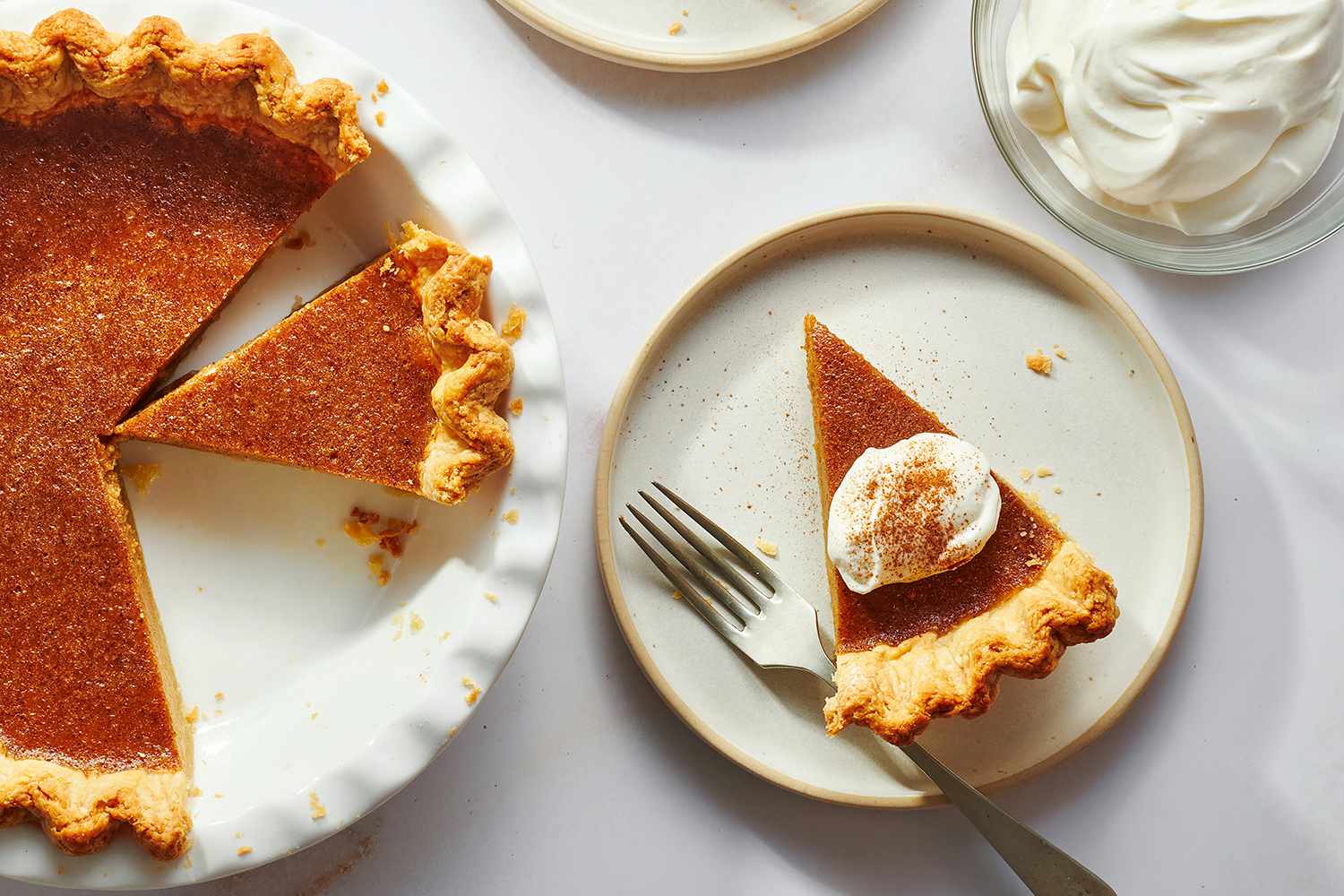
Butternut squash pie is what happens when pumpkin pie puts on a cozy sweater, lights a cinnamon candle, and decides to become a little more interesting. It has the same creamy, spiced, holiday-dessert comfort people love, but the flavor is naturally sweeter, nuttier, and silkier than many traditional pumpkin pies. If pumpkin pie is the classic family sedan, butternut squash pie is the same ride with heated seats and a better playlist.
This butternut squash pie recipe is made with roasted squash puree, warm baking spices, brown sugar, eggs, cream, and a flaky pie crust. The result is a smooth custard-style pie with caramel-like depth, a tender texture, and a golden filling that looks right at home on Thanksgiving, Christmas, Sunday dinner, or any chilly evening when dessert needs to feel like a blanket.
The secret is simple: roast the squash instead of boiling it. Roasting removes excess water and concentrates the squash’s natural sweetness. That one step gives the pie a richer flavor and helps prevent the dreaded watery filling. Nobody wants a pie that weeps into the crust like it just watched the final scene of a sad movie.
Why You’ll Love This Butternut Squash Pie
Butternut squash is one of the best winter squash varieties for pie because it has dense flesh, a buttery texture, and a mild sweetness that pairs beautifully with cinnamon, ginger, nutmeg, cloves, vanilla, maple, and brown sugar. It also blends into a smooth puree without needing much fuss.
This pie tastes familiar enough for pumpkin pie fans, but special enough to make people ask, “Wait, what’s in this?” That is your cue to smile mysteriously, as if you have just revealed a family secret instead of roasting a vegetable.
What Makes It Different From Pumpkin Pie?
Pumpkin pie often depends on canned puree, which is convenient and consistent. Butternut squash pie uses fresh roasted squash, giving the filling a slightly deeper, sweeter, and more caramelized flavor. The texture can also be silkier because roasted butternut squash becomes soft and creamy once blended.
In practical terms, this recipe gives you the cozy spice profile of pumpkin pie with a little more personality. It is not aggressively “vegetable-forward.” It is dessert. It knows its job.
Ingredients for Butternut Squash Pie
This recipe makes one 9-inch pie, serving 8 slices.
For the Squash Puree
- 1 medium butternut squash, about 2 to 2 1/2 pounds
- 1 tablespoon neutral oil or melted butter
- Pinch of salt
For the Pie Filling
- 1 unbaked 9-inch pie crust, homemade or store-bought
- 2 cups roasted butternut squash puree
- 3 large eggs
- 3/4 cup packed light brown sugar
- 1/2 cup evaporated milk
- 1/2 cup heavy cream
- 2 tablespoons melted unsalted butter
- 1 teaspoon pure vanilla extract
- 1 1/2 teaspoons ground cinnamon
- 3/4 teaspoon ground ginger
- 1/4 teaspoon ground nutmeg
- 1/8 teaspoon ground cloves
- 1/2 teaspoon fine salt
- Optional: 1 tablespoon maple syrup for extra warmth
For Serving
- Whipped cream
- A sprinkle of cinnamon
- Toasted pecans
- Caramel sauce, if you are feeling dramatic in the best way
How to Make Butternut Squash Pie
Step 1: Roast the Butternut Squash
Preheat the oven to 400°F. Cut the butternut squash in half lengthwise and scoop out the seeds. Brush the cut sides with oil or melted butter and sprinkle lightly with salt. Place the squash cut-side down on a parchment-lined baking sheet.
Roast for 45 to 60 minutes, or until the flesh is very tender when pierced with a fork. The exact time depends on the size of the squash. Let it cool until it is safe to handle, then scoop the flesh into a bowl.
Step 2: Make a Smooth Squash Puree
Transfer the roasted squash flesh to a food processor or blender. Blend until completely smooth. Measure out 2 cups for the pie filling. If the puree looks watery, place it in a fine-mesh strainer for 10 to 15 minutes or cook it in a saucepan over medium-low heat for a few minutes to evaporate extra moisture.
This step matters. A thick puree gives the pie a creamy custard texture. A watery puree gives you a filling that never quite sets, and nobody wants to serve “butternut squash pudding surprise” in a crust.
Step 3: Prepare the Pie Crust
Place the pie crust into a 9-inch pie dish. Crimp the edges and chill the crust for at least 20 minutes. For a crisper bottom crust, par-bake it before adding the filling. Line the crust with parchment paper, fill it with pie weights or dried beans, and bake at 375°F for about 12 minutes. Remove the weights and bake for another 5 minutes, just until the crust looks lightly set.
You can skip par-baking if you are short on time, but it helps prevent a soggy bottom. Soggy bottoms are funny on baking shows, less funny at your actual dinner table.
Step 4: Mix the Filling
In a large bowl, whisk together the eggs and brown sugar until smooth. Add the roasted butternut squash puree, evaporated milk, heavy cream, melted butter, vanilla, cinnamon, ginger, nutmeg, cloves, salt, and maple syrup if using.
Whisk until everything is fully combined. For the smoothest texture, blend the filling in a blender for 20 to 30 seconds. This creates a silky custard and removes any tiny squash fibers that might remain.
Step 5: Bake the Pie
Reduce the oven temperature to 350°F. Pour the filling into the prepared crust. Place the pie on a baking sheet to catch any drips and make it easier to move in and out of the oven.
Bake for 50 to 60 minutes, or until the edges are set and the center still has a slight jiggle. The center should not look liquid, but it should not be rock solid either. Custard pies continue to firm up as they cool.
Step 6: Cool Before Slicing
Let the pie cool completely at room temperature for at least 2 hours. For the cleanest slices, refrigerate it for another 2 to 4 hours before serving. This resting time allows the custard to settle, the flavors to deepen, and your patience to be rewarded.
Expert Tips for the Best Butternut Squash Pie
Use Roasted Squash, Not Boiled Squash
Boiling butternut squash adds water, while roasting removes it. Roasting also brings out the squash’s natural sugars, creating a richer flavor. If you want a pie that tastes warm, sweet, and slightly caramelized, roasting is the way to go.
Do Not Overbake the Filling
Butternut squash pie is a custard pie, which means overbaking can cause cracks. Pull it from the oven when the edges are firm and the center jiggles slightly. Think gentle wobble, not soup wave.
Balance the Spices
Cinnamon brings sweetness, ginger adds brightness, nutmeg gives warmth, and cloves add depth. A little clove goes a long way, so use it with restraint. Cloves are like that one friend who speaks loudly at brunch: fun in small doses.
Let the Pie Rest
Fresh from the oven, the pie will smell amazing, but slicing it too early can make the filling collapse. Let it cool fully so each slice holds its shape. Dessert rewards patience, even when your kitchen smells like autumn opened a bakery.
Flavor Variations
Maple Butternut Squash Pie
Replace 1/4 cup of the brown sugar with pure maple syrup. The maple adds a woodsy sweetness that pairs beautifully with roasted squash and cinnamon.
Bourbon Butternut Squash Pie
Add 1 tablespoon of bourbon to the filling. It gives the pie a grown-up warmth without making it taste boozy. The alcohol bakes off, leaving behind a subtle caramel note.
Gingersnap Crust Version
Swap the pastry crust for a gingersnap crumb crust. Mix 1 1/2 cups crushed gingersnaps with 5 tablespoons melted butter and 2 tablespoons sugar, press into a pie dish, and bake for 8 minutes before filling.
Pecan Crunch Topping
Mix 1/2 cup chopped pecans with 2 tablespoons brown sugar, 1 tablespoon melted butter, and a pinch of cinnamon. Sprinkle over the pie during the last 15 minutes of baking for a sweet, nutty topping.
How to Store Butternut Squash Pie
Because this pie contains eggs and dairy, it should be refrigerated after cooling. Cover it loosely with plastic wrap or foil and store it in the refrigerator for up to 4 days.
To freeze, wrap the cooled pie tightly in plastic wrap and foil. Freeze for up to 1 month. Thaw overnight in the refrigerator before serving. The texture may soften slightly after freezing, but the flavor will still be delicious.
What to Serve With Butternut Squash Pie
This pie is wonderful with classic whipped cream, but it also plays well with tangy crème fraîche, vanilla ice cream, cinnamon whipped cream, toasted pecans, or a drizzle of salted caramel. For a holiday dessert table, serve it alongside apple crisp, pecan pie, cranberry bars, or ginger cookies.
For drinks, try hot coffee, chai tea, black tea, apple cider, or a small glass of dessert wine. The pie’s warm spice and creamy texture pair especially well with beverages that have acidity, bitterness, or spice to balance the sweetness.
Common Mistakes to Avoid
Using Watery Puree
If your squash puree is thin, the filling may not set properly. Drain or cook down the puree before mixing the filling.
Skipping Salt
Salt does not make the pie salty. It sharpens the sweetness and makes the spices taste more balanced. Without it, the pie can taste flat.
Cutting the Pie Too Soon
Warm custard is delicate. Let the pie cool completely before slicing so the filling has time to firm up.
Using Too Much Spice
Butternut squash has a gentle flavor. Too much spice can overwhelm it. Keep the seasoning warm and fragrant, not bossy.
Frequently Asked Questions
Can I use canned pumpkin instead of butternut squash?
Yes, but the flavor will change. Canned pumpkin is convenient and works well, but roasted butternut squash gives the pie a sweeter, nuttier taste.
Can I make the squash puree ahead of time?
Absolutely. Roast and puree the squash up to 3 days in advance. Store it in an airtight container in the refrigerator until ready to use.
Can I make this pie dairy-free?
Yes. Replace the evaporated milk and heavy cream with full-fat coconut milk or a rich oat creamer. The flavor will be slightly different, but still creamy and delicious.
Can I use frozen butternut squash?
Yes, but roast it instead of steaming it if possible. Frozen squash can release extra moisture, so drain or cook down the puree before adding it to the filling.
Personal Kitchen Experiences With Butternut Squash Pie
The first time I made butternut squash pie, I did what many confident home cooks do: I underestimated the squash. It looked harmless sitting on the counter, all beige and polite, like a decorative gourd with good manners. Then I tried to cut it with a dull knife and immediately learned that butternut squash is not a vegetable; it is a tiny orange fortress.
That experience taught me the first real rule of this recipe: use a sharp knife and take your time. Cutting the squash safely is part of the cooking process, not a race. I like to trim both ends first, then cut the squash lengthwise on a stable board. If the squash is especially firm, microwaving it for one or two minutes can soften the skin just enough to make cutting easier.
The second lesson came from roasting. One year, I tried boiling the squash because I was in a hurry. The pie tasted fine, but the filling was softer and less flavorful. It lacked that roasted sweetness that makes people go back for a second slice while pretending they are “just evening out the edge.” Roasting takes longer, but most of that time is hands-off, and the flavor payoff is huge.
I have also learned that butternut squash pie is a wonderful dessert for people who claim they do not like pumpkin pie. Sometimes the issue is not the spices or the custard texture, but the earthy flavor of pumpkin. Butternut squash is milder and naturally sweeter, so it feels smoother on the palate. When blended with brown sugar, vanilla, cream, and warm spices, it becomes rich without feeling heavy.
Another helpful experience: always bake the pie on a sheet pan. This sounds boring until the day you try to move a full pie dish into the oven and the filling sloshes over the edge like a tiny dessert tsunami. A sheet pan gives stability, catches spills, and saves you from cleaning burnt sugar off the oven floor. That smell does not say “holiday magic.” It says “open a window.”
For serving, I prefer this pie chilled or cool rather than warm. The flavor is more settled, the spices taste rounder, and the slices look cleaner. A spoonful of lightly sweetened whipped cream is enough, but toasted pecans add a nice crunch. If you want a more elegant finish, dust the whipped cream with cinnamon or drizzle each plate with a small ribbon of maple syrup.
Butternut squash pie also makes an excellent make-ahead dessert. In fact, it often tastes better the next day. The filling firms, the spices bloom, and the crust has time to relax into the custard. If you are cooking for a holiday meal, making this pie one day ahead is not just convenient; it is smart strategy. Your future self will thank you while everyone else is fighting for oven space.
Most importantly, this recipe proves that familiar desserts can still surprise people. Butternut squash pie is not strange or fussy. It is comforting, practical, seasonal, and just different enough to feel special. It belongs at the center of the table, preferably near the coffee and far away from anyone who says they are “too full for dessert” and then asks for a fork.
Conclusion
Butternut squash pie is a creamy, warmly spiced dessert that deserves a permanent spot beside pumpkin pie. By roasting the squash, blending the filling until smooth, balancing the spices, and giving the pie enough time to cool, you get a rich custard pie with beautiful flavor and a tender, sliceable texture.
It is easy enough for a weekend baking project and impressive enough for a holiday dessert table. Whether you serve it with whipped cream, toasted pecans, caramel, or nothing at all, this pie brings comfort with a little extra charm. Pumpkin pie may be famous, but butternut squash pie is ready for its close-up.