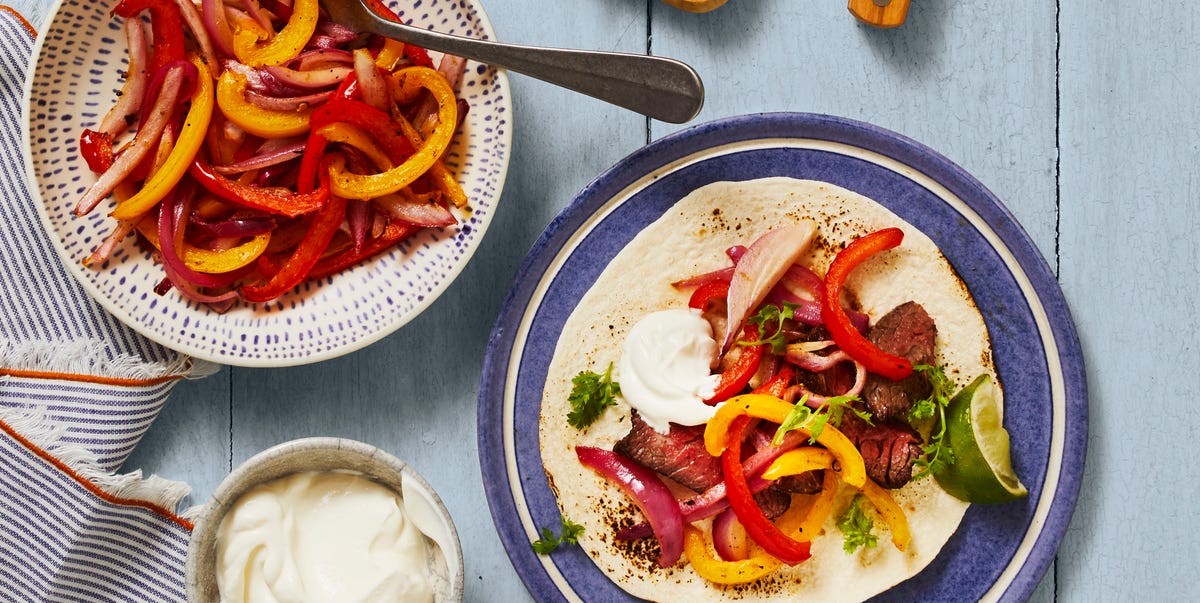
Steak fajitas are the dinner equivalent of a standing ovation. The skillet sizzles, the peppers show off their colors, the steak smells like it went on vacation to a smoky Tex-Mex cantina, and suddenly everyone at the table remembers they are “very hungry.” The best part? You do not need restaurant equipment, a culinary degree, or a dramatic fajita platter that announces itself from three rooms away. You only need the right cut of beef, a bold marinade, high heat, and the patience to let the steak rest before slicing.
This best steak fajitas recipe is designed for home cooks who want tender beef, charred vegetables, warm tortillas, and toppings that make each bite taste like a small celebration. It uses skirt steak or flank steak, both classic choices for fajitas because they cook quickly, absorb marinade beautifully, and slice into juicy strips. The marinade leans on lime juice, garlic, oil, cumin, chili powder, smoked paprika, and a little soy sauce for umami. That last ingredient is not traditional in every kitchen, but it works like a flavor amplifier wearing a tiny superhero cape.
What Makes This the Best Steak Fajitas Recipe?
Great steak fajitas depend on balance. The beef should be savory and slightly smoky, the vegetables should be tender but not sad, and the tortillas should be warm enough to fold without cracking. The magic comes from cooking everything hot and fast. Fajitas are not a low-and-slow situation. They are more like a weeknight dinner with excellent stage presence.
The best homemade steak fajitas also respect texture. A chewy steak fajita is not a tragedy, but it is an avoidable inconvenience. Choose skirt steak for the boldest beef flavor or flank steak for a leaner, easy-to-find option. Marinate the meat long enough to season it, but not so long that the acid turns the surface mushy. Then cook it over high heat, rest it, and slice thinly against the grain. That final slicing step is where good fajitas become “please make this again” fajitas.
Ingredients for Steak Fajitas
For the Steak and Marinade
- 1 1/2 pounds skirt steak or flank steak
- 1/4 cup fresh lime juice
- 3 tablespoons olive oil or avocado oil
- 2 tablespoons low-sodium soy sauce
- 3 cloves garlic, minced
- 1 teaspoon chili powder
- 1 teaspoon ground cumin
- 1 teaspoon smoked paprika
- 1/2 teaspoon dried oregano
- 1/2 teaspoon kosher salt
- 1/2 teaspoon black pepper
- 1 teaspoon brown sugar or honey, optional
- 1/4 teaspoon cayenne pepper, optional for heat
For the Peppers and Onions
- 2 tablespoons oil, divided
- 3 bell peppers, sliced into strips
- 1 large yellow or white onion, sliced
- 1/2 teaspoon kosher salt
- 1/2 teaspoon chili powder
- Juice of 1/2 lime
For Serving
- 8 to 10 warm flour or corn tortillas
- Fresh cilantro
- Sour cream or Mexican crema
- Guacamole or sliced avocado
- Pico de gallo or salsa
- Shredded cheese, optional
- Lime wedges
How To Make Steak Fajitas
Step 1: Make the Marinade
In a medium bowl, whisk together lime juice, oil, soy sauce, garlic, chili powder, cumin, smoked paprika, oregano, salt, pepper, and brown sugar if using. The lime brings brightness, the oil helps carry flavor and encourages browning, and the spices deliver that familiar fajita aroma that makes neighbors suddenly appear near the kitchen.
Step 2: Marinate the Steak
Place the steak in a large zip-top bag or shallow dish. Pour the marinade over the beef and turn it to coat. Refrigerate for at least 30 minutes and up to 4 hours. If you are using flank steak, you can push closer to 6 hours, but avoid an overnight soak with a very acidic marinade. More time is not always more flavor; sometimes it is just meat getting dramatically overexposed to lime juice.
Step 3: Prep the Vegetables
Slice the bell peppers and onions into strips of similar thickness so they cook evenly. You want vegetables that bend but still have personality. If they collapse into a pepper-and-onion puddle, they have gone too far and may need emotional support.
Step 4: Cook the Steak
Remove the steak from the marinade and pat it dry with paper towels. This is important. Wet steak steams; dry steak sears. Heat a cast-iron skillet, grill pan, or outdoor grill over high heat until very hot. Add a little oil if cooking indoors. Cook skirt steak for about 3 to 5 minutes per side, depending on thickness. Flank steak may need 4 to 6 minutes per side. For food safety, whole beef cuts should reach 145°F followed by a short rest, though many cooks prefer fajita steak around medium-rare to medium for tenderness.
Step 5: Rest and Slice
Transfer the steak to a cutting board and rest it for 5 to 10 minutes. Do not skip this step unless you enjoy watching the juices run away like they have a bus to catch. After resting, slice the steak thinly against the grain. Look for the long muscle fibers and cut across them, not with them. This makes each strip easier to chew and much more pleasant in a tortilla.
Step 6: Cook the Peppers and Onions
In the same skillet, add a little more oil if needed. Add the peppers and onions, season with salt and chili powder, and cook over medium-high heat for 6 to 8 minutes. Stir occasionally, allowing some edges to char. Finish with a squeeze of lime juice. The vegetables should be glossy, lightly blistered, and fragrant.
Step 7: Warm the Tortillas and Serve
Warm tortillas in a dry skillet, over a gas flame for a few seconds, or wrapped in foil in a low oven. Fill each tortilla with steak, peppers, onions, and toppings. Serve immediately, preferably while the skillet is still making that tiny sizzling sound that tells everyone dinner is not boring.
Best Steak for Fajitas
The top choices for homemade steak fajitas are skirt steak and flank steak. Skirt steak is rich, beefy, and ideal for high-heat cooking. It has a loose grain that drinks in marinade and develops delicious char. Flank steak is leaner and slightly thicker, with a cleaner beef flavor. It is widely available and easy to slice into neat strips.
If you cannot find either cut, try flap meat, hanger steak, sirloin steak, or flat iron steak. These cuts can still make excellent fajitas, especially when sliced thinly. Avoid expensive, ultra-tender steaks like filet mignon. They are wonderful, but fajitas do not need that kind of financial drama. Save the filet for steak night and let skirt steak do what it was born to do.
Tips for Tender, Juicy Steak Fajitas
Use High Heat
Fajitas need a hot pan or grill. High heat creates browning, and browning creates flavor. If the skillet is not hot enough, the steak will steam instead of sear. A cast-iron skillet is perfect because it holds heat well and gives the meat a beautiful crust.
Do Not Overcrowd the Pan
If your skillet is small, cook the steak first and the vegetables second. If you pile everything into the pan at once, the ingredients release moisture and turn into a group project nobody asked for. Give everything room to sizzle.
Rest Before Slicing
Resting lets the juices redistribute. Five minutes is the minimum; ten minutes is even better for thicker flank steak. The result is juicier slices and fewer regrets.
Slice Against the Grain
This is the tender fajita commandment. Cutting against the grain shortens the muscle fibers, making the steak easier to chew. It is especially important for skirt and flank steak, which are flavorful but naturally fibrous cuts.
Skillet, Grill, or Sheet Pan: Which Method Is Best?
The skillet method is best for most home cooks because it is fast, reliable, and works year-round. Cast iron gives great browning and lets you cook the vegetables in the steak drippings. The grill method adds smoky flavor and is ideal for summer cookouts. If using a grill, keep the heat high and oil the grates before cooking.
A sheet-pan version is useful when you want a lower-maintenance dinner. Slice the vegetables, season them, and roast them on a hot sheet pan. Cook the steak separately or add it near the end depending on thickness. Sheet-pan steak fajitas are convenient, though they may not deliver the same deep char as a skillet or grill. Still, on a busy Tuesday, convenience deserves applause.
What To Serve With Steak Fajitas
Steak fajitas are already a full meal, but side dishes can turn them into a feast. Serve them with cilantro-lime rice, Mexican rice, refried beans, black beans, charred corn, or a crisp salad. Chips and salsa are always welcome, especially if dinner guests arrive early and start hovering.
For toppings, keep a mix of creamy, fresh, spicy, and acidic options. Guacamole adds richness, pico de gallo adds brightness, sour cream cools the spices, and lime juice wakes everything up. Pickled onions or sliced jalapeños are excellent if you like a sharper bite.
Common Steak Fajita Mistakes
Using Too Much Acid
Lime juice is essential, but too much can make the meat surface soft and unpleasant. Balance acid with oil and seasonings. A good marinade should flavor the steak, not chemically negotiate with it for six hours.
Skipping the Pat-Dry Step
After marinating, always pat the steak dry. This helps the meat brown instead of steam. You will still get the flavor of the marinade, but with a better crust.
Cutting the Steak the Wrong Way
Even perfectly cooked steak can taste tough if sliced with the grain. Take a few seconds to identify the muscle fibers before cutting. Your jaw will send a thank-you note.
Forgetting to Warm the Tortillas
Cold tortillas are technically edible, but so is plain oatmeal, and nobody is throwing a parade for it. Warm tortillas are softer, more flexible, and much better at holding juicy steak and toppings.
Storage and Reheating
Store leftover steak, peppers, and onions in an airtight container in the refrigerator for up to 3 to 4 days. Keep tortillas and cold toppings separate. To reheat, warm the steak gently in a skillet over medium-low heat with a splash of water or broth. Avoid blasting it in the microwave for too long, which can turn tender strips into fajita-flavored rubber bands.
Leftover steak fajitas are excellent in rice bowls, quesadillas, salads, nachos, breakfast tacos, or scrambled eggs. In fact, leftover fajita steak in the morning is proof that yesterday’s dinner believed in your future.
Recipe Variations
Spicy Steak Fajitas
Add cayenne pepper, minced jalapeño, chipotle powder, or a spoonful of adobo sauce to the marinade. Serve with hot salsa and pickled jalapeños for extra heat.
Citrus-Garlic Fajitas
Use a mix of lime juice and orange juice for a slightly sweeter marinade. This works especially well with skirt steak and gives the beef a bright, sunny flavor.
Steak Fajita Bowls
Skip the tortillas and serve the steak and vegetables over rice, quinoa, or lettuce. Add black beans, corn, avocado, salsa, and a drizzle of crema for an easy meal-prep lunch.
Low-Carb Steak Fajitas
Serve the steak and vegetables in lettuce cups or over cauliflower rice. Add guacamole, salsa, and cheese for a satisfying plate without tortillas.
Real-World Experiences: What Cooking Steak Fajitas Teaches You
The first time many home cooks make steak fajitas, they discover one important truth: the recipe is easy, but timing matters. Fajitas move quickly. The pan gets hot, the steak sears fast, the vegetables need attention, and the tortillas somehow become everyone’s responsibility and no one’s responsibility at the same time. The best experience comes from prepping everything before the heat goes on. Slice the peppers, mix the marinade, set out the toppings, and have the tortillas ready. Once the skillet starts smoking slightly, you are no longer casually cooking; you are conducting a delicious orchestra.
One of the most satisfying parts of making steak fajitas at home is learning how much flavor can come from simple ingredients. Lime, garlic, cumin, and chili powder may not look dramatic in a bowl, but once they meet hot beef and sizzling onions, they become something bigger. That is the charm of fajitas. They are not fussy. They do not require tweezers, foam, or a tiny edible flower placed with surgical focus. They reward good basics: heat, seasoning, patience, and a sharp knife.
Another experience worth mentioning is the “topping negotiation.” In some families, steak fajita night turns into a build-your-own dinner party. One person wants extra guacamole. Another wants only peppers, no onions, because onions apparently committed a personal offense in 2009. Someone else adds cheese, salsa, sour cream, cilantro, and enough lime juice to qualify as weather. This flexibility makes fajitas perfect for groups. The main filling stays the same, but each tortilla becomes personal.
Cooking fajitas also teaches respect for resting meat. It is tempting to slice the steak immediately because it smells incredible and everyone is staring at it like it owes them money. But waiting a few minutes makes a big difference. The steak stays juicier, slices more cleanly, and tastes better. That short rest is the quiet hero of the recipe.
Finally, homemade steak fajitas prove that restaurant-style food can absolutely happen in a normal kitchen. You may not get the dramatic cast-iron platter sailing through a dining room, but you will get tender steak, smoky vegetables, warm tortillas, and the kind of dinner that makes people reach for seconds before they finish firsts. That is the real win. Fajitas are casual, colorful, and generous. They feel special without being complicated, which is exactly what a great weeknight recipe should be.
Conclusion
The best steak fajitas recipe starts with flavorful beef, a balanced marinade, high heat, and smart slicing. Skirt steak gives the boldest fajita flavor, while flank steak is a reliable and easy-to-find option. A quick lime-garlic marinade seasons the meat, a hot skillet creates the char, and sautéed peppers and onions bring sweetness and color. Serve everything in warm tortillas with guacamole, salsa, sour cream, cilantro, and lime wedges, and you have a dinner that tastes festive without requiring heroic effort.
Whether you cook these steak fajitas in a cast-iron skillet, on the grill, or as a sheet-pan variation, the core rules stay the same: do not over-marinate, do not overcrowd the pan, let the steak rest, and slice against the grain. Follow those steps and your fajitas will be juicy, tender, and ready to disappear faster than you expected.