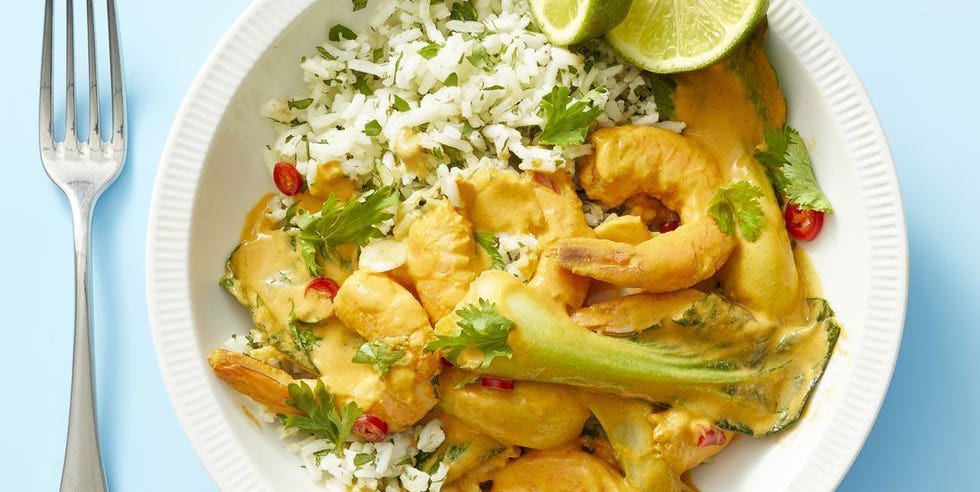
Some dinners politely knock on the door. Red curry shrimp and cilantro rice kicks it open wearing sunglasses, carrying coconut milk, and smelling like the best decision you have made all week. This dish is creamy, spicy, citrusy, herb-packed, and fast enough for a Tuesday night when your motivation is running on one sad granola bar and optimism.
The beauty of this red curry shrimp recipe is its balance. Thai red curry paste brings chile heat, garlic, lemongrass, galangal, and warm spice. Coconut milk softens the edges. Shrimp cooks in minutes. Cilantro rice catches every drop of sauce like a delicious little safety net. Together, they make a restaurant-style shrimp curry bowl without the delivery fee, the mystery wait time, or the tiny container of rice that somehow feeds half a person.
This guide shows you how to make red curry shrimp and cilantro rice with clear steps, smart substitutions, cooking tips, storage advice, and flavor-building tricks. The goal is not just “dinner.” The goal is a bowl that makes everyone at the table go suspiciously quiet because they are too busy eating.
Why This Is the Best Red Curry Shrimp and Cilantro Rice Recipe
The best version of this dish should be bold but not bossy, creamy but not heavy, and quick without tasting rushed. This recipe uses a few professional-style techniques that home cooks can easily master.
It blooms the curry paste first
Red curry paste tastes deeper when it is cooked briefly in oil before the coconut milk goes in. This step wakes up the aromatics, rounds out the chile flavor, and keeps the finished sauce from tasting flat. Think of it as giving the curry paste a tiny spa day in a hot pan.
It uses full-fat coconut milk
Light coconut milk can work in a pinch, but full-fat coconut milk gives the sauce that glossy, luxurious texture that makes rice feel important. For the creamiest curry, shake the can well before opening, or scoop the thick cream from the top and cook it with the curry paste first.
It cooks the shrimp gently
Shrimp is a delicate little overachiever. It goes from raw to perfect quickly, then from perfect to rubber band even faster. For tender shrimp, simmer it just until it turns pink, opaque, and lightly curled. A tight “O” shape usually means it has cooked too long; a gentle “C” shape is the sweet spot.
It finishes with fresh lime and cilantro
Lime juice and fresh herbs belong at the end. Heat dulls their brightness, so add them after cooking for a clean, fresh finish that lifts the whole bowl.
Ingredients for Red Curry Shrimp
This recipe serves 4 generous portions.
For the shrimp curry
- 1 1/2 pounds large shrimp, peeled and deveined
- 1 tablespoon neutral oil, such as avocado, canola, or vegetable oil
- 3 tablespoons Thai red curry paste, plus more to taste
- 3 cloves garlic, minced
- 1 tablespoon fresh ginger, grated
- 1 red bell pepper, thinly sliced
- 1 cup snap peas, green beans, or zucchini
- 1 can full-fat coconut milk, 13.5 to 14 ounces
- 1 tablespoon fish sauce
- 1 teaspoon brown sugar or coconut sugar
- 1 tablespoon fresh lime juice, plus wedges for serving
- 1/4 cup chopped cilantro
- Optional: sliced red chile, Thai basil, scallions, or chopped peanuts
For the cilantro rice
- 1 1/2 cups jasmine rice
- 2 cups water
- 1/2 teaspoon kosher salt
- 1 tablespoon butter or neutral oil
- 1/2 cup fresh cilantro, finely chopped
- 1 tablespoon lime juice
- 1 teaspoon lime zest
How to Make Cilantro Rice
Great curry deserves great rice. Do not treat the rice like an afterthought, because it has an important job: absorbing sauce without turning into paste.
Step 1: Rinse the rice
Place jasmine rice in a fine-mesh strainer and rinse under cool water until the water runs mostly clear. This removes excess surface starch, helping the grains cook up fluffy instead of sticky. You are not washing away flavor; you are washing away future regret.
Step 2: Cook low and steady
Add rinsed rice, water, salt, and butter or oil to a medium saucepan. Bring to a boil, reduce the heat to low, cover, and cook for 14 to 16 minutes. Do not stir while it cooks. Rice enjoys privacy.
Step 3: Let it rest
Turn off the heat and let the covered pot sit for 10 minutes. This resting time finishes the steaming process and helps the texture even out.
Step 4: Fluff and finish
Fluff the rice with a fork, then stir in chopped cilantro, lime juice, and lime zest. Taste and adjust with a pinch more salt if needed. The rice should taste fresh, lightly citrusy, and fragrantnot like it fell into a bottle of lime juice and could not escape.
How to Make Red Curry Shrimp
Step 1: Prep before heating the pan
Shrimp curry moves quickly, so have everything sliced, measured, and ready. Pat the shrimp dry with paper towels. This helps them cook evenly and keeps extra water from thinning the sauce.
Step 2: Bloom the curry paste
Heat oil in a large skillet or sauté pan over medium heat. Add the red curry paste and cook for 1 to 2 minutes, stirring constantly. It should become fragrant and slightly darker. If it smells amazing and makes you suddenly proud of your life choices, you are doing it right.
Step 3: Add aromatics and vegetables
Stir in garlic and ginger and cook for 30 seconds. Add the bell pepper and snap peas, green beans, or zucchini. Cook for 2 to 3 minutes, just until the vegetables begin to soften but still have color and crunch.
Step 4: Build the coconut curry sauce
Pour in the coconut milk and stir until the curry paste dissolves into the sauce. Add fish sauce and brown sugar. Bring the mixture to a gentle simmer, not a wild boil. A hard boil can make coconut milk separate and can toughen the shrimp once they go in.
Step 5: Simmer the shrimp
Add the shrimp in an even layer and simmer for 3 to 5 minutes, depending on size. Stir gently once or twice. The shrimp are done when they are pink, opaque, and just curled. Remove the pan from heat as soon as they are cooked.
Step 6: Finish with lime and herbs
Stir in lime juice and cilantro. Taste the sauce. If it needs more salt, add a small splash of fish sauce. If it tastes too spicy, add a bit more coconut milk. If it tastes too rich, add more lime. If it tastes perfect, try not to eat it straight from the pan while standing over the stove like a raccoon with standards.
Recipe Card: Red Curry Shrimp and Cilantro Rice
Prep time
15 minutes
Cook time
20 minutes
Total time
35 minutes
Servings
4
Instructions summary
- Rinse jasmine rice until water runs mostly clear.
- Cook rice with water, salt, and butter or oil; rest covered for 10 minutes.
- Fluff rice with cilantro, lime juice, and lime zest.
- Cook red curry paste in oil until fragrant.
- Add garlic, ginger, and vegetables; sauté briefly.
- Add coconut milk, fish sauce, and sugar; simmer gently.
- Add shrimp and cook just until pink and opaque.
- Finish with lime juice and cilantro, then serve over rice.
Best Tips for Perfect Red Curry Shrimp
Choose the right shrimp
Large shrimp work best because they stay juicy and look beautiful in the bowl. Fresh shrimp should smell clean and mild, never sour or ammonia-like. Frozen shrimp are often a smart choice because they are usually frozen soon after harvest. Thaw them overnight in the refrigerator or under cold running water if you are in a hurry.
Do not skip the fish sauce
Fish sauce adds savory depth. It should not make the curry taste fishy; it should make it taste complete. If you need a substitute, try soy sauce or tamari, though the flavor will be slightly different.
Adjust the heat level
Red curry paste varies by brand. Start with 2 tablespoons if you are sensitive to spice, or use 3 to 4 tablespoons if you want a bolder curry. For more fire, add sliced Thai chile or a pinch of crushed red pepper. For a milder bowl, add extra coconut milk or serve with more rice.
Use quick-cooking vegetables
Bell peppers, snap peas, green beans, zucchini, spinach, bok choy, mushrooms, and asparagus all work well. Avoid vegetables that need long cooking unless you par-cook them first. Nobody wants to bite into a raw sweet potato hiding in a silky curry sauce.
Flavor Variations and Substitutions
Make it extra creamy
Add 2 tablespoons of coconut cream at the end for a richer sauce. This is especially good if you are serving the curry for guests and want it to feel slightly fancy without requiring a white tablecloth or emotional preparation.
Make it brighter
Add lime zest, extra lime juice, or a handful of Thai basil. Fresh herbs are a quick way to make a simple curry taste layered and lively.
Make it more filling
Add cubed tofu, chickpeas, or extra vegetables. You can also serve the curry with brown rice, rice noodles, or cauliflower rice.
Make it dairy-free and gluten-free
This recipe is naturally dairy-free if you use oil instead of butter in the rice. For gluten-free cooking, check the labels on curry paste and fish sauce, as ingredients vary by brand.
What to Serve with Red Curry Shrimp and Cilantro Rice
This shrimp curry is hearty enough to stand alone, but side dishes can turn it into a full dinner spread. Try a crisp cucumber salad with rice vinegar, a mango slaw, steamed edamame, roasted broccoli, or simple lettuce cups. For toppings, add scallions, toasted coconut, chopped peanuts, sesame seeds, fresh basil, or extra cilantro.
A squeeze of lime at the table is non-negotiable in the nicest possible way. It sharpens the sauce, wakes up the shrimp, and keeps the coconut milk from feeling too heavy.
How to Store and Reheat Leftovers
Store leftover red curry shrimp and cilantro rice in separate airtight containers when possible. Refrigerate for up to 3 days. Shrimp can become tough when reheated too aggressively, so warm the curry gently in a skillet over low heat. Add a splash of water or coconut milk to loosen the sauce.
Reheat rice with a small sprinkle of water, covered, in the microwave or on the stovetop. The steam helps bring back its fluffy texture. Avoid boiling leftover shrimp curry like you are trying to punish it for something. Gentle heat is your friend.
Common Mistakes to Avoid
Using too much heat
A gentle simmer keeps the sauce smooth and the shrimp tender. High heat can cause coconut milk to separate and shrimp to overcook.
Adding lime too early
Lime juice tastes freshest when added after cooking. If you simmer it too long, the flavor becomes dull and less vibrant.
Overcrowding the pan
Use a wide skillet so the shrimp cook evenly. If the pan is packed too tightly, the shrimp may steam unevenly and release extra liquid into the sauce.
Forgetting to taste
Curry is all about balance. Before serving, taste for salty, sweet, sour, spicy, and creamy notes. A splash of fish sauce, a squeeze of lime, or a pinch of sugar can make the difference between “good” and “why is everyone scraping the pan?”
Experience Notes: What This Dish Teaches You in the Kitchen
Red curry shrimp and cilantro rice is one of those recipes that quietly makes you a better cook. At first glance, it looks like a simple weeknight dinner: rice, shrimp, sauce, done. But once you make it a few times, you start noticing the small decisions that separate an average curry from a memorable one.
The first lesson is timing. Shrimp does not wait for anyone. If your rice is not finished, your vegetables are not sliced, or your lime is still rolling around somewhere in the fridge, the shrimp will not politely pause. This recipe rewards preparation. When everything is chopped and measured before the pan gets hot, the cooking feels smooth, almost relaxing. When it is not, the kitchen becomes a tiny seafood-themed obstacle course.
The second lesson is balance. Red curry paste brings heat and complexity, but it needs support. Coconut milk gives richness, fish sauce brings salt and umami, sugar softens the edges, and lime juice adds sparkle. None of these ingredients should dominate. The best bite is creamy, savory, spicy, and bright all at once. It is the edible version of a group project where everyone actually did their part.
The third lesson is restraint. Many home cooks overcook shrimp because they are afraid of undercooking it. That fear is understandable, but shrimp gives clear visual clues. Watch for the color to change from gray and translucent to pink and opaque. Once the shrimp curl gently, they are ready. Pulling the pan off the heat at the right moment makes the shrimp juicy and tender, not bouncy and sad.
The rice also teaches patience. Rinsing may feel like an extra step, but it helps the grains stay separate. Letting the rice rest after cooking may feel unnecessary, especially when the curry smells incredible, but that short pause creates better texture. The cilantro and lime should be folded in after the rice is cooked so the herbs stay fresh and the citrus stays lively.
This recipe is especially useful for real life because it is flexible. If you have snap peas, use them. If you have zucchini, use that. If the cilantro looks dramatic and wilted, swap in basil or scallions. If you want a lighter bowl, add more vegetables. If you want comfort food, go heavy on the coconut sauce and serve it over a mountain of jasmine rice. The recipe gives you structure without acting like a kitchen dictator.
It is also a great dinner for guests because it looks more complicated than it is. A bowl of red curry shrimp with fluffy cilantro rice, lime wedges, and fresh herbs feels colorful and generous. People assume you worked much harder than you did. Accept the compliments. You bloomed curry paste and cooked rice properly; you earned this tiny culinary fraud.
Most importantly, red curry shrimp and cilantro rice proves that fast food does not have to mean boring food. In about 35 minutes, you can build a dinner with fragrance, texture, heat, freshness, and comfort. It is practical enough for weeknights and impressive enough for weekends. That is the kind of recipe worth keeping close.
Conclusion
The best red curry shrimp and cilantro rice recipe is all about smart cooking, not complicated cooking. Bloom the curry paste, use full-fat coconut milk, simmer the shrimp gently, and finish with lime and fresh herbs. Pair it with fluffy cilantro rice, and you get a bright, creamy, satisfying dinner that tastes like it took much longer than it did.
This dish is flexible, fast, and full of personality. It welcomes extra vegetables, handles different spice levels, and reheats well with a gentle touch. Whether you are cooking for family, friends, or just yourself after a long day, red curry shrimp and cilantro rice delivers comfort with a little dramaand honestly, dinner could use more drama when it comes with coconut milk.