Note: This article is for educational purposes and is not a substitute for professional medical or dental care. If a child has persistent bad breath, pain, fever, breathing trouble, one-sided foul nasal discharge, dehydration, or symptoms that worry you, contact a pediatrician, pediatric dentist, or urgent care provider.
Bad breath in kids can be surprising. Babies are supposed to smell like warm blankets and tiny pajamas, toddlers like applesauce and adventure, and school-age kids like crayons and snack crumbs. So when your child leans in for a hug and their breath says, “I have been storing a science project behind my molars,” it is natural to wonder what is going on.
The good news: bad breath in toddlers, infants, and children is usually manageable. The medical word is halitosis, but parents usually call it “morning breath,” “dragon breath,” or “please go brush again.” In many cases, the cause is simple: food particles, plaque, tongue coating, dry mouth, cavities, mouth breathing, allergies, sinus drainage, or a missed dental routine. Less often, bad breath can point to a medical issue that needs a pediatrician, dentist, or ear, nose, and throat specialist.
This guide explains the most common causes of bad breath in kids, what parents can do at home, when to call a professional, and how to build a fresh-breath routine that does not require a wrestling match in the bathroom every night.
What Causes Bad Breath in Kids?
Most bad breath begins in the mouth. Bacteria naturally live there, and when they feed on leftover food, plaque, mucus, or dead cells, they can release unpleasant-smelling compounds. That is why a child’s breath may smell worse after sleep, illness, skipped brushing, or a snack that clings to teeth like it signed a lease.
1. Poor Brushing and Flossing
Children are enthusiastic about many things: jumping on couches, asking “why,” and opening yogurt tubes from the wrong end. Brushing thoroughly is not always one of their natural talents. Young kids often miss the gumline, back molars, and the inner surfaces of teeth. If teeth touch, food can hide between them, and brushing alone may not remove it.
When plaque builds up, it can cause a sour or musty odor. Over time, plaque also increases the risk of cavities and gum irritation. A child may brush “by themselves,” but if the toothbrush is mostly polishing the front teeth for 12 seconds, the bacteria in the back are basically throwing a party.
2. Tongue Coating
The tongue is a major hiding place for odor-causing bacteria. Its surface has tiny grooves and bumps that can trap milk residue, food particles, mucus, and bacteria. A white or yellowish coating on the tongue does not always mean something serious, but it can contribute to bad breath.
For toddlers and older children, gently brushing the tongue can help. The key word is gently. This is not a kitchen floor. A soft toothbrush and a light touch are enough.
3. Dry Mouth and Mouth Breathing
Saliva is the mouth’s built-in cleaning crew. It helps rinse away food particles, neutralize acids, and keep bacteria under control. When a child has a dry mouth, bad breath can show up quickly.
Dry mouth may happen when a child is dehydrated, has a stuffy nose, breathes through the mouth at night, sleeps with an open mouth, or takes certain medicines. If your child snores, wakes with dry lips, seems congested often, or breathes through the mouth even when not sick, bring it up with a pediatrician. Allergies, enlarged tonsils or adenoids, and chronic nasal congestion can all play a role.
4. Cavities or Gum Problems
Cavities can trap food and bacteria, creating an odor that brushing may not fix. Gum inflammation can also smell unpleasant, especially around loose baby teeth. When a tooth is wiggly, kids may avoid brushing that area because it feels tender. Unfortunately, that gives plaque a chance to settle in like an unwanted roommate.
Watch for tooth pain, sensitivity, swollen gums, bleeding during brushing, brown or white spots on teeth, or a child chewing on one side. These signs deserve a dental visit.
5. Sinus Drainage, Colds, and Allergies
Postnasal drip can give kids bad breath. Mucus draining from the nose and sinuses into the throat can feed bacteria and create a stale smell. This is common during colds, allergies, and sinus infections.
Possible clues include a runny or stuffy nose, coughing at night, throat clearing, facial pressure, thick nasal mucus, or bad breath that appears during allergy season. If symptoms last longer than expected, worsen, or come with fever or facial pain, ask a pediatrician.
6. A Foreign Object in the Nose
This one is especially important for toddlers and preschoolers. Young children sometimes put small objects in their noses: beads, peas, tissue, foam, tiny toy pieces, and other items that make parents ask, “But why?”
A foreign object in the nose can cause a strong odor, often with drainage from only one nostril. The smell may seem like it is coming from the mouth, but the source is actually the nose. If your child has one-sided, foul-smelling nasal discharge, do not try deep digging at home. Call a healthcare provider. If there is breathing trouble, choking, or blue lips, seek emergency care immediately.
7. Tonsils and Throat Issues
Large tonsils, tonsil pockets, tonsil stones, or throat infections may contribute to bad breath. Some children with enlarged tonsils also snore, sleep poorly, breathe through the mouth, or sound congested. If bad breath comes with sore throat, fever, swollen neck glands, trouble swallowing, or ongoing snoring, a pediatrician can check whether the throat or tonsils are involved.
8. Reflux or Digestive Issues
Parents often assume bad breath must be “from the stomach.” Sometimes reflux can contribute, especially if a child has frequent sour burps, chest discomfort, nausea, coughing after meals, hoarseness, or a burning sensation. However, most bad breath in kids still begins in the mouth, nose, throat, or dental routine. It is wise to check the basics before blaming the belly.
Bad Breath in Infants: What Parents Can Do
Infant bad breath is less common than toddler bad breath, but it can happen. Milk residue, dry mouth, reflux, oral thrush, nasal congestion, or feeding habits may be involved.
Clean the Gums Before Teeth Arrive
Before your baby has teeth, gently wipe the gums with a clean, soft, damp cloth. This helps remove milk residue and builds a healthy routine early. Think of it as the baby version of brushing: tiny, simple, and usually accompanied by a lot of adorable confusion.
Brush as Soon as the First Tooth Appears
Once the first tooth erupts, brush twice daily with a soft, infant-sized toothbrush. Use a tiny smear of fluoride toothpaste about the size of a grain of rice unless your pediatrician or dentist gives different instructions. The amount matters because babies cannot spit well yet.
Do Not Put Babies to Bed With Bottles
Milk, formula, juice, or sweet drinks sitting on teeth overnight can increase cavity risk. If your baby uses a bottle at bedtime, talk with your pediatrician or dentist about a safe plan to protect teeth while still keeping sleep routines realistic. Parents are not robots; the goal is progress, not perfection.
Call a Doctor for Unusual Symptoms
Contact a pediatrician if your infant has bad breath with fever, poor feeding, vomiting, breathing difficulty, white patches in the mouth, dehydration signs, or a sudden change that feels unusual. Babies cannot explain what hurts, so persistent changes deserve attention.
Bad Breath in Toddlers: The Most Common Fixes
Toddler bad breath often comes from a combination of snack debris, inconsistent brushing, mouth breathing, and the magical toddler ability to hide food in places no adult would consider.
Brush Twice a Day
Use a soft child-sized toothbrush and brush morning and night. For children under 3, use a rice-sized smear of fluoride toothpaste. For children ages 3 to 6, use a pea-sized amount. Help your child spit, but do not panic if a toddler swallows a tiny amount used correctly.
Parents should do the final brushing pass for young children. Toddlers may “help,” but they do not yet have the coordination to clean every surface well. A good rule: let the child brush first for independence, then the adult takes a turn for effectiveness.
Brush the Tongue Gently
After brushing teeth, lightly brush the tongue from back to front. Avoid gagging your child or turning it into a dramatic Broadway production. A few gentle strokes can reduce tongue coating and odor.
Offer Water Often
Water helps rinse the mouth and support saliva flow. If your toddler drinks mostly milk or juice between meals, the mouth may have more sugars available for bacteria. Water between meals is a simple breath-friendly habit.
Check for Nose Clues
If the smell is strong, sudden, and paired with drainage from one nostril, consider the possibility of something stuck in the nose. Toddlers are curious scientists, and sometimes the laboratory is their own face.
Bad Breath in School-Age Children
Older children may have bad breath from rushed brushing, missed flossing, braces, retainers, sports mouthguards, dry mouth, cavities, gum inflammation, diet, allergies, or tonsil issues. They may also feel embarrassed, so approach the topic gently.
Make Brushing a Two-Minute Habit
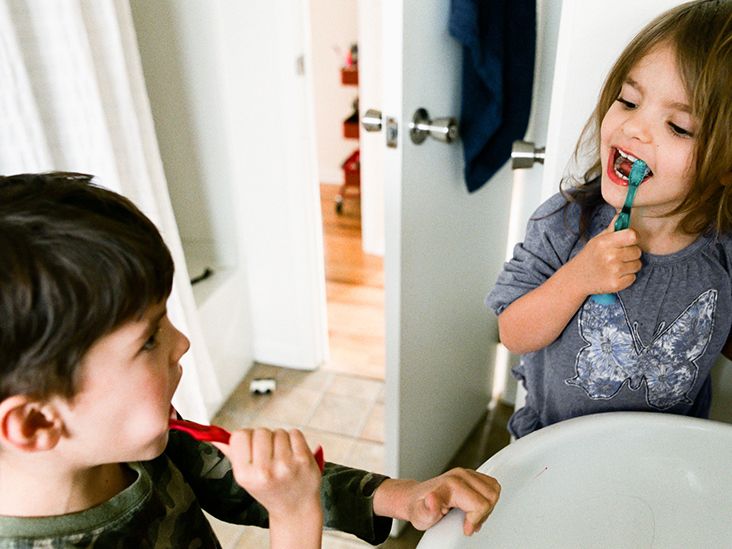
Children should brush twice daily for about two minutes. A timer, song, brushing app, or electric toothbrush can help. The goal is not to shame them; it is to make the routine automatic. Bad breath talks. A timer helps it use its inside voice.
Floss Where Teeth Touch
Once teeth touch, toothbrush bristles cannot fully clean between them. Flossers can be easier for children than string floss. If your child has braces, ask the dentist or orthodontist about floss threaders, water flossers, or special brushes.
Clean Retainers and Mouthguards
Retainers and mouthguards can smell terrible if they are not cleaned. Rinse them after use, brush them as directed, and store them in a ventilated case. A closed, damp case can become a tiny bacteria spa, and nobody needs that.
Watch for Diet Triggers
Garlic, onions, spicy foods, high-sugar snacks, and sticky foods can affect breath. So can skipping meals, because an empty mouth can become dry. Encourage balanced meals, water, crunchy fruits and vegetables when age-appropriate, and consistent oral care.
When Bad Breath Means “Call the Dentist”
Schedule a dental visit if bad breath lasts more than two weeks despite good brushing and flossing, or if you notice:
- Tooth pain or sensitivity
- Bleeding, swollen, or red gums
- Brown, black, or chalky white spots on teeth
- Food getting stuck in the same place repeatedly
- Bad breath soon after brushing
- A loose tooth area that looks irritated
- No dental visit by the first birthday
Children should establish a dental home by about age 1. Early dental visits are not just about fixing cavities. They help parents learn brushing techniques, fluoride use, diet tips, and what is normal for a child’s mouth.
When to Call the Pediatrician
Call a pediatrician if bad breath comes with symptoms outside the mouth, such as:
- Fever, sore throat, or swollen glands
- Persistent cough or thick nasal drainage
- Facial pain or sinus pressure
- Frequent vomiting, sour burps, or reflux symptoms
- Snoring, pauses in breathing, or chronic mouth breathing
- One-sided foul-smelling nasal discharge
- Unusual fruity, chemical, or ammonia-like breath odor
- Signs of dehydration, weight loss, or extreme fatigue
Seek emergency help if your child has trouble breathing, choking, blue lips, severe weakness, or cannot stay hydrated.
Fresh-Breath Routine by Age
Infants
- Wipe gums with a clean damp cloth.
- Brush twice daily when the first tooth appears.
- Use a rice-sized smear of fluoride toothpaste.
- Avoid bottles of milk, formula, or juice sitting on teeth overnight.
- Schedule the first dental visit by age 1.
Toddlers
- Brush morning and night with adult help.
- Use a rice-sized smear under age 3 and a pea-sized amount from ages 3 to 6.
- Brush the tongue gently.
- Offer water between meals.
- Check for nasal symptoms, especially one-sided drainage.
Children
- Brush twice daily for two minutes.
- Floss daily where teeth touch.
- Clean braces, retainers, and mouthguards carefully.
- Visit the dentist regularly.
- Tell a parent if breath changes, teeth hurt, or gums bleed.
Common Mistakes Parents Make
Using Mouthwash as the Main Fix
Mouthwash may temporarily cover odor, but it does not remove plaque, cavities, trapped food, or sinus drainage. For younger children, mouthwash can also be risky if they swallow it. Use only age-appropriate products and ask a dentist first, especially for children under 6.
Letting Kids Brush Alone Too Early
Independence is great. Plaque is not. Many children need help brushing until they have the coordination to do a thorough job. If your child still writes letters backward, ties shoes with creative knots, or brushes one tooth with deep commitment while ignoring the other nineteen, they probably need supervision.
Forgetting the Tongue
Teeth get all the glory, but the tongue may be the odor headquarters. A quick gentle tongue brush can make a noticeable difference.
Ignoring Nose and Sleep Symptoms
If a child snores, mouth-breathes, has chronic congestion, or wakes with dry mouth, the breath problem may not be solved by brushing alone. The nose and throat may need attention too.
Experience-Based Tips From Real Family Routines
One of the most helpful lessons parents learn is that fresh breath is not one magic product. It is a routine. In many homes, the biggest improvement comes from making the routine predictable, short, and slightly fun. Children are more likely to cooperate when brushing happens at the same times every day: after breakfast and before bed. When brushing is random, it becomes a negotiation. And if you have ever negotiated with a tired toddler, you know the toddler usually brings stronger legal representation.
A practical approach is the “your turn, my turn” method. The child brushes first while the parent cheers them on. Then the parent says, “Now I’ll get the sugar bugs hiding in the back.” This keeps the child involved while still making sure the molars, gumline, and tongue are actually cleaned. For toddlers who clamp their lips shut, try brushing while they sit on your lap facing a mirror. Seeing what is happening can make the process less mysterious.
Another real-life trick is to connect brushing with something the child already likes. A two-minute song, a sticker chart, a silly toothbrush voice, or a bedtime story only after brushing can work better than repeating “open your mouth” forty-seven times. Some families keep two toothbrushes: one for the child to hold and one for the adult to use. This gives busy little hands a job and reduces toothbrush wrestling.
For school-age children, bad breath often improves when parents stop assuming “I brushed” means “I brushed well.” A quick breath check is not always kind or useful, but a routine check of the toothbrush, toothpaste amount, and flossing habit can help. Ask children to brush in the bathroom rather than while wandering the house, because mobile brushing often turns into three seconds of brushing plus two minutes of looking for a missing sock.
Parents also discover that hydration matters. A child who plays hard, talks nonstop, sleeps with an open mouth, or drinks very little water may wake with strong breath. Keeping a water bottle available, especially after sports or outdoor play, can help. If breath is worst in the morning but improves after water, breakfast, and brushing, it may simply be dry-mouth morning breath.
Food patterns matter too. Sticky snacks, crackers, dried fruit, and sweets can cling to teeth. That does not mean kids can never enjoy them, but it does mean brushing and water become more important. A child who eats cheese crackers before bed and then “brushes” like they are dusting a butterfly may wake up with breath that could peel paint.
One parent-tested habit is the weekly “mouth check.” Under good light, look for red gums, trapped food, loose teeth, white tongue coating, sores, or spots on teeth. This is not a medical exam, but it helps parents notice changes early. If one area smells bad, bleeds, or hurts, schedule a dental visit.
Finally, trust your instincts. If your child’s bad breath appears suddenly, smells unusually strong, or comes with nasal drainage, fever, pain, snoring, or behavior changes, do not just buy stronger toothpaste. Children’s breath can give useful clues. Most of the time, the answer is simple. Sometimes, it is the body politely waving a tiny flag.
Conclusion
Bad breath in kids is common, usually fixable, and rarely a reason to panic. Start with the basics: brush twice daily, use the right amount of fluoride toothpaste, clean the tongue gently, floss where teeth touch, encourage water, and keep regular dental visits. For toddlers and infants, adult help is essential. For older children, supervision and consistency still matter.
If bad breath continues despite good oral care, look beyond the toothbrush. Dry mouth, mouth breathing, allergies, sinus drainage, cavities, tonsils, reflux, or a foreign object in the nose may be involved. The best plan is simple: clean the mouth well, observe patterns, and call the right professional when symptoms persist. Fresh breath is not about perfection. It is about small daily habits that keep your child comfortable, healthy, and slightly less dragon-like at breakfast.