A healthy heart usually keeps time like a dependable drummer. With atrial fibrillation, however, the electrical system begins improvising an energetic jazz solo that nobody requested. The heart’s upper chambers beat rapidly and irregularly, while the lower chambers struggle to keep up with the unpredictable rhythm.
Atrial fibrillation, commonly called AFib or AF, is the most common type of treated heart arrhythmia. Some people experience obvious heart palpitations, breathlessness, or fatigue. Others have no symptoms and discover the condition during a routine examination, an electrocardiogram, or an alert from a wearable device. AFib is not always immediately life-threatening, but it deserves medical attention because it can contribute to blood clots, stroke, heart failure, and other cardiovascular complications.
What Is Atrial Fibrillation?
The heart has four chambers: two upper chambers called the atria and two lower chambers called the ventricles. Normally, an electrical signal begins in the sinoatrial node, the heart’s natural pacemaker. That signal travels through the atria and then into the ventricles, producing an organized squeeze-and-release pattern.
During AFib, numerous chaotic electrical impulses compete for control in the atria. Instead of contracting effectively, the atria quiver. The ventricles still pump blood, but their timing may become irregular and sometimes too fast.
This disorganized movement can allow blood to collect in parts of the atria, especially a small pouch called the left atrial appendage. When blood remains relatively still, a clot may form. If that clot leaves the heart and blocks an artery supplying the brain, it can cause an ischemic stroke.
Common AFib patterns
- Paroxysmal AFib: Episodes begin suddenly and stop on their own, generally within seven days and often within 24 hours.
- Persistent AFib: The abnormal rhythm continues for more than seven days and may require medication or cardioversion to restore normal rhythm.
- Long-standing persistent AFib: AFib continues for more than 12 months.
- Permanent AFib: The patient and medical team decide not to continue attempts to restore a normal rhythm, focusing instead on heart-rate control and complication prevention.
AFib can progress from occasional episodes to a more sustained condition. Current treatment guidelines therefore emphasize early evaluation, risk-factor management, stroke prevention, and timely rhythm control when appropriate.
What Causes Atrial Fibrillation?
AFib usually develops when the heart’s tissue, structure, or electrical pathways change over time. There is not always one dramatic cause. More often, several risk factors quietly team up like coworkers planning a meeting you were never invited to.
High blood pressure
Long-term hypertension forces the heart to work harder. This pressure can enlarge or stiffen the atria and alter their electrical properties. High blood pressure is one of the most important modifiable risk factors for both AFib and stroke.
Coronary artery disease and previous heart attacks
Narrowed or blocked coronary arteries reduce blood flow to the heart muscle. Damage from coronary artery disease or a heart attack may create scarring and electrical instability that encourage irregular rhythms.
Heart valve disease
Valve problems, particularly those involving the mitral valve, can increase pressure within the left atrium. Over time, the atrium may enlarge, making AFib more likely.
Heart failure and cardiomyopathy
AFib can contribute to heart failure, and heart failure can promote AFib. This unhelpful partnership develops because weakened or stiff heart muscle changes pressure, blood flow, and electrical signaling within the heart.
Age and family history
The likelihood of AFib rises with age as the heart experiences gradual structural and electrical changes. Genetics also matter. People with close relatives who developed AFib, particularly at a relatively young age, may have an increased risk.
Sleep apnea
Obstructive sleep apnea repeatedly interrupts breathing during sleep. These episodes reduce oxygen levels, increase stress hormones, and cause swings in blood pressure. Untreated sleep apnea can make AFib harder to control and more likely to return after treatment.
Thyroid disorders
An overactive thyroid can speed up the body’s metabolism and stimulate the heart, sometimes triggering AFib. Blood testing for thyroid function is therefore a common part of an AFib evaluation.
Diabetes, obesity, and metabolic health
Diabetes and obesity are associated with inflammation, high blood pressure, sleep apnea, and structural changes in the heart. Reaching a healthier weight and improving metabolic health may reduce AFib symptoms and recurrence in appropriate patients.
Alcohol, smoking, and stimulants
Heavy or binge drinking can trigger AFib, sometimes producing what clinicians informally call “holiday heart.” Tobacco use increases cardiovascular damage, while certain stimulants, recreational drugs, and some medications may provoke a rapid or irregular heartbeat.
Caffeine affects people differently. Moderate intake does not automatically cause AFib in everyone, but anyone who notices a consistent connection between caffeinated products and palpitations should discuss that pattern with a healthcare professional.
Temporary medical triggers
AFib may first appear during severe infection, major surgery, acute lung disease, dehydration, or an electrolyte imbalance. Even when the rhythm returns to normal after the immediate illness resolves, follow-up is important because AFib can recur.
Symptoms of AFib
AFib symptoms range from impossible to ignore to completely absent. The intensity of symptoms does not reliably measure stroke risk; a person with silent AFib may still require treatment.
Common atrial fibrillation symptoms include:
- A racing, pounding, fluttering, or irregular heartbeat
- Unusual tiredness or reduced stamina
- Shortness of breath during activity or at rest
- Dizziness, lightheadedness, or weakness
- Chest discomfort or pressure
- Difficulty exercising at a previously comfortable level
- Fainting or feeling close to fainting
- Anxiety or a sudden awareness that the heartbeat feels “wrong”
Some episodes last only minutes, while others continue for hours or days. Keeping notes about when symptoms begin, what you were doing, how long they lasted, and whether alcohol, illness, stress, poor sleep, or exercise was involved can help a clinician identify useful patterns.
When AFib symptoms require emergency care
Call 911 for severe chest pain, major breathing difficulty, fainting, or signs of stroke. Stroke warning signs can include sudden facial drooping, weakness or numbness on one side, difficulty speaking, confusion, vision loss, severe imbalance, or an abrupt intense headache. Do not drive yourself to the hospital or wait for the symptoms to “settle down.” This is one situation where patience is not a virtue.
Why AFib Can Be Dangerous
Stroke
Stroke prevention is a central part of AFib treatment. Clinicians estimate risk by considering factors such as age, high blood pressure, diabetes, heart failure, vascular disease, sex-related risk modifiers, and previous stroke or transient ischemic attack.
A person’s need for an anticoagulant depends on the overall risk profile, not simply on whether AFib is occasional or constant. Aspirin is not considered an adequate substitute for anticoagulation in patients who meet established criteria for stroke-prevention therapy.
Heart failure
An excessively rapid heartbeat can prevent the ventricles from filling and pumping efficiently. If the rate remains uncontrolled, the heart muscle may weaken. AFib can also worsen symptoms in someone who already has heart failure.
Reduced quality of life
Even without an immediate emergency, recurrent episodes can interfere with sleep, work, travel, exercise, and emotional well-being. Some people become hyperaware of every heartbeat, wondering whether a harmless thump is the opening act of another episode. Effective treatment should address both medical risks and daily quality of life.
How Atrial Fibrillation Is Diagnosed
Diagnosis begins with a discussion of symptoms, medical history, family history, medications, alcohol use, sleep quality, and cardiovascular risk factors. A clinician may listen to the heart, check the pulse, measure blood pressure, and look for signs of an underlying condition.
Electrocardiogram
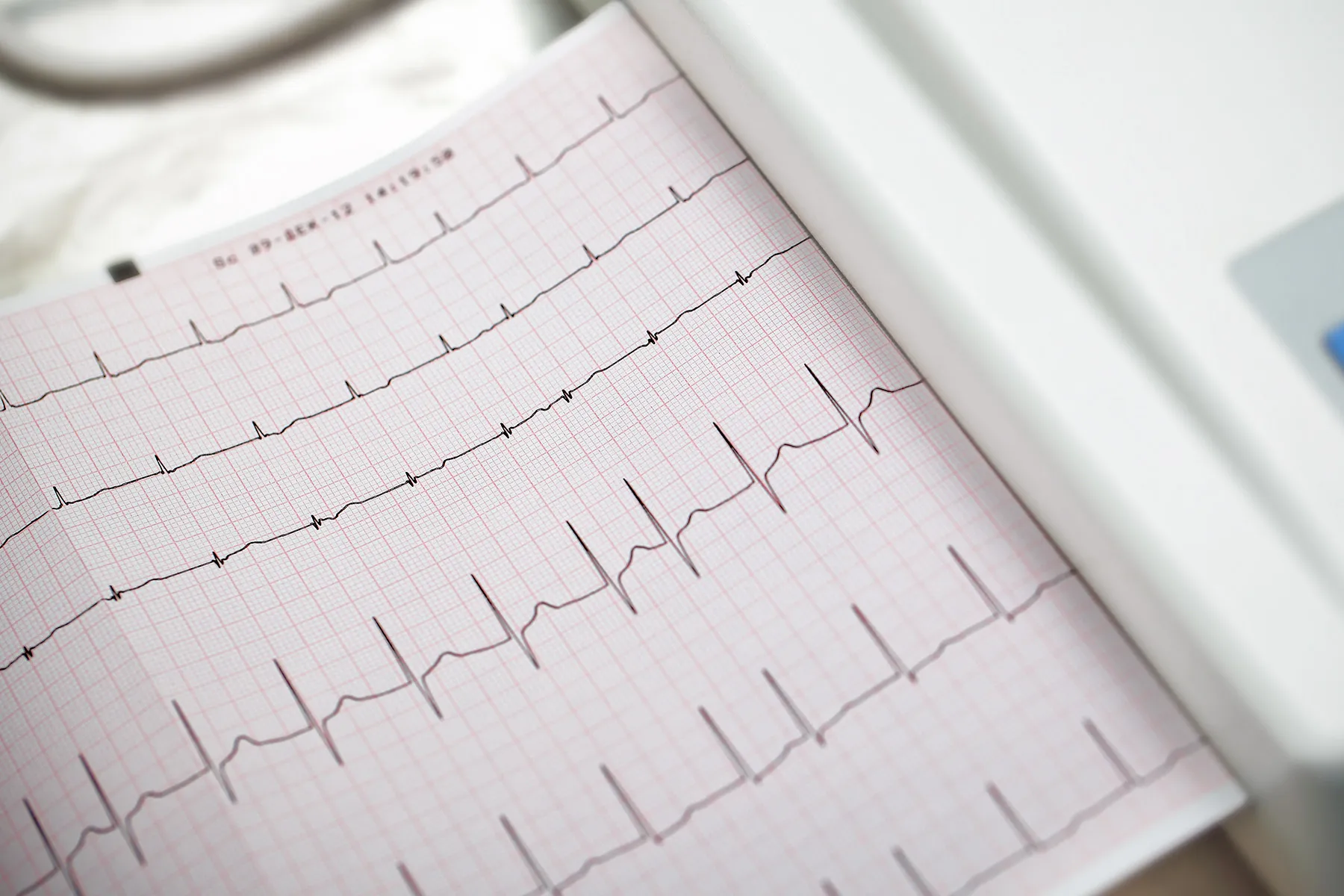
An electrocardiogram, also called an ECG or EKG, records the heart’s electrical activity using sensors placed on the skin. It is the main test used to confirm AFib. The test is painless, quick, and does not send electricity into the body.
Portable rhythm monitoring
Because AFib may come and go, a brief office EKG can miss it. A Holter monitor can record continuously for one or more days, while an event monitor may be worn for several weeks. For rare episodes, an implantable loop recorder can track the rhythm over a much longer period.
Smartwatches and handheld consumer devices can produce useful rhythm information, but an alert is not the final diagnosis. The recording should be reviewed by a qualified healthcare professional.
Additional testing
An echocardiogram uses sound waves to evaluate heart size, pumping function, valves, and blood flow. Blood tests may check thyroid function, kidney function, electrolytes, anemia, or infection. Depending on the situation, clinicians may also recommend a stress test, chest imaging, or a sleep study.
Treatment for Atrial Fibrillation
AFib treatment is individualized. Two people with the same rhythm strip may receive different recommendations because their symptoms, stroke risks, heart conditions, ages, and personal priorities differ.
Most treatment plans address three goals: preventing stroke, controlling the ventricular rate, and restoring or maintaining a normal rhythm when doing so is likely to improve outcomes or symptoms.
Anticoagulants for stroke prevention
Anticoagulants reduce the blood’s tendency to clot. Common options include apixaban, dabigatran, edoxaban, rivaroxaban, and warfarin. Current U.S. guidelines generally prefer direct oral anticoagulants over warfarin for eligible patients, except in circumstances such as mechanical heart valves or moderate-to-severe rheumatic mitral stenosis.
These medications can substantially reduce stroke risk, but they also increase bleeding risk. The choice and dose may depend on kidney function, age, weight, other medications, valve disease, cost, and previous bleeding. Patients should never stop an anticoagulant without medical guidance because sudden discontinuation can increase the risk of dangerous clotting events.
Heart-rate control
Rate-control medications slow the signals reaching the ventricles. Options may include beta blockers, certain calcium channel blockers, or digoxin. The best target rate varies according to symptoms, activity level, heart function, and other medical conditions.
Rhythm-control medications
Antiarrhythmic drugs may help restore or maintain a normal sinus rhythm. Examples include flecainide, propafenone, sotalol, dofetilide, dronedarone, and amiodarone. These medications are not interchangeable. Some are unsuitable for people with particular types of structural heart disease, kidney impairment, or heart failure, and several require ECG or hospital monitoring when treatment begins.
Electrical cardioversion
Electrical cardioversion delivers a synchronized electrical shock through pads placed on the chest. The patient is sedated, so this is not a dramatic movie scene involving shouting and airborne hospital staff. The purpose is to reset the rhythm in a controlled medical environment.
Because cardioversion can dislodge an existing clot, clinicians carefully manage anticoagulation before and after the procedure. In some cases, a transesophageal echocardiogram is used to check for clots before cardioversion.
Catheter ablation
During catheter ablation, an electrophysiologist guides thin tubes through blood vessels to the heart. Heat, cold, or pulsed electrical energy is used to disable small areas responsible for abnormal signals, often around the pulmonary veins.
Ablation may be recommended when medications do not adequately control symptoms, cause unacceptable side effects, or are not preferred. In selected patients, it may be considered earlier. AFib can return after ablation, and some people need a repeat procedure. Stroke risk must still be evaluated after treatment; a normal rhythm does not automatically mean anticoagulation can be stopped.
Left atrial appendage closure
For certain patients with a significant stroke risk who cannot safely remain on long-term anticoagulation, a device may be used to close the left atrial appendage. This reduces access to the area where many AFib-related clots originate. The procedure is not a universal replacement for blood thinners and requires a detailed discussion of benefits, risks, and short-term medication needs.
Maze procedure and AV node ablation
A surgical maze procedure creates lines of scar tissue that block chaotic electrical circuits. It is often considered when a patient is already undergoing heart surgery or has difficult long-standing AFib.
AV node ablation blocks electrical communication between the atria and ventricles. A permanent pacemaker is then required to control the ventricular heartbeat. This approach can relieve symptoms in selected patients but does not eliminate AFib in the atria or remove the need for stroke-risk assessment.
Lifestyle Changes That Support AFib Treatment
Lifestyle changes do not replace prescribed medication or procedures, but they can improve treatment success and reduce cardiovascular risk.
- Manage blood pressure: Take prescribed medication and monitor readings as recommended.
- Reach a sustainable weight: Even modest weight reduction may help eligible patients with overweight or obesity.
- Exercise regularly: Choose an individualized program approved by the healthcare team rather than switching from the couch directly to an ultramarathon.
- Limit or avoid alcohol: Alcohol is a recognizable trigger for many people with AFib.
- Stop smoking: Quitting benefits the heart, blood vessels, lungs, and treatment outcomes.
- Treat sleep apnea: Consistent use of prescribed therapy may improve sleep and support rhythm management.
- Prioritize sleep: Irregular or insufficient sleep can worsen cardiovascular stress.
- Follow a heart-healthy diet: Emphasize vegetables, fruits, whole grains, legumes, lean proteins, and minimally processed foods.
- Take medication consistently: Use a pill organizer, reminders, or a written schedule when needed.
Patients should ask before using decongestants, stimulant-containing supplements, weight-loss products, or herbal remedies. “Natural” is a marketing category, not a guarantee that a product will behave politely around the heart.
Living With AFib: A Composite Experience
The following approximately 500-word experience is a fictional composite based on commonly reported patient concerns. It does not describe one identifiable person and should not replace personalized medical advice.
Daniel first noticed something unusual while carrying groceries upstairs. His heart felt as if it had skipped the stairs entirely and sprinted ahead without him. The sensation lasted less than a minute, so he blamed caffeine, a poor night’s sleep, and the universally accepted medical diagnosis known as “probably nothing.”
Over the following weeks, the episodes returned. Sometimes his heart fluttered after dinner. On other days, he felt strangely tired during his usual walk. He did not have crushing chest pain, so he assumed the problem could wait. What finally changed his mind was an episode that continued for nearly an hour and left him breathless and lightheaded.
At an urgent appointment, his office EKG looked normal. Daniel briefly wondered whether his heart had decided to behave only when supervised. Because his symptoms were intermittent, the clinician arranged a portable monitor. Several days later, the device captured an episode of paroxysmal atrial fibrillation.
The diagnosis brought mixed emotions. Daniel was relieved to have an explanation, but the word “fibrillation” sounded alarmingly like something involving emergency television music. His cardiologist explained that AFib was manageable, but treatment needed to cover more than the uncomfortable palpitations. They discussed his blood pressure, weight, alcohol intake, family history, and stroke risk.
Daniel’s treatment initially included medication to control his heart rate and an anticoagulant because his overall risk profile justified stroke prevention. The anticoagulant made him nervous. He worried about bruising and bleeding, so the pharmacist reviewed warning signs, medication interactions, and what to do before dental or medical procedures. Understanding the reason for the prescription made it feel less like a mysterious daily chore and more like an active layer of protection.
He also started tracking episodes. A simple notebook showed that poor sleep and several alcoholic drinks often appeared before his symptoms. That did not prove every episode had a neat triggerhearts are not always interested in providing tidy spreadsheetsbut it gave him practical targets.
Daniel reduced alcohol, treated newly diagnosed sleep apnea, followed his blood-pressure plan, and gradually became more active. He did not eliminate every episode. Lifestyle changes improved the background conditions, but they were not magic erasers.
Months later, recurrent symptoms continued to disrupt his work and exercise. After discussing antiarrhythmic medication and catheter ablation with an electrophysiologist, Daniel chose ablation. The procedure significantly reduced his AFib burden, although follow-up monitoring remained necessary. He continued anticoagulation because that decision was based on stroke risk rather than how calm his heartbeat seemed on a particular afternoon.
The biggest adjustment was psychological. At first, every skipped beat felt like an emergency. With education, a clear action plan, and regular follow-up, Daniel learned the difference between symptoms to document, symptoms requiring a call to his clinician, and warning signs requiring 911. AFib remained part of his medical history, but it stopped controlling every plan on his calendar.
Conclusion
Atrial fibrillation is a common but complex irregular heartbeat. It can cause palpitations, fatigue, breathlessness, dizziness, or no symptoms at all. The condition often develops through a combination of age, high blood pressure, heart disease, obesity, sleep apnea, thyroid disease, genetics, alcohol use, and other health factors.
Modern AFib treatment is not limited to making the heartbeat feel steadier. It also focuses on preventing stroke, protecting heart function, managing underlying conditions, and helping patients return to ordinary activities with greater confidence. Options may include anticoagulants, heart-rate or rhythm medications, cardioversion, catheter ablation, left atrial appendage closure, surgery, and targeted lifestyle changes.
Anyone experiencing a recurring irregular heartbeat should seek medical evaluation, even when the episodes stop on their own. Call 911 immediately for severe chest pain, fainting, serious breathing difficulty, or possible stroke symptoms.