Note: This is an original, publication-ready article written in standard American English. It is based on publicly available information about the artist, the webcomic world, and the cultural appeal of relatable humor, without copying captions, interviews, or source text.
Some people process awkward memories by pretending they never happened. Others lie awake at 2 a.m., replaying one weird sentence from 2016 like it is the director’s cut of their most embarrassing moment. Comic artist Joe Holtby, better known online as Portuguese Geese, appears to have found a better solution: turn the cringe into comedy, draw it, post it, and let thousands of strangers say, “Unfortunately, yes, that is me.”
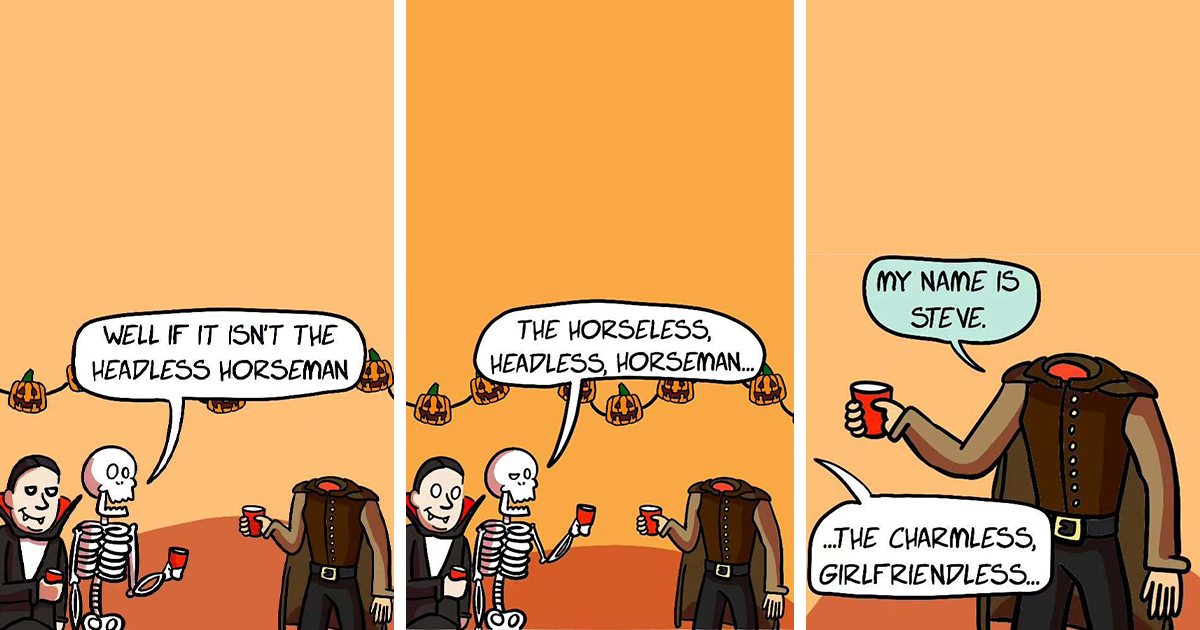
His funny comics based on personal experiences have become a small refuge for anyone who has ever fumbled a conversation, overthought a text message, misunderstood a social cue, or behaved like a fully cooked potato in public. The latest collection, often shared under the title “Artist Creates Funny Comics Based On His Experiences (27 New Pics)”, continues that tradition with short, sharp, and wonderfully odd strips that transform everyday discomfort into punchlines.
What makes these relatable webcomics work is not just that they are funny. Plenty of things online are funny for three seconds and then disappear into the digital junk drawer. Portuguese Geese comics stick because they take familiar momentssocial anxiety, tiny failures, irrational thoughts, random misunderstandingsand push them one step further than expected. The result is a comic universe where embarrassment is not a dead end. It is raw material.
Who Is the Artist Behind Portuguese Geese?
Joe Holtby is the creator behind Portuguese Geese, a webcomic series known for awkward humor, strange turns, and small slices of human absurdity. His comics often feel like diary entries that wandered into a comedy club and came out wearing a fake mustache. The situations are simple on the surface: a conversation, a misunderstanding, a random observation, a social moment that goes sideways. But the humor usually comes from how quickly the ordinary becomes ridiculous.
That style places him in a long tradition of internet cartoonists who use short-form comics to capture the messiness of being a person. The influence of webcomic classics such as The Perry Bible Fellowship, Cyanide & Happiness, and Extra Fabulous Comics can be felt in the compact setups, quick pacing, and surprise endings. Yet Portuguese Geese has its own flavor: less like a joke machine and more like a nervous inner monologue that accidentally became a cartoonist.
In many strips, the humor depends on emotional recognition. Readers do not need a detailed backstory. They understand the feeling immediately. The dread of saying the wrong thing. The bizarre confidence of a bad idea. The way your brain can turn a normal errand into a psychological obstacle course. It is comedy drawn from life, but life as filtered through a brain that keeps adding unnecessary DLC.
Why Funny Comics Based on Real Experiences Feel So Relatable
Autobiographical comics have always had a special kind of power. A written confession can be moving, but a comic confession can be both honest and instantly digestible. A facial expression, a pause between panels, or one tiny visual exaggeration can communicate what a paragraph might struggle to explain. That is why relatable comics about ordinary life spread so easily online. They are fast to read, easy to share, and emotionally precise.
Portuguese Geese comics often focus on the moments people usually hide. Nobody wants to proudly announce, “Hello, I spent forty minutes worrying that my email sounded too cheerful.” But when that feeling appears in a comic, readers laugh because the private becomes public in a safe, silly way. Suddenly the awkward thing is not just your awkward thing. It is a group activity. Congratulations, everyone gets a little paper hat.
This is one reason short webcomics have become so popular on platforms built for scrolling. A four-panel comic can deliver a complete emotional arc in seconds: setup, escalation, twist, aftermath. The format respects the reader’s attention span while still offering a full joke. Portuguese Geese uses that structure well, often beginning with a situation that feels normal and ending with a turn that is absurd, darkly playful, or simply unexpected.
The Comedy of Awkwardness: Turning Cringe Into Craft
Awkwardness is one of the most reliable engines of modern internet humor. It is universal, but not always dramatic. Most embarrassing moments are tiny. You wave at someone who was waving at the person behind you. You say “you too” when the server tells you to enjoy your meal. You try to exit a conversation gracefully and somehow invent a new language made entirely of panic.
Portuguese Geese understands that these moments are funny because they feel enormous inside the person experiencing them. From the outside, a social slip might look harmless. Inside, it feels like a courtroom sketch of your personality. That gap between outer calm and inner chaos is where many of the comics find their spark.
The best funny comics based on personal experiences do not simply report what happened. They exaggerate the emotional truth of what happened. If a bad interaction felt like a disaster, the comic can make it literally disastrous. If a small fear felt gigantic, the drawing can turn it into a monster, a prophecy, or a weird little bird with judgmental eyes. That is not lying. That is cartooning.
How Portuguese Geese Uses Surprise Endings
One signature feature of Portuguese Geese comics is the sudden pivot. A strip may begin with a familiar scene, then abruptly swerves into a joke that feels both surprising and strangely logical. The punchline often works because the setup lulls the reader into expecting a normal social observation. Then the final panel opens a trapdoor.
This kind of structure is common in the best short-form webcomics. The first panel establishes the world. The second and third panels build a pattern. The final panel breaks the pattern. When done well, the reader experiences two laughs: one from the punchline itself and another from realizing the comic has tricked them in a fair way.
What makes Holtby’s work enjoyable is that the twists rarely feel random for the sake of being random. They often reveal something about the character’s insecurity, impulsiveness, confusion, or strange internal logic. In other words, the absurdity grows out of personality. That is why the jokes feel more memorable than a simple one-liner.
Why the “27 New Pics” Format Works for Readers
A collection of 27 new comics is the perfect binge size. It is long enough to feel generous but short enough to enjoy during a coffee break, a lunch break, or that mysterious ten-minute period when you are supposed to be doing something productive but instead are emotionally bonding with cartoon geese.
For readers, a multi-comic gallery creates rhythm. One joke may be about social discomfort. Another may lean into absurd wordplay. Another may end with a strange visual gag. The variety keeps the experience fresh while the artist’s voice ties everything together. It feels less like reading a single joke and more like stepping into a worldview.
That worldview is central to the appeal of Portuguese Geese. The comics do not present life as polished, heroic, or inspirational in the greeting-card sense. They present life as weird, occasionally humiliating, and full of moments where everyone is improvising badly. That honesty is refreshing. Not every comic needs to solve a problem. Sometimes it is enough to point at the problem, draw googly eyes on it, and laugh.
The Visual Style: Simple, Expressive, and Built for the Joke
Relatable webcomics do not need hyper-detailed art to succeed. In fact, simplicity can be an advantage. A clean, readable style lets the joke land quickly. Facial expressions, body language, spacing, and timing become more important than elaborate backgrounds. In a short comic, every line has a job. If the art gets too busy, the punchline has to fight for oxygen.
Portuguese Geese comics use visual economy well. The characters are expressive without being overloaded. The panels guide the eye naturally. The humor often comes from a small shift: a blank stare, an uncomfortable pause, a character’s sudden seriousness, or an image that makes the entire setup feel delightfully wrong.
This is one reason the comics translate well across social platforms. Readers can understand the scene instantly, even on a phone screen. The art does not slow them down. It invites them in, delivers the joke, and then politely leaves them with the uncomfortable knowledge that they, too, may be the problem.
The Internet Loves Comics That Say the Quiet Part Out Loud
One reason funny comics about daily life spread online is that they function like emotional shorthand. Instead of writing, “I often overthink harmless interactions and turn them into evidence that I am socially doomed,” someone can share a comic that says it in four panels. Much cleaner. Fewer semicolons. Less chance of sounding like a haunted diary.
Portuguese Geese taps into this shareable quality by making comics that feel specific and universal at the same time. A comic might focus on one strange exchange, but the emotional experience underneath it is familiar. That is the golden formula for relatable humor: make it personal enough to feel real, but broad enough that readers can project their own disasters onto it.
Humor also gives people a low-pressure way to talk about discomfort. A comic about awkwardness is easier to share than a serious confession about loneliness or anxiety. It opens the door without forcing a dramatic announcement. Someone can laugh first and reflect later. That is a quiet strength of autobiographical cartooning.
Personal Experience as Creative Fuel
Many artists worry that their everyday life is too ordinary to become art. Portuguese Geese suggests the opposite. Ordinary life is packed with material if you know where to look. The key is not to wait for cinematic events. It is to notice the tiny emotional sparks: the weird sentence, the failed plan, the private fear, the random thought that makes no sense but still feels important.
Experience-based comics work because they begin with observation. The artist has to pay attention not only to what happened, but to how it felt. That second layer is where comedy lives. A trip to the store is not automatically funny. But a trip to the store where your brain treats choosing a snack like a moral referendum? That has potential.
For creators, this is encouraging. You do not need a dramatic life to make interesting work. You need curiosity, timing, and the courage to admit that being human is frequently ridiculous. The more honestly an artist observes their own reactions, the more likely readers are to recognize themselves in the result.
Why These Comics Are More Than Quick Laughs
It is easy to dismiss internet comics as disposable entertainment, but that misses what readers actually get from them. A short comic can provide relief, recognition, and a sense of connection in under a minute. That is not nothing. In a crowded online world full of arguments, outrage, and suspiciously perfect vacation photos, a funny comic about being awkward can feel like a tiny public service.
Portuguese Geese comics remind readers that embarrassment is survivable. So is confusion. So is having a brain that occasionally behaves like a raccoon trapped in a vending machine. By turning discomfort into humor, the comics reduce its power. They make the reader feel less alone without delivering a lecture about it.
This is the charm of Joe Holtby’s work. The comics are silly, yes, but silliness can be generous. It gives people a place to put their own cringe, laugh at it, and move on. That may not fix every awkward memory, but it can at least make the replay less dramatic. Maybe even worth drawing.
Additional Experiences and Reflections on Funny Comics Based on Real Life
There is something uniquely satisfying about comics that come from real-life experiences because they make everyday chaos feel organized. Life rarely arrives with clean setups and punchlines. It usually shows up as a pile of errands, half-finished thoughts, strange conversations, and one sock that disappears with suspicious confidence. A comic artist takes that mess and gives it shape. Suddenly, the day has panels. The anxiety has a face. The awkward pause has a beat. The nonsense has a job.
Anyone who has tried to make humor from personal experience knows the process is both fun and mildly dangerous. You start by thinking, “That weird thing that happened to me could be a joke.” Then you realize you have to relive it, simplify it, exaggerate it, and decide which version of yourself gets roasted. The final comic may look effortless, but behind it is a series of creative choices: what to leave out, what to heighten, where to place the silence, and how far to push the ending before it stops being funny and starts feeling like a cry for help from a cartoon mailbox.
That is why Portuguese Geese-style comics are so appealing to readers and useful for aspiring artists. They show that comedy often begins with paying attention. A funny idea does not always arrive as a lightning bolt. Sometimes it arrives as a tiny inconvenience. Maybe you misread a sign. Maybe you answered a question nobody asked. Maybe you tried to act normal and accidentally became the most suspicious person in the room. These moments are small, but they carry emotional energy. A good cartoonist can stretch that energy into a full joke.
Real-life comics also benefit from honesty. Readers can tell when a creator is writing from observation instead of chasing a trend. The best strips do not feel like they were assembled from a “relatable content” checklist. They feel like someone noticed a painfully specific human behavior and had the nerve to draw it. That specificity is what makes the joke travel. The more personal the detail, the more likely someone else will shout, “Wait, I do that too,” possibly alarming a nearby cat.
For web creators, experience-based humor also creates a lasting relationship with the audience. Readers return not only for the punchlines but for the artist’s way of seeing. Over time, the comic becomes a familiar lens. Fans begin to recognize the rhythm: the awkward setup, the odd escalation, the left-turn ending, the little emotional truth hiding under the joke. That consistency builds trust. The reader knows they are entering a world where life is confusing, people are strange, and embarrassment is not a personal failure but a renewable energy source.
The biggest lesson from funny autobiographical comics is simple: your life does not have to be perfect to be interesting. In fact, perfection is usually boring. Nobody wants a four-panel comic about someone calmly completing their taxes, drinking enough water, and maintaining healthy boundaries. We want the moment where the printer jams, the receipt disappears, and the character decides this is proof that technology has chosen violence. That is where comedy livesin the gap between how life should work and how it actually behaves when nobody is supervising it.
Ultimately, Artist Creates Funny Comics Based On His Experiences (27 New Pics) is not just a title about a new batch of drawings. It describes why the best relatable comics keep finding an audience. They turn private awkwardness into shared laughter. They make ordinary moments feel worth noticing. And they remind us that being a person is often weird, but at least it comes with excellent material.
Conclusion
Joe Holtby’s Portuguese Geese comics prove that funny art does not need to chase huge subjects to make an impact. Sometimes the strongest comic idea is hiding inside a bad conversation, a strange thought, or a tiny personal disaster that would otherwise be filed away under “never speak of this again.” By turning his own experiences into relatable webcomics, Holtby creates a space where readers can laugh at the awkwardness they usually try to bury.
The latest 27 new pics continue to show why personal humor works so well online. The comics are quick, expressive, surprising, and grounded in emotional truth. They understand that people do not always need perfect advice. Sometimes they just need a comic that looks at their inner chaos and says, “Yes, this is ridiculousand you are not the only one.”