Note: This article is for educational purposes only and should not replace medical advice from a dermatologist or healthcare professional.
Scalp psoriasis has a special talent for showing up at the worst possible time: before a haircut, during a black-shirt day, or right when you decide to wear your hair confidently pulled back. It can itch, flake, burn, crack, and make your scalp feel like it is hosting a tiny protest march. So it is no surprise that people search for home remedies such as apple cider vinegar and crushed aspirin for scalp psoriasis. They are cheap, easy to find, and sound scientific enough to make a bathroom sink feel like a mini laboratory.
But here is the important question: should you actually put apple cider vinegar and crushed aspirin on your scalp? The short answer is: apple cider vinegar may help some people with scalp itch when properly diluted, but it can also irritate sensitive or broken skin. Crushed aspirin is more complicated. Aspirin contains acetylsalicylic acid, which is related to salicylic acid, but it is not the same as using a dermatologist-tested salicylic acid shampoo or scalp solution. Homemade aspirin paste is not a proven treatment for scalp psoriasis and may cause burning, dryness, allergic reactions, or unnecessary irritation.
Let’s unpack the facts, the risks, the safer alternatives, and the real-world experiences people often report when trying to calm an angry scalp without turning it into a science fair volcano.
What Is Scalp Psoriasis?
Scalp psoriasis is a chronic inflammatory skin condition that causes thick, scaly patches on the scalp. It may stay within the hairline or spread to the forehead, neck, and around the ears. The plaques can look silvery-white, red, pink, purple, or darker depending on skin tone. Symptoms commonly include itching, flaking, tightness, soreness, burning, and sometimes temporary hair shedding from scratching, picking, or inflammation.
Unlike ordinary dandruff, scalp psoriasis is not simply dry skin having a dramatic moment. Psoriasis is immune-mediated. The immune system speeds up skin cell turnover, causing cells to build up faster than the body can shed them. That buildup creates plaques and scales. This is why treatments often focus on reducing inflammation, slowing excess skin growth, and softening or removing scale so medication can reach the skin underneath.
Why Apple Cider Vinegar Gets Mentioned for Scalp Psoriasis
Apple cider vinegar, often shortened to ACV, is one of the most popular natural remedies for itchy scalp. It is acidic, has mild antimicrobial properties, and has been used traditionally in skin and hair care. Some people with scalp psoriasis say diluted ACV helps reduce itching, especially when the scalp is not cracked, bleeding, or severely inflamed.
The possible benefit is mostly symptom relief, not disease control. In other words, apple cider vinegar may calm itch for some people, but it does not treat the immune process behind psoriasis. It will not replace prescription scalp solutions, topical corticosteroids, vitamin D analogs, medicated shampoos, phototherapy, or systemic treatments when those are needed.
How People Usually Use Apple Cider Vinegar
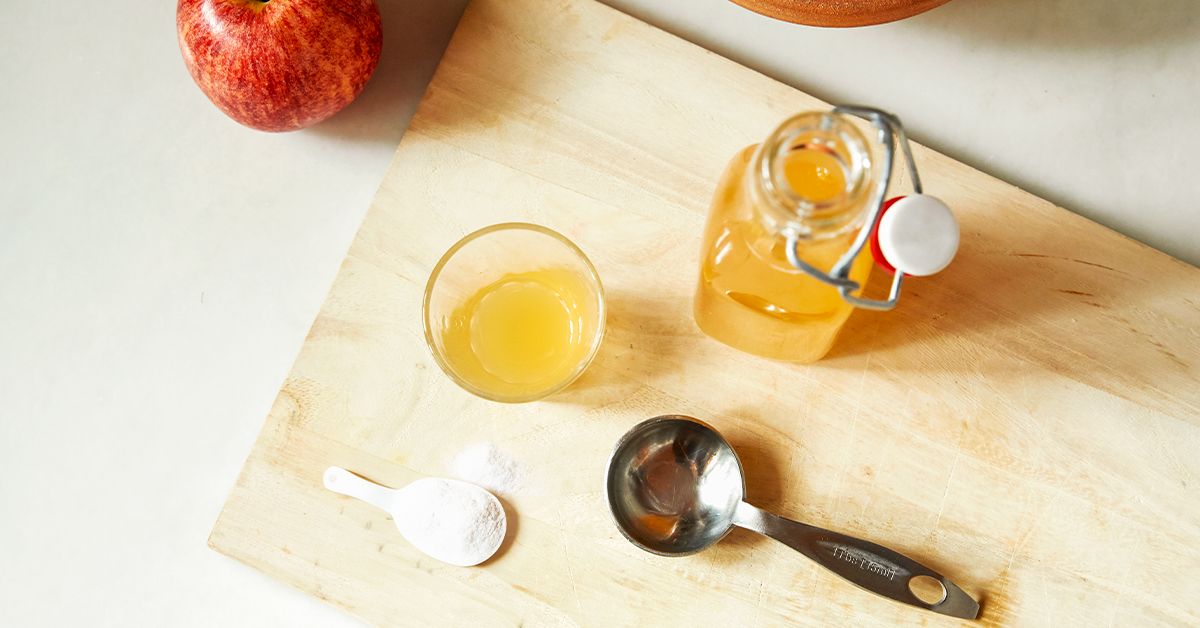
A cautious approach usually involves diluting apple cider vinegar with water, often in a one-to-one ratio, applying it briefly to the scalp, letting it dry or sit for a short time, and then rinsing it out. Some people use it a few times per week. However, “more” is not better here. Vinegar is acidic. Your scalp is not a salad.
Apple cider vinegar should not be used on open wounds, cracked plaques, bleeding skin, raw patches, or areas that already burn. If it stings sharply, causes redness, worsens itching, or leaves the scalp feeling tight and angry, rinse it off and stop using it. A patch test on a small area is smarter than introducing your whole scalp to vinegar and hoping everyone gets along.
What About Crushed Aspirin?
This is where the internet gets creative. The idea behind crushed aspirin for scalp psoriasis usually comes from aspirin’s connection to salicylic acid. Salicylic acid is a well-known keratolytic ingredient, meaning it helps loosen and remove thick scale. It is found in many over-the-counter psoriasis shampoos and scalp treatments. It can make plaques easier to wash away and may help other topical medications penetrate better.
However, crushed aspirin is not the same thing as a properly formulated salicylic acid product. Aspirin is acetylsalicylic acid. It may break down into salicylic acid under certain conditions, but crushing tablets into a paste does not create a controlled, dermatologist-tested scalp treatment. Tablets also contain binders, fillers, and other inactive ingredients that were designed for swallowing, not for being massaged into irritated skin.
That distinction matters. A regulated salicylic acid shampoo has a known concentration, instructions, safety warnings, and a formula designed for skin contact. A homemade crushed aspirin mixture has none of those advantages. It may be too gritty, too drying, unevenly concentrated, or irritating. If your scalp psoriasis is already inflamed, adding a mystery paste can be like sending a marching band into a library: technically possible, but not peaceful.
Is Mixing Apple Cider Vinegar and Crushed Aspirin a Good Idea?
Mixing apple cider vinegar and crushed aspirin for scalp psoriasis is not recommended as a primary treatment. The combination may sound like it could exfoliate scale and reduce itch, but it also combines acidity, potential salicylate exposure, friction, and uncertain concentration. That creates a higher chance of irritation, especially on sensitive, cracked, or inflamed scalp skin.
People with aspirin allergy, salicylate sensitivity, asthma triggered by aspirin or NSAIDs, bleeding disorders, or those taking blood thinners should be especially cautious with aspirin-related products. Pregnant people, people with kidney disease, people with extensive psoriasis, and anyone treating children or teens should avoid experimenting with aspirin-based home remedies unless a clinician specifically approves it.
Even when topical absorption is limited, the bigger practical problem is irritation. Psoriasis plaques can already itch and crack. Acidic vinegar plus gritty aspirin can worsen burning, dryness, and flaking. In some cases, irritation can trigger more psoriasis activity through the Koebner phenomenon, where skin trauma contributes to new lesions. Translation: your scalp may punish you for trying to outsmart it.
What Actually Helps Scalp Psoriasis?
The best scalp psoriasis treatment depends on severity, hair type, plaque thickness, medical history, and how the scalp responds. Mild cases may improve with over-the-counter shampoos and gentle scale softeners. Moderate to severe cases often need prescription medication. The goal is not just to remove flakes; it is to calm inflammation and prevent plaques from quickly rebuilding.
1. Salicylic Acid Shampoos and Scalp Solutions
Salicylic acid is commonly used for thick scalp scale. It helps soften plaques so they can be washed away more easily. This can reduce visible flaking and help medicated treatments reach the affected skin. Salicylic acid products should be used according to directions because overuse can cause dryness, irritation, or tenderness.
2. Coal Tar or Pine Tar Products
Tar shampoos and treatments may help slow excess skin cell growth and reduce itching, scaling, and inflammation. The downside is that tar can smell strong, stain fabrics, and make some scalps more sensitive to sunlight. Not glamorous, perhaps, but sometimes effective. Think of it as the vintage pickup truck of psoriasis care: not pretty, but it may still get the job done.
3. Topical Corticosteroids
Prescription corticosteroid foams, oils, gels, lotions, and solutions are often used for scalp psoriasis because they reduce inflammation quickly. They can be very helpful during flares, but long-term or improper use can thin skin or cause other side effects. A dermatologist can help choose the right strength and schedule.
4. Vitamin D Analogs
Vitamin D-based topical medicines, such as calcipotriene, may help slow excess skin cell production. They are sometimes used alone or with corticosteroids. These are not instant itch erasers, but they can be useful for longer-term control.
5. Medicated Anti-Dandruff Ingredients
Some scalp conditions overlap. Seborrheic dermatitis, dandruff, and sebopsoriasis may involve yeast, oil, and inflammation. Shampoos containing zinc pyrithione, ketoconazole, selenium sulfide, or sulfur may help when flaking is partly related to dandruff-like scalp activity. If flakes are greasy, yellowish, or spread around the eyebrows, nose, or ears, it may be worth asking a clinician whether seborrheic dermatitis is also involved.
6. Prescription Systemic Treatments
If scalp psoriasis is severe, widespread, painful, or resistant to topical care, a dermatologist may recommend oral medications, injectable biologics, or phototherapy. This is especially important if psoriasis also affects nails, joints, palms, soles, or large areas of the body.
Safe Scalp Care Tips That Matter More Than Bathroom Chemistry
Gentle scalp care can make a major difference. Use lukewarm water instead of hot water. Apply medicated shampoo directly to the scalp, not just the hair. Let the product sit for the time listed on the label before rinsing. Avoid scratching, scraping, or aggressively combing plaques. Your mission is to loosen scale, not excavate a historical site.
Moisturizing matters too. Scalp oils, fragrance-free conditioners, and dermatologist-approved moisturizers may help soften scale and reduce tightness. If you use hair dye, relaxers, bleach, heavy styling products, or heat tools, consider pausing during flares. Irritated scalp skin does not appreciate being chemically negotiated with.
Also pay attention to triggers. Stress, infections, cold weather, dry air, smoking, heavy alcohol use, certain medications, and skin injuries can worsen psoriasis in some people. Keeping a simple flare diary can help identify patterns. If every flare follows a week of poor sleep, deadline panic, and three new styling products, your scalp may be leaving clues.
When to See a Dermatologist
See a dermatologist if scalp symptoms are severe, painful, spreading, bleeding, or causing hair loss. Also get medical help if over-the-counter products are not working after several weeks, if you suspect infection, or if you have joint pain, morning stiffness, swollen fingers, or nail changes. Psoriasis can be associated with psoriatic arthritis, and early treatment matters.
You should also seek professional advice before trying home remedies if you are pregnant, treating a child, taking blood thinners, allergic to aspirin, sensitive to salicylates, or dealing with open sores. The scalp may be hidden under hair, but it is still skin, and irritated skin deserves better than guesswork.
So, Should You Try Apple Cider Vinegar?
Apple cider vinegar may be reasonable for some adults with mild scalp itch, provided the scalp is intact and the vinegar is diluted. It should be rinsed out and stopped immediately if it burns or irritates. It is best viewed as a possible comfort measure, not a psoriasis treatment plan.
If you want scale removal, choose a salicylic acid shampoo or scalp treatment made for psoriasis rather than making crushed aspirin paste. If you want inflammation control, talk to a dermatologist about prescription options. If you want fewer flakes on your shoulders, combine gentle care, correct shampoo use, and consistent treatment. If you want a miracle cure from the pantry, unfortunately, the pantry is currently out of miracles.
Experience-Based Scenarios: What People Often Notice
People who try apple cider vinegar for scalp psoriasis often describe very different experiences. One common scenario is the “pleasant surprise” group. These are people with mild itching, no open cracks, and relatively thin plaques. They dilute apple cider vinegar with water, apply it carefully, rinse it out, and notice that the itch feels calmer for a day or two. They may not see dramatic plaque improvement, but they feel less tempted to scratch. For them, ACV works like a temporary itch-management tool, not a cure.
Another group has the opposite experience. They apply vinegar to a scalp that is already inflamed, scratched, or bleeding. Within seconds, the scalp burns. The person rinses quickly, but the area stays tender for hours. This is not unusual because vinegar is acidic and damaged skin has a weaker barrier. For these people, ACV is not soothing; it is basically hot gossip in liquid form. The lesson is simple: never apply vinegar to broken scalp skin.
Some people are tempted by crushed aspirin because they have heard salicylic acid helps psoriasis scale. Their experience may start with optimism: aspirin is cheap, salicylic acid sounds familiar, and the paste seems to loosen flakes. But the gritty texture can encourage rubbing, and rubbing can irritate plaques. Others notice dryness, more flaking, or redness after use. A few may experience allergy-like symptoms or worsening itch. The problem is not that salicylic acid is useless; it is that crushed aspirin is an uncontrolled substitute for a properly formulated product.
A more successful experience often comes from switching to a structured routine. For example, someone with thick plaques might use a salicylic acid shampoo twice weekly, leave it on as directed, rinse thoroughly, and use a gentle fragrance-free shampoo on other days. During flares, their dermatologist may prescribe a corticosteroid scalp solution for short-term use. Instead of scraping flakes, they soften them. Instead of trying five remedies in one weekend, they track what works. The result is usually less drama, fewer flakes, and a happier scalp.
Hair texture and styling habits also shape the experience. People with curly, coily, dense, or protective hairstyles may find frequent washing difficult. In those cases, scalp oils, applicator-tip treatments, foams, and dermatologist-selected products may be more practical than messy rinses. People with color-treated hair may avoid vinegar because it can affect hair feel or dryness. People who wear dark clothing often become highly motivated to control flakes, because scalp psoriasis loves making a grand entrance on black fabric.
The biggest shared lesson is patience. Scalp psoriasis rarely improves from one heroic treatment. It responds better to consistency, gentleness, and the right ingredients. Apple cider vinegar may help itch for some people, but it should be diluted, limited, and avoided on damaged skin. Crushed aspirin is not the safest shortcut. If scalp psoriasis keeps returning, spreading, or interfering with sleep, comfort, confidence, or hair care, a dermatologist-guided plan is the most reliable path forward.
Conclusion
Apple cider vinegar and crushed aspirin for scalp psoriasis may sound like a clever home remedy, but the science is uneven. Diluted apple cider vinegar may temporarily relieve itch for some people when the scalp is not cracked or bleeding. Crushed aspirin, however, is not the same as a tested salicylic acid scalp treatment and can irritate already sensitive skin. For safer scale control, use products specifically formulated with salicylic acid, tar, or other psoriasis-friendly ingredients. For inflammation, persistent plaques, bleeding, pain, or hair loss, see a dermatologist. Your scalp does not need a kitchen experiment; it needs calm, consistent care.