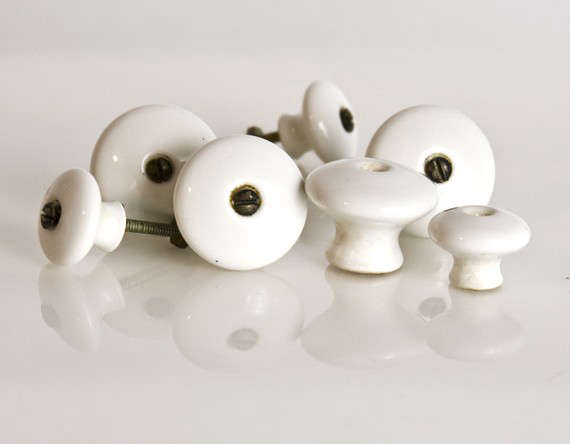
Antique porcelain knobs are small details with a surprisingly big personality. They are the quiet little scene-stealers of old homes, vintage dressers, farmhouse kitchens, and restored bathroom vanities. One minute you are opening a cabinet. The next, you are admiring a glossy white knob that looks like it has survived three remodels, two wallpaper trends, and at least one family argument about whether the kitchen should be painted sage green.
Whether used as antique porcelain door knobs, vintage porcelain cabinet knobs, ceramic drawer pulls, or decorative furniture hardware, these pieces bring history into everyday life. They are practical, beautiful, and refreshingly low-tech. No batteries. No app. No “smart” features. Just a smooth turn, a satisfying pull, and a little wink from the past.
For homeowners, designers, collectors, and DIY renovators, antique porcelain knobs offer a rare mix of charm and function. They can soften a modern room, restore period accuracy in an old house, or give a plain dresser a “where did you find that?” moment. The trick is knowing what makes them special, how to choose the right ones, and how to care for them without accidentally turning a collectible into a craft-project casualty.
What Are Antique Porcelain Knobs?
Antique porcelain knobs are hardware pieces made from fired ceramic material with a glazed surface. They were commonly used on doors, drawers, cabinets, cupboards, wardrobes, and furniture from the mid-1800s into the early 1900s. Many were simple white or black knobs, while others featured brown swirls, floral designs, painted details, embossed patterns, or decorative metal bases.
The word “porcelain” is often used loosely in the hardware world. Some vintage knobs are true porcelain, while others may be ceramic, china, or glazed earthenware. To the average homeowner, the difference may not matter much if the knob is sturdy, beautiful, and period-appropriate. To collectors, however, material, age, condition, pattern, and originality can affect value.
Porcelain vs. Ceramic Knobs
Porcelain is a type of ceramic fired at high temperatures, usually resulting in a hard, smooth, nonporous body. Ceramic is the broader category. Many antique and vintage knobs sold online as “porcelain” may technically be ceramic, but they share the same design appeal: glossy finishes, rounded forms, and a handmade or old-world feel that modern mass-produced hardware often struggles to imitate.
A Short History of Antique Porcelain Knobs
Porcelain knobs became especially popular during the Victorian era, when homeowners loved decorative finishes, layered details, and hardware that felt more refined than plain utility pieces. Imported china and ceramic knobs appeared in American homes during the 19th century, and their popularity continued into the early 20th century. White porcelain knobs were common in bedrooms, bathrooms, kitchens, and service areas because they looked clean, simple, and bright.
Black porcelain knobs also became a classic choice, especially when paired with brass, iron, or bronze rosettes and backplates. They offered contrast without looking flashy. Brown Bennington-style knobs, often with marbled or swirled patterns, added a warmer and more decorative option. These were the knobs with personalitythe kind that seem to say, “Yes, I belong in a house with creaky floors and excellent pie.”
During periods when metal was expensive or being conserved, glass and ceramic hardware became even more practical. Porcelain was durable, attractive, and easier to produce in quantity than many ornate metal alternatives. That is one reason antique porcelain knobs still show up in architectural salvage shops, estate sales, old farmhouses, and online vintage marketplaces today.
Why Antique Porcelain Knobs Are Still Popular
Antique porcelain knobs have stayed relevant because they solve a design problem beautifully: they add character without overwhelming a room. A large chandelier announces itself. A patterned sofa makes demands. A porcelain knob simply waits for you to notice itand when you do, the room feels more considered.
They Add Instant Vintage Character
Replacing generic cabinet hardware with antique porcelain cabinet knobs can change the entire mood of a kitchen, bathroom, laundry room, or built-in storage wall. White porcelain knobs feel clean and cottage-like. Black porcelain knobs bring a Victorian or farmhouse look. Floral porcelain knobs add romance, while brown marbled knobs work well in rustic, Craftsman, or eclectic interiors.
They Fit Many Design Styles
Although antique porcelain knobs are strongly associated with old houses, they are surprisingly flexible. They can work in farmhouse kitchens, cottage bedrooms, vintage bathrooms, traditional entryways, French country interiors, shabby chic furniture flips, and even modern spaces that need a warmer touch. A sleek white cabinet with aged brass and porcelain hardware can look fresh rather than fussy.
They Are Durable
Porcelain is hard, smooth, and resistant to everyday handling when the glaze is intact. A well-made knob can last generations. Of course, porcelain can chip or crack if dropped, overtightened, or slammed against a wall, but under normal use it is more resilient than its delicate appearance suggests.
Common Types of Antique Porcelain Knobs
Not all porcelain knobs are the same. The right choice depends on where the knob will be used, what period style you want, and whether you are restoring original hardware or simply adding vintage charm.
Antique Porcelain Door Knobs
Door knobs are typically larger than cabinet knobs and often come in pairs with a spindle connecting both sides of the door. Antique porcelain door knobs were often used with mortise locksets, rim locks, rosettes, or decorative backplates. If you are restoring an old door, check the existing lock type before buying replacement knobs. A beautiful knob that does not fit the spindle is like buying cowboy boots for a goldfishinteresting, but not very useful.
Vintage Porcelain Cabinet Knobs
Cabinet knobs are smaller and usually installed with a screw from the back of the cabinet door or drawer front. These are popular for kitchens, hutches, bathroom vanities, linen cabinets, and built-ins. White porcelain cabinet knobs are especially common because they pair well with painted cabinetry and natural wood.
Porcelain Drawer Pulls
Drawer knobs and pulls may be simple round pieces or more decorative shapes with metal bases. Some antique porcelain drawer pulls feature painted flowers, blue-and-white patterns, or molded edges. They are often used on dressers, washstands, desks, and sideboards.
Bennington-Style Porcelain Knobs
Bennington-style knobs are known for their brown, marbled, or swirled glaze. They have an earthy, handcrafted look and are often associated with 19th-century American interiors. These knobs are especially attractive on natural wood furniture, old doors, and rooms with warm historic finishes.
Floral and Hand-Painted Porcelain Knobs
Floral porcelain knobs are common in vintage furniture and cottage-style decor. Some are antique, while many are later reproductions inspired by Victorian or European designs. They are charming, but they can become visually busy if used everywhere. A few floral knobs on a dresser? Lovely. Floral knobs on every cabinet, closet, pantry, and mysterious tiny door under the stairs? That may be a petal too far.
How to Choose Antique Porcelain Knobs for Your Home
Choosing antique porcelain knobs is part design decision, part detective work. Before buying, consider style, size, function, condition, and compatibility.
Match the Era of the Home
If you live in a Victorian, Folk Victorian, farmhouse, Craftsman, Colonial Revival, or early 20th-century home, period-appropriate hardware can help the house feel more authentic. You do not need to turn your home into a museum, but matching the general era prevents the design from feeling confused.
Check the Size and Projection
Door knobs must feel comfortable in the hand, while cabinet knobs should be easy to grip without sticking out awkwardly. Larger knobs work well on full-size doors and big drawers. Smaller knobs are better for upper cabinets, medicine cabinets, or delicate furniture.
Look at the Hardware Finish
Porcelain knobs often pair with brass, bronze, iron, nickel, or black metal hardware. Antique brass adds warmth. Polished brass feels more formal. Iron gives a rustic or Victorian look. Nickel works nicely in bathrooms and kitchens. The finish should coordinate with hinges, faucets, lighting, and other visible hardware.
Inspect Condition Carefully
Small signs of age are part of the appeal. Light crazing, minor discoloration, and gentle wear can make antique knobs more interesting. However, deep cracks, large chips, missing stems, stripped threads, and unstable repairs can make a knob difficult or unsafe to use. For high-traffic doors and drawers, choose pieces that are structurally sound.
Decide Between Original and Reproduction
Original antique porcelain knobs offer authenticity and patina. Reproduction porcelain knobs offer consistency, easier installation, and reliable availability. For a historic restoration, originals may be worth the hunt. For a busy kitchen where you need 32 matching knobs, reproductions may save your sanity and your weekend.
Where to Use Antique Porcelain Knobs
Antique porcelain knobs are small enough to experiment with, but impactful enough to change a room. Here are some of the best places to use them.
Kitchen Cabinets
White porcelain knobs on painted kitchen cabinets create a clean, timeless look. They work especially well with shaker cabinets, beadboard, butcher block counters, apron-front sinks, and vintage-inspired lighting. Black porcelain knobs can add contrast to cream, sage, blue, or natural wood cabinets.
Bathroom Vanities
Porcelain knobs feel right at home in bathrooms because they look crisp and sanitary. Pair white porcelain knobs with chrome, nickel, or aged brass fixtures for a classic bathroom style. Just make sure the metal components are appropriate for humid spaces.
Bedroom Furniture
A plain dresser can become much more charming with vintage porcelain drawer knobs. Floral knobs can soften a bedroom, while black or white knobs keep the look more restrained. This is one of the easiest DIY upgrades because it usually requires only a screwdriver and a tiny amount of patience.
Pantries and Built-Ins
Built-in cupboards, linen closets, and pantry doors are ideal places for antique porcelain knobs. They add detail without taking up visual space. In older homes, matching the knobs on built-ins to the house’s original hardware can make the entire interior feel more cohesive.
Interior Doors
Antique porcelain door knobs are excellent for bedrooms, closets, bathrooms, and passage doors. If privacy locking is needed, make sure the lockset works properly or consult a locksmith familiar with mortise hardware. Antique door hardware can be repaired, but it needs the right parts and a gentle hand.
How to Clean Antique Porcelain Knobs Safely
Cleaning antique porcelain knobs should be gentle. The goal is to remove grime, not erase history. A little patina is not dirt; it is the knob’s autobiography.
Start With Dry Cleaning
Use a soft cloth, cotton duster, or soft-bristled brush to remove dust. This is especially important for painted, crazed, or damaged porcelain. Dry cleaning reduces the chance of forcing moisture into cracks or unglazed areas.
Use Mild Soap and Warm Water
For sturdy glazed porcelain, a soft cloth dampened with warm water and mild dish soap is usually enough. Wipe gently, then dry thoroughly. Avoid soaking antique knobs, especially if they have crazing, chips, metal mounts, or old adhesive repairs.
Avoid Harsh Chemicals
Do not use bleach, abrasive powders, steel brushes, or aggressive scouring pads on valued antique porcelain knobs. Harsh cleaners can dull glaze, damage painted decoration, worsen crazing, or harm metal fittings. If a knob has stubborn stains, test any cleaning method in a hidden area first.
Clean Metal Parts Separately
If the knob includes brass, iron, or other metal components, clean the metal according to its material. Do not assume every old metal part should be polished until it shines like a marching band trumpet. Patina can be desirable, and over-polishing may reduce historical character.
Installing Antique Porcelain Knobs
Installation depends on whether the knob is for a cabinet, drawer, or door. Cabinet knobs are usually straightforward. Door knobs can be more complicated, especially in old homes with mortise locks.
Installing Cabinet and Drawer Knobs
Measure carefully before drilling. For cabinets, use a hardware template to keep placement consistent. For drawers, center the knob visually and structurally. If replacing existing knobs, check screw length. Screws that are too short will not hold. Screws that are too long may push into the porcelain or prevent the knob from tightening properly.
Installing Antique Door Knobs
Antique door knobs often use a spindle and set screws. The spindle must fit the lock body and both knobs. If the knob wobbles, the set screw may be loose, the spindle may be worn, or the lockset may need repair. Do not force parts together. If something resists, pause before the situation becomes a tiny hardware tragedy.
When to Call a Professional
If you are dealing with a valuable historic door, a complicated mortise lock, or a knob that seems rare, consider hiring a locksmith or restoration specialist. Professional repair can preserve original hardware and prevent damage to old doors, which are often harder to replace than people expect.
Original Antique Knobs vs. Reproduction Porcelain Knobs
Both original and reproduction porcelain knobs have a place in design and restoration. The best choice depends on your goals.
Choose Original Knobs When…
Original antique knobs are ideal when authenticity matters. If you are restoring a historic home, replacing missing knobs on an antique dresser, or collecting period hardware, original pieces offer age, character, and a real connection to the past. They may have small imperfections, but those marks often make them more appealing.
Choose Reproduction Knobs When…
Reproduction knobs are best when you need matching sets, modern threading, reliable supply, or easier installation. Many high-quality reproductions are based on historic designs and can look very convincing. They are also helpful when original antique knobs are too costly, too damaged, or simply unavailable in the quantity you need.
Buying Tips for Antique Porcelain Knobs
Before buying antique porcelain knobs, slow down and inspect the details. A little caution can prevent a lot of disappointment.
Ask About Measurements
For door knobs, ask for diameter, spindle size, shank details, and whether set screws are included. For cabinet knobs, ask for diameter, projection, screw size, and mounting hardware. Photos are helpful, but measurements are what keep your project from turning into a puzzle with missing pieces.
Buy Extras When Possible
If you are using vintage knobs on cabinets, buy a few extras. Antique hardware can be hard to match later. Having spare knobs gives you peace of mind if one breaks or disappears into that mysterious household zone where socks, screws, and tape measures go to retire.
Check for Repairs
Some repaired knobs are perfectly usable, especially for low-traffic furniture. Others may be fragile. Look for glue lines, mismatched stems, filled chips, or painted-over damage. A repaired knob can still be beautiful, but the price should reflect the condition.
Consider Salvage Shops
Architectural salvage stores are excellent places to find antique porcelain door knobs and cabinet hardware. You can inspect pieces in person, compare colors, and sometimes find matching backplates or lock parts. Online marketplaces offer more variety, but in-person shopping helps you judge weight, glaze, and condition.
Decorating Ideas With Antique Porcelain Knobs
Antique porcelain knobs are not limited to strict restorations. They are also perfect for creative decorating projects.
Refresh a Thrifted Dresser
A secondhand dresser can look custom with a set of porcelain knobs. White knobs create a clean cottage look. Floral knobs feel romantic. Black knobs make the piece more graphic and grounded.
Create a Vintage Coat Rack
Mount mismatched porcelain door knobs on a reclaimed board to create a coat rack, towel rack, or jewelry hanger. This project works especially well when you have beautiful single knobs that do not belong to a full set.
Upgrade a Laundry Room
Laundry rooms are often practical but dull. Porcelain knobs on cabinets can make the space feel intentional and charming. They pair well with utility sinks, striped curtains, and shelves holding jars of detergent pods that look suspiciously more organized than real life.
Add Contrast to Modern Cabinets
Antique porcelain knobs can soften modern cabinetry. Use them on a minimal vanity, a built-in office cabinet, or a mudroom storage wall. The contrast between old-style hardware and clean modern lines can make the design feel collected rather than showroom-perfect.
Common Mistakes to Avoid
Antique porcelain knobs are forgiving in style but not always forgiving in installation or care. Avoid these common mistakes.
Overtightening Screws
Porcelain can crack under too much pressure. Tighten knobs until secure, but do not muscle them into place. If you feel like you are arm-wrestling the cabinet, stop.
Using the Wrong Cleaner
Abrasive cleaners can scratch or dull glaze. Strong chemicals can damage decoration or metal parts. Gentle cleaning is almost always the better choice.
Ignoring Function
A knob can be gorgeous and still wrong for the job. Tiny knobs on heavy drawers are frustrating. Fragile antique knobs on a busy family entry door may not be practical. Use delicate pieces where they can be admired without being abused.
Mixing Too Many Styles
Mismatched knobs can look charming, but there should be some visual logic. Keep one element consistent, such as color, shape, material, or finish. Otherwise, the design may look less “curated vintage” and more “junk drawer gained voting rights.”
Are Antique Porcelain Knobs Worth It?
Yes, antique porcelain knobs are worth considering if you value character, craftsmanship, and small details that make a home feel personal. They are usually more affordable than major architectural upgrades, yet they can noticeably improve the look of a room or piece of furniture.
For historic homes, they can help preserve authenticity. For newer homes, they can add warmth and individuality. For furniture projects, they can turn ordinary pieces into conversation starters. Their value is not only financial. It is visual, tactile, and emotional.
Personal Experiences and Practical Lessons With Antique Porcelain Knobs
One of the best things about antique porcelain knobs is that they rarely feel anonymous. Every one seems to arrive with a little backstory, even if you have to invent half of it while standing in an antique mall holding a dusty knob in one hand and a questionable cup of coffee in the other.
In real home projects, porcelain knobs often perform best when they are treated as finishing touches rather than afterthoughts. For example, a plain white bathroom vanity can look builder-grade with basic metal knobs. Replace those with white porcelain knobs and aged brass backplates, and suddenly the vanity feels softer, older, and more intentional. It is a small change, but it changes the mood of the room. The same thing happens with a laundry cabinet, hallway built-in, or freestanding pantry. Porcelain hardware brings a quiet vintage note without requiring a full renovation.
Another useful lesson is that matching is not always necessary, but coordination is. A dresser with six identical antique porcelain knobs looks polished. A dresser with six different floral knobs can also look charming if the colors relate to each other. But mixing black porcelain, bright floral ceramic, modern chrome, and oversized wood knobs on the same piece can feel chaotic. The secret is to let the hardware look collected, not accidental.
When restoring old doors, patience matters more than enthusiasm. Antique porcelain door knobs may be connected to old mortise locks, square spindles, set screws, and backplates that have not been moved in decades. Paint may be sealing everything in place like a stubborn little time capsule. Rushing can strip screws, chip porcelain, or damage the door. A careful approachscoring paint edges, using the right screwdriver, labeling parts, and taking photos before disassemblycan save hours of confusion later.
Cleaning is another area where restraint pays off. Many people want old knobs to look brand-new, but brand-new is not always the goal. A bit of age in the glaze, gentle discoloration around the base, or a soft patina on the metal can make the piece more attractive. The goal is “clean and cared for,” not “scrubbed into witness protection.” A mild soap solution, soft cloth, and careful drying are usually enough for glazed porcelain. Painted or crazed pieces need even more caution.
In kitchens, porcelain knobs are lovely but should be selected with daily use in mind. Smooth round knobs are easy to wipe clean, which is helpful near cooking areas. Deeply detailed floral knobs may collect grime if placed beside the stove. For hardworking spaces, simple shapes usually win. Save the delicate painted knobs for hutches, display cabinets, or bedroom furniture where they will not be introduced to olive oil mist on a weekly basis.
One final experience: always buy a few more knobs than you think you need. Vintage hardware has a way of disappearing from the market exactly when you need one replacement. If you are outfitting ten cabinet doors, buying twelve knobs is not wasteful; it is future-you insurance. And future you, standing in the kitchen with a broken knob and guests arriving in twenty minutes, will be deeply grateful.
Antique porcelain knobs prove that good design does not have to shout. Sometimes it simply turns smoothly in your hand, catches the light on its glazed surface, and makes an ordinary cabinet feel like it has been part of the house forever.
Conclusion
Antique porcelain knobs are more than decorative hardware. They are small pieces of design history that can bring charm, authenticity, and warmth to doors, cabinets, drawers, and furniture. From classic white porcelain cabinet knobs to dramatic black Victorian door knobs and richly swirled Bennington-style pieces, these timeless details fit a wide range of homes and styles.
The key is choosing the right knob for the right place. Consider age, condition, size, hardware compatibility, and overall design style. Clean gently, install carefully, and do not be afraid to mix old and new when it serves the room. Whether you are restoring a century-old home or giving a thrifted dresser a second act, antique porcelain knobs offer a beautiful reminder that small details can carry a lot of character.