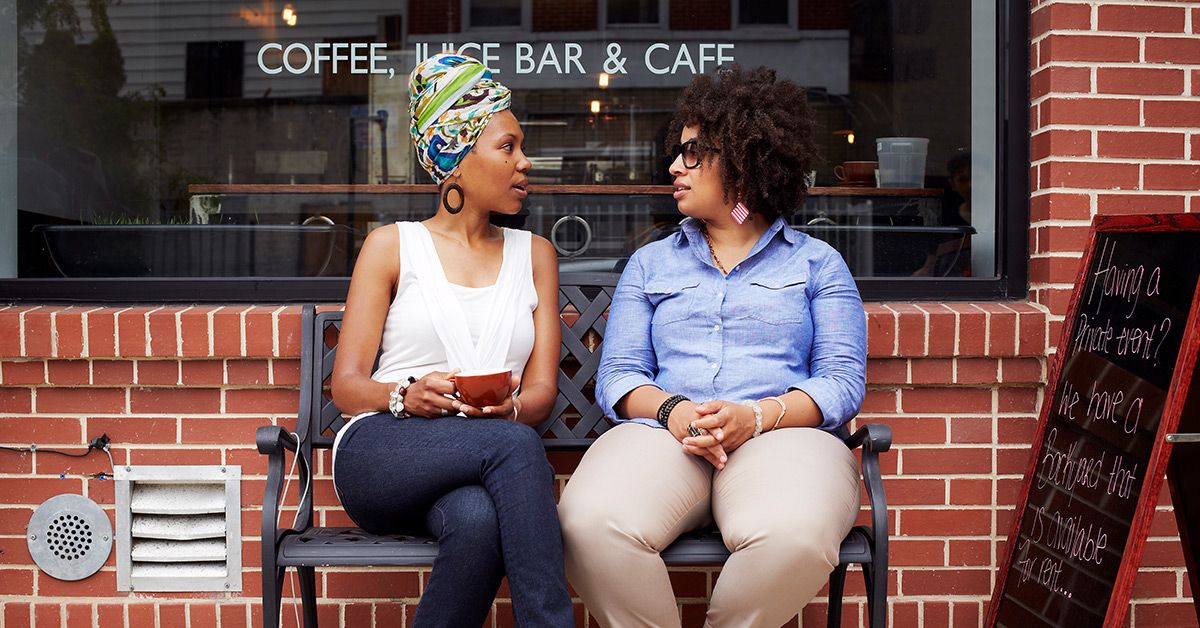
Here is an unpopular opinion about unpopular opinions: most of them are not brave. Some are just regular opinions wearing sunglasses indoors.
Online, the phrase “unpopular opinion” has become a tiny drumroll before a person says something that may be mildly controversial, deeply personal, or aggressively obvious. “Unpopular opinion: naps are good.” Congratulations, philosopher. Somewhere, a toddler has already written your dissertation. But underneath the jokes, memes, and comment-section chaos, unpopular opinions matter. They reveal how people think, what communities reward, what groups punish, and how easily a person may trade honesty for acceptance.
An unpopular opinion is not automatically wise, offensive, courageous, or wrong. It is simply a view that does not match the dominant mood of a group. In one room, saying “meetings are useful” may get you booed by office workers clutching cold coffee. In another room, saying “not every tradition deserves to be preserved” may cause a silence so loud you can hear someone blink. The opinion itself is only half the story. The other half is context.
This article explores what makes an unpopular opinion powerful, why people resist dissenting views, how social media turns disagreement into a cage match with emojis, and how to share a controversial idea without becoming the human version of a smoke alarm.
What Is an Unpopular Opinion?
An unpopular opinion is a belief, judgment, or viewpoint that conflicts with what most people in a specific group accept, enjoy, or expect. It can be silly, such as “cake is overrated.” It can be cultural, such as “college is not the only path to success.” It can be ethical, professional, political, artistic, or deeply personal.
The key word is specific. Opinions are rarely unpopular everywhere. A view that sounds outrageous on one social media platform may be totally normal in a family dinner conversation, a professional conference, or a group chat full of sleep-deprived parents. “Unpopular” depends on the crowd.
That is why the phrase is so flexible. People use it to signal honesty, invite debate, soften disagreement, or prepare others for a statement that might ruffle feathers. It is basically a verbal seatbelt: “Please secure yourself; mild turbulence ahead.”
Why Unpopular Opinions Make People Nervous
Humans are social creatures. We like belonging. We like approval. We like knowing that when we say, “That movie was terrible,” at least one person will nod instead of staring at us like we just insulted a national monument.
Social psychology has long shown that people often adjust their behavior, beliefs, and public statements to fit group expectations. This does not always happen because people are weak. Sometimes conformity is practical. It helps groups coordinate, reduces conflict, and keeps Thanksgiving dinner from turning into a courtroom drama. But conformity can also silence useful ideas.
When a person senses that their view is unpopular, several fears may appear at once: fear of rejection, fear of being misunderstood, fear of looking ignorant, fear of losing status, and fear of becoming “that person.” You know the one. The person who says, “I’m just being honest,” right before emotionally drop-kicking the vibe.
There is also confirmation bias, the tendency to favor information that supports what we already believe. People do not always evaluate opinions like calm judges in a marble courtroom. Often, we act more like exhausted security guards at a nightclub: “Are you on the list? No? Then you are not getting into my worldview.”
This is why unpopular opinions can feel threatening. They do not merely present a different thought. They ask people to reconsider the mental furniture they have already arranged.
The Difference Between a Thoughtful Opinion and a Hot Take
Not every unpopular opinion deserves applause. Some deserve a nap, a fact-check, or a gentle walk outside. A hot take is often built for reaction. It is quick, dramatic, and designed to attract attention. A thoughtful unpopular opinion is different. It is supported by reasoning, open to evidence, and delivered with enough humility to leave oxygen in the room.
A hot take wants attention
A hot take says, “Everyone is wrong except me.” It enjoys the spotlight more than the truth. It turns complex issues into snack-size outrage and often rewards confidence over accuracy.
A thoughtful unpopular opinion wants understanding
A thoughtful opinion says, “Here is why I see this differently.” It may still be bold, but it is not allergic to nuance. It invites discussion rather than demanding surrender.
The difference matters because modern media rewards speed and emotional intensity. A calm, balanced opinion rarely goes viral. A dramatic one can travel faster than a raccoon in a bakery. That does not make it better. It only makes it louder.
Why Social Media Makes Unpopular Opinions Feel Bigger
Social media has changed how people express and judge opinions. In the past, a controversial view might irritate six people at a dinner table. Now it can irritate six million strangers before lunch, many of whom did not read the whole sentence but are fully prepared to fight a chair.
Platforms reward engagement, and disagreement generates engagement. Likes, shares, stitches, quote posts, comments, and reaction videos can turn a small opinion into a public identity. Suddenly, a person is not someone who dislikes a popular TV show. They are “the person who hates joy,” according to a stranger with an anime avatar and suspiciously strong feelings.
Online spaces also create invisible audiences. When people post an unpopular opinion, they may imagine they are speaking to friends, but the internet often delivers the statement to critics, fans, trolls, experts, bots, and one uncle who just discovered caps lock. This changes how people behave. Some become more cautious. Others become more extreme because extreme statements receive more attention.
The result is a strange opinion economy: careful thinking is valuable, but outrage is more marketable. That is why responsible disagreement is a skill, not just a personality trait.
Examples of Unpopular Opinions That Start Useful Conversations
Unpopular opinions are most valuable when they challenge lazy assumptions. They do not need to be shocking. Sometimes the most useful dissent sounds almost boring until you realize it is true.
“Being busy is not the same as being productive.”
This opinion can be unpopular in workplaces that treat exhaustion like a trophy. But it raises an important point: activity does not always equal impact. A person can answer emails all day and still avoid the one decision that matters.
“Not every argument needs a winner.”
In a debate-heavy culture, this can feel suspiciously gentle. Yet many conversations improve when the goal shifts from victory to clarity. Winning an argument while damaging trust is like burning down the kitchen to prove you can cook.
“Comfort zones are not always bad.”
Self-improvement culture loves telling people to escape their comfort zones. Sometimes that is excellent advice. Other times, a comfort zone is where a person rests, heals, learns, and gathers strength. Growth matters, but so does not treating your nervous system like an unpaid intern.
“Popular does not always mean good.”
This applies to movies, trends, leadership styles, diets, apps, and ideas. Popularity can indicate quality, but it can also indicate timing, marketing, repetition, or group pressure. The crowd is sometimes wise. It is also sometimes just hungry and confused.
How to Share an Unpopular Opinion Without Becoming the Villain
Sharing a dissenting view requires more than courage. It requires skill. A good unpopular opinion should be clear, fair, and proportionate. It should not arrive like a flaming bowling ball.
Start with the reason, not the explosion
Instead of saying, “This trend is stupid,” try explaining what concern you have. For example: “I understand why this trend is popular, but I worry it encourages people to spend money they do not have.” That sentence is still direct, but it does not slap the listener with a fish.
Separate people from ideas
Criticize the opinion, pattern, policy, or behavior without insulting everyone who sees it differently. “I disagree with this approach” is stronger than “Only idiots like this.” The second version may feel satisfying for three seconds, then spends the rest of the day destroying credibility.
Admit what you do not know
Humility does not weaken an opinion. It makes it more trustworthy. Try phrases like, “I may be missing something,” “Here is how I currently see it,” or “I am open to better evidence.” These phrases do not make you look uncertain in a bad way. They make you look like someone whose brain has windows.
Know the difference between discomfort and harm
Some unpopular opinions make people uncomfortable because they are challenging. Others cause harm because they dehumanize, spread false information, or target people unfairly. A mature thinker learns the difference. “This policy may not work” is not the same as “These people do not deserve respect.”
Why Workplaces Need Constructive Dissent
In business, unpopular opinions can prevent expensive mistakes. Teams that only reward agreement may look peaceful, but that peace can be fake. It is the quiet of a room where everyone sees the problem and nobody wants to be the first raccoon to touch the electric fence.
Constructive dissent helps teams test ideas before customers, competitors, or reality test them more brutally. A junior employee who says, “I think users will find this confusing,” may save a company from launching a product that feels like a microwave designed by a maze enthusiast. A manager who asks, “What are we not seeing?” creates space for better thinking.
This is closely connected to psychological safety: the shared belief that people can speak up, ask questions, admit mistakes, and challenge assumptions without being punished or humiliated. When that safety exists, unpopular opinions become less dangerous and more useful. When it does not, organizations may get silence, fake agreement, and very polished disasters.
Why Communities Need Disagreement Too
Communities grow stronger when they allow respectful disagreement. Families, friend groups, schools, online forums, and neighborhoods all need room for people to say, “I see this differently.” Without that room, groups become echo chambers. Everyone repeats the same approved thoughts until the conversation starts sounding like a printer jam.
However, disagreement must be handled with care. A healthy community does not celebrate cruelty as honesty. It does not confuse volume with truth. It does not treat every objection as betrayal. Instead, it creates norms: listen first, ask better questions, challenge claims, avoid personal attacks, and remember that changing your mind is not a public humiliation. It is maintenance.
The best communities make space for both belonging and honesty. They let people be part of the group without requiring them to photocopy the group’s every belief.
The Hidden Benefit of Holding an Unpopular Opinion
Holding an unpopular opinion can sharpen your thinking. When few people agree with you, you are forced to ask better questions. Why do I believe this? What evidence supports it? What evidence challenges it? Am I being honest, or am I just enjoying the feeling of being different?
That last question is important. Some people collect unpopular opinions the way others collect vintage mugs: proudly, loudly, and with limited shelf space. Being contrarian can become an identity. When that happens, the person no longer asks whether an opinion is true or useful. They only ask whether it is opposite enough.
The goal is not to be popular or unpopular. The goal is to be thoughtful. Sometimes thoughtful opinions are widely accepted. Sometimes they are lonely. Either way, the job is to keep thinking.
Experiences Related to “An Unpopular Opinion.”
Everyone eventually has a moment when they realize their honest opinion is not invited to the party. Maybe it happens at work, when the whole team loves a campaign idea and you are the only one thinking, “This slogan sounds like a sandwich brand having a midlife crisis.” Maybe it happens with friends, when everyone praises a movie and you quietly believe the plot was held together by vibes and expensive lighting. Maybe it happens in your family, where saying “I do not want to follow that tradition” lands with the emotional weight of dropping a piano down the stairs.
My experience with unpopular opinions is that the first challenge is rarely the opinion itself. The first challenge is the body’s reaction. Your heart speeds up. Your brain begins drafting apologies before you have even spoken. You suddenly become aware of tiny social details: who is smiling, who is frowning, who is holding a fork with alarming intensity. The mind treats disagreement like danger because, socially speaking, it sometimes is. People have lost opportunities, friendships, promotions, and peace of mind for saying the wrong thing in the wrong room.
But there is a second experience that matters just as much: relief. When a thoughtful unpopular opinion is finally expressed, someone else often says, “I was thinking the same thing.” This is the secret life of dissent. Many people wait for permission to be honest. One calm voice can open the door for others who were silently standing in the hallway.
I have seen this happen in meetings. A group moves forward with an idea because nobody wants to slow things down. Then one person asks a simple question: “Are we sure this solves the actual problem?” The room shifts. People stop performing agreement and start thinking again. The question may be uncomfortable, but it is useful. It saves time, money, and future headachesthe kind that require spreadsheets, apology emails, and emergency snacks.
I have also seen unpopular opinions go badly, usually because the speaker confuses honesty with dramatic timing. There is a difference between “I have a concern” and “This is the worst idea I have ever heard.” The first invites conversation. The second invites everyone to imagine you as a cartoon thundercloud. Tone does not replace truth, but it affects whether truth can be heard.
On a personal level, unpopular opinions teach patience. Sometimes people need time to consider a new idea. Sometimes you need time to improve your own. The best conversations are not always instant conversions. They are small openings. A question today. A reconsideration next week. A changed decision months later.
The most valuable lesson is this: an unpopular opinion should not be treated like a weapon or a trophy. It is a tool. Used well, it can reveal blind spots, protect people from groupthink, and make conversations more honest. Used poorly, it becomes noise with a confidence problem. Before sharing one, ask: Is it true? Is it necessary? Is it fair? Is this the right moment? And, perhaps most importantly, am I prepared to listen after I speak?
Conclusion: The Best Unpopular Opinion Is Responsible
An unpopular opinion can be brave, but bravery is not measured by how many people get annoyed. It is measured by whether the opinion is honest, reasoned, and delivered with respect. Disagreement is not the enemy of community. Bad disagreement is. Thoughtful dissent helps people question assumptions, improve decisions, and avoid the sleepy comfort of groupthink.
In a world full of hot takes, the truly unpopular move may be to slow down. Think carefully. Speak clearly. Listen generously. Change your mind when the evidence deserves it. Keep your humor handy, because humans are ridiculous and so are many of our arguments. And remember: the goal is not to be the loudest person in the room. The goal is to leave the room smarter than when you entered it.
Note: This article synthesizes reputable U.S.-based research and expert discussions on social psychology, public opinion, confirmation bias, polarization, communication, workplace dissent, and psychological safety. Direct source links were intentionally not inserted to keep the publishing HTML clean.