Stairs are funny little overachievers. They work every day, carry groceries, pets, laundry baskets, half-awake humans, and the occasional dramatic toddler performance. Yet when it comes to home updates, they often get treated like background furniture. The walls get paint. The kitchen gets new hardware. The living room gets a rug. Meanwhile, the stairs sit there quietly, wearing scuffs like they are collecting merit badges.
The good news? A simple stair update can create a surprisingly big impact without requiring a full renovation, a demolition crew, or the emotional support snacks usually needed for major home projects. With smart choices like painted risers, a fresh stair runner, refinished treads, peel-and-stick accents, or an updated railing, you can turn a plain staircase into a design feature that makes the whole home feel more polished.
This guide breaks down practical, stylish, and budget-conscious stair update ideas that work for real homes. Whether your stairs are builder-grade, carpeted, scratched, dark, outdated, or simply boring enough to make beige feel adventurous, there is a simple way to give them personality.
Why a Stair Update Makes Such a Big Difference
A staircase is often one of the first architectural features people notice when they enter a home. It connects levels, frames the entryway, and acts like a vertical hallway with better calves. Because stairs naturally draw the eye, even a modest upgrade can change how the entire space feels.
Unlike a kitchen remodel or bathroom renovation, many stair makeover ideas focus on surface-level improvements. Paint, stain, runners, trim, and lighting can refresh the look without changing the structure. That makes stairs one of the best places to get maximum visual payoff from a small project.
The Most Common Stair Problems
Before choosing a design, look honestly at what bothers you most. Are the treads scratched? Are the risers dull? Is the carpet worn in the middle like a tiny indoor hiking trail? Does the railing feel dated? Is the stairwell dark? Each issue points to a different solution.
For example, scuffed wooden stairs may only need sanding, stain, and a durable finish. Plain white risers may benefit from paint, wallpaper, or trim. A slippery staircase may need a runner or non-slip tread covers. A dated banister may look completely different with a deep black, warm wood, or crisp white finish.
The Easiest Big-Impact Stair Update: Paint the Risers
If you want a simple stair update that delivers drama without chaos, start with the risers. The riser is the vertical face of each step. It does not take the same foot traffic as the tread, so it is easier to decorate and maintain. Painting risers can make a staircase feel brighter, cleaner, and more intentional in a single weekend.
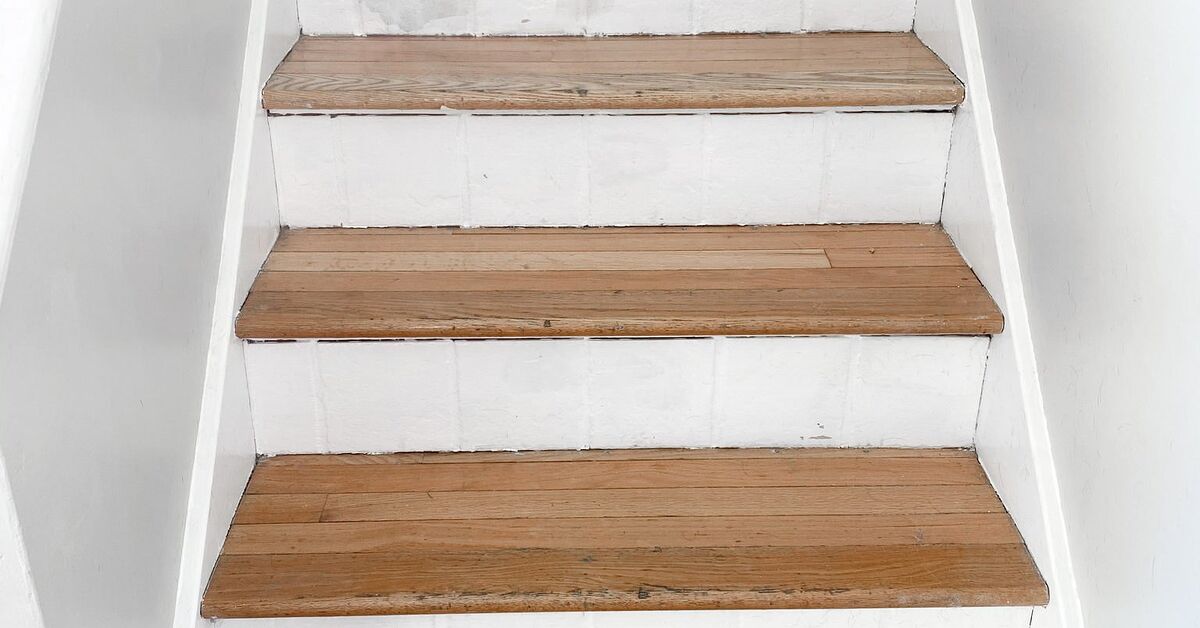
White risers paired with stained wood treads are a classic choice because the contrast looks crisp and timeless. Soft gray, greige, navy, sage green, charcoal, or warm cream can also work beautifully depending on your home’s style. For a playful look, try alternating shades, a subtle ombré effect, or a muted color palette that coordinates with nearby rooms.
How to Paint Stair Risers Properly
Good prep is the difference between “custom staircase” and “I painted this at midnight with a podcast and questionable judgment.” Start by cleaning the stairs thoroughly to remove dust, grime, and oils. Lightly sand glossy surfaces so primer and paint can grip. Fill dents or gaps with wood filler or caulk where appropriate, then tape carefully along the tread edges.
Use a quality primer if the risers are bare wood, stained, glossy, or previously painted in a dark color. Choose a durable interior paint that can handle bumps, shoes, and daily life. A satin or semi-gloss finish is often easier to clean than a flat finish, especially in busy households.
Add a Stair Runner for Style, Comfort, and Safety
A stair runner is one of the most effective ways to update stairs because it adds color, pattern, sound control, comfort, and traction. It also protects wood treads from daily wear. If your stairs echo like a tiny gymnasium every time someone walks upstairs, a runner can make the house feel calmer.
Runners come in many styles, from neutral wool blends and natural fiber looks to bold stripes, vintage-inspired patterns, geometric prints, and washable options. A striped runner can visually elongate the staircase, while a patterned runner can hide everyday dirt better than a solid light color. That is especially useful if your household includes kids, pets, or anyone who treats shoes as indoor accessories.
What to Consider Before Installing a Runner
Measure carefully before buying. You need the number of steps, tread depth, riser height, and any landing dimensions. A runner should be centered and secured properly with carpet pads or appropriate underlayment. The padding should be slightly narrower than the runner so the edges lie cleanly.
For a polished finish, many homeowners use stair rods, though they are usually decorative rather than the main support. The real work should come from correct installation with staples, tack strips, tape systems, or professional methods depending on the material and staircase type.
If DIY installation feels intimidating, hiring a professional for the runner can still be affordable compared with larger remodeling projects. A neat runner installation can make ordinary stairs look designer-level, which is a delightful trick because the stairs did not suddenly become fancy; they just got a good outfit.
Try Peel-and-Stick Wallpaper or Tile on Stair Risers
Peel-and-stick products are popular for stair risers because they add pattern without permanent commitment. Wallpaper, vinyl decals, and peel-and-stick tile can create anything from a subtle linen texture to a bold Mediterranean tile look. This is a great choice for renters, cautious decorators, or homeowners who like to change their minds seasonally. No judgment; design commitment is hard.
For best results, clean the risers well and make sure the surface is smooth. Measure each riser individually because stairs are not always perfectly identical. Cut carefully, apply from one side to the other, and smooth out air bubbles as you go. If your stairs get heavy traffic, choose a durable, wipeable product and consider sealing edges where recommended by the manufacturer.
Best Patterns for Stair Risers
Small-scale patterns work well because risers are narrow. Try classic black-and-white tile prints, soft botanical designs, herringbone, subtle stripes, geometric shapes, or warm wood-look panels. If the surrounding area is already busy, choose a quieter texture. If your entryway is plain, the stairs can handle more personality.
The key is balance. A staircase can be a statement, but it should still feel connected to the home. Pull one color from nearby walls, rugs, art, or furniture so the update looks planned rather than randomly enthusiastic.
Refresh the Stair Railing and Banister
Sometimes the stairs themselves are fine, but the railing is aging the whole space. A dated oak banister, chipped balusters, or faded newel post can make the entryway feel tired. Painting or staining the railing is a simple stair update with a surprisingly high-end effect.
Black railings are popular because they create strong contrast and work with modern, farmhouse, traditional, and transitional interiors. White balusters can make the stairwell feel brighter. A rich wood handrail adds warmth. If your home has lots of natural wood already, staining the railing to match nearby floors can create a more cohesive look.
Small Railing Changes That Feel Expensive
You do not always need to replace the entire railing. Updating the finish, swapping worn hardware, adding decorative brackets, or replacing only the balusters can make a major difference. In older homes, keeping original wood details and simply refreshing the finish can preserve charm while making the stairs feel cared for.
Always keep safety in mind. Railings should be sturdy, comfortable to grip, and securely mounted. A beautiful staircase that wobbles is not charming; it is a suspense movie with trim paint.
Refinish or Paint the Stair Treads
The tread is the horizontal part of the step where your foot lands, so it needs a tougher finish than the riser. If your treads are wood and structurally sound, refinishing can make them look new. Sanding, staining, and sealing can restore depth and warmth, especially if the wood has been hidden under carpet for years.
Painted stair treads can also look beautiful, especially in cottages, basements, older homes, and creative spaces. However, because treads take constant wear, use paint designed for floors, porches, or high-traffic surfaces. Avoid glossy, slippery finishes. A low-luster or satin finish with a durable protective coating is usually more practical.
Painted Runner Instead of Carpet
A painted runner is a clever option if you want the look of a runner without fabric. You can paint a centered stripe down the stairs, add borders, or stencil a pattern. This approach works especially well on basement stairs, cottage stairs, or casual spaces where personality matters more than perfection.
The painted runner should be measured and taped carefully so the lines stay straight. Use durable floor paint and consider a clear protective topcoat. For extra safety, choose products or additives that improve traction.
Improve Stair Safety While You Improve the Look
A stair update should never be only about appearance. Stairs are high-use areas, and a good makeover should make them safer, not slicker. Keep walking surfaces clear, secure, and slip-resistant. Make sure the handrail is solid. Improve lighting so every step is visible. If you add a runner or tread cover, make sure it is attached properly and does not curl at the edges.
Lighting is especially important in stairwells. A brighter overhead fixture, wall sconces, LED strip lighting under the handrail, or motion-sensor night lights can make stairs easier to use. Good lighting also highlights your new update, which is useful because what is the point of beautiful risers if everyone sees them only as mysterious shadows?
A Quick Safety Checklist
Before calling the project finished, check for loose boards, protruding nails, peeling paint, worn carpet edges, unstable handrails, and dark corners. If your home was built before 1978 and you plan to sand or disturb old painted surfaces, be cautious about lead paint and consider testing or hiring a certified professional.
For outdoor or basement stairs, choose finishes designed for the surface and conditions. Concrete stairs may need textured coatings. Exterior stairs need products that can handle moisture, UV exposure, and temperature changes. Indoor wood stairs need finishes that resist scuffs and daily traffic.
Design Ideas for Different Home Styles
Modern Stair Update
Use black railings, white walls, natural wood treads, and a neutral runner. Keep lines clean and accessories minimal. A matte black handrail can make the whole staircase feel sharper without overwhelming the room.
Farmhouse Stair Update
Pair white risers with warm wood treads and a striped runner. Add simple wall trim or board-and-batten along the stairwell for extra texture. Soft neutrals, aged brass, and woven baskets near the landing can complete the look.
Traditional Stair Update
Refinish the wood, paint balusters white, and add a patterned runner in classic tones like navy, burgundy, cream, or charcoal. Decorative stair brackets can add architectural detail without rebuilding anything.
Bold and Creative Stair Update
Paint risers in a gradient, add peel-and-stick tile, stencil a pattern, or choose a colorful runner. This works especially well in homes where the entryway needs energy. Just keep nearby decor simpler so the stairs can be the star.
Budget-Friendly Stair Update Plan
You do not need to do everything at once. In fact, the best stair makeover is often a layered project. Start with cleaning and repairs. Then paint the risers. Later, update the railing. Add a runner when the budget allows. This approach keeps the project manageable and prevents that classic DIY moment where the entire house is covered in painter’s tape and regret.
For a low-cost update, focus on paint. A quart or two can transform risers, balusters, or the side stringer. For a mid-range update, add a runner or stair tread covers. For a more finished look, combine painted risers, refinished treads, a refreshed banister, and improved lighting.
Suggested Weekend Timeline
On Friday evening, clean the stairs, remove old staples if needed, patch holes, and tape edges. On Saturday, sand lightly, prime, and apply the first coat of paint. On Sunday, apply the second coat, touch up edges, and let everything cure as recommended. If adding a runner, schedule that after paint has fully dried and hardened.
Remember that stairs are not like a spare room you can close off easily. Plan how people will move through the house during drying time. Paint every other tread if necessary, or finish the project when foot traffic is low. Pets should be kept away unless you want a limited-edition paw-print finish.
Real-World Experience: What a Simple Stair Update Actually Feels Like
The best thing about a simple stair update is how quickly it changes the mood of a home. Many homeowners start with modest expectations. They think, “I’ll just paint the risers,” or “Maybe a runner would help.” Then suddenly the entryway feels brighter, the hallway looks cleaner, and the staircase becomes something people notice for the right reasons.
One of the most common experiences is surprise at how much preparation matters. Cleaning stairs sounds boring, but it is the secret handshake of a good finish. Stairs collect dust in corners, fingerprints on railings, shoe marks on risers, and mysterious scuffs that appear even in homes where everyone claims they “never touch the walls.” Skipping prep usually leads to uneven paint or peeling edges. Taking time to sand, wipe, patch, and tape makes the final result look much more professional.
Another real-life lesson is that color looks stronger on stairs than it does on a sample card. A deep navy riser, black handrail, or patterned runner can feel bold because stairs repeat the same color or print step after step. That repetition creates impact. If you are nervous, test the color on one riser or use a removable accent first. Small samples are cheaper than repainting while muttering things about “design courage.”
People also discover that stair projects affect daily routines. You cannot simply paint the stairs and forget they exist. At some point, someone will need socks from upstairs, a charger from downstairs, or the exact item that suddenly becomes urgent because the paint is wet. Planning matters. Work in sections, choose fast-drying products when appropriate, and clearly mark wet areas. If you have pets, create a barrier. Cats especially believe fresh paint is an invitation to participate in the arts.
A stair runner often brings the biggest lifestyle improvement. Beyond looking stylish, it softens sound and makes stairs feel more comfortable underfoot. In busy homes, that can be a major upgrade. The thumping of shoes, paws, and laundry baskets becomes less dramatic. A runner also adds grip, which is helpful for kids, older family members, and pets. The trick is proper installation. A loose runner is worse than no runner, so secure it carefully or hire a pro.
Finally, the emotional reward is real. Stairs are used constantly, so the update gets noticed every day. You see it when you walk in with groceries. You see it when guests arrive. You see it during the morning rush, when the house may be chaotic but at least the staircase looks fantastic. A simple stair update is not just decoration. It is a daily reminder that small improvements can make a home feel more loved, more finished, and more like yours.
Conclusion
A simple stair update can deliver a big impact because stairs are visible, useful, and full of design potential. You can paint risers, add a runner, refresh the railing, install peel-and-stick accents, improve lighting, or refinish worn treads. None of these updates require rebuilding the staircase from scratch, but each can make the home feel cleaner, safer, and more stylish.
The smartest approach is to match the update to your actual needs. If the stairs look dull, paint or wallpaper the risers. If they feel slippery or loud, add a runner. If the entryway feels dated, refresh the banister. If the stairwell feels dark, upgrade the lighting. Small details stack up quickly, and before you know it, your staircase has gone from “just there” to “wait, did you remodel?”
Note: For the best result, choose durable materials, prioritize slip resistance, and test colors or patterns before committing to the entire staircase. A beautiful stair update should look good, feel secure, and survive real life with grace.