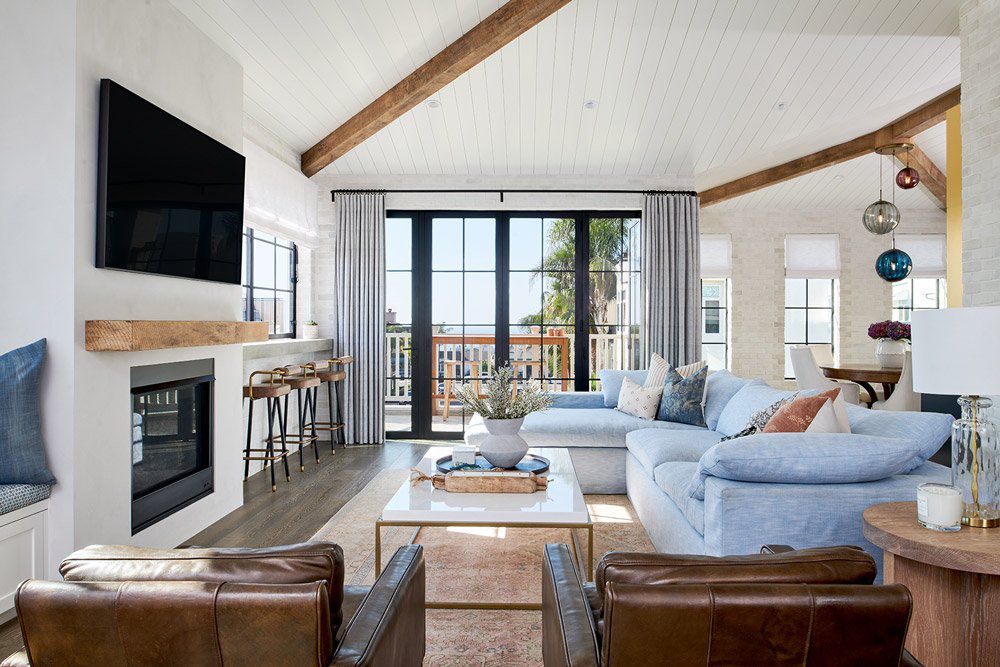
Gray and brown may sound like the quiet kids at the color-wheel party, but put them together in a living room and suddenly they are hosting the whole event. Gray brings calm, structure, and a modern edge. Brown brings warmth, texture, and that “please stay for coffee” feeling. Together, they create a living room that feels stylish without trying too hard, cozy without becoming a cabin, and neutral without looking like a waiting room.
The beauty of a gray and brown living room is flexibility. You can go rustic with weathered wood and stone-gray walls, sleek with charcoal upholstery and walnut furniture, or soft and airy with greige paint, linen curtains, and caramel leather. The trick is not simply tossing a gray sofa next to a brown table and hoping the room becomes a magazine spread overnight. The magic happens through undertones, balance, contrast, texture, lighting, and a few brave accents that keep the space from falling asleep on the rug.
Below are 24 gray and brown living room ideas that can help you create a unique space, whether your home is a small apartment, suburban family room, open-concept layout, or dramatic lounge with main-character energy.
Why Gray and Brown Work So Well Together
Gray is a versatile neutral because it can lean cool, warm, blue, green, beige, or charcoal. Brown is equally flexible, ranging from pale oak and sand to cognac leather, walnut, espresso, and chocolate. When gray feels too cold, brown warms it up. When brown feels too heavy, gray cools and sharpens it. It is basically the interior design version of a good buddy comedy: one is calm and polished, the other is warm and grounded, and somehow the sofa gets all the applause.
For the best result, pay attention to undertones. A blue-gray wall may clash with reddish-brown flooring, while a warm gray or greige often blends better with wood, leather, rattan, and taupe textiles. If your living room has lots of natural wood, warm gray, mushroom, stone, or taupe can create a smoother transition. If your brown elements are dark and dramatic, a pale gray wall can keep the room from feeling too enclosed.
24 Gray and Brown Living Room Ideas
1. Warm Gray Walls with a Cognac Leather Sofa
A cognac leather sofa is one of the easiest ways to make a gray living room feel warm and expensive. Pair it with warm gray walls, a cream area rug, and black metal accents for a room that feels modern but not cold. The leather adds glow, while the gray keeps everything calm and collected. Add a chunky knit throw if you want the sofa to look like it owns a vacation cabin.
2. Charcoal Gray Sofa with Walnut Wood Furniture
A charcoal sofa can look bold, but walnut furniture softens the mood. Use a walnut coffee table, sideboard, or open shelving to introduce natural brown tones. This combination works especially well in contemporary living rooms because the deep gray creates drama while walnut keeps the design livable. Choose pillows in ivory, taupe, or muted rust to connect both colors.
3. Greige Walls for the Perfect Middle Ground
Greige, a blend of gray and beige, is a lifesaver when you cannot decide whether your room wants to be cool or warm. It pairs beautifully with brown leather, oak floors, gray upholstery, stone fireplaces, and woven decor. In a small living room, greige walls can make the space feel soft and open without turning stark white. It is neutral, but with a pulse.
4. Brown Sectional with Light Gray Curtains
If you already own a brown sectional, use light gray curtains to brighten the room. This helps prevent the sofa from visually dominating the space. Add a gray-and-cream patterned rug underneath to tie the wall treatment and seating together. A few textured pillows in linen, oatmeal, and slate can make the room feel layered instead of matchy-matchy.
5. Stone Fireplace with Brown Built-Ins
A gray stone fireplace and brown built-in shelves are a classic pairing. The stone gives the room texture and natural variation, while wood built-ins add warmth and storage. Style the shelves with books, pottery, baskets, and framed art rather than filling every inch. Negative space is your friend; clutter is the cousin who overstays Thanksgiving.
6. Taupe Sofa with Dark Gray Accent Wall
Taupe is a subtle brown-gray shade that can bridge the entire palette. Place a taupe sofa against a dark gray accent wall for a cozy lounge effect. This works best when the room has good lighting or lighter flooring. Add brass lamps or warm white lighting to avoid a gloomy atmosphere. The result feels elegant, not cave-like.
7. Gray Walls with Natural Wood Ceiling Beams
Exposed brown beams add architectural warmth to gray walls. This look works in farmhouse, rustic, transitional, and even modern homes. Keep the furniture simple: a gray linen sofa, brown leather chairs, a woven rug, and maybe a black-framed mirror. The beams should feel like the star, not like they are competing in a talent show with every accessory in the room.
8. Brown Leather Chairs with a Gray Fabric Sofa
A gray sofa paired with brown leather armchairs creates balance and comfort. This is a practical layout for families because the gray sofa feels soft and versatile, while leather chairs are durable and easy to wipe down. Use a rug with both tones, such as gray, tan, ivory, and charcoal, to make the seating area look intentional.
9. Light Gray Living Room with Espresso Accents
For a polished look, start with light gray walls and bring in espresso brown through a coffee table, media console, or picture frames. Because espresso is dark, use it sparingly. Too much can make the room feel heavy. Balance it with white trim, pale upholstery, and reflective surfaces like glass or brushed metal.
10. Moody Charcoal and Chocolate Brown
If you love dramatic interiors, combine charcoal gray with chocolate brown. Use charcoal walls, a deep brown velvet sofa, and soft lighting for a lounge-like atmosphere. This look is best for rooms where you want intimacy, such as a den or media room. Add cream artwork or a pale rug to give the eye somewhere to rest.
11. Scandinavian Gray with Pale Oak
For a cleaner, brighter space, pair soft gray with pale oak. Think light gray walls, oak floors, a simple sofa, a woven pendant, and minimal decor. The brown is subtle here, appearing through wood grain rather than dark furniture. This gray and brown living room idea is perfect for people who like warmth but still want a fresh, uncluttered look.
12. Rustic Brown Coffee Table in a Modern Gray Room
A rustic brown coffee table can keep a modern gray living room from feeling too sleek. Reclaimed wood, live-edge shapes, or distressed finishes add character. Pair the table with a smooth gray sofa and clean-lined lighting for contrast. The mix of refined and rugged is what makes the room interesting.
13. Gray Rug Under Brown Furniture
If your furniture is mostly brown, a gray rug can cool the palette and create structure. Choose a rug with texture or subtle pattern so it does not look flat. A gray wool rug, vintage-inspired area rug, or low-pile geometric design can ground the seating area while letting wood and leather tones shine.
14. Brown Rug Under Gray Furniture
The reverse also works beautifully. A brown rug under a gray sofa makes the room feel warmer from the ground up. Try jute, sisal, tan wool, or a patterned rug with mocha and ivory. This is especially helpful if you have gray walls, gray upholstery, or gray flooring and need to bring back some visual warmth.
15. Gray Paneling with Brown Leather Details
Wall paneling painted gray can make a living room feel custom and architectural. Add brown leather details through chairs, ottomans, trays, or cabinet pulls. The gray paneling adds elegance, while brown leather keeps the space relaxed. It is a strong choice for transitional rooms that mix traditional molding with modern furniture.
16. Brown Wood Floors with Soft Gray Upholstery
Many homes already have brown wood floors, which means your gray-and-brown palette may be halfway done before you even buy a pillow. Soft gray upholstery works well with medium brown floors because it adds contrast without fighting the warmth of the wood. Use beige, cream, or camel accents to make the transition smoother.
17. Gray Built-In Shelves with Brown Decor
Paint built-in shelves a medium gray and style them with brown baskets, wood frames, ceramic bowls, and leather-bound books. This is a smart way to create depth without painting the whole room dark. The brown accessories prevent gray shelves from feeling cold, while the gray background makes everyday items look curated.
18. Brown Sofa with Charcoal Throw Pillows
A brown sofa can look instantly more modern with charcoal pillows. Add a few lighter pillows in cream or gray-beige so the sofa does not become too dark. This is a budget-friendly refresh because you can shift the room’s personality without replacing major furniture. Pillows: small objects, huge opinions.
19. Gray and Brown with Green Plants
Plants are a natural bridge between gray and brown. Greenery softens gray walls and looks right at home with wood, leather, baskets, and clay pots. Try a tall fiddle-leaf fig, rubber plant, snake plant, or pothos trailing from a shelf. The green adds life without disrupting the neutral palette.
20. Industrial Gray with Warm Brown Leather
Industrial living rooms often include concrete gray, black metal, exposed brick, and leather. To keep the style from feeling too hard, use warm brown leather seating, wood shelving, and soft textiles. A gray concrete-style wall behind a caramel leather sofa can look bold, urban, and surprisingly comfortable.
21. Farmhouse Gray with Weathered Brown Wood
For farmhouse style, combine soft gray walls with weathered brown wood furniture. Add slipcovered seating, woven baskets, linen curtains, and vintage-inspired lighting. The palette should feel relaxed, not overly polished. Avoid using too many distressed pieces, though, unless you want the room to look like it fought a barn and lost.
22. Minimalist Gray Room with One Brown Statement Piece
If you prefer minimalist interiors, keep the palette mostly gray, white, and black, then add one strong brown piece. This could be a walnut media console, leather lounge chair, sculptural wood coffee table, or large framed art piece. The brown element becomes the visual anchor and gives the room warmth without clutter.
23. Layered Neutrals: Gray, Brown, Cream, and Black
A gray and brown living room becomes richer when you layer neighboring neutrals. Use cream for softness, black for definition, and taupe to connect the palette. For example, combine a gray sofa, brown wood coffee table, cream rug, black floor lamp, and taupe pillows. The room will feel designed, but not overly decorated.
24. Gray and Brown with Metallic Accents
Metal finishes can change the personality of a gray and brown room. Brass adds warmth and glamour, matte black feels modern, chrome adds cool polish, and aged bronze blends beautifully with leather and wood. Use metallics in lamps, frames, curtain rods, or small tables. The goal is sparkle, not disco ball.
How to Choose the Right Gray and Brown Combination
Consider Your Natural Light
Natural light changes how gray and brown appear. North-facing rooms often make gray look cooler, so choose warm gray, greige, mushroom, or taupe. South-facing rooms can handle cooler grays because sunlight adds warmth. In low-light rooms, use lighter walls and bring brown through furniture, wood, or textiles rather than painting every surface dark.
Match Undertones, Not Just Colors
The biggest mistake in gray and brown living room decor is ignoring undertones. A red-brown floor next to a blue-gray wall can feel awkward. A yellow-oak table beside a violet-gray sofa may look slightly off. Before committing, place samples together in the actual room. Look at them in morning, afternoon, and evening light. Paint chips are tiny little liars until proven innocent.
Use Texture to Avoid a Flat Room
Because gray and brown are both neutrals, texture matters. Mix linen, leather, wool, velvet, stone, wood, rattan, ceramic, and metal. A gray sofa, brown wood table, woven basket, nubby rug, and smooth ceramic lamp will feel far more inviting than a room where every surface has the same finish.
Add Accent Colors Carefully
Gray and brown can support many accent colors. Rust, olive green, navy, cream, black, terracotta, blush, and muted gold all work well. Choose one or two accent shades and repeat them in small doses. For example, olive pillows, a terracotta vase, and a warm-toned art print can make the room feel finished without shouting.
Common Mistakes to Avoid
First, avoid using only flat gray and flat brown. Without texture, the room can look dull. Second, do not choose a gray that is too cold for warm brown furniture unless you intentionally want strong contrast. Third, watch scale. A giant dark brown sectional in a small charcoal room may feel like the furniture is trying to absorb the house. Fourth, use enough lighting. Gray and brown both need warm, layered light to look their best.
Finally, do not feel pressured to match every wood tone exactly. Real homes have variation. The goal is coordination, not identical twins. If your floors are medium brown, your coffee table can be walnut, oak, blackened wood, or even painted gray. Just repeat each major tone at least twice so the room feels intentional.
of Real-Life Experience: What Gray and Brown Living Rooms Teach You
After working through many gray and brown living room ideas, one lesson becomes obvious: this palette rewards patience. It is not the kind of room you finish in one shopping trip unless you have suspiciously perfect luck and a credit card that enjoys cardio. Gray and brown spaces look best when they are built in layers. You may start with a gray sofa and brown floors, then slowly add a rug, lamps, pillows, art, books, plants, and a few pieces with personal history.
One practical experience is that lighting can completely change the design. A warm gray that looks elegant in the store may turn blue in a shaded room. A brown leather chair that looks rich online may appear orange beside cool gray flooring. This is why testing is not optional. Place fabric swatches near your flooring. Move paint samples around the room. Look at them under daylight and evening lamps. A beautiful living room is often less about buying the most expensive item and more about catching small problems before they become large, upholstered regrets.
Another experience: brown is often the missing ingredient in gray rooms that feel too cold. Many people start with gray because it feels safe and modern, then wonder why the room feels unfinished. Bringing in brown through wood, leather, woven shades, baskets, or natural fiber rugs instantly adds comfort. Even a small brown side table or a pair of tan pillows can make gray walls feel warmer.
At the same time, gray can rescue brown rooms that feel too traditional or heavy. If your living room has dark wood floors, brown furniture, and beige walls, adding gray curtains, a stone-colored rug, charcoal pillows, or gray artwork can make the space feel fresher. Gray gives brown a cleaner outline. It says, “Yes, this room is cozy, but it also knows how to use a calendar app.”
Personal style matters, too. A gray and brown living room does not have to follow one formula. For a relaxed family room, use washable fabrics, rounded furniture, warm lamps, and baskets for storage. For a sophisticated apartment, use charcoal, walnut, black metal, and sculptural lighting. For a farmhouse-inspired home, use soft gray, weathered wood, cream textiles, and natural greenery. The same color family can tell very different stories.
The best experience-based advice is to choose one hero element. Maybe it is a cognac leather sofa, a gray stone fireplace, a vintage brown rug, or a charcoal accent wall. Let that piece guide the rest of the room. When every item tries to be the star, the living room becomes a talent show with no judges. When one element leads and the others support it, the space feels calm, confident, and unique.
Conclusion
Gray and brown living rooms are popular for a reason: they combine calm with comfort, structure with softness, and modern style with natural warmth. Whether you prefer pale greige walls, dark charcoal drama, walnut furniture, cognac leather, rustic beams, or soft taupe textiles, this palette gives you room to create something personal. The secret is balance. Let gray cool the space, let brown warm it, and use texture, lighting, and accent colors to keep the room alive.
A unique living room does not need wild colors or expensive furniture. Sometimes, all it needs is the right gray, the right brown, and enough personality to make guests say, “This feels like you,” which is basically the highest compliment a sofa can receive.