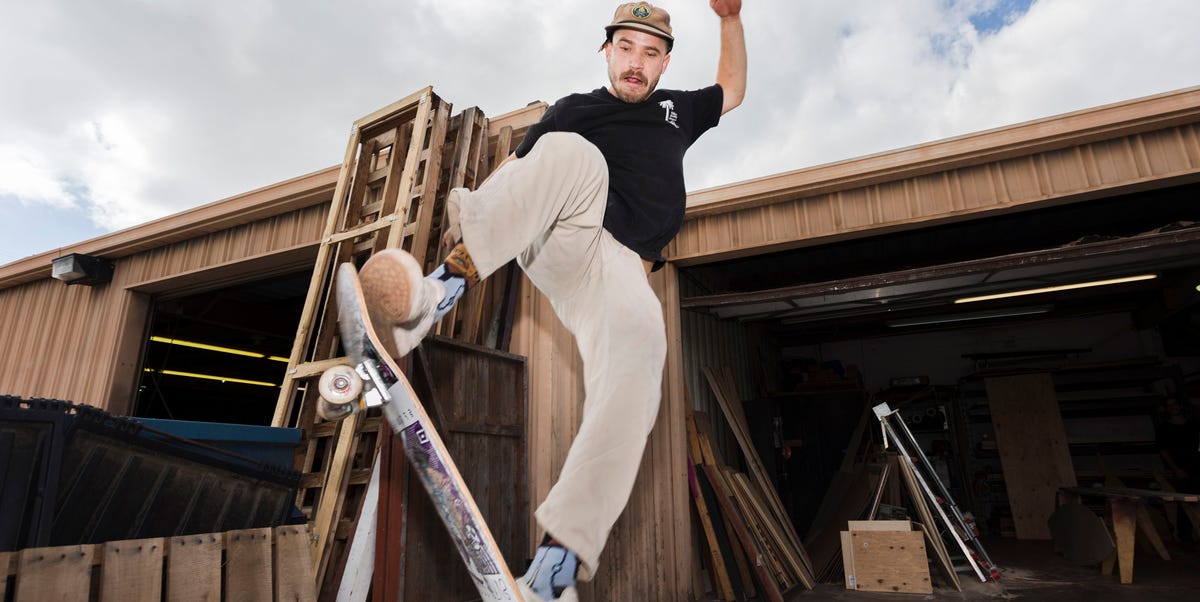
Some businesses begin with a boardroom, a pitch deck, and someone saying “synergy” too many times. Cory Keen Skate Ramps began in a much better place: the world of skateboarding, sawdust, backyard experimentation, and one very lucky nephew who received a quarter pipe as a gift. That simple ramp became the spark behind Keen Ramps, a Long Beach, California-based company known for building skateboard ramps, rails, ledges, grind boxes, mini half pipes, custom obstacles, rental setups, and event-ready skate terrain.
What makes the Cory Keen story interesting is that it is not just about selling wooden structures with coping attached. It is about skateboarding culture, practical craftsmanship, community, and the beautiful chaos that happens when a lifelong skater decides that better ramps should exist. Keen Ramps has become a recognizable name among skaters, families, brands, and event organizers because it sits at a rare intersection: built by people who actually skate, designed for people who actually use the equipment, and polished enough for high-profile events without losing its garage-born soul.
In other words, Cory Keen Skate Ramps are not just ramps. They are invitations to progress, fall, laugh, try again, and maybe finally land that trick your friends have heard you talk about for six months.
Who Is Cory Keen?
Cory Keen is the founder of Keen Ramps, a skateboarder-owned ramp company based in Long Beach, California. His background is part skater, part builder, part planner, and part “let’s figure this out with a drill and some determination.” Keen grew up in Southern California and was introduced to tools early through his father’s workshop. That hands-on environment mattered. Long before Keen Ramps became a company, Cory was building things, experimenting with scrap wood, and learning how materials behave when real people put real weight, speed, and bad decisions on them.
Skateboarding entered the picture when he was young, and the do-it-yourself spirit of the sport fit him perfectly. Skateboarders have always had a special relationship with architecture. A curb is not just a curb. A bench is not just a bench. A loading dock is practically poetry. For Cory Keen, that way of seeing the world naturally evolved into building boxes, rails, launch ramps, quarter pipes, and mini ramps.
After earning a master’s degree in city and regional planning, Keen eventually returned to the hands-on world that had always pulled at him. The key moment came when he built a quarter pipe for his seven-year-old nephew. Friends and families noticed. People asked where the ramp came from. Cory realized there was a real need for sturdy, skater-approved ramps that could work in driveways, backyards, schools, events, and private training spaces. Keen Ramps grew from that question: what if backyard skate obstacles could be built better?
The Origin of Keen Ramps
Keen Ramps started in the most skateboarding way possible: with a homemade obstacle and an audience that immediately wanted one too. Cory did not simply throw together a few pieces of plywood and call it a business. He studied what made ramps fail. He looked at loose coping, weak surfaces, bad transitions, rusty hardware, and wobbly construction. Then he started improving those details one by one.
That attention to real-world problems became one of the company’s strongest selling points. A skate ramp is not a coffee table. It has to handle repeated impact, weather, speed, wheels, trucks, boards, beginners, experts, and the occasional friend who says, “Film this,” right before disaster. A ramp that looks good on delivery day but feels sketchy after a few sessions is not doing its job.
Keen Ramps built its reputation around durable construction, precise transitions, quality surfacing, weather-conscious hardware, and designs tested by actual riders. The brand’s “for skaters, by skaters” identity is more than a nice phrase. It explains the company’s practical approach: build obstacles that feel right under a skateboard, not just obstacles that look nice in product photos.
What Does Keen Ramps Build?
Keen Ramps offers a broad range of skateboarding and action sports obstacles. The product lineup has included quarter pipes, mini half pipes, kickers, grind boxes, rails, ledges, slap sticks, transition ledges, puzzle ledges, starter packs, and custom-built pieces. The company also provides ramp rentals, custom designs, private skate setups, event services, and skate-focused production support.
Quarter Pipes
Quarter pipes are one of the classic building blocks of skateboarding. A good quarter pipe lets skaters practice pumping, carving, kickturns, rock fakies, axle stalls, drop-ins, and transition basics. For beginners, a small quarter pipe can be the first step into ramp skating. For experienced riders, a well-built quarter pipe becomes a launchpad for tricks, transfers, and creative lines.
Keen Ramps has offered quarter pipe models in different sizes, making them useful for driveways, garages, backyards, schools, camps, and events. The appeal is simple: not everyone has room for a full mini ramp, but many people can make space for a compact quarter pipe. Add a flat rail or ledge nearby and suddenly the driveway becomes a tiny skatepark with better snacks.
Mini Half Pipes
The mini half pipe is the dream purchase for many skaters and skate families. It is the backyard equivalent of installing a happiness machine, except this machine also teaches balance, persistence, patience, and how quickly your legs can turn into noodles. Keen Ramps’ mini half pipes are designed for residential use, but they also fit into private training facilities and event environments.
A backyard mini ramp is not just for advanced skaters. When sized correctly and used with proper safety gear, it can help newer riders learn transition skating in a controlled environment. The best mini ramps encourage repetition. You try a trick, roll back, try again, adjust your feet, laugh at yourself, and repeat until something clicks. That repetition is where progress lives.
Rails, Ledges, and Grind Boxes
Rails, ledges, and boxes are essential for street-style progression. These obstacles help skaters practice boardslides, 50-50s, crooked grinds, noseslides, tailslides, manuals, and creative combinations. Keen Ramps has produced pieces such as adjustable rails and signature ledges associated with professional skaters, giving riders a way to bring street-inspired practice into a more controlled setting.
The details matter here. A ledge that rocks, a rail that sits too high for a beginner, or coping that catches unpredictably can turn practice into frustration. Good skate obstacles feel consistent. They give riders the confidence to focus on technique instead of wondering whether the equipment is about to betray them like a shopping cart with one bad wheel.
Why Cory Keen Skate Ramps Stand Out
The biggest reason Keen Ramps stands out is not simply that the company builds skate obstacles. Lots of people can build a wooden ramp. The difference is in the combination of design experience, rider feedback, field testing, and cultural credibility.
Skater-Tested Design
Keen Ramps benefits from being deeply connected to skateboarding itself. Cory Keen and his crew are not outside manufacturers guessing what skaters want. They skate, watch others skate, listen to feedback, and refine the product accordingly. That creates a useful feedback loop. If a transition feels too abrupt, if coping needs adjustment, if a surface is wearing too quickly, or if an obstacle could be easier to move, those lessons can be folded into future designs.
Craftsmanship With a Purpose
Good ramp building is part carpentry, part geometry, and part empathy. The builder has to understand how a skater approaches an obstacle, where wheels make contact, where speed is generated, and how a fall might happen. A smooth transition is not a luxury; it changes how safe, predictable, and fun the ramp feels. Strong framing is not just about durability; it is about trust.
That is why Cory Keen’s planning background is so relevant. City and regional planning may sound far removed from backyard skate ramps, but both involve movement, space, function, and human behavior. A skate obstacle is a tiny piece of architecture. When it is designed well, it guides motion naturally.
From Backyard Setups to Major Events
Keen Ramps has grown beyond residential products. The company has been involved in skate events, demos, brand activations, contests, grand openings, media productions, and custom builds. That range matters because event ramps must solve different problems than backyard ramps. They may need to be modular, transportable, visually impressive, quickly assembled, safe for many riders, and durable enough for heavy use in a short period.
The company’s work with skate-industry projects and major brands shows how a small, skater-owned business can scale without losing its core identity. A driveway quarter pipe and an event course may look different, but the goal is the same: build something riders want to skate.
Cory Keen, Community, and Skateboarding Culture
Skateboarding has always been more than a sport. It is a culture built around creativity, independence, resilience, style, and community. A ramp company that understands this has an advantage. Cory Keen Skate Ramps connect with riders because the brand does not treat skateboarding as a trend to be packaged. It treats skating as something lived.
That matters because ramps become gathering places. A backyard mini ramp turns into a neighborhood session. A school demo can introduce kids to skating for the first time. A portable event course can bring riders together in a parking lot, festival, warehouse, or brand launch. Even a small rail in a driveway can become the place where someone learns their first boardslide and then talks about it for the rest of the week like they won an Oscar.
Skateboarding also gives young people a different kind of learning environment. Progress is visible, personal, and self-directed. You fall, adjust, and try again. Nobody can land the trick for you. Ramps and obstacles create structured spaces for that process, and companies like Keen Ramps help make those spaces more accessible outside of traditional public skateparks.
Choosing the Right Skate Ramp for Home Use
Anyone considering a Cory Keen skate ramp or a similar home skate obstacle should start with three questions: who will use it, where will it go, and what skills should it support?
For Beginners
Beginners usually benefit from smaller, lower obstacles. A low manual pad, small ledge, flat rail, compact kicker, or shorter quarter pipe can help riders build confidence without feeling overwhelmed. The goal is not to create instant viral footage. The goal is to create repetition and comfort.
For younger skaters, adult supervision and safety gear are essential. Helmets, wrist guards, knee pads, elbow pads, and flat-soled shoes can reduce the risk of injuries. The best beginner setup is one that encourages practice while respecting the fact that gravity has never lost a match.
For Intermediate Riders
Intermediate riders may want a combination of obstacles: a quarter pipe paired with a ledge, a rail with adjustable height, or a mini ramp for transition practice. At this stage, skaters often know what type of terrain they enjoy. Some are drawn to transition tricks; others want street-style progression. A modular setup lets riders change the layout and keep sessions fresh.
For Families and Shared Spaces
Families should think carefully about space, storage, noise, safety, and neighborhood friendliness. A ramp that fits the driveway but blocks every car is not exactly a household peace treaty. Portable or modular obstacles can be helpful because they allow the space to return to normal when the session ends. Wheels, handles, and manageable sizing can make a big difference.
Safety and Maintenance Tips for Skate Ramps
A skate ramp is meant to be used, which means it should also be inspected. Before riding, check for loose screws, damaged surfaces, shifting panels, rusty hardware, unstable legs, or rough edges. Make sure the ramp sits on a flat, stable surface. Clear away rocks, leaves, water, and random driveway clutter. A tiny pebble can turn a confident push into an unplanned meeting with the pavement.
Weather matters too. Outdoor ramps need more attention than indoor ramps. Moisture can damage wood, surfaces can become slick, and hardware can wear over time. If a ramp is designed for outdoor use, follow the manufacturer’s guidance on placement, covering, and maintenance. If it is not intended to live outside, do not leave it outside and hope for the best. Hope is not a waterproof coating.
Riders should wear protective gear, especially beginners and children. Helmets designed for skateboarding, wrist guards, knee pads, elbow pads, and proper shoes are smart choices. Safety does not make skating boring. It makes it possible to skate again tomorrow.
The Business Lesson Behind Keen Ramps
Cory Keen’s story also works as a small-business case study. He found a niche by combining personal passion with a real market need. He did not invent skate ramps, but he improved the buying experience for people who wanted reliable, skater-approved equipment. He also used authentic content, rider testing, collaborations, and community engagement to build trust.
That is a lesson many businesses miss. In a culture full of polished ads, authenticity still wins. Skaters can usually tell when a company is pretending. Keen Ramps grew because the product and the people behind it belonged to the scene. The ramps were not just promoted; they were used, tested, filmed, shared, and improved.
Another lesson is that practical problems create strong businesses. Loose coping, poor transitions, weak surfaces, confusing assembly, and flimsy construction are not glamorous issues. But solve enough of those problems and customers notice. A ramp company does not need to shout the loudest if the product feels right under someone’s wheels.
Why Cory Keen Skate Ramps Matter Today
Skateboarding has grown into a global sport, an Olympic discipline, a design influence, a fashion force, and a community tool. But at its heart, it still depends on places to skate. Public skateparks are important, but not everyone has one nearby. Home ramps, portable obstacles, school setups, and event courses help fill that gap.
Cory Keen Skate Ramps matter because they make skate terrain more accessible. A backyard quarter pipe can help a child learn balance. A driveway ledge can help a teenager build confidence. A mini ramp can bring friends together after school. A rental course can turn a community event into something memorable. A custom build can give serious riders the training space they need.
At the center of all that is a simple idea: better obstacles create better sessions. Better sessions create more progression. More progression creates more joy. And joy, in skateboarding, usually sounds like wheels on plywood, someone yelling “again,” and at least one person filming vertically despite repeated warnings.
Experiences and Practical Takeaways Related to Cory Keen Skate Ramps
One of the most relatable experiences connected to Cory Keen Skate Ramps is the first home setup. Imagine a family deciding to add a small quarter pipe to the driveway. At first, it looks almost too nice to skate. The surface is clean, the coping shines, and everyone stands around like they are admiring a new appliance. Then the first rider drops in, rolls up, kickturns, and suddenly the ramp becomes what it was meant to be: a place of motion.
For beginners, that first session is rarely graceful. There may be stiff knees, nervous pushing, and dramatic arm movements that resemble someone trying to guide an airplane into a gate. But a well-built ramp helps because it feels predictable. The rider begins to trust the transition. The wheels roll smoothly. The sound is consistent. Confidence builds one attempt at a time.
Parents often discover something surprising: a ramp can become a social magnet. Neighborhood kids appear. Friends bring boards. Someone shows up with a scooter. Someone else asks if roller skates count. The driveway becomes less like a parking space and more like a tiny community center. That is one of the hidden benefits of quality skate obstacles. They encourage people to gather, cheer, teach, and learn from one another.
For intermediate skaters, the experience is different. They may approach a Keen Ramps ledge or rail with a specific trick in mind. Maybe it is a frontside boardslide, a 50-50 grind, or a noseslide that has been living rent-free in their imagination. A good obstacle helps isolate the trick. Instead of worrying about traffic, rough concrete, or angry security guards, the skater can focus on foot placement, speed, shoulders, and commitment.
There is also a maintenance experience that every ramp owner learns sooner or later. Skate equipment is not a decoration. It needs care. Screws should be checked. Surfaces should be cleaned. Outdoor pieces should be protected from weather when possible. If something feels loose, fix it before riding. This routine becomes part of ownership, and it teaches responsibility in a very practical way. The reward is a ramp that keeps performing session after session.
Another common takeaway is that size is not everything. A massive mini ramp looks exciting, but the best ramp is the one that matches the rider, the space, and the goal. A smaller quarter pipe used every day is more valuable than a giant setup that intimidates everyone into staring at it from the porch. Progress comes from consistency, not from buying the biggest obstacle in the catalog.
Cory Keen Skate Ramps also highlight the emotional side of skateboarding. Landing a trick on a home ramp feels personal. It happens in a familiar place, often surrounded by people who watched the failed attempts. That makes the success sweeter. The ramp becomes part of the memory: the first drop-in, the first grind, the first mini-ramp line, the first time someone says, “Okay, that was actually pretty sick.”
For event organizers, the experience is more logistical but just as important. A good ramp provider must understand setup, flow, safety, timing, rider needs, and crowd appeal. Keen Ramps’ expansion into rentals and event coordination shows how skate obstacles can transform a space quickly. A parking lot, brand activation, or festival area can become an action sports venue when the right obstacles are placed with intention.
The biggest practical lesson is simple: choose skate terrain that will actually be used. Think about skill level, available space, portability, safety, and long-term enjoyment. Whether someone buys a small rail, a quarter pipe, a mini half pipe, or a custom obstacle, the goal should be the same: more time skating, more confidence, more creativity, and more reasons to go outside.
Conclusion
Cory Keen Skate Ramps represent more than a product line. They reflect the story of a skater who turned hands-on building, personal passion, and community understanding into a respected skate ramp company. From a nephew’s quarter pipe to residential ramps, custom builds, event courses, and industry collaborations, Keen Ramps shows how craftsmanship and culture can work together.
For skaters, the appeal is obvious: solid ramps that feel good to ride. For families, the value is in safe, repeatable practice close to home. For event organizers, it is the ability to create professional skate terrain with personality. And for anyone who loves the do-it-yourself heart of skateboarding, Cory Keen’s journey is a reminder that the best ideas often begin with scrap wood, curiosity, and the courage to build something people actually want to ride.
Note: This article is an original, publication-ready synthesis based on publicly available information about Cory Keen, Keen Ramps, skate ramp construction, skateboarding safety, product examples, interviews, and skate community resources. Product availability, pricing, and specifications may change over time, so buyers should confirm current details directly before purchasing.