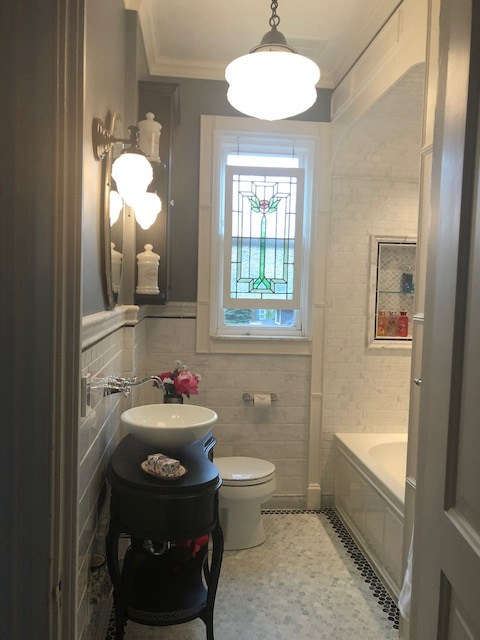
There are bathroom remodels, and then there are bathroom remodels in old homesthe kind where one wrong move can erase two hundred years of charm faster than a bargain-bin vanity can say, “assembled in 14 easy steps.” A Federalist bath renovation is not just about swapping tile, replacing fixtures, and calling it a day. It is about translating the grace of a Federal-era house into a bathroom that works for modern life without looking like it wandered in from a generic condo brochure.
In practical terms, that means balancing three priorities: preserving character, improving function, and hiding the modern machinery as neatly as possible. Federal-style houses are known for symmetry, refined proportions, lighter ornament than Georgian predecessors, and an overall sense of order. That elegance should guide the bathroom remodel too. The goal is not to create a museum bathroom where no one is allowed to actually shower. The goal is to create a room that feels believable, beautiful, and blissfully usable on a Monday morning.
If you are planning a Federalist bath renovation, think of yourself as part designer, part detective, part therapist for old walls. You are looking for what belongs, what can stay, what must change, and what should be introduced with a light touch. When done well, the result feels calm, tailored, and timelessless “trendy spa cave,” more “this room has always had excellent manners.”
What Makes a Bathroom Feel Right in a Federal-Era Home?
Before choosing tile or faucets, it helps to understand the visual language of Federal design. The Federal style favors balance, symmetry, restrained decoration, refined trim, and rooms that feel composed rather than overworked. In a bathroom, that translates into orderly layouts, elegant lines, thoughtful millwork, and finishes that look classic instead of flashy.
A successful Federalist bath renovation usually borrows from the spirit of the style rather than chasing a literal period copy. Most original Federal houses did not have bathrooms as we know them, so authenticity is less about reproducing a mythical 1805 shower and more about designing a bath that respects the home’s architecture. That may mean preserving plaster walls, restoring window trim, keeping a historic door, or using a vanity style that echoes furniture proportions instead of boxy mass-market cabinetry.
Look for details that feel refined rather than bulky: painted or stained woodwork, paneled wainscoting, marble or marble-look surfaces used with restraint, polished nickel or unlacquered brass hardware, simple sconces, classic white or soft neutral wall colors, and tile patterns that have staying power. Subway tile, mosaic floors, pedestal sinks, furniture-style vanities, and discreet storage often fit beautifully. The key word is discipline. Federal rooms tend to whisper, not yell.
Start with the Bones, Not the Shopping Cart
Protect Character-Defining Features
The smartest old-house remodelers begin by identifying what gives the room and the surrounding house their character. In a Federal-era home, that may include original baseboards, casings, doors, transoms, plaster, wood floors in adjacent rooms, mantle-like trim profiles, or early windows. Even visible old mechanical elements can contribute to character. If the bathroom still holds an older tub, unusual hardware, or historic trim, do not assume everything old is disposable. Sometimes the most charming element in the finished space is the thing everyone almost ripped out on day one.
Think carefully before expanding a bathroom into a principal room or cutting up an important hallway. If the home has a gracious chamber, a balanced floor plan, or formal rooms with strong proportions, shoving the bathroom into those spaces can hurt the house more than help your morning routine. New service functions belong most comfortably in secondary spaces, tucked where they do the least visual damage. That principle can save both the home’s integrity and your future resale story.
Document Before Demolition
Take photographs. Measure trim. Note flooring transitions. Label salvaged hardware. This is not overkill; it is insurance against regret. In older homes, demolition often reveals surprises: patched chimneys, long-abandoned plumbing runs, oddly framed walls, hidden voids, and a level of “creative logic” from past remodelers that deserves its own documentary series. Good documentation helps you rebuild with intention instead of improvising under stress.
It is also worth checking whether your house is individually landmarked or sits in a local historic district. A bathroom remodel may be mostly interior work, but changes to windows, vents, or exterior penetrations can sometimes trigger review. Even when formal approval is not required, consulting preservation-minded professionals early can prevent ugly compromises later.
Plan a Layout That Feels Natural, Not Forced
One of the biggest mistakes in a Federalist bath renovation is overloading a modest room with oversized modern expectations. Yes, everyone enjoys a dramatic soaking tub under a chandelier. No, every Federal-era room does not need one. Many older homes benefit more from a clean, proportional layout than from trying to cram in every feature sold on a showroom floor.
Sometimes the best move is to keep plumbing close to existing chases and focus on smarter use of space. A larger shower may make more sense than a never-used tub. A shallow vanity might improve circulation better than a double-sink setup that turns the room into a traffic jam with toothpaste. Reworking the room to gain even a little usable floor space can make a small bath feel dramatically better, especially when storage is integrated into walls, niches, medicine cabinets, or furniture pieces with a lighter visual footprint.
Symmetry helps. If you can center a mirror between sconces, align a vanity with a window, or repeat trim lines cleanly, the room will feel calmer and more “at home” in a Federal-style setting. Even when the underlying conditions are quirkyas old houses so often area visually balanced composition can make the room feel intentional.
Choose Materials with Good Manners
Tile, Stone, and Wall Treatments
For a Federalist bath renovation, classic materials almost always outperform fashionable ones. Small-scale mosaics, simple marble hex or basketweave patterns, penny tile, and restrained subway tile can all work beautifully. The trick is not to over-style the room. An all-white bathroom can feel crisp and historic, but it should not feel sterile. Warm whites, soft grays, pale blues, muted greens, and subtle contrast in trim can keep the space from looking like a dental operatory with ambition.
Wainscoting, paneled millwork, or beadboard-inspired wall treatment can help bridge the gap between architecture and plumbing fixtures. If the house has refined woodwork elsewhere, the bathroom should acknowledge that vocabulary. A painted wall treatment below a chair-rail line can add depth and period character while standing up visually to tile and porcelain.
Marble, or a convincing marble-look porcelain if maintenance is a concern, fits the elegance of Federal-inspired interiors. Use it strategically. A small marble threshold, vanity top, or floor pattern can say “historic refinement” without shouting “we liquidated a palace.”
Fixtures and Hardware
Pedestal sinks, console sinks, and furniture-style vanities tend to read more appropriately than bulky contemporary cabinets. Faucets with graceful curves or restrained classical detailing often work better than ultra-industrial or aggressively sculptural pieces. Polished nickel is a strong choice for historic charm. Unlacquered brass can also be lovely if you welcome patina. Matte black can work in some contexts, but in many Federal-inspired baths it can feel too visually heavy unless carefully balanced.
Lighting matters more than people think. A pair of well-scaled sconces flanking the mirror often feels more architectural than a single vanity bar blazing overhead like an interrogation lamp. Ceiling fixtures should feel simple and refined. Think tailored, not theatrical.
Moisture, Ventilation, and Other Unphotogenic Heroes
Historic bathrooms do not fail because the tile is ugly. They fail because moisture wins. In older homes, uncontrolled humidity can damage plaster, swell wood trim, stain finishes, encourage mold, and quietly undo expensive work. That is why ventilation is one of the least glamorous and most important parts of a Federalist bath renovation.
A good exhaust fan vented all the way to the exterior is essential. Not the attic. Not the crawl space. Not the magical universe where moisture apparently disappears because a contractor pointed vaguely upward. If you are insulating, air sealing, or tightening the room during renovation, ventilation becomes even more critical. Historic houses need moisture strategy, not wishful thinking.
Details matter here: smooth, properly routed ductwork; thoughtful fan sizing; smart controls such as timers or humidistats; and careful flashing where penetrations occur. Waterproofing inside the shower area matters just as much. Old houses can survive a lot, but daily water behind improperly detailed tile is not a charming tradition worth preserving.
Respect the Hidden Systems
Plumbing and Electrical
Upgrading the visible parts of the bathroom without addressing the hidden systems is like putting a tuxedo jacket on over gym shorts. It may look fine in one photograph, but reality arrives quickly. Many old homes have plumbing and wiring that have been patched, extended, or “temporarily” repaired since the Theodore Roosevelt administration. A renovation is the right time to correct supply lines, drains, venting, GFCI protection, lighting loads, and shutoff access.
At the same time, avoid routing new pipes and wiring in ways that butcher original trim, floor framing, or prominent finished surfaces. The most preservation-friendly work tends to run through secondary spaces, basements, closets, or carefully planned chases. Invisible modern comfort is the dream. Random soffits and hacked-up plaster are the nightmare.
Lead and Other Old-House Hazards
If the home predates 1978, lead-safe practices deserve serious attention. Disturbing old painted surfaces can create dangerous dust, even in a bathroom project that seems limited. This is not the moment for cheerful recklessness and one lonely paper mask from the garage. Containment, careful demolition, proper cleanup, andwhen appropriatelead-safe certified professionals matter. Historic charm is wonderful. Lead dust is a terrible accessory.
Modern Comfort Without Losing the Plot
The best Federalist bath renovation is not frozen in time. It simply edits modern features so they feel compatible with the house. Heated floors, better task lighting, quieter fans, improved storage, and curbless or low-threshold showers can all work if they are integrated thoughtfully. Accessibility-minded details such as reinforced walls for future grab bars, slip-resistant flooring, hand showers, and sensible clearances can make the bathroom more comfortable today and more practical tomorrow.
The important thing is tone. A historic home can absolutely support comfort and safety, but the details should feel woven in rather than pasted on. A beautifully scaled grab bar in a matching finish is better than relying on a towel bar as a stunt prop. A hand shower can disappear elegantly into a classic fixture set. Universal design does not have to look institutional. In fact, in a well-designed old-house bath, it often just looks smart.
Budget Like a Realist, Not an Optimist With a Mood Board
Bathroom remodels can range widely in cost, and old houses tend to add a premium for surprises. If the layout stays mostly intact and the work is cosmetic, the budget may be manageable. If you are moving plumbing, replacing subfloors, repairing water damage, restoring millwork, upgrading electrical service, or correcting decades of creative shortcuts, the numbers climb fast.
That is why contingency is not optional. Build room into the budget for discoveries behind walls and under floors. Salvage and restoration may save character, but they can take labor. Custom trim replication, plaster repair, carefully chosen tile, and preservation-minded craftsmanship are rarely the cheapest path. They are, however, often the difference between a room that feels truly integrated and one that looks like a historical novel wearing sneakers.
Spend where it counts: ventilation, waterproofing, plumbing quality, lighting, trim details, and finishes you touch every day. Save money on trend-driven extras that will feel dated before the grout is fully cured.
Common Mistakes That Derail a Federalist Bath Renovation
One mistake is over-theming the room until it resembles a stage set. Another is ignoring the architecture and installing finishes so contemporary or oversized that the room feels disconnected from the rest of the house. A third is underestimating moisture control, which is how elegant bathrooms become expensive science experiments.
Other frequent missteps include replacing original doors with generic slabs, using trim too skimpy for the house, choosing lighting that feels too industrial, forcing in giant vanities that block circulation, and overlooking storage until the final week. And then there is the classic old-house error: assuming that because something was “fine before,” it is fine to bury again behind new tile. It is usually not fine. Old leaks have long memories.
The Real Experience of Living Through a Federalist Bath Renovation
Here is the part design magazines politely crop out: a Federalist bath renovation is as much an emotional experience as a construction project. It begins with excitement, usually around the time you say something hopeful like, “We’re just freshening up the bathroom.” That sentence, of course, is old-house code for “We are about to discover plumbing archaeology, questionable framing, and at least one mystery patch that appears to be held together by optimism.”
At first, the experience feels romantic. You notice the old trim profiles, the tall baseboards, the way afternoon light hits the wall, the little clues that the house still remembers how it wants to look. You start imagining marble mosaic floors, polished nickel sconces, a properly centered mirror, and a room that finally makes sense. Then demolition begins, and the house reveals its memoirs. Maybe there is water damage around the tub. Maybe a vent pipe jogs sideways for reasons known only to a handyman from 1968. Maybe the floor slopes just enough to remind you that history is rarely level.
Then comes the decision phase, which is where the project becomes deeply human. You are not just choosing tile. You are deciding what kind of relationship you want with the house. Do you preserve that old window even though it complicates the shower layout? Do you keep the narrow door opening and honor the original frame, or do you widen it for comfort and accessibility? Do you restore the trim, replicate it, or start fresh and hope no one notices? Every answer reveals a philosophy: preserve, adapt, compromise, or occasionally mutter into a cup of coffee and choose all four before noon.
The most satisfying moments tend to be small. A new fan disappears into the ceiling without disturbing the room’s proportions. A restored door swings cleanly. The vanity looks as though it belongs to the house instead of an algorithm. The sconces cast flattering light. The tile pattern feels calm and inevitable. Suddenly the room no longer looks “renovated.” It looks settled, as though the house finally exhaled and said, “Yes, that’s better.”
Living with the finished result is its own reward. The bath feels easier to use, but it also feels connected to the home’s dignity. The room works on rushed weekday mornings and slow Sunday evenings. Guests notice the charm without always being able to explain why. You notice the details every day: the symmetry, the trim, the quiet confidence of finishes that do not beg for attention. That is the magic of a well-executed Federalist bath renovation. It does not merely update a bathroom. It restores continuity between modern life and an older house’s original sense of grace. And honestly, that is a much better legacy than a trendy faucet that looks like it belongs in a spaceship.
Conclusion
A Federalist bath renovation succeeds when it respects the house first and decorates second. Preserve what gives the home its identity, plan the layout with discipline, choose materials with historical sympathy, and invest heavily in the hidden systems that protect the room for decades to come. The finished bathroom should feel composed, useful, and quietly luxurious. Not fussy. Not fake-old. Not trend-drunk. Just right.
When the room feels as though it belongs to the houseand your shower no longer sounds like an argument in old pipesyou have done more than remodel. You have translated history into daily comfort, which is a very fine thing for any old home and an especially fitting one for a Federal-style beauty.